| Hawkish turn | Japan has long avoided overtures toward Taiwan that would risk tensions with China, keen to preserve ties with its biggest trading partner. But, as Isabel Reynolds and Emi Nobuhiro write, that is starting to change as Tokyo watches with concern President Xi Jinping's crackdown on Hong Kong and increased military activities in the Taiwan Strait. - A high-profile Taiwanese TV host became the latest to draw fire from Chinese internet users after referring to Taiwan's Olympians as "national competitors."
Virus hurdle | U.S. Senate Majority Leader Chuck Schumer's plan to pass a $550 billion infrastructure bill this week hit a potential roadblock when a key Republican supporter announced he tested positive for Covid-19 and would quarantine for 10 days. Because the Senate doesn't allow proxy balloting, Lindsey Graham would miss votes on the legislation. - The infrastructure plan backed by President Joe Biden stands to benefit industries heavily dependent on transportation, with companies including Amazon.com and FedEx among the biggest winners.
Turf war | Russia is seeking to exploit Israel's change of government to assert some control over military operations on the territory of its ally Syria, Henry Meyer and Gwen Ackerman report. While the shift is mostly rhetorical so far, a more abrasive Kremlin relationship could force Israel to change its strategy of targeting Iranian-backed militias in Syria. 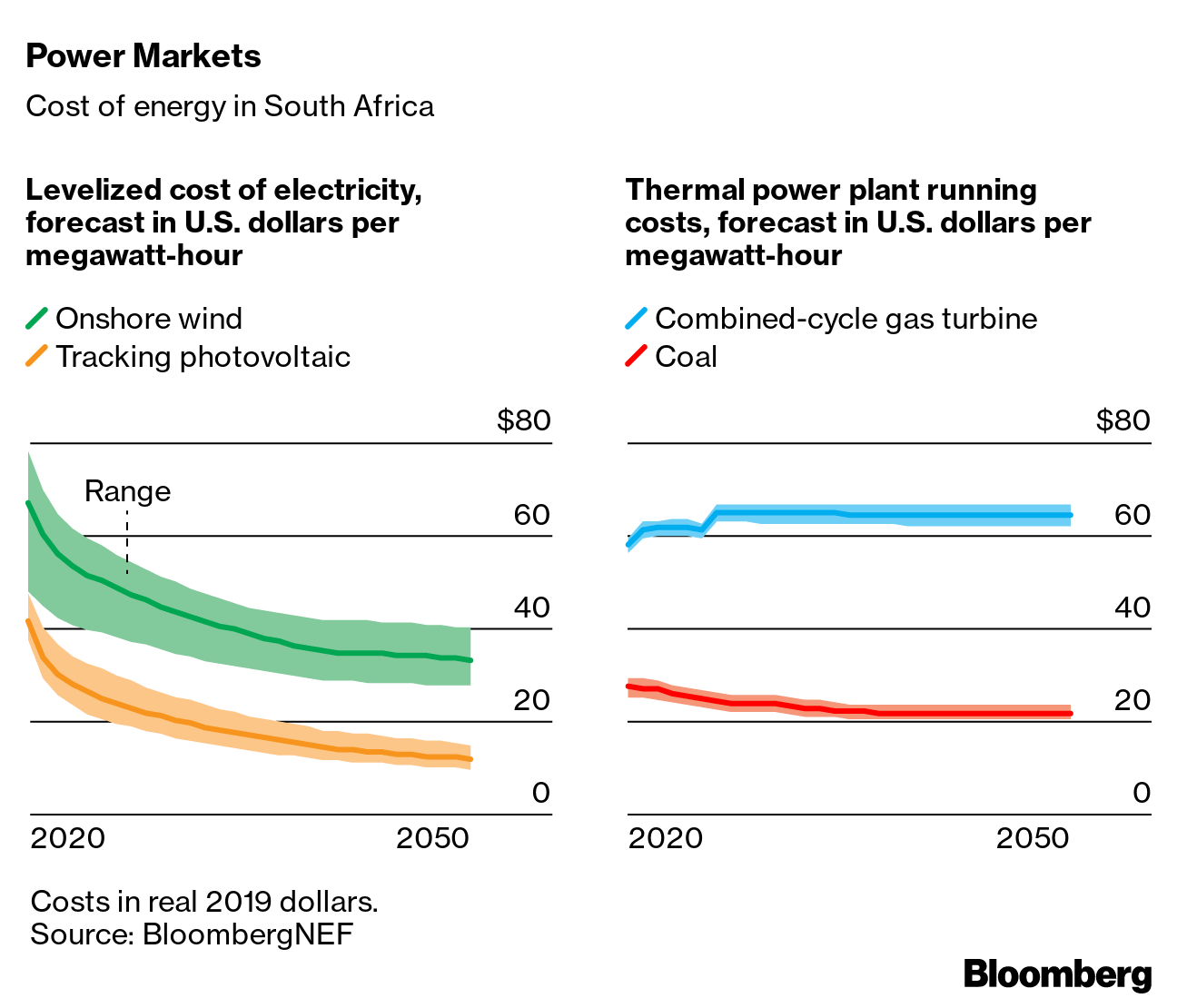 On its path to a greener future, South Africa plans to invest in natural gas. The country wants to wean itself off the coal that generates more than 80% of its electricity and makes it the world's 12th‑biggest source of greenhouse gases. Best of Bloomberg OpinionChronic shortage | Truck drivers, retail staff, food processors and construction workers. These are just a few of the posts that U.K. employers are struggling to fill as the pandemic begins to lift and the economy opens. While countries across Europe are experiencing Covid-related holes in their workforce, the U.K. shortfall is more acute due to Brexit, with implications for the government's mantra to "build back better." Next target? | Gaming stocks slumped in Hong Kong after an offshoot of China's official news agency decried the "spiritual opium" of games, leading the country's largest corporation to declare the possibility of banning kids under 12 from playing at all. That stoked fears Beijing will set its sights on online entertainment after reining in the e-commerce, ride-hailing and online education industries. - Read how the 'China Model' aims for prosperity without democracy.
- Biden sought to stave off a wave of evictions after a federal moratorium on tenants losing their homes expired.
- China and India said their military commanders had constructive talks about their Himalayan border dispute.
- The governor of Nigeria's commercial hub of Lagos said steps must be taken to curb coronavirus infections after an alarming increase in deaths in Africa's biggest city.
- German Finance Minister Olaf Scholz may announce more disaster aid today during a visit to the flood-hit areas of North Rhine-Westphalia with fellow chancellor candidate Armin Laschet, the state premier.
- A referendum spearheaded by Mexican President Andres Manuel Lopez Obrador to investigate his five predecessors came up far short of the turnout needed to make it legally binding.
And finally ... North Korean leader Kim Jong Un has appeared in public in recent days with a bandage on the back of his head that has added fuel to simmering speculation on his health. When the patch was gone, a greenish spot was visible, but South Korea's spy agency told lawmakers it didn't believe there was reason for alarm.  | 




Post a Comment