| Energy weapon | Angela Merkel and Joe Biden agreed to disagree on Nord Stream 2 during the German chancellor's visit to the White House yesterday. While the U.S. president made clear his continued opposition to the gas pipeline from Russia, the leaders did find common ground on their approach to Moscow. "Russia must not be allowed to use energy as a weapon," Biden said. - Biden signaled progress toward lifting a ban on travel from Europe, raising hopes of a reopening of the $40 billion transatlantic air corridor 16 months after flights were grounded by Covid-19.
Deteriorating security | Biden said his administration will issue an advisory as early as today cautioning U.S. companies about the risks of doing business in Hong Kong as China tightens its control over the territory. It will underscore how swiftly Beijing's actions have brought an end to the "one country, two systems" approach and proved a death knell for the territory's independent judiciary, media and protest movements. News ban | Russia outlawed an investigative media outlet that published a report last year suggesting President Vladimir Putin secretly fathered a daughter outside his marriage. The Prosecutor General yesterday declared Proekt Media an "undesirable organization," meaning anyone associated with it could face a prison sentence. It was the first use of the law against a news outlet amid a deepening crackdown on dissent.  Best of Bloomberg OpinionUnexpected haven | South Sudan's Olympic track team has been training in Maebashi, a city two hours north of Tokyo, since their arrival last year before the Games were delayed by the pandemic. Now, Kurumi Mori writes, the area known for its historic silk industry has become a second home for the athletes as they seek the first-ever Olympic medal for their nation, which gained independence in 2011 and has been wracked by conflict for most of the decade since. 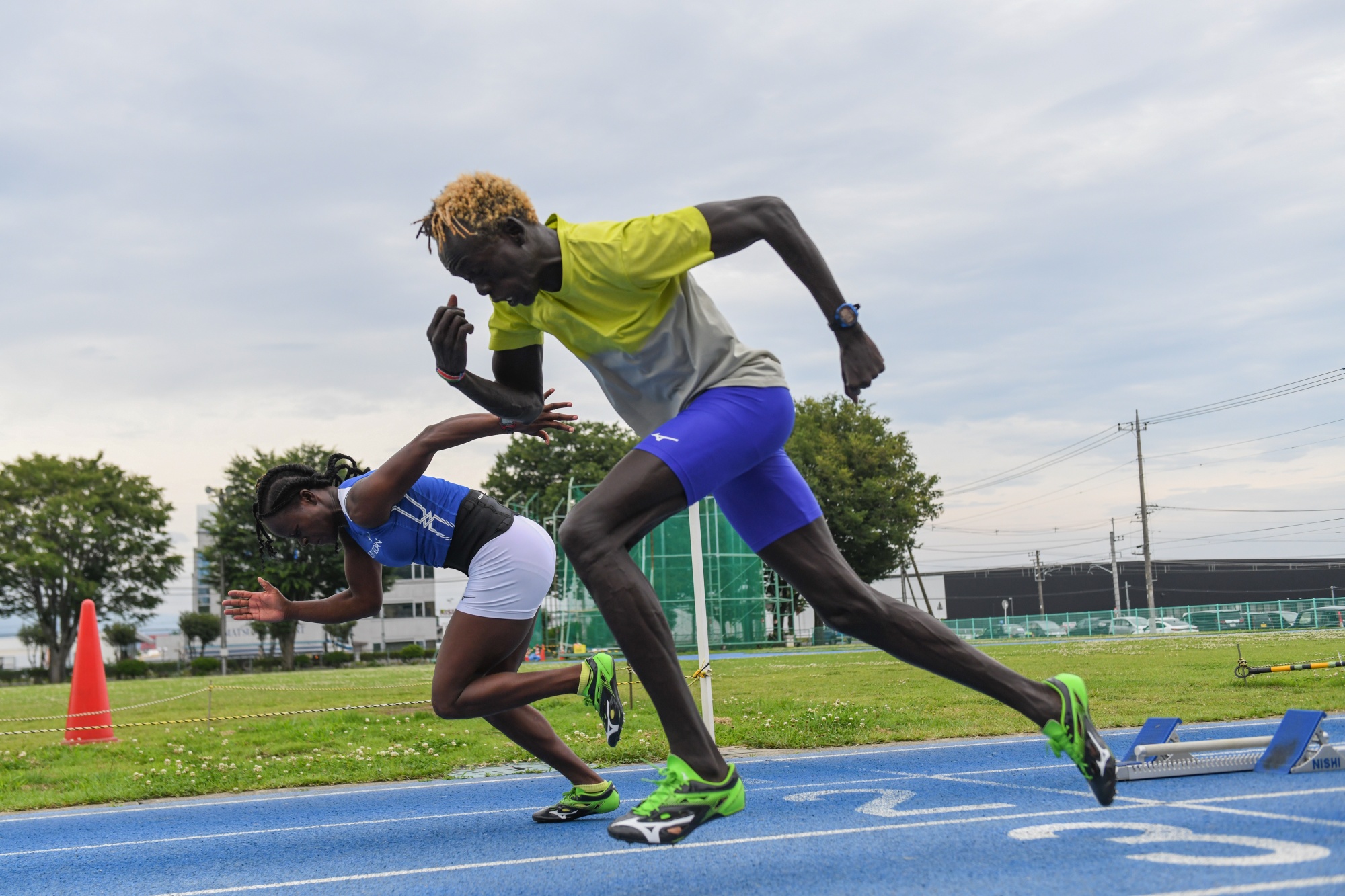 Team members Lucia Moris, left, and Akoon Akoon. Photographer: Noriko Hayashi/Bloomberg Karaoke cluster | Singapore's plans to progressively reopen are being tested by a group of Covid-19 infections in a karaoke club, with officials rushing to control a surge in daily cases just weeks before the city-state's expected to reach its next key vaccination target. It aims to pivot away from the earlier Covid-zero strategy of eradication toward managing the risks of a virus that leaders believe will be endemic. What to Watch - Biden, China's Xi Jinping and other world leaders will meet virtually today as part of an informal APEC gathering focused on ending the pandemic and supporting the global economic recovery as Asia struggles with a resurgence of virus cases.
- A U.K. government minister held out the prospect of restoring some Covid-19 restrictions amid a jump in new cases, just three days before it plans to drop all remaining social distancing rules.
- Thai protesters are expected to mark the one-year anniversary of the pro-democracy movement on Sunday.
- Also Sunday, Chile votes in a primary to narrow the field of candidates vying for the presidency in elections slated for Nov. 21.
Pop quiz, readers (no cheating!). Which country received a warning of serious consequences from the Taliban over its decision to take over the security of Kabul's airport after the full withdrawal of U.S. troops from Afghanistan in less than two months. Send your answers to balancepower@bloomberg.net. And finally … The U.K.'s departure from the European Union has exposed fault lines across the country, and nowhere more so than in Northern Ireland. A visit to Belfast in July is a stark reminder of its troubled history, as Protestants celebrate the 1690 victory of King William of Orange over the Catholic forces of King James. Yet as Morwenna Coniam reports alongside this photo essay, even as Brexit shines a light on Northern Irish identity, notions of unionism and nationalism are fading. 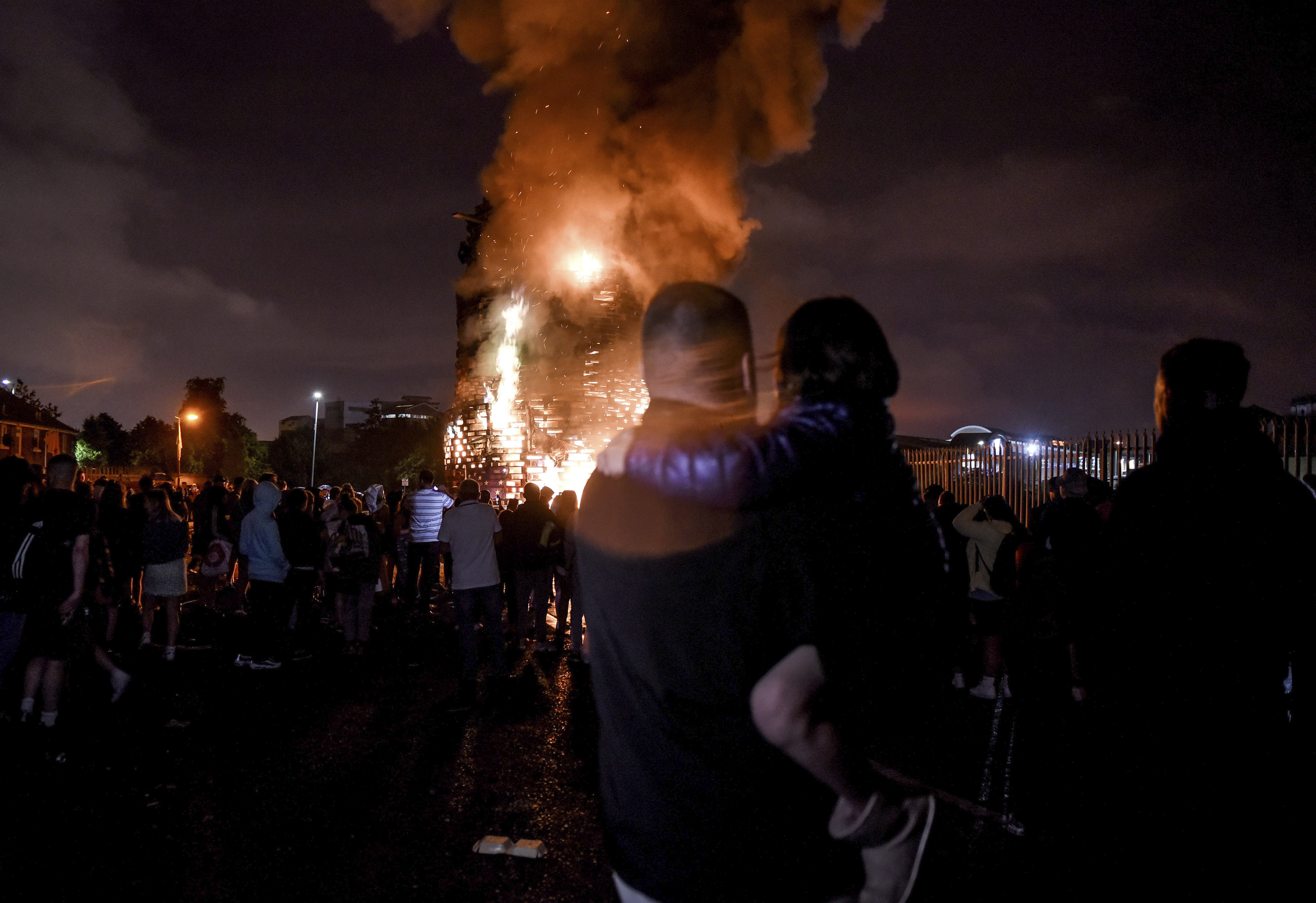 Large bonfires and marches are held across Northern Ireland to commemorate the 1690 Battle of the Boyne. Photographer: Mary Turner/Bloomberg | 



Post a Comment