| Fresh outreach | Biden shifted his push to convince Democratic lawmakers to approve his proposed $3.5 trillion economic package into high gear yesterday with three separate meetings at the White House. The entire Democratic caucus in the Senate and all but three members in the House must reach agreement to move the president's agenda forward, with failure likely leaving his long-term economic plan in tatters. Stress test | Sunny Peninsula, a seaside development in the southern Chinese city of Guangzhou, was supposed to house 5,000 white-collar worker families. But the project with its half-finished apartment blocks now looks more like the set of a disaster movie, emblematic of the troubles at China Evergrande Group, until recently the world's largest property developer. Click here for our big read on Evergrande's debt crisis. -
Global investors remain on tenterhooks even after Evergrande said it resolved a domestic bond coupon, with the focus on a $83.5 million interest payment also due today on a five-year dollar note. -
China's central bank net-injected the most short-term liquidity in eight months into the financial system, with markets roiled by concerns over Evergrande. 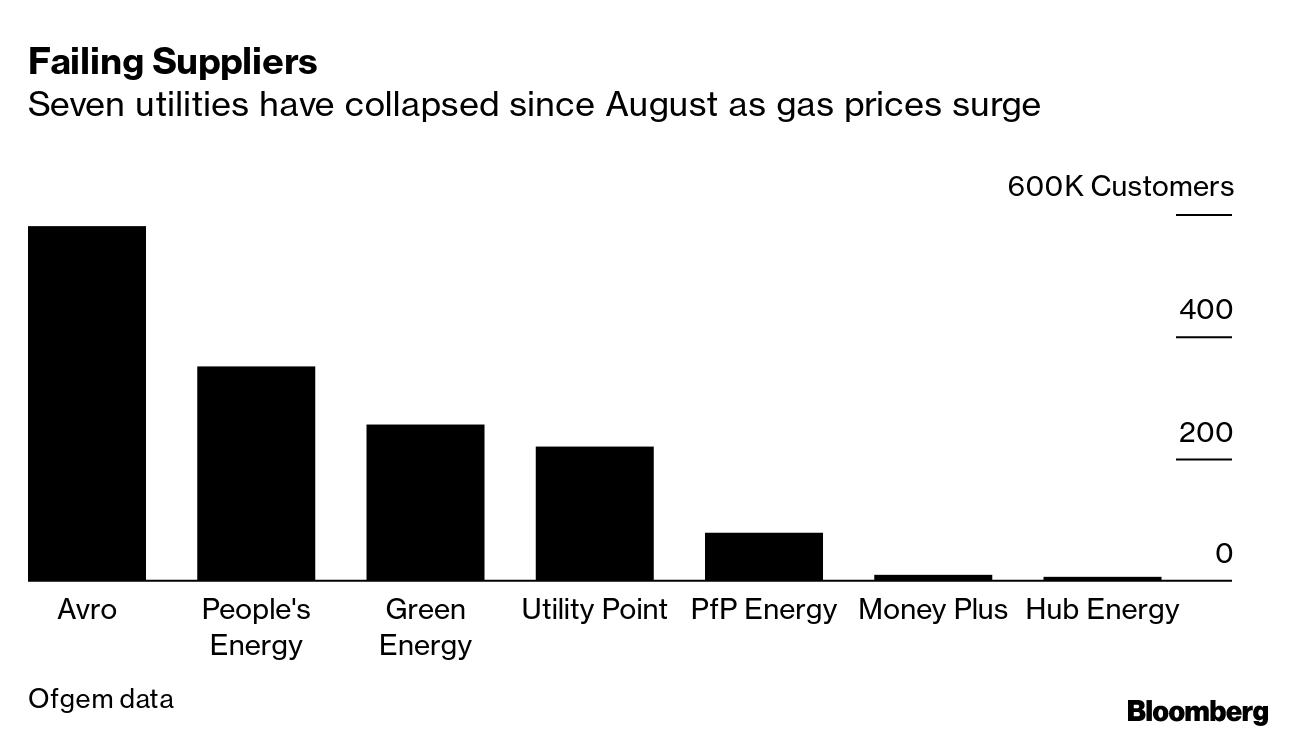 More than 1.5 million households in Britain are being forced to switch energy suppliers after two more retailers collapsed yesterday. The announcements follow a prediction made by Business Secretary Kwasi Kwarteng that more companies would be in trouble after natural gas and power prices surged to record highs.
China's reach | The U.K. government is alerting people in Britain who were named in a Hong Kong national security case to avoid countries that have extradition treaties with the Chinese territory. As Kari Soo Lindberg reports, it underscores concerns that China might reach beyond its borders to prosecute people under the law that asserts global jurisdiction for cases involving terrorism, secession, subversion and collusion with foreign powers. - China's ambassador to America says Beijing's political system exemplifies the ideals of former U.S. president Abraham Lincoln. Click here for more.
Best of Bloomberg OpinionArctic boom | Oil and gas companies are being bankrolled by some of the biggest names in finance to tap the Arctic's vast natural wealth, even as warnings grow about the melting ice cap due to global warming. Banks provided more than $314 billion to expand the industry from 2016 to 2020, according to watchdog Reclaim Finance, raising concern that businesses are flouting their oft-touted green credentials. - More than 150 nonprofit groups warned the EU must resist pressure from some members to put new gas-fired power stations in its green rule book if it's serious about fighting global warming.
Taxing the rich | The former banker who pulled off an upset victory to become Ecuador's president has some bad news for wealthy friends at home: You're going to pay the bill for the pandemic. Speaking in an interview, Guillermo Lasso said he is confident his approval rating of 75% will suffer little from a planned overhaul of tax rates, capital market rules and labor regulations as higher levies will target only the top 3.5% of earners. Bloomberg TV and Radio air Balance of Power with David Westin weekdays from 12 to 1pm ET, with a second hour on Bloomberg Radio from 1 to 2pm ET. You can watch and listen on Bloomberg channels and online here or check out prior episodes and guest clips here. Guests today include Colombian President Ivan Duque and U.S. Senator Jon Ossoff, a Democrat from Georgia. And finally ... While climate scientists have warned for years about the wildfires and hurricanes now overwhelming many communities, new alarms are ringing about a related danger for the biggest part of the global debt market. Investors, academics, policymakers and regulators are questioning whether credit ratings — the scores that underpin much of the financial system — are factoring in risks that could trigger chaotic asset collapses and potentially set off a new global financial crisis. 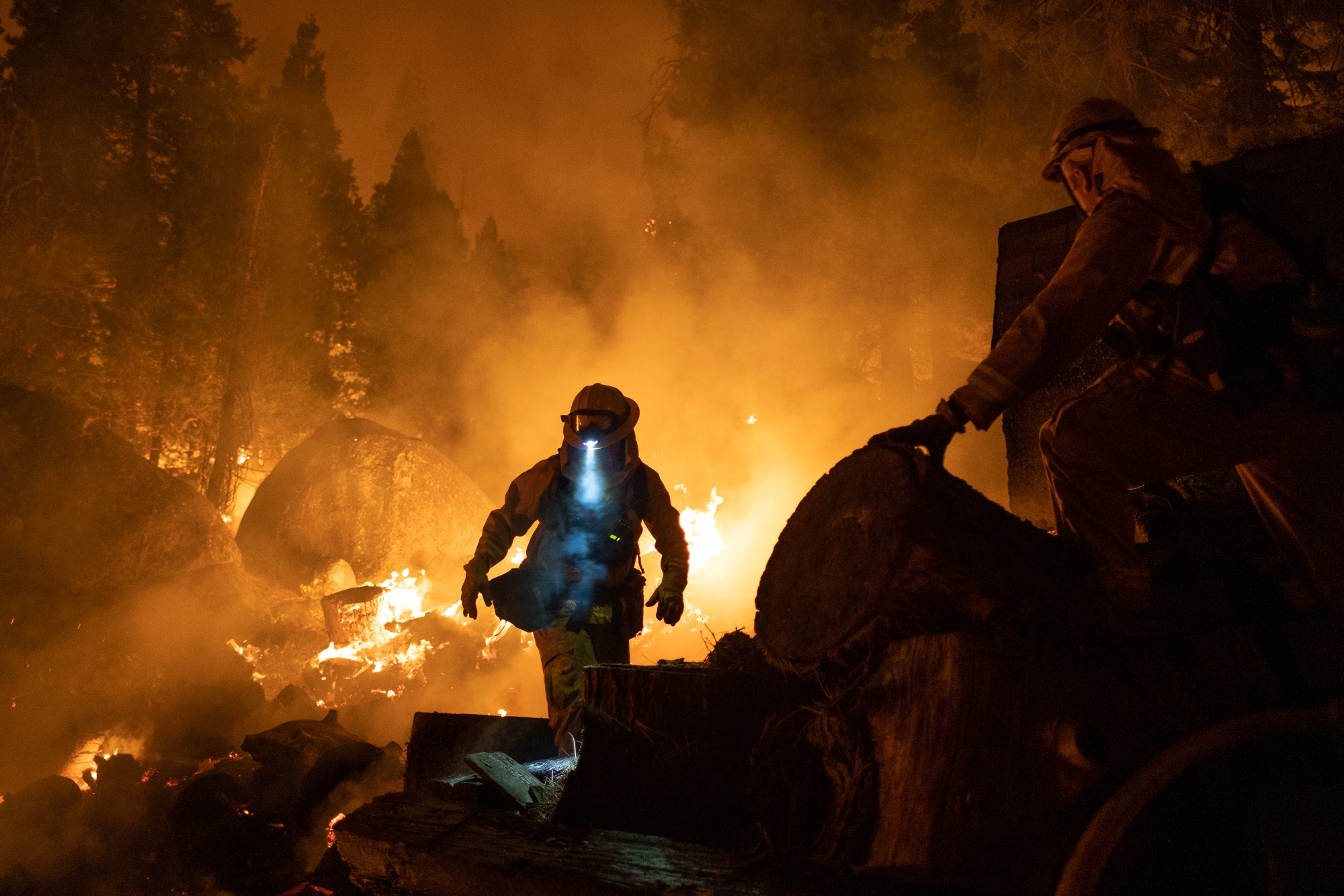 Firefighters attempt to protect a house near Meyers, California, on Aug. 31. Photographer: David Odisho/Bloomberg | 







Post a Comment