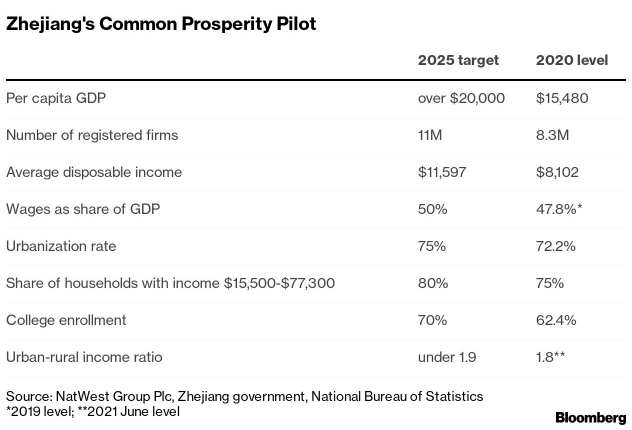
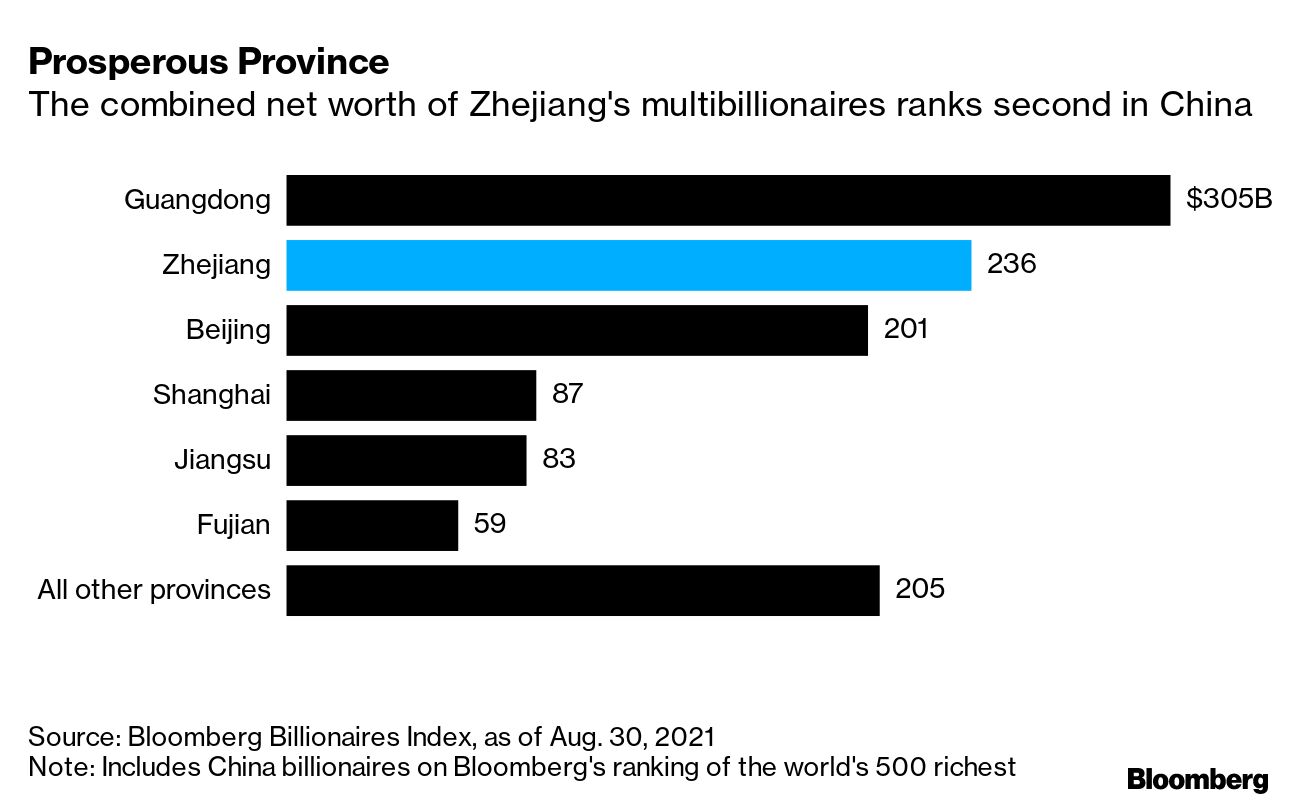
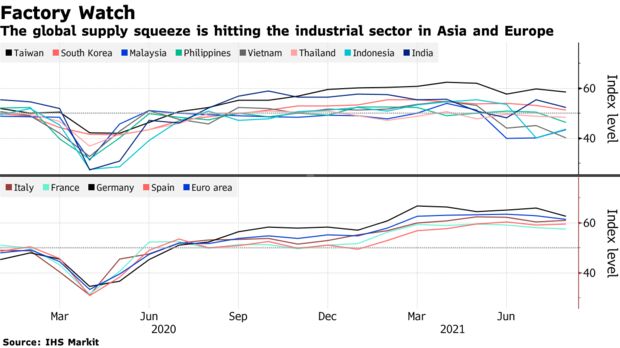
| Hello. Today we look at China's test province for President Xi Jinping's Common Prosperity policies, how delta's spread is splitting the outlook for manufacturers and the peak in global growth. Regular readers of this newsletter will be aware of Chinese President Xi Jinping's push for "Common Prosperity." The campaign to spread wealth more evenly across the nation's 1.4 billion people has sent shockwaves through the stock market and reshaped the business environment for big tech. But only diehard China watchers will have delved into the specific policies "Common Prosperity" entails. For that granular view, Bloomberg's China reporters looked at the coastal province of Zhejiang. In June, the national government designated China's third-richest province to pilot policies designed to reduce inequality, and in July, it released detailed targets. Zhejiang's top official Yuan Jiajun has described economic growth as the "cornerstone" of common prosperity, and a growing economy makes it easier to reduce inequalities without causing conflict. So while they're trying to share the pie more evenly, they're also seeking to grow it. To achieve that, the plan doubles down on China's already successful model of urbanization and upgrading manufacturing into more high-tech areas. The province aims to be 75% urban by 2025, up from 72% in 2020, buoyed by state-led investment in infrastructure. Zhejiang, where real estate prices grew at an average annual rate of about 6% over the last decade, doesn't want to see homes get any pricier. That could involve property taxes and measures to encourage construction, including building over 210,000 units of subsidized rental apartments. Rural manufacturing firms — electronics, textiles and furniture — were Zhejiang's main engine of growth in the 1980s, but many firms moved from the countryside to cities in the 1990s, worsening the urban-rural divide. The Zhejiang plan calls for support of existing rural service businesses as well as the return of manufacturing. The plan also calls for entrepreneurs to donate more of their wealth to society. Zhejiang is home to at least 10 multi-billionaires, according to data collected by Bloomberg, with a combined net worth of $236 billion. Zhejiang will spend more on healthcare and education to strengthen the workforce. It wants to lower kindergarten costs and wants 70% of college-aged students to be pursuing higher education by 2025. Another key to grasping the new policy push is to understand that China isn't shifting to a European welfare states system. With healthy, qualified workers, there should be no need for state welfare, officials say. China can't afford "to feed the lazy," Han Wenxiu, a senior official in the party's top economic affairs committee, told reporters last week, describing "welfarism" as a "trap." Zhejiang's Yuan also rejected welfare in a speech on the plan in July, giving a typically nationalistic outline of the aspiration: "Common prosperity is a concentrated expression of the superiority of the socialist system with Chinese characteristics, and a transcendence of Western modernization and welfare society." —Malcolm Scott Orders at factories are piling up as companies around the world struggle to meet demand amid a damaging mixture of the coronavirus and widespread bottlenecks in supply chains.
In Europe, unfilled orders rose to an unprecedented level in August, according to an IHS Markit survey of purchasing managers. The strains are denting confidence in Germany, where big names from BMW to Siemens have warned supply problems could persist into next year or even longer. For Asia, the situation is being compounded by one of the world's worst Covid-19 outbreaks. Disruption from lockdowns has forced factories to halt or slow production, and PMI readings point to contraction in a number of countries. - Drastic hike | Chile's central bank opened the door to an aggressive cycle of rate increases to cool a stimulus-driven economic boom after shocking investors with the biggest borrowing cost hike in two decades.
- Road to recession | The Conservative leader hoping to deny Justin Trudeau a third election victory seized on a contraction in Canada's economy as evidence of mismanagement under the governing Liberals.
- American nurses | Travel nurses — those not attached to a single hospital and who work on short-term contracts — have seen their pay increase as they hit the frontlines against Covid-19.
- Solid momentum | Australia's economy grew faster than expected last quarter as households tapped their savings to boost spending, underscoring the central bank's view that the nation entered a renewed lockdown with solid momentum. Still, the economy is set to contract sharply in the current quarter as the nation's two largest cities remain shuttered to try to contain an outbreak of the coronavirus delta variant that's spread along the east coast.
- Vietnam warning | The trade powerhouse is struggling with a resurgent virus outbreak and lagging vaccination drive. That's not just a crisis for Vietnam, but for global brands, which are now scrambling to protect workers in the country's factories, and to untangle supply chains.
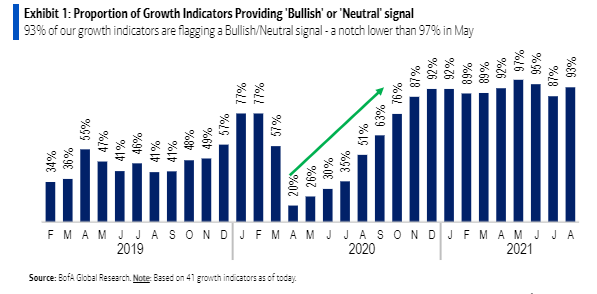
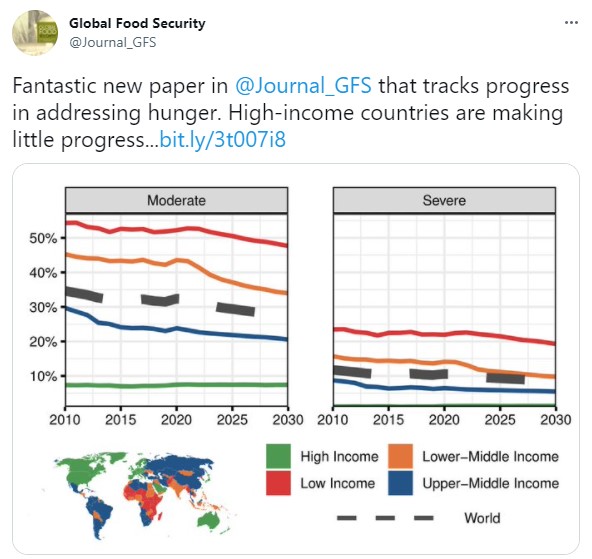
Global growth is past it's post-pandemic peak, according to BofA Global Research strategists. They reckon 93% of growth indicators are flashing bullish or neutral signals, down from 97% in May. Bullish signals alone have fallen to 54% from a high of 81% in May. "Add to it the relentless discussions around the tapering of asset purchases by the Fed, and it is easy to see why investors are worried about the sustainability of the 17-month long bull market," BofA's strategists said. On a related note, the American Chemistry Council's barometer of activity has also fallen, suggesting expansion is likely to slow ahead. The global rate of hunger is declining, but the number of hungry are increasing… Read more reactions on Twitter - Click here for more economic stories
- Tune into the Stephanomics podcast
- Subscribe here for our daily Supply Lines newsletter, here for our weekly Beyond Brexit newsletter
- Follow us @economics
Bloomberg New Economy Conversations — China's Tech Crackdown: Join New Economy Forum Editorial Director Andrew Browne on Sept. 8 at 10 a.m. as he analyzes the sweeping regulatory crackdown underway in China. The private sector helped power China's economic rise, but President Xi Jinping seems determined to rein in what he sees as its excesses. Is this transitory or a game-changing shift? Joining Andy are Keyu Jin, Associate Professor of Economics at the London School of Economics & Political Science, and Kevin Rudd, President and Chief Executive Officer of the Asia Society. Register here. | 


Post a Comment