| Like the double-headed eagle of the national crest, President Vladimir Putin faces challenges and opportunities to Russia's east and west. In neighboring Belarus, President Alexander Lukashenko grows increasingly dependent on Russia as his campaign of repression against protesters deepens his isolation from the West after almost a year of political turmoil since contested presidential elections. After President Joe Biden signaled U.S. support for exiled opposition leader Sviatlana Tsikhanouskaya at a White House meeting last week, Lukashenko said Friday he wouldn't hesitate to call Russian troops into Belarus to keep order, the state-run Belta news service reported. That's music to Putin's ears, as Moscow underlines its determination not to lose dominance over Belarus as it has in Ukraine. Europe, too, offers potential and risks for Putin. With Angela Merkel stepping down soon, the Kremlin is targeting Annalena Baerbock, the Greens's candidate to be chancellor in September's German elections, as a threat to its interests because of her hawkish attitude to Russia. Just as in the U.S., perceived Russian election meddling risks a political backlash. Yet as Patrick Donahue reports, officials in Germany may not shut down the Nord Stream 2 gas pipeline if Russia attempts to use it as a geopolitical weapon. That suggests an agreement Merkel reached with Biden to penalize Russia in that event may be toothless. Meantime panic in central Asian republics triggered by the Taliban's rapid advance in Afghanistan has seen them turning to Moscow with pleas for help to secure their borders. Amid the worst repression of domestic critics for years ahead of parliamentary elections next month, the Kremlin often justifies its actions by casting Russia as surrounded by external threats. In reality, a combination of circumstances is presenting Putin with unusually favorable conditions for advancing his foreign interests. — Anthony Halpin 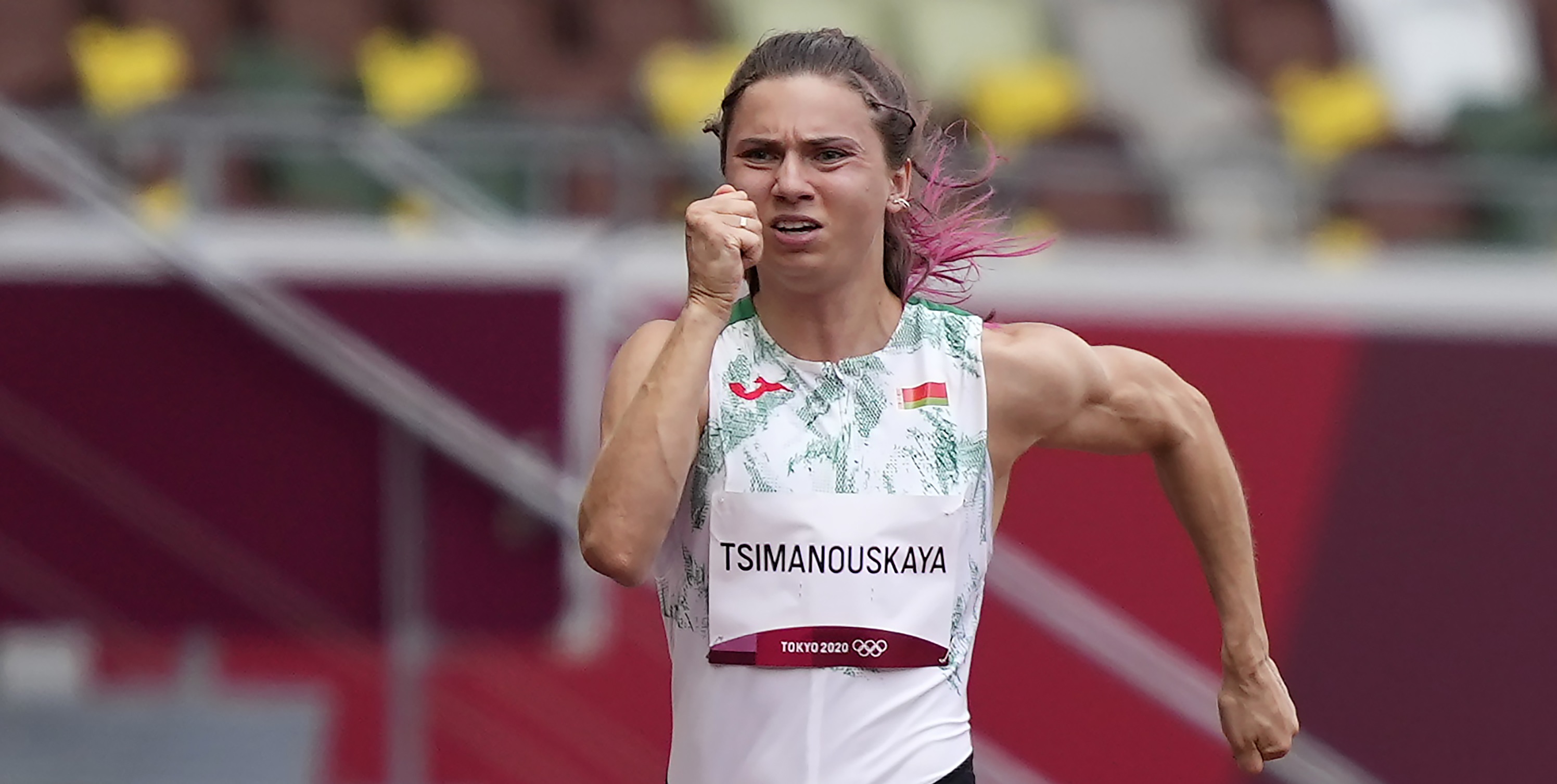 Belarusian sprinter Krystsina Tsimanouskaya runs in the women's 100-meter race at the Tokyo Olympics. Tsimanouskaya said she was pressured to leave Tokyo halfway through the games for criticizing sporting officials from her country and is reportedly now seeking asylum from Poland. Photographer: Martin Meissner/AP Click here to follow Bloomberg Politics on Twitter and tell us how we're doing or what we're missing at balancepower@bloomberg.net. | 




Post a Comment