| The attack on Kabul airport by suspected Islamic State militants is a grim reminder that Afghanistan will remain a problem for the rest of the world even as the final evacuation planes lumber down the runway and foreign troops depart. It was the deadliest day for the U.S. military in many years, with 13 service personnel killed. Scores more Afghans lost their lives in the blasts and gunfire, with reports that Taliban were among them. President Joe Biden is adamant the U.S. will wrap up evacuation flights and withdraw its troops by the Aug. 31 deadline. If anything, the attack makes it more of an imperative for him, politically. The majority of American voters want their soldiers home and the U.S. extricated from two decades of war. That's even as condemnation grows among lawmakers for the chaos and violence of the past few weeks. The attack is also a reminder that the Taliban, for all of its swift victory and deep command structure, isn't as in control as it would like. The presence of ISIS-K (the local offshoot of Islamic State) fighters shows that, and Afghanistan more broadly is a complicated soup of warlords and militant factions. The prospect of civil war remains, and the Taliban may be tempted to take an even harder line to keep power. The risk to the region and beyond is also real. The blasts highlight that China, Russia, Turkey, European nations, the U.S. and others are right to worry about "spillage," where militancy spreads out of Afghanistan along with streams of refugees. Perversely, that means these countries will need to engage the Taliban even more to try and contain things inside Afghanistan. The unpalatable reality is that circumventing the Taliban is no longer an option. — Rosalind Mathieson 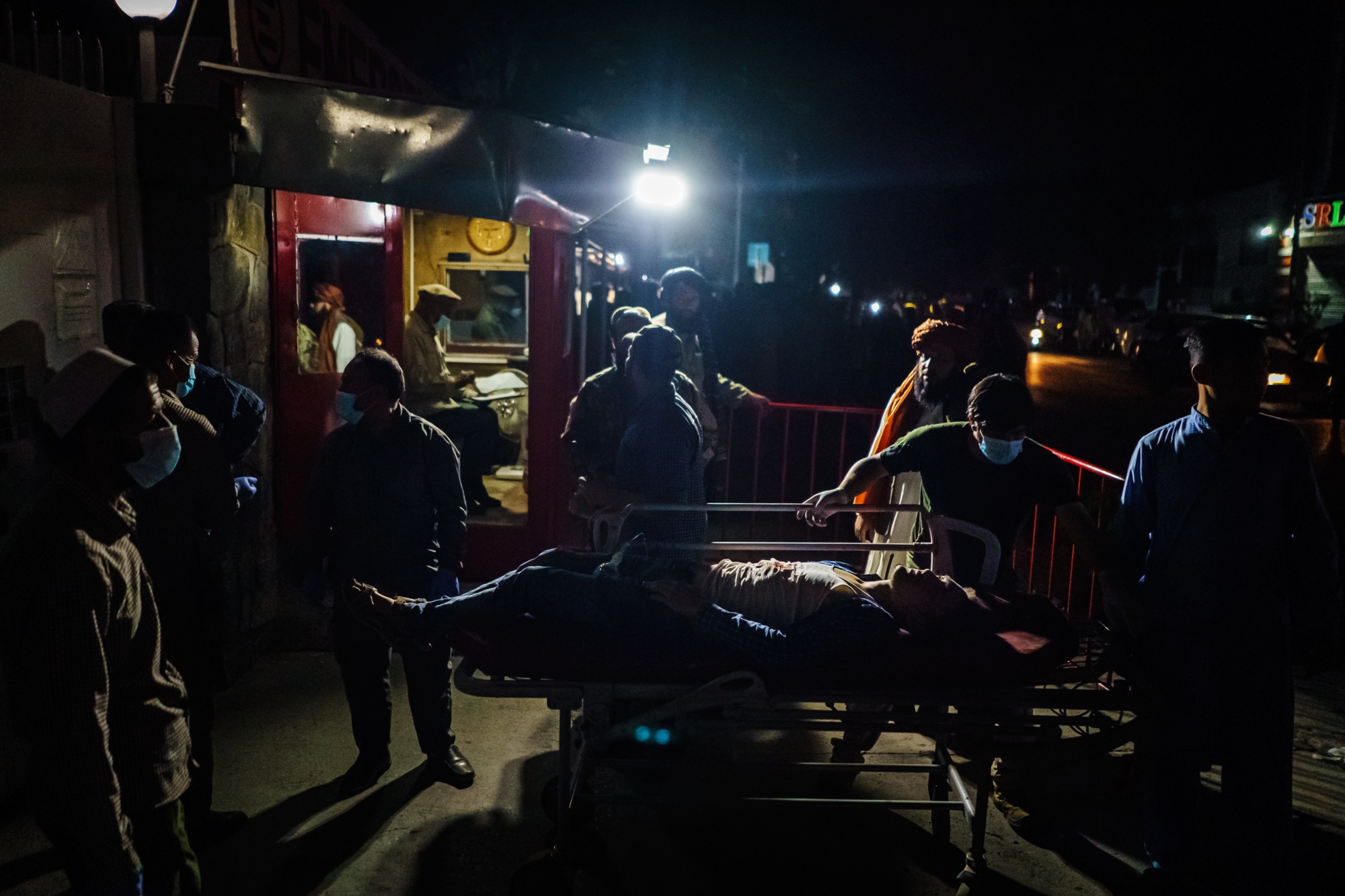 A wounded patient arrives at a hospital in Kabul. Photographer: Marcus Yam/Los Angeles Times Click here for this week's most compelling political images and tell us how we're doing or what we're missing at balancepower@bloomberg.net. | 


Post a Comment