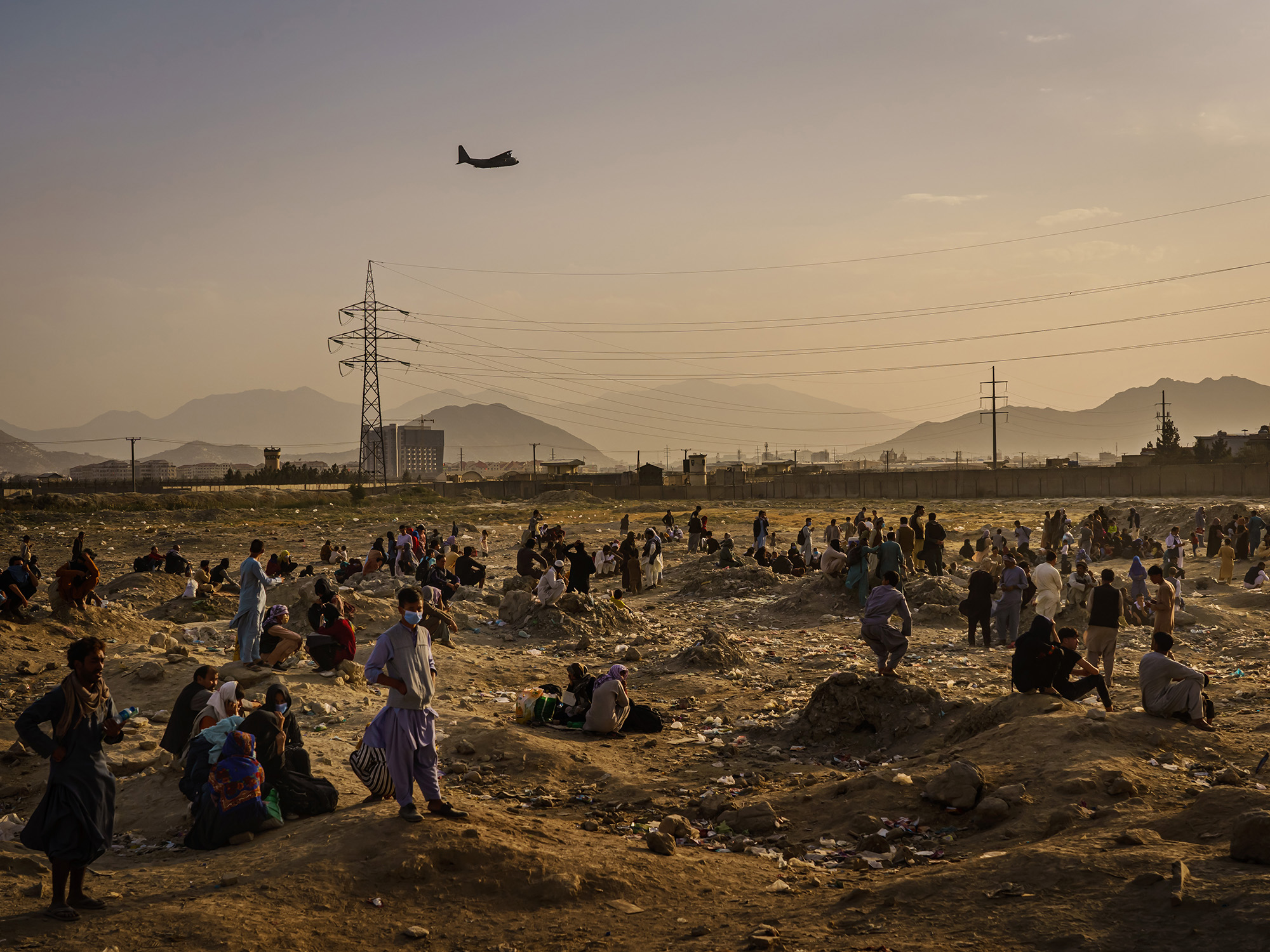
| Resisting pressure | Biden dismissed mounting calls to keep U.S. troops in Afghanistan past the Aug. 31 deadline but ordered his national security team to come up with contingency plans if he decides a delay is needed. The president said the risks to troops are growing and expressed confidence the U.S. could evacuate a substantial number of Americans and Afghan allies. - U.S. Vice President Kamala Harris urged Asian countries to apply more pressure on China in a meeting with Vietnam's president.
Budget victory | Biden received some good news yesterday when the House adopted a $3.5 trillion budget resolution that advances his economic agenda. Already passed by the Senate, the bill now goes to committees that will write the details into tax and spending legislation that both chambers will vote on later this year. -
House Democrats, moving to counter a wave of Republican state-level initiatives to restrict ballot access, passed legislation to restore portions of the historic 1965 Voting Rights Act, adding pressure on the Senate to break a logjam. 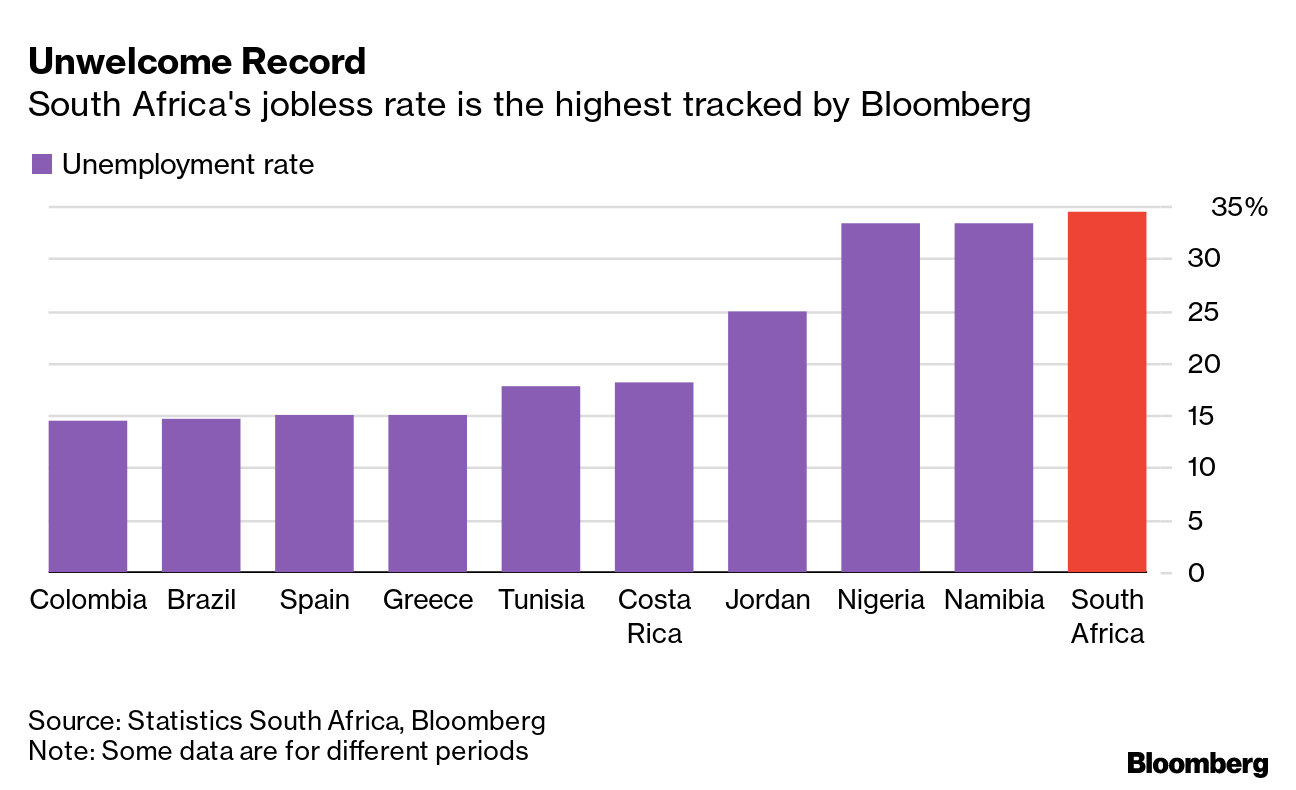 South Africa's unemployment rate surged to the highest on a global list of 82 countries monitored by Bloomberg, rising to 34.4% in the second quarter.
Losing grip | Chancellor Angela Merkel's conservative bloc is on the offensive as polls show its years-long lead over the Social Democratic Party evaporating less than five weeks before Germany's federal elections. In a Bloomberg webinar yesterday, Markus Soeder, who heads the Bavarian faction of Merkel's bloc, claimed a Social Democratic-led government would abandon balanced budgets and introduce "massive" tax increases after the party called for looser fiscal policy and new taxes on the rich. 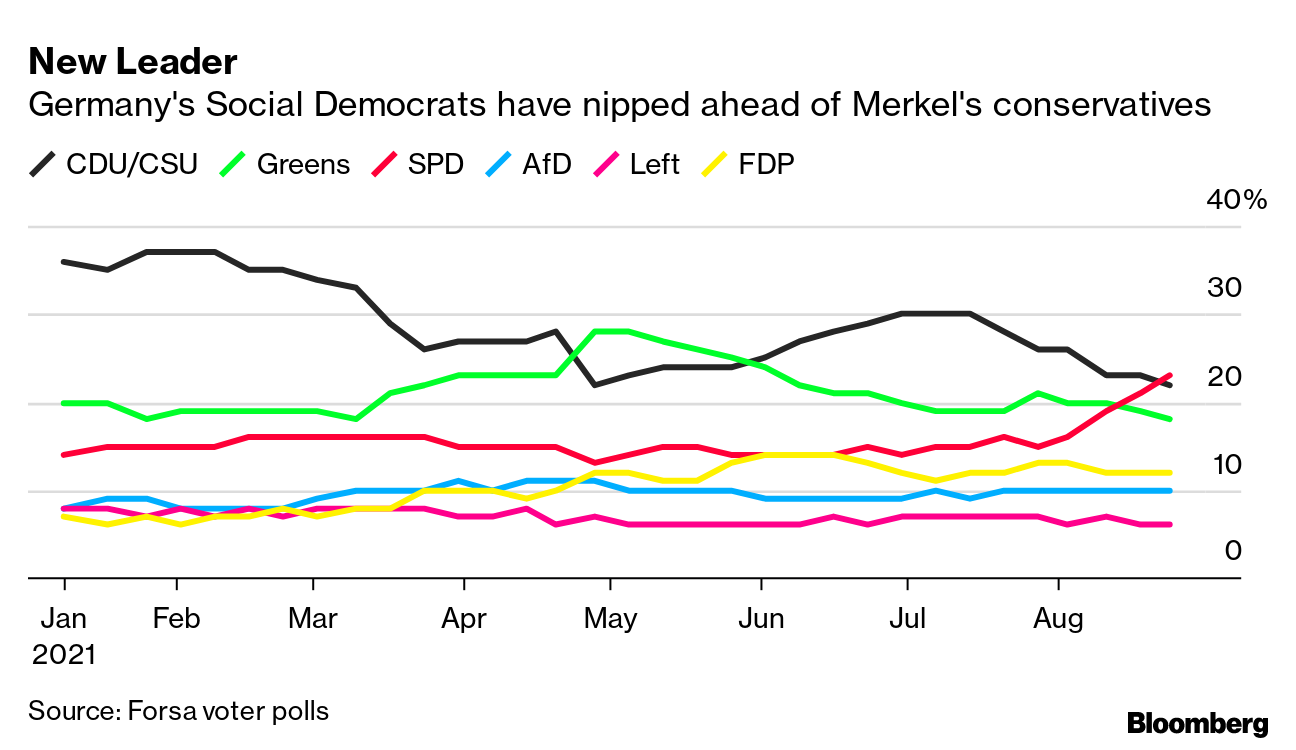 Border clash | A divided U.S. Supreme Court rejected the Biden administration's rescinding of a Trump-era immigration policy concerning asylum seekers entering from the border with Mexico. The court left in force a ruling requiring the resumption of a process, halted in June, that has forced almost 70,000 people to remain in Mexico while their applications are processed. Best of Bloomberg OpinionDangerous leaks | Invisible plumes of methane, which has more than 80 times the warming power of carbon, are escaping from sites in Romania, one of the European Union's top producers of oil and gas, according to the nonprofit Clean Air Task Force. The leaks highlight a challenge for European policy makers who proposed sweeping measures to decarbonize the EU's economy but have yet to pass laws to tackle methane. - Brazilian President Jair Bolsonaro has no plans to interfere with the central bank despite his growing unease about inflation in the run-up to general elections next year.
- The ruling parties of Japan and Taiwan will hold their first security talks this week, with bilateral concerns about increasing Chinese military strength likely to be top of the agenda.
- Former University of Georgia and National Football League star Herschel Walker is running for a U.S. Senate seat in Georgia at the urging of former President Donald Trump.
- China made the first arrest in a sexual-assault case involving a former Alibaba manager that has sparked debate about sexism in the nation's tech industry.
- Some of the largest U.S. food distributors are turning away customers and having trouble getting food to stores on time as they struggle to find people to drive trucks and work in warehouses and processing plants.
And finally ... The world's electricity generators are now polluting more than before the pandemic, putting global net-zero targets at risk. While wind and solar generated more than 10% of the world's electricity, overtaking nuclear power, the use of coal, particularly in China and other Asian countries where demand for power is rising, caused global energy-industry emissions to exceed 2019 levels by 5%, according to London-based researcher Ember. 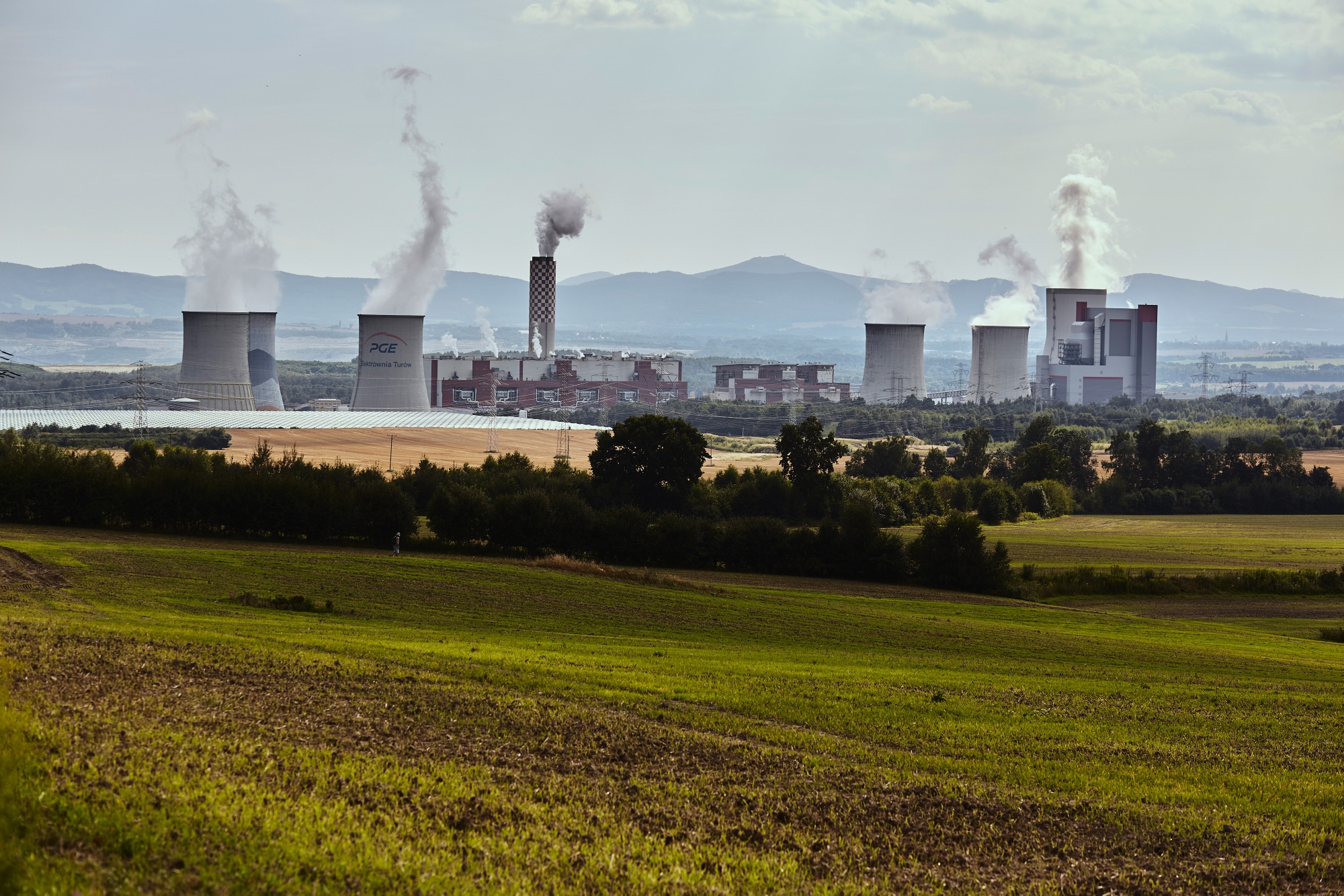 Vapor rises from the cooling towers of a coal-fired power plant in Poland. Photographer: Bartek Sadowski/Bloomberg | 




Post a Comment