| U.K. Prime Minister Boris Johnson didn't have long to bask in the relative success of the G-7 summit in Cornwall, where big promises on global taxation and supplying vaccines to the developing world were made. As the first in-person summit since the outbreak of the pandemic ended on Monday, Johnson had to break the discouraging news that Britain must delay the so-called Freedom Day, when all Covid-19 restrictions were due to end, by four weeks to July 19. The postponement came after modeling showed the more infectious delta variant, first identified in India, could push hospital admissions to similar levels reached in the first wave of infections in spring 2020. The thinking behind the delay is to allow more time to accelerate the rollout of second doses. While Britain has led the world in the speed of its vaccination campaign, the focus was getting as many first shots into people as possible by lengthening the time between the two jabs to 12 weeks. The snag is that the best protection against the delta variant is two shots, underscoring the urgency for Britain to get people fully vaccinated. 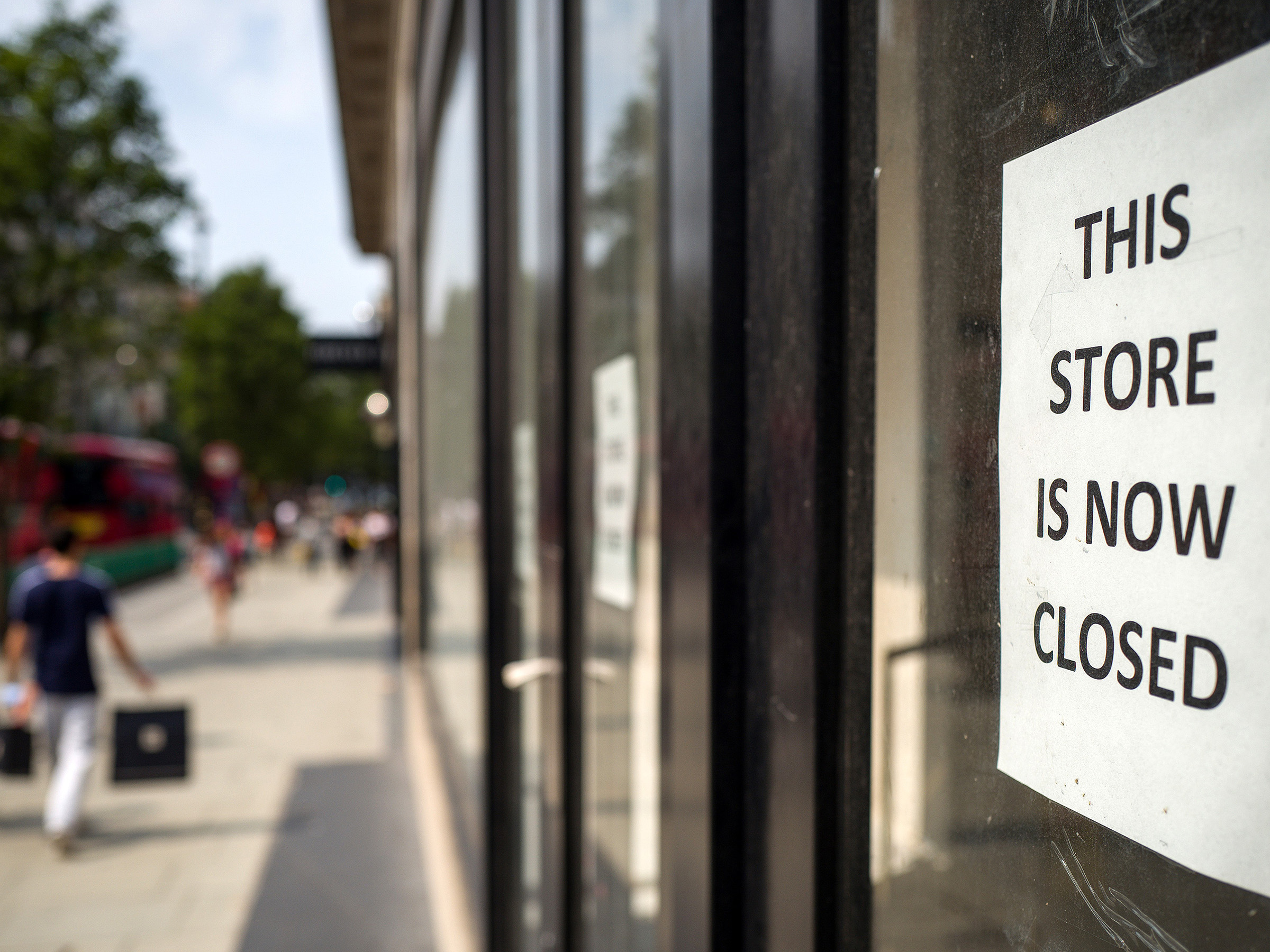 A store sign alerts customers that the shop has closed down in London. Photographer: TOLGA AKMEN/AFP Things are moving quickly on that front, which I can personally attest to. My second AstraZeneca shot was only due on July 8, but that appointment was brought forward to June 14. Johnson aims to have two-thirds of all adults fully vaccinated by July 19. As with every U.K. announcement on lockdown measures, it has attracted both approval and condemnation in almost equal measure. Supporters of Johnson, including many in the scientific community, believe delaying Freedom Day—which would have ended all limits on social contact and allowed nightclubs to reopen—is essential to prevent adding to what is already Europe's highest death toll. A four-week delay could reduce total hospital admissions by up to 25%, according to Matt Keeling, professor of populations and disease at University of Warwick. Critics, including many business owners, say the number of deaths are nowhere near previously levels, showing that vaccinations are breaking the link between rising infections and severe illness and death. They argue that Britain's economy is being irreparably harmed by constant stop-start changes in policy, driven by the government's risk-averse and single-minded focus on possible epidemiological outcomes. The next few weeks will be crucial in showing whether Johnson or big business is right. While deaths remain low, for now all eyes will be watching if positive cases lead to more deaths or if vaccines are doing their job. Until then, it seems fair to say that Britain's latest Freedom Day deadline is still not assured.—Deirdre Hipwell | 


Post a Comment