| This is Bloomberg Opinion Today, a modern-art installation of Bloomberg Opinion's opinions. Sign up here. Today's Agenda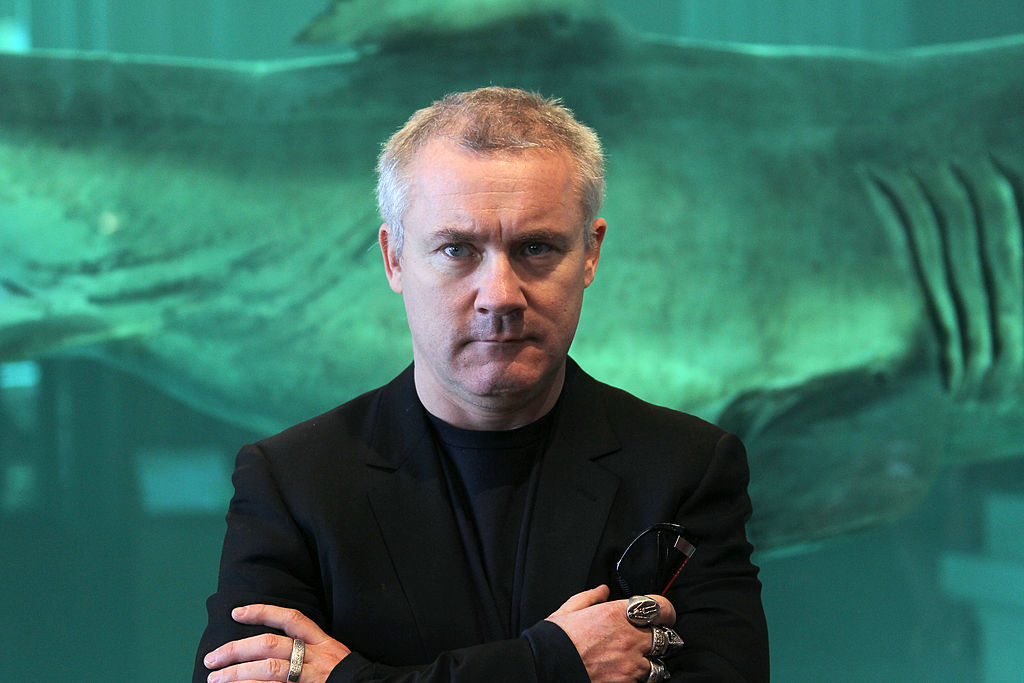 Damien Hirst with another piece of shark art, "The Immortal" (1999). Photographer: Valery Hache/AFP/Getty Images Maybe Bitcoin Is the Mona Lisa"The Physical Impossibility of Death in the Mind of Someone Living" is the title Damien Hirst gave to a shark suspended in a tank of formaldehyde. He called it art. Steven Cohen agreed and paid at least $8 million to put it in his house. Not everyone agreed it was art, but Steve Cohen did, and Steve Cohen spends a lot on art, and so the shark was art, and it was worth $8 million. Bitcoin is kind of like the shark in formaldehyde, writes Allison Schrager. It has no intrinsic value. As we have said here repeatedly, nobody in their right mind would use it to pay for pizzas or Teslas or anything other than desperately needed illegal goods, services or ransoms. Like the preserved shark, a Bitcoin is worth (checks Terminal) $37,000, er, (checks Terminal again) $43,000, er, (checks Terminal again) $32,000 only because Bitcoin fanatics and traders have collectively decided it is worth (checks Terminal again) $45,000. Cruelly, Allison compares Bitcoin not only to dubious contemporary art, but also to Beanie Babies — fad objects that became basically worthless despite their intentional scarcity. Denigrating Bitcoin in this fashion can be hazardous to your inbox and Twitter mentions, as I and John Authers and anybody else who dares to speak ill of the sacred cryptocurrency often discover. The fanaticism of its supporters is nothing short of religious, John writes. To be fair, that alone could keep the dead shark floating for quite a while to come. Unfortunately, it's more dangerous cult than proper religion. Its adherents claim Bitcoin is sticking it to The Man and freeing finance for the little guy. But what it's mainly doing, Bloomberg's editorial board writes, is further enriching the same old middlemen — bankers, traders, fund managers, Elon Musk — while setting themselves up for a massive bust. Sometimes modern art gets mistaken for trash and thrown away. The BBC Has a Princess Diana ProblemBack in 1995, when Beanie Babies were really taking off, BBC reporter Martin Bashir landed a blockbuster interview with Princess Diana. In it, she called out her then-husband Prince Charles for having a mistress throughout their marriage. For more background, see "The Crown," season four. It was a dream interview for any journalist, even ones who don't care much about the British monarchy. It turns out it was also a big hustle. A new report suggests Bashir used fakery to land the gig and that the BBC suspected as much, but it pretended to study something on the ceiling very hard for 25 years instead of doing anything about it. This would seem to be ancient news, but Martin Ivens suggests the publicly funded TV network still suffers from shoddy internal controls. We may have to wait until 2022 to see the Bashir interview reenacted on "The Crown." But the BBC will need to fix its problems much sooner. Your Next Mower Will Be ElectricMany of us have worked from home to the not-at-all-jarring background music of roaring lawnmowers, weed whackers and leaf blowers as landscaping crews hacked away at our neighbors' sprawling estates. Someday, maybe sooner than you think, these pleasant sounds will go away. They'll be replaced by the boring, quiet hum of similar tools powered by batteries, writes Brooke Sutherland in her newsletter (sign up!). Rapid improvements in battery technology are finally making electrified mowers and whatnot competitive with the noisy, polluting gas-powered kind. This newsletter writer has blown all his savings on Bitcoin and Beanie Babies and can't afford a landscaper. But he does use an electric mower and can report it works just fine. Plus: no gasoline smell in the garage. Telltale ChartsGoing on a big vacation to Europe this summer? You want everything to be perfect. Brace yourself, though: Your trip might be ruined as soon as you land and discover there are no rental cars, warns Chris Bryant. The same shortages that have people driving U-Hauls in Hawaii are affecting Europe, too. Plan ahead. You want to make it your dream vacation. 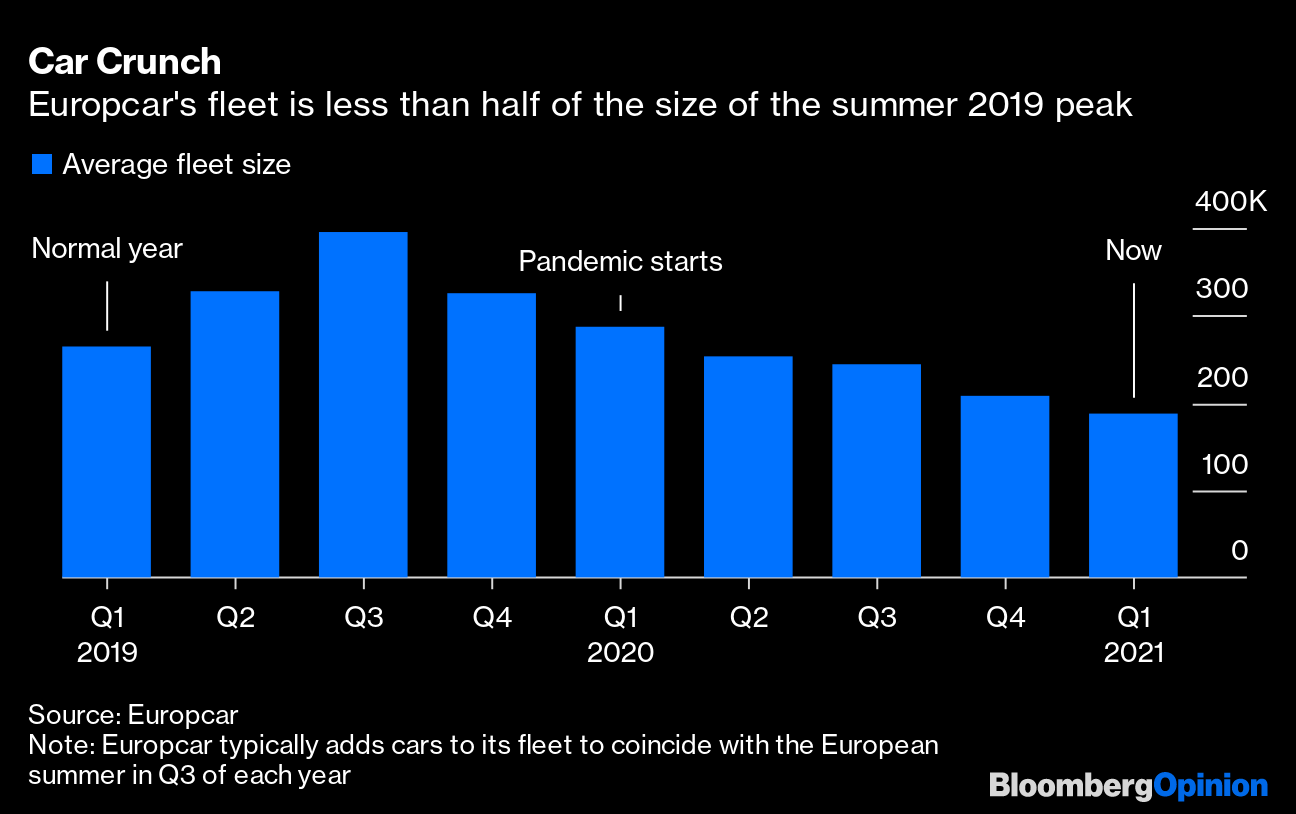 Efforts to stop companies from fleeing to offshore tax havens will probably just result in ever-lower corporate tax rates, writes David Fickling. Inequality wins again. 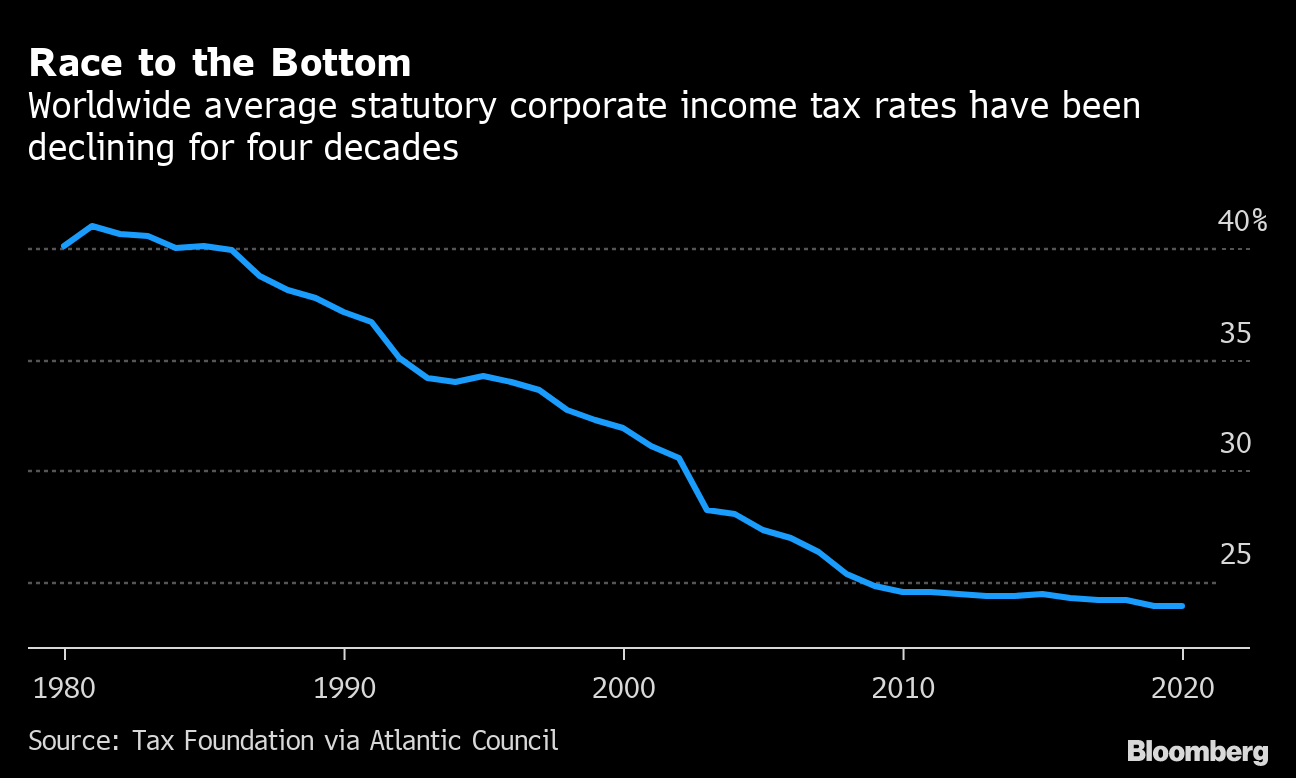 Further ReadingWhen will we need Covid booster shots, and how effective will they be? — Sam Fazeli Expanding the House won't make it more democratic or effective. But bulking up congressional staffs would. — Jonathan Bernstein The Fed could start talking about tapering later this year. That should kick off a tantrum in emerging markets. — Dan Moss The U.S. is falling behind China in AI capability. Time for government intervention. — James Stavridis Hamas and Israel have different measures of success; for Hamas, it's enough to foment dissent in Israel. — Zev Chafets The U.K. balking at a trade deal with Australia to protect local farmers would defeat the purpose of Brexit. — Therese Raphael The U.S. increasingly has to deal with caste prejudice imported from India. — Mihir Sharma ICYMIBiden trimmed his infrastructure proposal to woo Republican votes. Rich landlords are just buying houses straight from Zillow now. How Bill Gates became Milkshake Duck in just two weeks. KickersRIP, Internet Explorer. (h/t Scott Kominers) Do you see colors in the image below? Blame your brain. (h/t Mike Smedley) 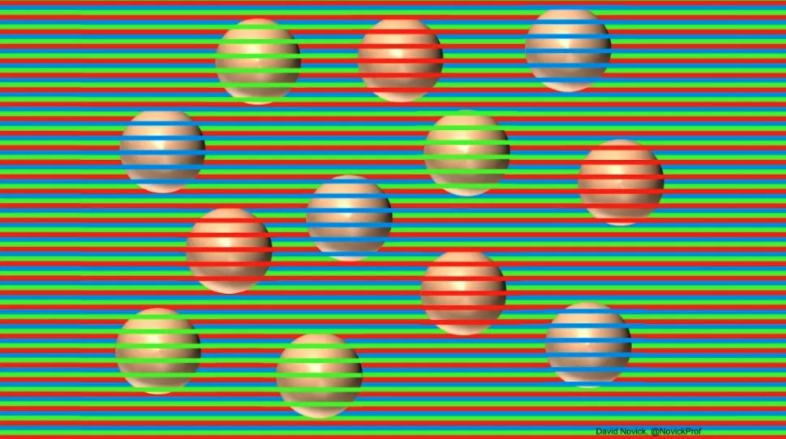 Image by David Novick New deadly emerging microbe threat just dropped. There are 50 billion birds on Earth, give or take. Just please do not kiss or snuggle them: 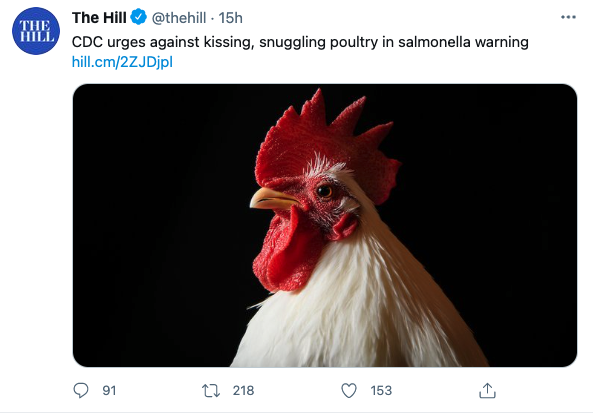 Notes: Please send Beanie Babies and complaints to Mark Gongloff at mgongloff1@bloomberg.net. Sign up here and follow us on Twitter and Facebook. | 




Post a Comment