Header Ads

A second chance

When Nelson Mandela led South Africa out of the shadows of apartheid more than a quarter century ago, there was genuine hope the multiracial "rainbow nation" would show the world's poorest continent the way toward a brighter, democratic future.

It didn't work out that way.

Under the presidency of Jacob Zuma, the ruling African National Congress oversaw the entrenchment of corruption that slowed growth, hollowed out public institutions and bankrupted state companies. The government says more than $35 billion was stolen from its coffers.

Instead of charting a new way, South Africa seemed to be following the well-worn path of other developing nations like Angola, Venezuela and Zimbabwe.

But then something changed. Cyril Ramaphosa, who led the negotiations to end apartheid and later became a wealthy businessman, took over and staged a fightback to reclaim Mandela's legacy.

It's been a long haul, but this week it culminated in the suspension of the president's biggest rival, ANC Secretary-General Ace Magashule, who's being prosecuted for graft. Zuma too is facing charges and possible prison time.

The result has tightened Ramaphosa's grip on a party that's handily won every national election since the end of white-minority rule, but what will he do with it?

So far, as Antony Sguazzin writes, his promise to rescue the indebted power utility Eskom has come to little, with debilitating blackouts continuing.

And he faces a myriad of crises. Africa's most developed economy saw its biggest contraction in a century last year as pandemic restrictions ravaged output and disrupted trade. Unemployment and inequality are rampant.

Yet an anti-corruption campaign that's starting to bare its teeth at least offers a chance to breathe a new sense of hope into South Africa. Karl Maier

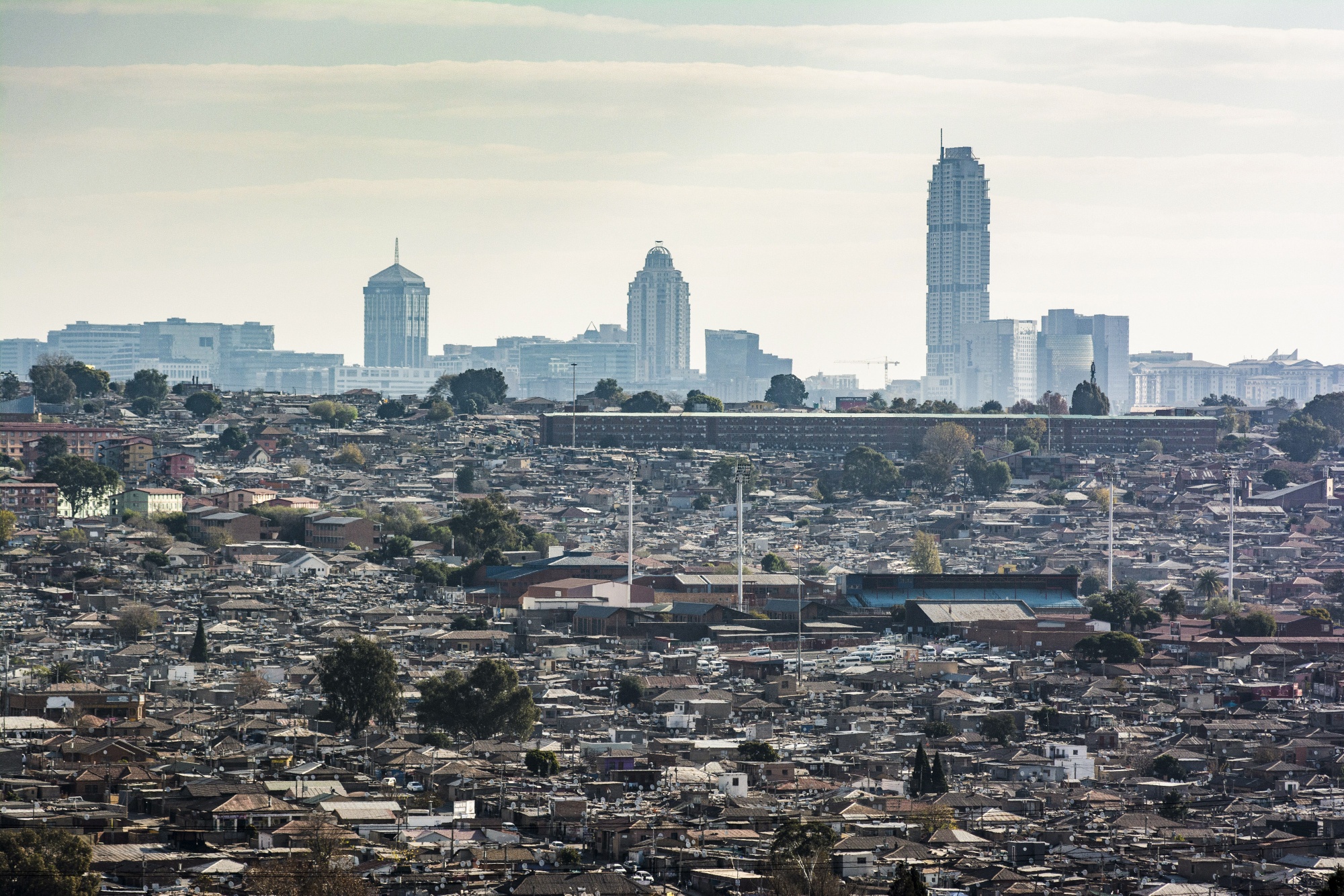
Office buildings stand on the skyline beyond Alexandra township in Johannesburg, South Africa. 

Photographer: Waldo Swiegers/Bloomberg

Click here to follow Bloomberg Politics on Twitter, and tell us how we're doing or what we're missing at balancepower@bloomberg.net.

Global Headlines

Surprise mediator | Iraq has become a secret broker between Iran and Gulf Arab oil producers including Saudi Arabia, a shift for a country known more as a victim of regional conflict than a conduit to defuse it. Iraqi Prime Minister Mustafa Al-Kadhimi, a former intelligence chief, has been able to build up trust on both sides, sources say.

Open source shots | The U.S. will support a proposal to waive intellectual-property protections for Covid-19 vaccines, joining an effort to boost access to the life-saving shots as the gap between rich and poor nations widens. Still, negotiations at the World Trade Organization will take time and "will not be easy," U.S. Trade Representative Katherine Tai said in an interview.

  • President Joe Biden is running out of Americans willing to get immunized, dragging out his bid to vanquish the pandemic and forcing him to refocus strategy.

Gunboat diplomacy | The U.K. has sent two naval patrol ships to the British isle of Jersey ahead of a potential blockade by French fishermen, as a dispute with France over post-Brexit fishing rights deepened. Paris has dispatched its own naval vessel, after threatening to cut off electricity supplies to Jersey in protest at a lack of licenses for its fishermen to operate.

  • Millions of Britons are voting in local and regional elections today that may shape the future of the U.K.

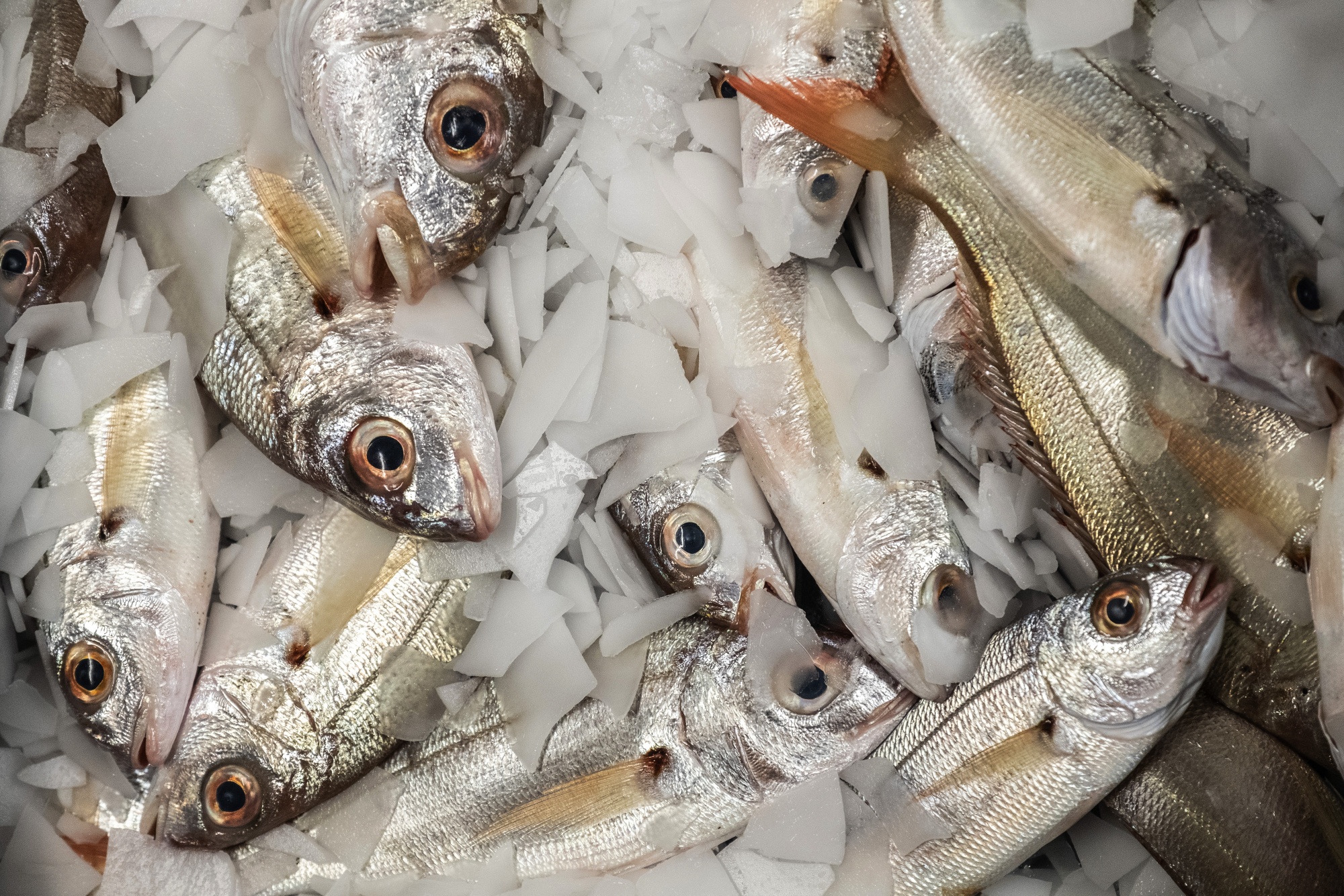
Freshly caught bream on ice ahead of auction in Sete, France, in December. 

Photographer: Balint Porneczi/Bloomberg

Trade tensions | China is taking the largely symbolic step of suspending some ministerial talks with Australia as the two impose tit-for-tat economic actions. Beijing will halt the China-Australia Strategic Economic Dialogue, which hasn't convened since September 2017, after Australia canceled agreements between China's Belt and Road Initiative and Victoria state.

  • The fate of troubled Chinese conglomerate Huarong Asset Management may lie with a man who believes in letting more state-owned firms default: Vice Premier Liu He.
  • Adidas and Nike sales plunged on China's largest business-to-consumer e-commerce platform in April after customers called for a boycott of brands avoiding raw material from Xinjiang.

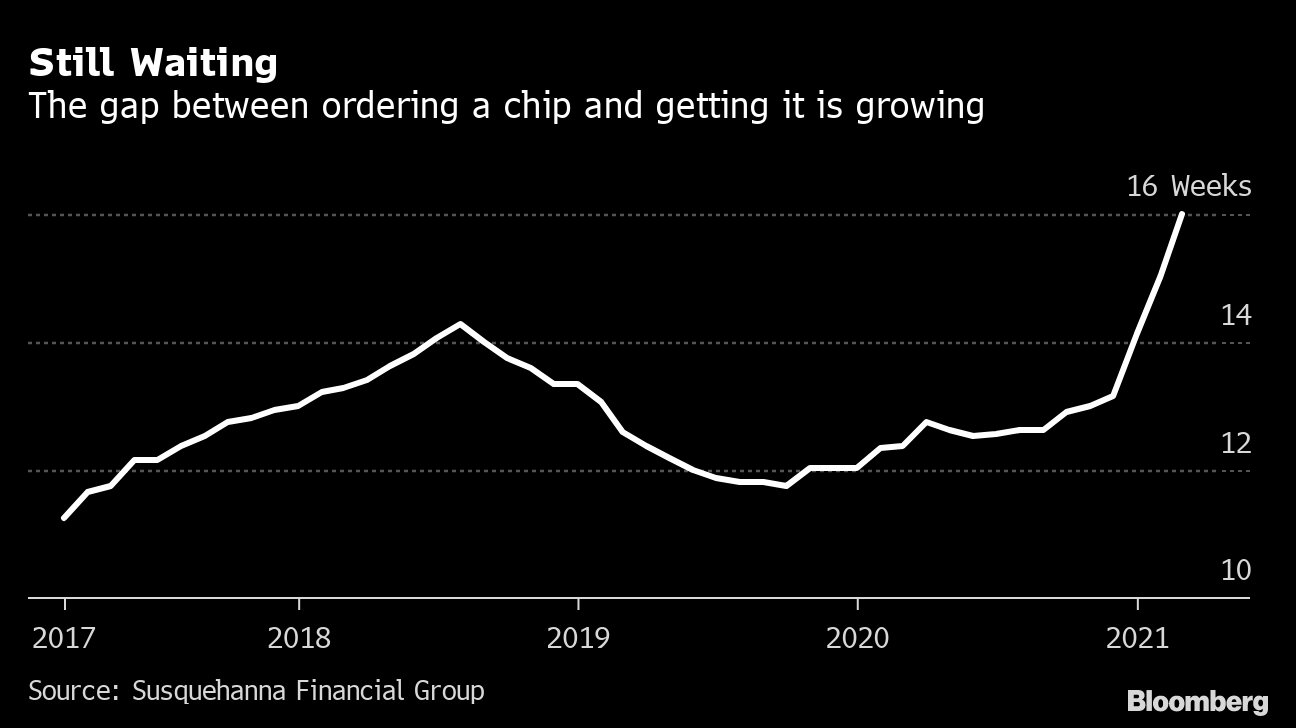
Chip crisis | A global shortage of semiconductors is a test for the century-old auto industry just as it tries to shift to smarter, electric vehicles. Carmakers are having to get creative as a result, leaving out high-end features such as navigation systems and "intelligent" mirrors to save on chips.

  • This graphic explains why it's so hard to make more chips to fill the gap.

What to Watch

  • U.S. Secretary of State Antony Blinken sought to assure Ukrainian officials of the Biden administration's support for the country's territorial integrity and efforts to foster a stronger democracy during a visit to Kyiv today.

  • Pakistan Prime Minister Imran Khan starts a three-day visit to Saudi Arabia tomorrow.

  • Former IMF official Simon Cueva will become Ecuador's next finance minister, President-elect Guillermo Lasso said in an interview with newspaper El Comercio.

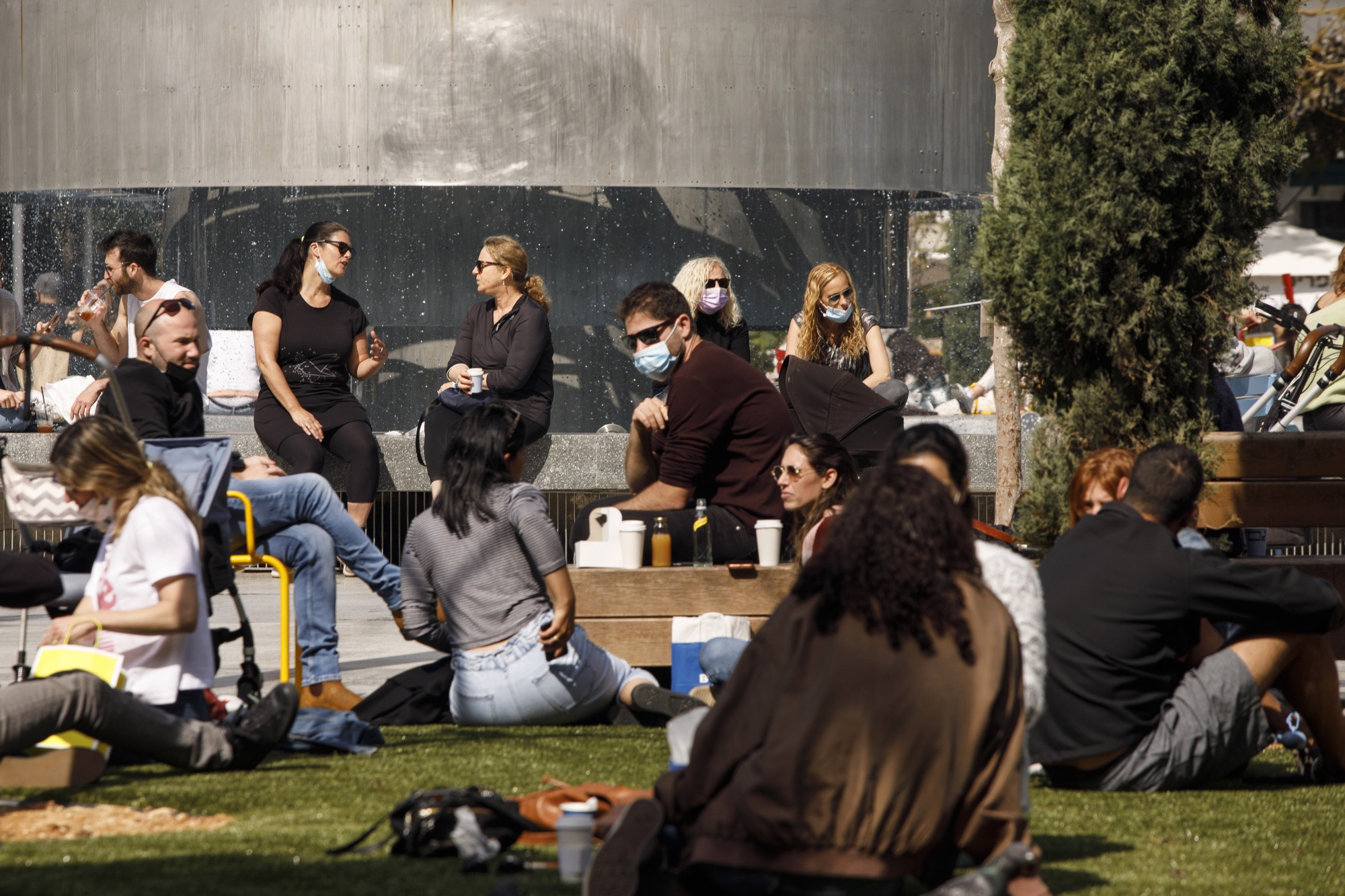
And finally ... Two months after Israel reopened its economy, Tel Aviv is moving on from the work-from-home era, Yaacov Benmeleh writes. The country's lightning-fast vaccine program gave it a head start in planning for life after coronavirus, and early signs are the end of lockdown has flicked the switch on office life. Tel Aviv offers a glimpse for other economic hubs of the shape of post-pandemic work, though even here many companies have yet to settle on a definitive balance between home and office working.

People relax on Dizengoff Square in Tel Aviv on March 5.

Photographer: Kobi Wolf/Bloomberg


Like Balance of Power? Get unlimited access to Bloomberg.com, where you'll find trusted, data-based journalism in 120 countries around the world and expert analysis from exclusive daily newsletters.


No comments