| With the annual proxy season about to kick off, corporate executives are encountering increasing investor scrutiny about their environmental policies. But rather than support green initiatives or even compromise with shareholders, some of the world's biggest companies instead plan to crush efforts to slow the climate catastrophe. Shareholders will be voting on at least 20 separate resolutions that are calling for more transparent climate disclosures at companies ranging from oil giant Chevron Corp. to rail freight operator Union Pacific Corp. to cable-television operator Charter Communications Inc. "Almost universally, the quality of corporate reporting needs to improve to show how climate change is impacting a company's bottom line, not only now but in the future," said Jonathan Bailey, head of ESG investing at Neuberger Berman Group LLC, adding that his firm has held discussions about environmental risks with fossil fuel behemoths including Chevron and Exxon Mobil Corp. The increase in investor activism is emerging at the same time President Joe Biden's administration is considering a pledge to cut U.S. greenhouse-gas emissions by 50% or more by the end of the decade relative to 2005, almost doubling the previous commitment. At the Securities and Exchange Commission, the first-ever senior policy adviser for climate and ESG was just appointed, putting both issues atop the agency's priorities, according to analysts at UBS Group AG. 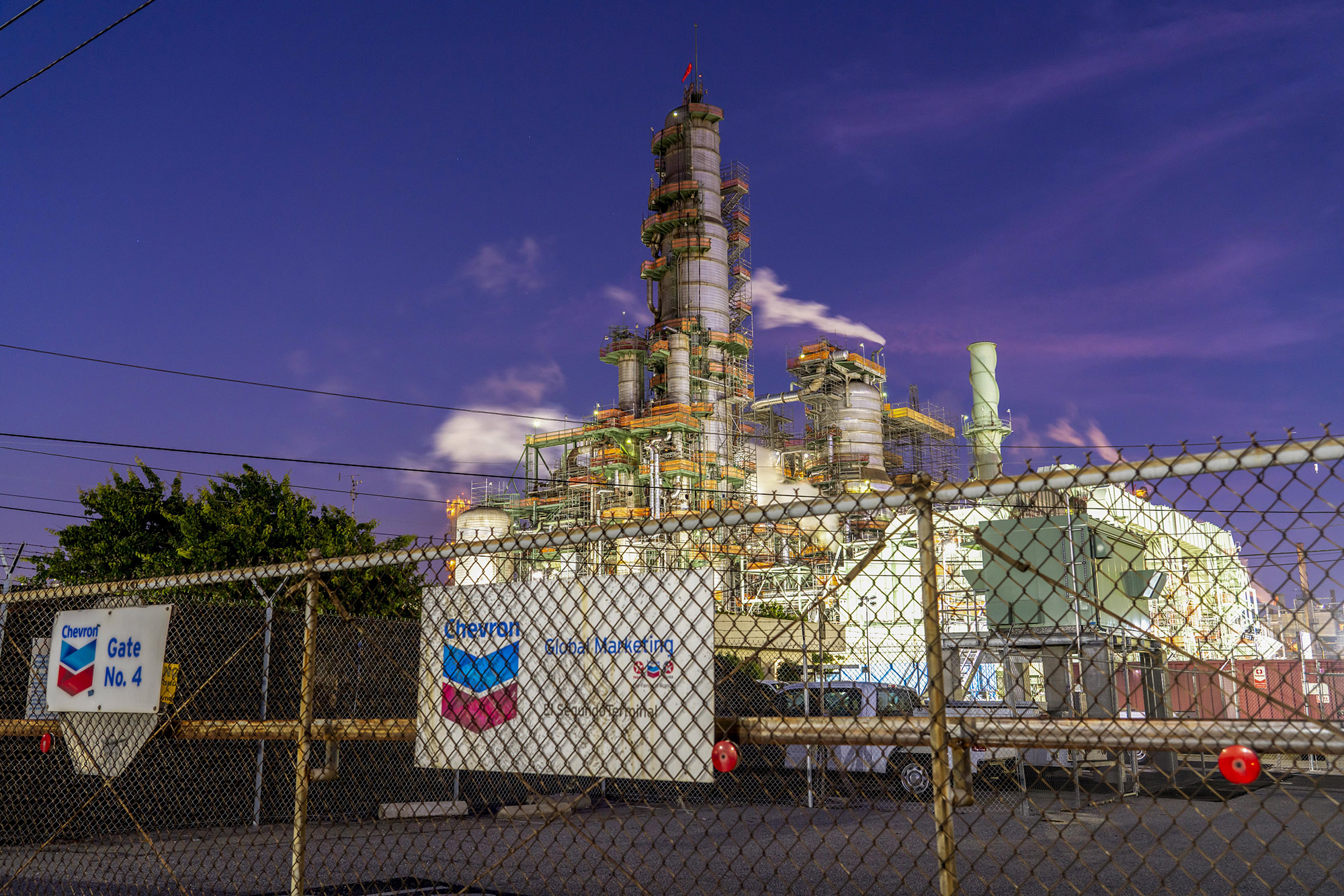 The Chevron Corp. El Segundo Refinery in California Photographer: Bloomberg But back in the C-suite, the lateness of the hour when it comes to accelerating global warming and its consequences for humanity may have yet to resonate. Last week, Chevron said in its proxy statement that it will face three climate-related votes, including a call to reduce its Scope 3, or customer emissions, and one about disclosing more information about its lobbying efforts. The oil company told investors to vote no on all of them. The Children's Investment Fund Foundation, which started the "Say on Climate" campaign last year, has been influential in helping push for many of these resolutions, said Rob Du Boff, an ESG analyst at Bloomberg Intelligence. CIFF wants companies to establish concrete five- to 10-year business strategies to reduce their greenhouse-gas emissions. The transition plans must be transparent, with annual reporting on performance. Executive remuneration needs to be tied to the success of those initiatives, said Michael Hugman, CIFF's director of climate finance. "For real change to happen, we need to see active engagement from both the biggest asset managers and retail investors to press companies to raise their climate ambitions," Hugman said. 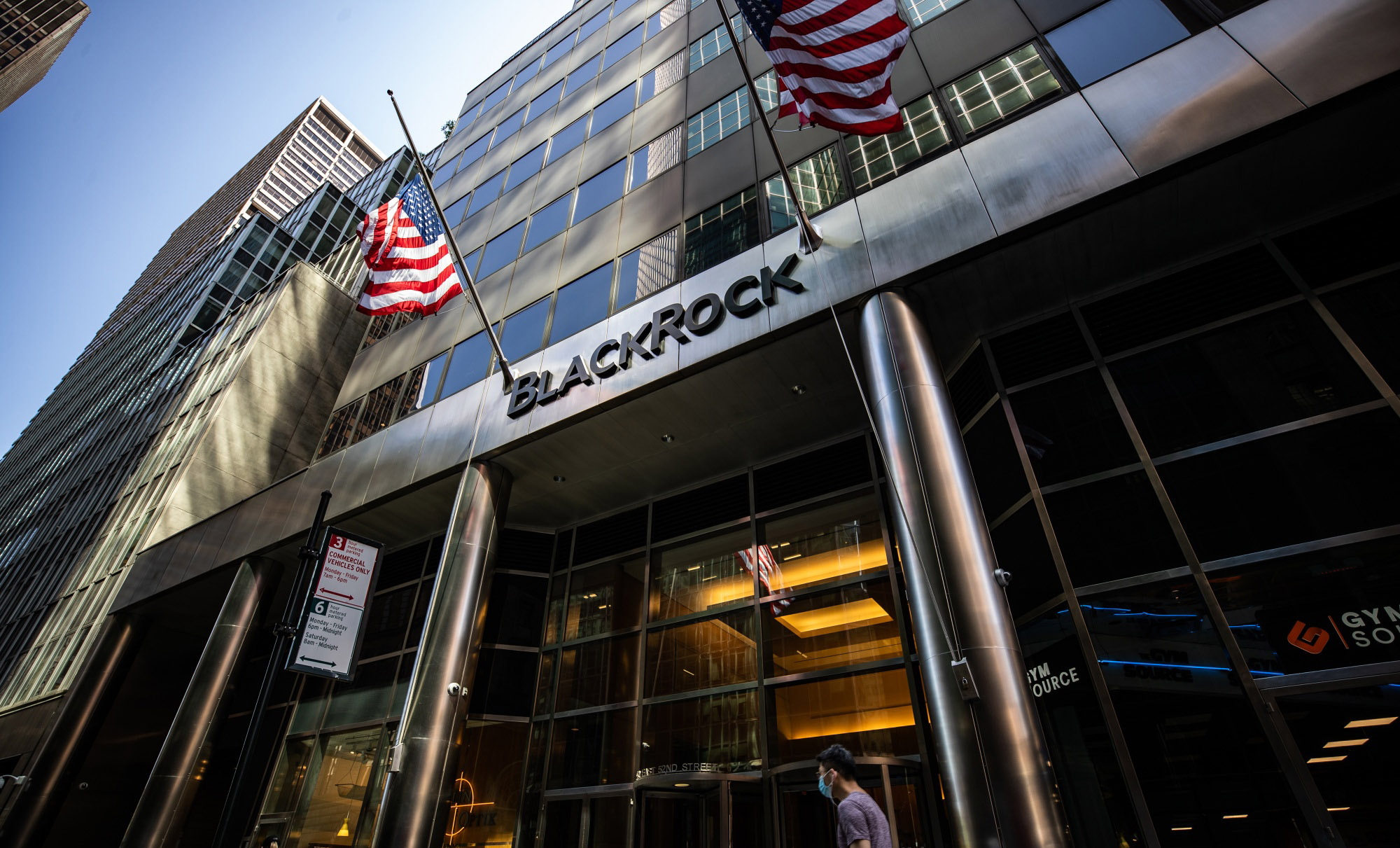 BlackRock headquarters in New York Photographer: Jeenah Moon/Bloomberg That hasn't been the case. As recently as 2019, Hugman said the three largest fund companies—BlackRock Inc., Vanguard Group and State Street Global Advisors—voted with management on 82% of U.S.-based shareholder resolutions. Individual investors, who control 26% of the average U.S. company, only cast 32% of their proxy votes, he said. Shareholders are so far missing their chance "to encourage companies to improve," Hugman said. The largest asset managers need to get more vocal about everything from the election of directors to calls for companies to disclose and reduce their emissions, he said. CIFF was founded by billionaire hedge fund manager Chris Hohn, who has filed climate-related shareholder resolutions with companies including Union Pacific and Charter Communications. The SEC rejected Union Pacific's attempt to exclude Hohn's resolution. His proposal calls for the company to disclose its greenhouse-gas emissions and then provide shareholders with the chance, at each annual meeting, to express their non-binding approval or disapproval of the company's emissions-reduction plan. Charter Communications also wants shareholders to vote against Hohn's resolution, which is similar to what's filed with Union Pacific. In an SEC filing, Charter said (among other things) that the board "doesn't believe" that holding an annual stockholder vote on the company's greenhouse-gas emissions is "an effective use of time and resources." Sustainable finance in brief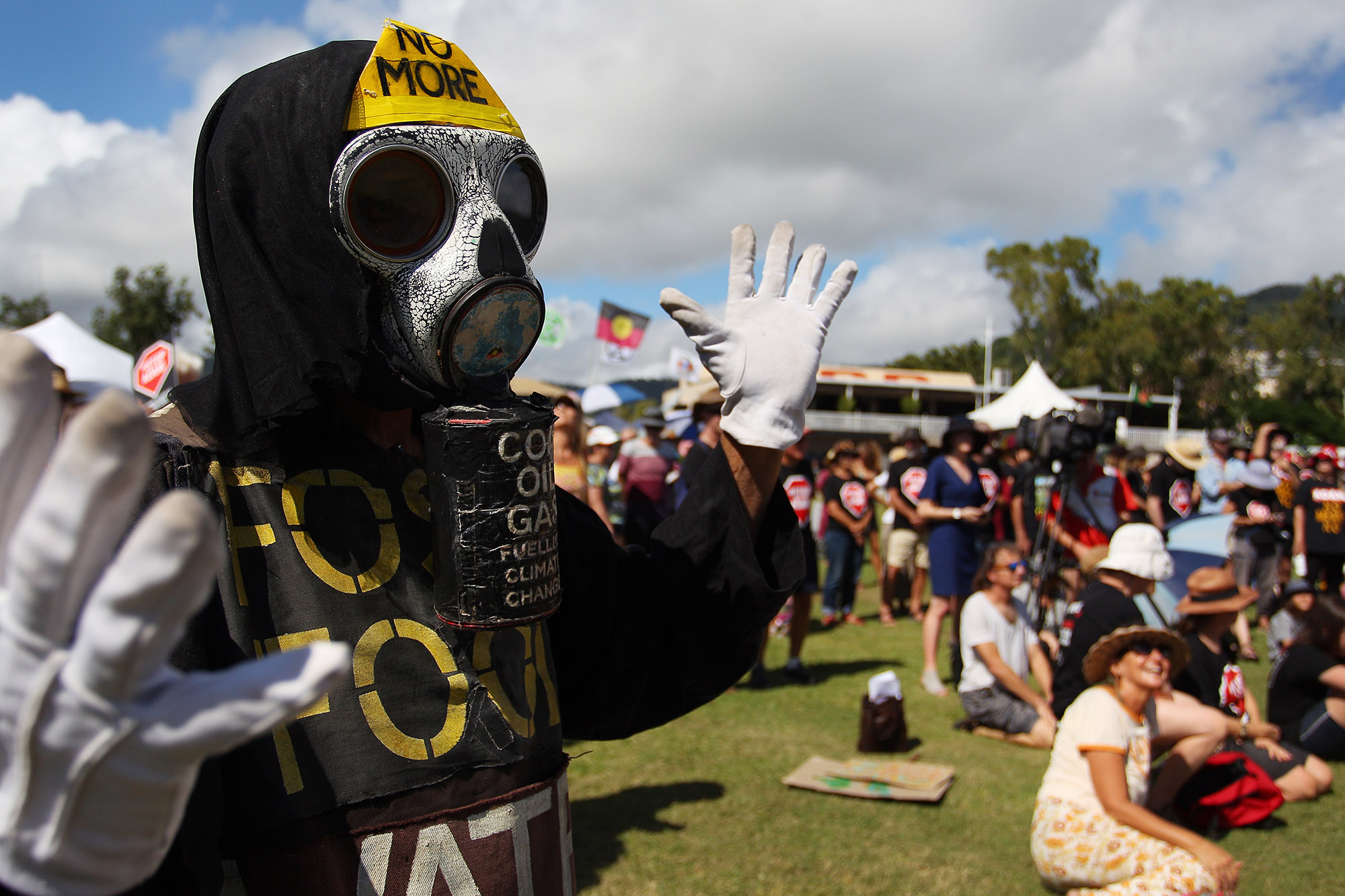 Protesters gather in April 2019 at a rally in Airlie Beach, Australia, opposing the Adani Carmichael coal mine. Photographer: Lisa Maree Williams/Getty Images AsiaPac Bloomberg Green publishes the Good Business newsletter every Wednesday, providing unique insights on climate-conscious investing and the frontiers of sustainability. Like getting the Green Daily newsletter? Subscribe to Bloomberg.com for unlimited access to breaking news on climate and energy, data-driven reporting and graphics, Bloomberg Green magazine and more. Bloomberg Green Summit: Join Bloomberg on April 26 and April 27 to hear from former U.S. Vice President Al Gore, climatologist Dr. Michael E. Mann and the CEOs of Dow and Ariel Investments as they discuss their commitment to a net-zero economy, how to rebuild after the pandemic and what they're doing to inspire and enact lasting change. Register here. Something new we think you'd like: We've launched a newsletter about the future of cars, written by Bloomberg reporters around the world. Be one of the first to sign up to get Hyperdrive in your inbox. | 



Post a Comment