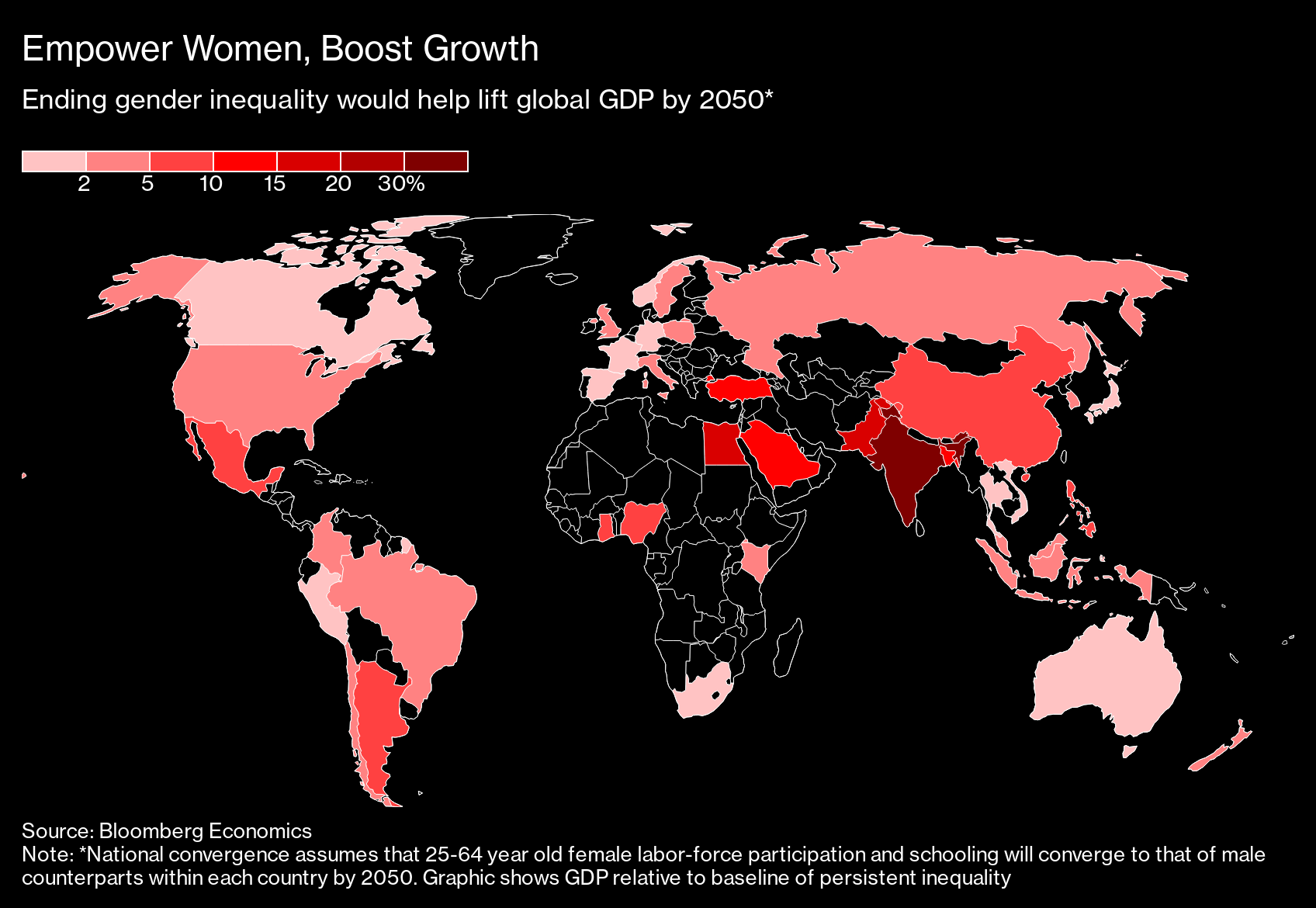
| Sailing through | Biden's $1.9 trillion pandemic relief package will easily pass in the House tomorrow despite changes in the Senate that scaled back proposals championed by progressives, Democratic lawmakers say. With Biden on the brink of his first legislative victory less than two months after proposing his bill, economists predict a stronger recovery this year. - Biden will formally create a gender policy council in the White House as part of executive orders he intends to sign today to mark International Women's Day.
 Afghan exit | The U.S. is considering a total troop pullout from Afghanistan by May 1 and is leaning on President Ashraf Ghani to accelerate peace talks with the Taliban. As Nick Wadhams reports, Washington will also ask the UN to convene a meeting of foreign ministers from countries including Russia and China to support a "unified approach" to securing peace. Cybersecurity crisis | A attack on Microsoft's business email software that the company blamed on a Chinese government-backed hacking group has claimed at least 60,000 victims globally, a U.S. official said. In the wake of the recent SolarWinds breaches by suspected Russian hackers, Washington is preparing to retaliate against foreign intrusions in the coming weeks, the New York Times reported, citing unidentified officials. Taiwan warning | Chinese Foreign Minister Wang Yi told the U.S. to stop "crossing lines and playing with fire" on Taiwan, the latest warning to Biden against meddling in Beijing's affairs. He said at a briefing yesterday that there's "no room for compromise or concessions" in China's claim to sovereignty over the democratically ruled territory. - Hong Kong Chief Executive Carrie Lam said she is unsure if legislative elections will be delayed again, as Chinese lawmakers work behind closed doors to curb opposition candidates' influence over future votes.
Repairing ties | Turkey is sending its strongest sign yet that it's ready to mend relations with Arab countries strained by Ankara's support for Islamist-rooted governments. In an interview, President Recep Tayyip Erdogan's spokesman signaled a shift in tone that has also emerged from the United Arab Emirates and Saudi Arabia and coincides with foreign-policy reboots in both the Gulf and Washington. - American demands that Turkey scrap a Russian air-defense system could boomerang, according to the spokesman, Ibrahim Kalin, who said Washington needs to understand Turkey's security interests.
What to Watch This Week -
Myanmar protesters marched today in some of the biggest cities as part of another strike to pressure the military to relinquish power after a Feb. 1 coup. -
Italian Prime Minister Mario Draghi's government is considering tightening virus curbs, including making the entire country a high-risk "red" zone during weekends. -
Russian President Vladimir Putin speaks to Erdogan by video link on Wednesday at a groundbreaking for a Russian-built nuclear plant. -
Anti-government activists in Senegal announced three days of nationwide protests starting today after the arrest of the main opposition leader triggered the most violent demonstrations in years. Thanks to all who responded to Friday's quiz question, a difficult one that only a few people managed to answer. Congratulations to Bill Peterson, who was the first to name the U.K. as the country that announced a plan to increase taxes to the highest level in more than 50 years. And finally ... Mexican President Andres Manuel Lopez Obrador's vast reforestation program pays farmers to plant trees for fruit or timber on small plots of land to create an industry in deprived rural areas. But as Max De Haldevang found on a trip to the southeast states of Yucatan and Campeche, the project known as Sowing Life is linked to widespread destruction because it incentivizes farmers to clear tracts of jungle in preparation for planting. 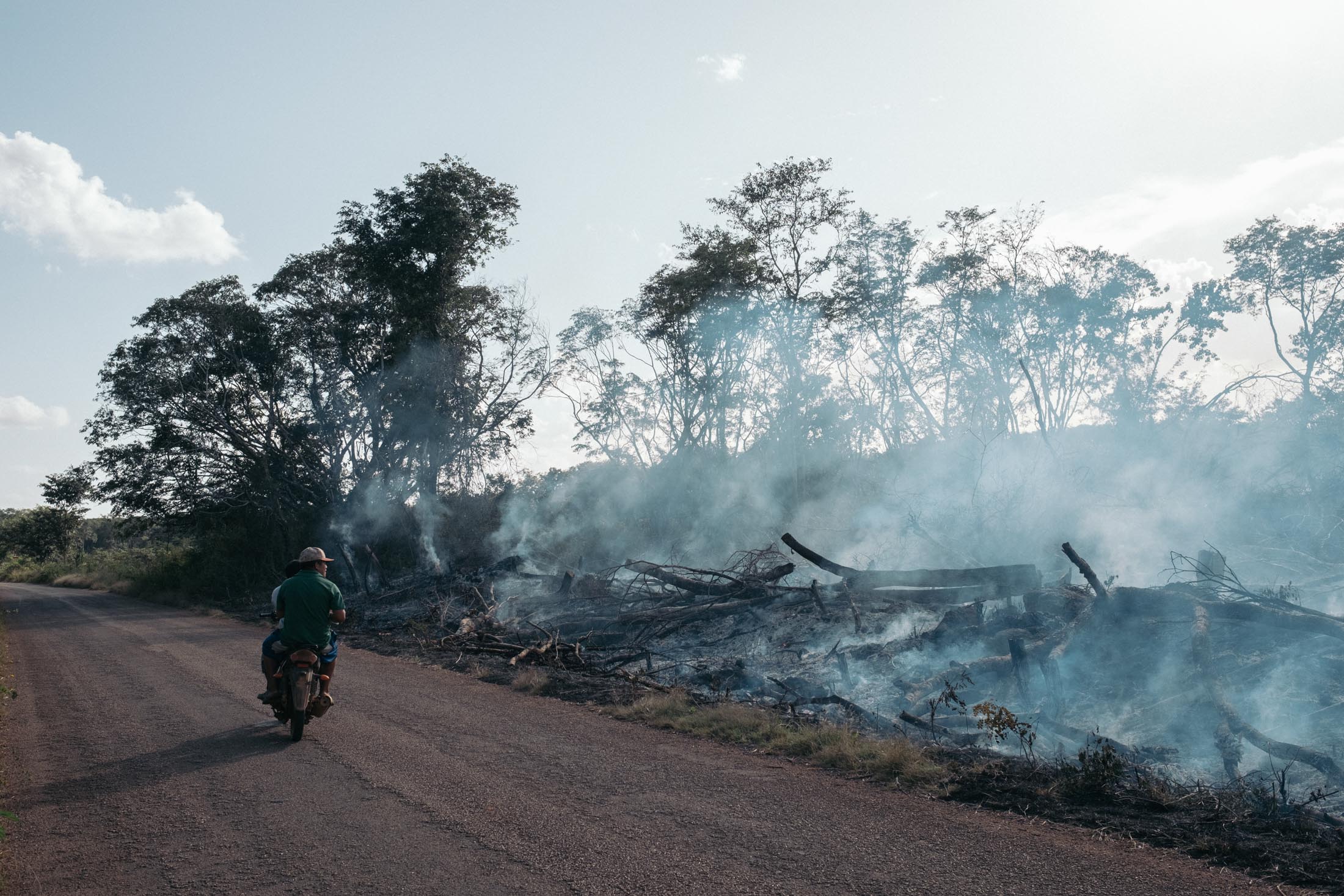 A motorcyclist drives through an intentional forest fire in the jungle in Oxkutzcab, Yucatan State, Mexico, on Feb. 18. Photographer: Jeoffrey Guillemard/Bloomberg Green | 





Post a Comment