| After the horrific events of Sept. 11, 2001, and the widespread realization that the U.S. was subject to the same terrorist dangers as the rest of the world, there was a moment when "everything changed." America saw itself as a nation under siege, and partisan disagreements seemed petty. Now the country is gripped by a crisis that's already resulted in far more deaths and at least as much economic damage, with more than 231,000 dead of Covid-19 and a societal cost of some $16 trillion, by one estimate. Yet the response to the coronavirus with measures such as social distancing seems irreparably politically divided. U.S. and Swedish researchers reported Monday in the journal Nature Human Behaviour that people in counties that had voted for President Trump in 2016 were less likely to practice social distancing during the pandemic than those in counties that went for Hillary Clinton. They determined individuals' level of activity using mobile phone data from March 9 to May 29 of this year. 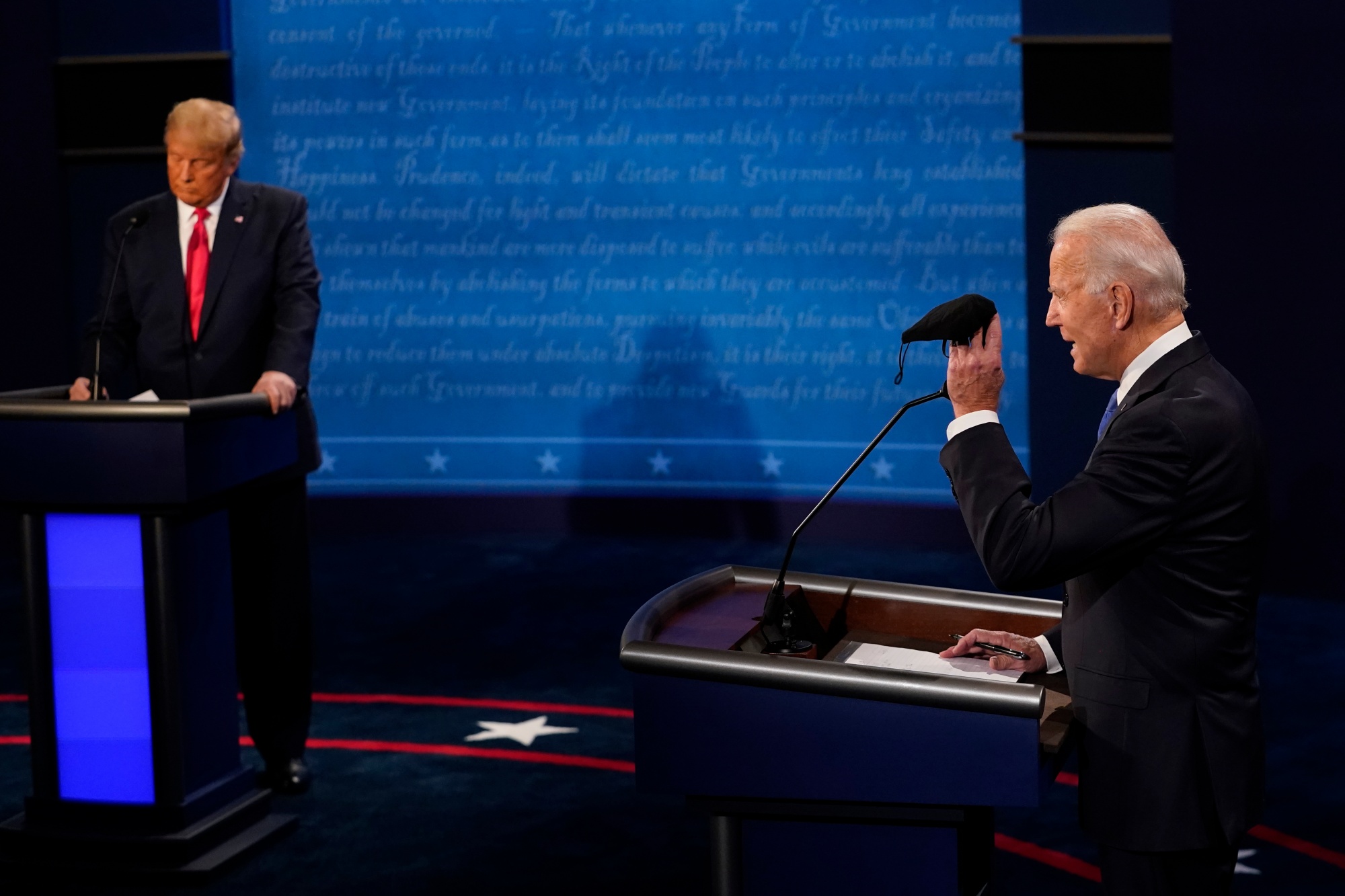 New research suggests social behavior around the pandemic may be linked to political beliefs. Photographer: Morry Gash/AP To ensure that other factors weren't at work, the researchers examined the impact of income, population density, race and age. While those weren't strong determinants of response, consumption of conservative Fox News, at the county level, was also related to reduced social distancing. Trump-voting counties reduced their general movement and cut their use of non-essential services less than Clinton-voting counties, according to the study. And that partisan divide may have had consequences: Infection growth rates were higher in the Trump-supporting counties from late March to late May than in those that had backed Clinton. Covid deaths would have risen more slowly in the Trump-leaning counties had they followed social-distancing measures, the researchers found. These comparisons would have been much harder to make if the U.S. had a consistent, nationwide policy for coronavirus response. The checkered U.S. approach, colored in by governors who either follow or oppose Trump's belittling of the viral threat, has split the country on social distancing, mask-wearing, vaccines, school closings and almost every dimension of the response imaginable. Another president once famously said that a house divided against itself cannot stand. After this election, someone will have to unite the U.S. against the coronavirus, or it will continue to exploit the divisions for years to come.—John Lauerman | 


Post a Comment