Cooling tensions | Even as China continues to return fire at the U.S., leaders in Beijing are signaling they want to ease tensions as the clock ticks down to the November election. President Donald Trump's moves to ban popular Chinese apps TikTok and WeChat ahead of sending the highest-ranking American official to Taiwan in 40 years drew a relatively muted response from China's Foreign Ministry and top diplomats. Still, that calculus could change rapidly if Trump continues his assault. Isolation mode | Two years after Trump quit the multinational nuclear deal with Iran, his administration is risking a crisis at the United Nations by threatening to reimpose international sanctions eased under that accord. It's a move that could push allies such as Germany and France to side with Russia and China in the UN Security Council, leaving the U.S. isolated. The conflict may begin with a vote in the council as soon as today. Red line | U.S. Senate Republican leader Mitch McConnell's insistence that legal liability protections for businesses, schools and colleges be included in any new coronavirus relief bill is approaching a moment of reckoning. McConnell's view doesn't appear to be shared by Trump, raising the possibility that it could emerge as bargaining chip once negotiations resume between the White House and Democrats, who've called the protections a deal-breaker. 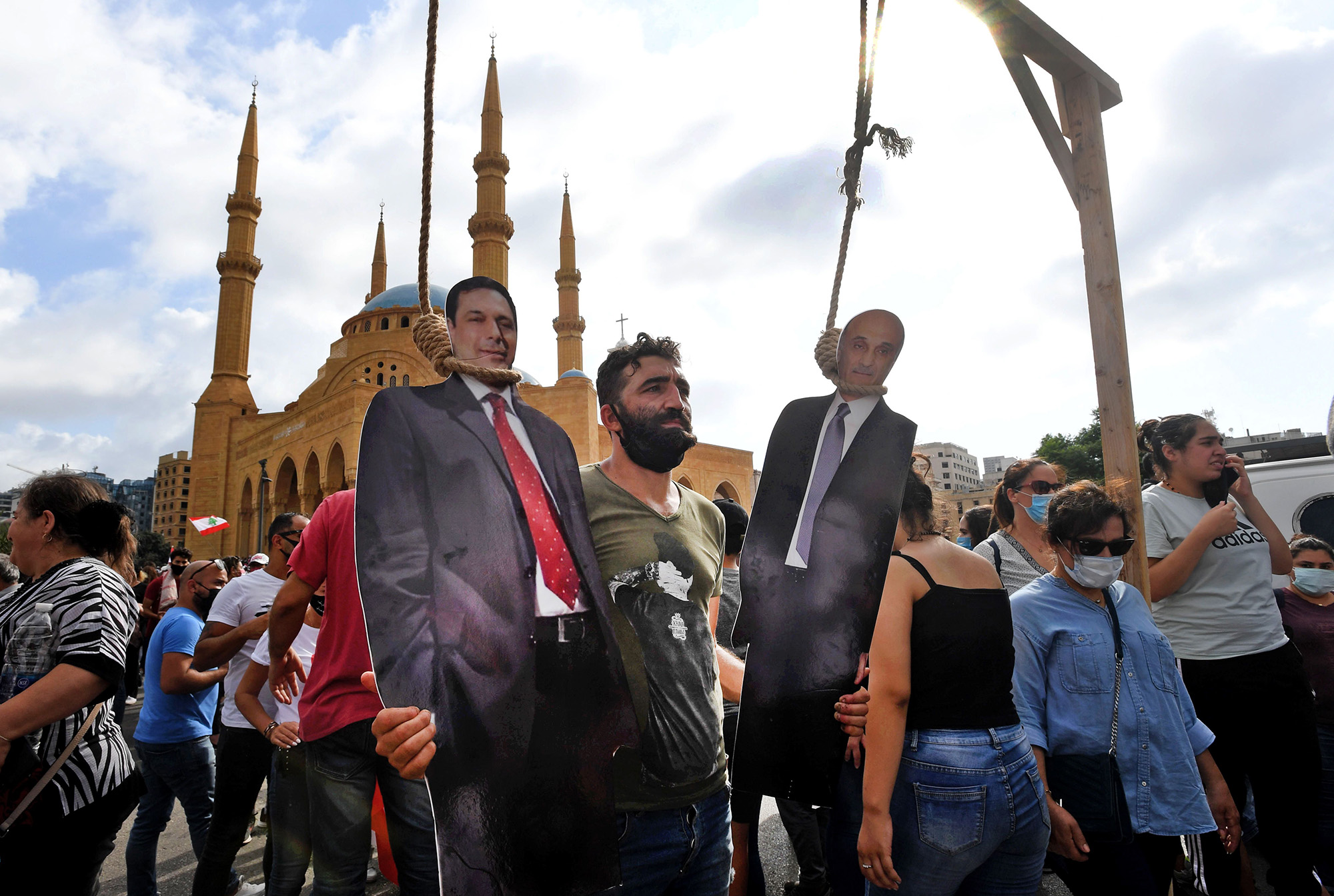 Protesters in Beirut on Aug. 8 hang cardboard cut-outs of Lebanese Prime Minister Hassan Diab, left, and Samir Geagea, leader of the Lebanese Forces party. Source: AFP via Getty Images Diab confirmed the resignation of his government as an outraged public demanded accountability for last week's explosion at Beirut's port, the biggest peacetime catastrophe in the nation's history. French key | With a French election less than two years away, President Emmanuel Macron may hold the key to whether the U.K. and EU will get a post-Brexit trade deal. Ian Wishart reports how, with his ratings flagging in an economy hit hard by the coronavirus, Macron could scupper an agreement at the last minute if he thinks there's more votes to be had in standing up to the British. Another round of talks starts next week. - British and French officials will hold talks today aimed at agreeing a joint plan to tackle the rising number of migrants attempting the perilous journey across the English Channel to the U.K.
Changing tack | Facing global demands to stop widespread deforestation and do more to protect the environment, Brazil is now asking foreign investors to help preserve its conservation areas. While President Jair Bolsonaro has bristled at criticism of his government's approach toward the Amazon, Infrastructure Minister Tarcisio de Freitas told Martha Beck and Simone Iglesias that projects there will now have environmental seals from the start so they can be financed with the sale of green bonds. What to Watch- Putin said Russia has registered its first Covid-19 vaccine, calling it an effective protection against the pathogen, and disclosed one of his own daughters had already received it.
- Pompeo starts a tour of central Europe today, where he'll visit the Czech Republic, Slovenia, Austria and Poland to discuss China, 5G networks and the withdrawal of U.S. troops from Germany.
Democratic presidential nominee Joe Biden is closing in on an announcement of a running mate as early as midweek, having completed interviewing all the top candidates. The political chaos roiling Bolivia has turned violent as supporters and opponents of ousted socialist leader Evo Morales clashed in the worst unrest since November.
And finally ... Protesters are intensifying pressure on Thailand's military-backed government with calls for more democracy and less power for the monarchy, a potentially explosive demand as leaders grapple with the country's worst-ever economic crisis. As Randy Thanthong-Knight reports, while Prime Minister Prayuth Chan-Ocha made some conciliatory statements, he'll face a dilemma soon on whether to crack down on criticism of an institution protected by strict laws that can lead to lengthy jail sentences. 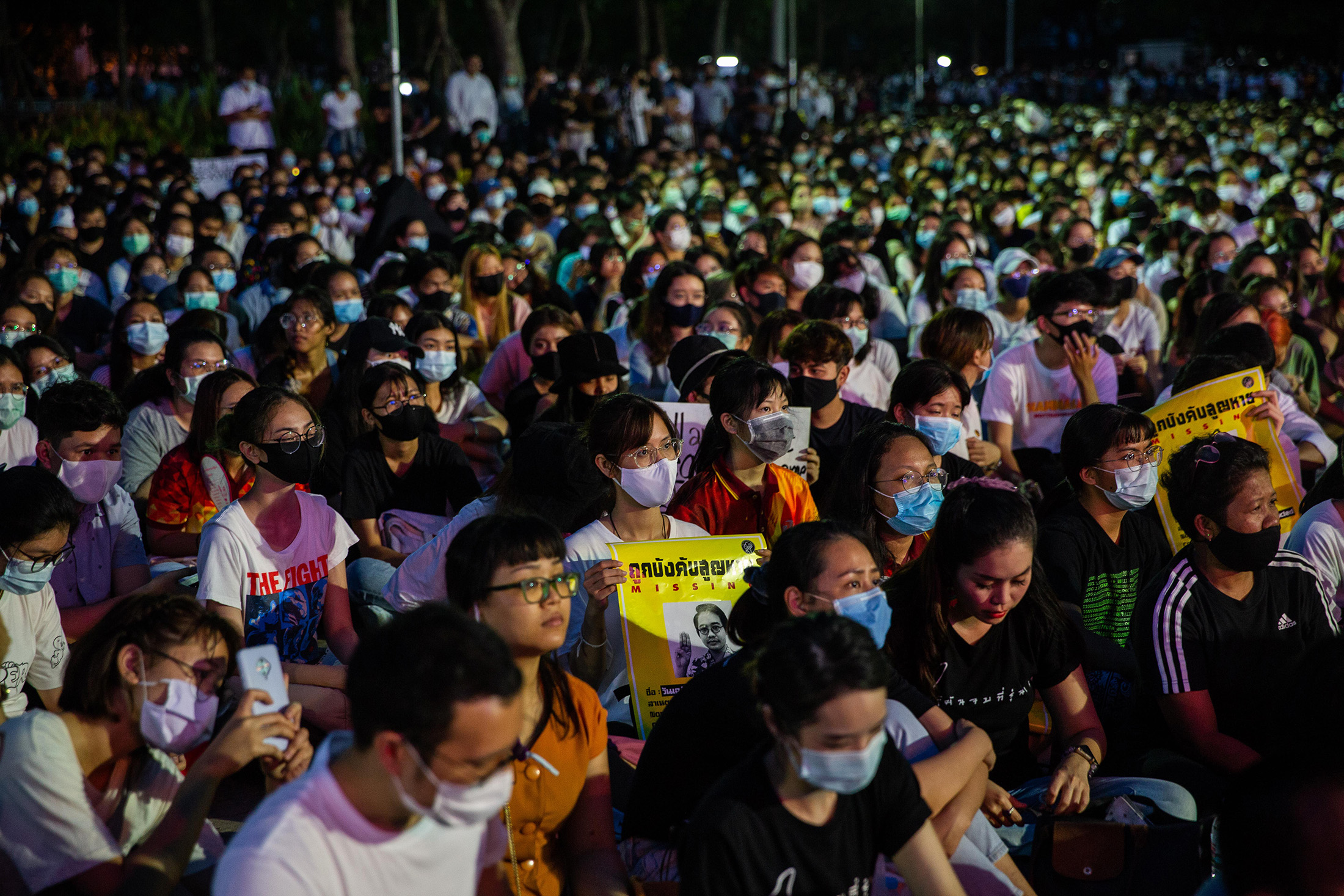 An anti-government protest yesterday at Thammasat University in Bangkok. There have been near-daily protests across the Southeast Asian nation, which have gained momentum since the arrest and release on bail of top opposition leaders. Photographer: Lauren DeCicca/Getty Images AsiaPac
| 




Post a Comment