Stimulus package looks less likely, Biden picks Harris, and inflation data due. No dealU.S. stocks turned sharply lower before the close yesterday after Senate Majority Leader Mitch McConnell said stimulus talks are at a stalemate. The comments damaged expectations among investors that a compromise would eventually be reached on a new -- desperately needed -- package. Adding to concerns over the outlook for the U.S. economy is analysis showing that executive actions announced by President Donald Trump on tax could be challenged and those on evictions could be almost completely ineffective. Biden pickDemocratic presidential nominee Joe Biden picked Senator Kamala Harris to be his running mate for November's election. Harris, a former two-time attorney general for California, dropped out of the race for the Democratic nomination in December. She will face Mike Pence in the only scheduled vice-presidential debate on Oct. 7. President Trump, who donated to Harris' campaigns in California in 2011 and 2013, called her the "meanest" and "most horrible" senator. Jeffrey Gundlach predicted Trump will win the election, saying Harris is a "little too charismatic." InflationEconomists expect the pace of price rises in the U.S. to have ticked slightly higher in July due to the recovery in energy prices. The headline number is seen at 0.7% while core inflation may ease to 1.1% when the data is published at 8:30 a.m. In an effort to adjust its stimulus measures, the Federal Reserve announced a 50 bps cut to the interest rate on its Municipal Liquidity Facility after the program only made one loan since it was announced in April. Elsewhere in economy news, this morning the U.K. reported a 20.4% plunge in gross domestic product, the largest contraction since records began in 1955. Markets riseGlobal equity markets are not showing any signs of a hangover from yesterday's drop into the close in U.S. markets. Overnight the MSCI Asia Pacific Index rose 0.2% while Japan's Topix index closed 1.23% higher. In Europe, the Stoxx 600 Index was 0.3% higher at 5:50 a.m. with banks the best performers. S&P 500 futures pointed to a bounce at the open, the 10-year Treasury yield was at 0.666% and oil gained. Coming up...After inflation numbers, commodities dominate today's economic data with crude oil inventories at 10:30 a.m. and the latest WASDE report at 12:00 p.m. The monthly OPEC oil market report is also due today. Boston Fed President Eric Rosengren, Dallas Fed President Robert Kaplan and San Francisco Fed President Mary Daly all speak later. At 1:00 p.m., the Treasury is selling $38 billion of 10-year notes before giving the July budget statement at 2:00 p.m. Cisco Systems Inc. and Lyft Inc. are among the companies reporting results. What we've been readingThis is what's caught our eye over the weekend. And finally, here's what Lorcan's interested in this morningThere are a couple of interesting things happening in the commodity space, with yesterday's plunge in gold from recent records certainly notable. However, this morning I want to talk about oil. For the past couple of months, crude has been stuck in a very tight range close to $40 a barrel. While there has probably been something of a drop in the amount of speculative interest in oil after April's shenanigans, the near death of price volatility is unusual. More importantly, the level it has found is likely to keep pressure on producers with tight margins, like the U.S. shale industry which has been devastated, or among OPEC members who have traditionally relied on high oil revenues. While the immediate cause for the slump in crude prices has obviously been the slowdown in economic activity due to the pandemic, warnings of peak-oil demand have grown louder recently. 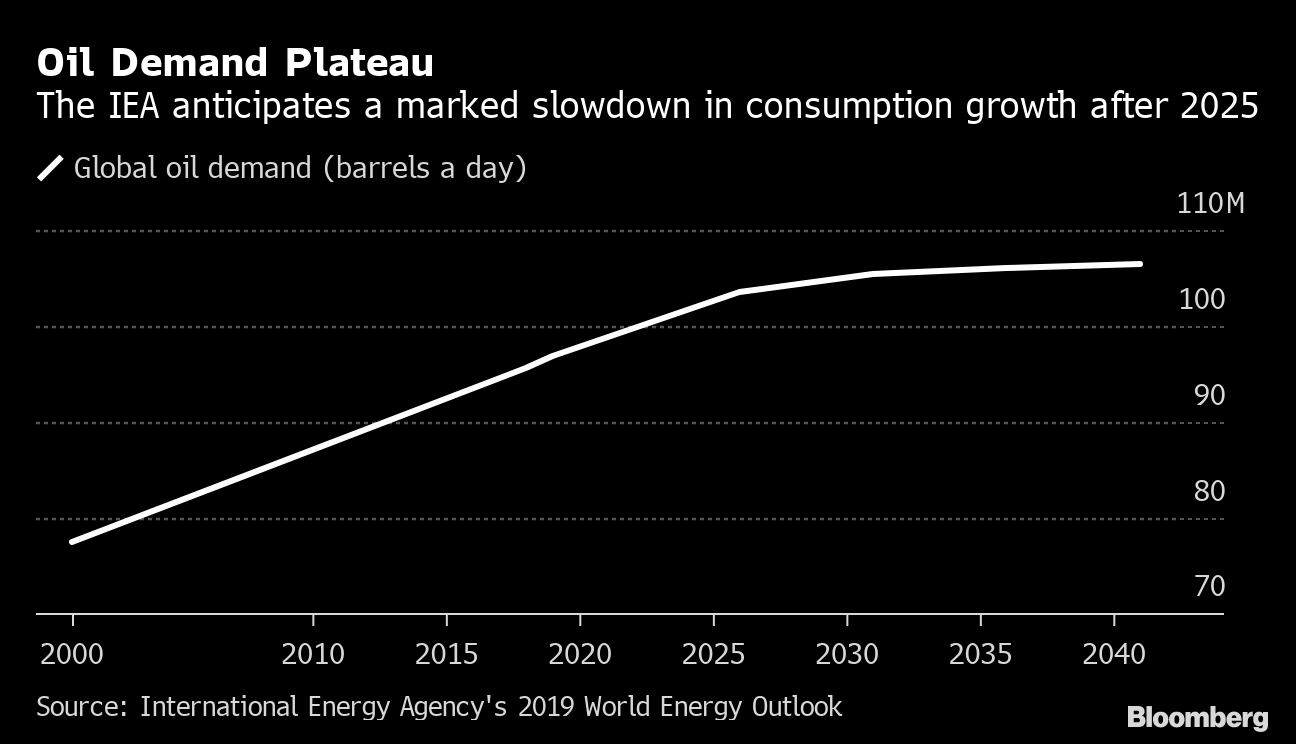 Amy Myers Jaffe, managing director of the climate policy lab at Tufts University's Fletcher School of Law and Diplomacy, points out that "the pandemic will accelerate many of the technologies and behaviors that were going to come anyway." That means the accelerating shift to green technologies may speed up further due to the global slowdown. If she is correct, then oil may already be in secular decline. I am aware that calling the end to oil has always been a mug's game, but maybe, just maybe, this time it's different. Follow Bloomberg's Lorcan Roche Kelly on Twitter at @LorcanRK Like Bloomberg's Five Things? Subscribe for unlimited access to trusted, data-based journalism in 120 countries around the world and gain expert analysis from exclusive daily newsletters, The Bloomberg Open and The Bloomberg Close. | 


Post a Comment