| This is Bloomberg Opinion Today, an extra-strength pain reliever of Bloomberg Opinion's opinions. Sign up here. Today's Agenda 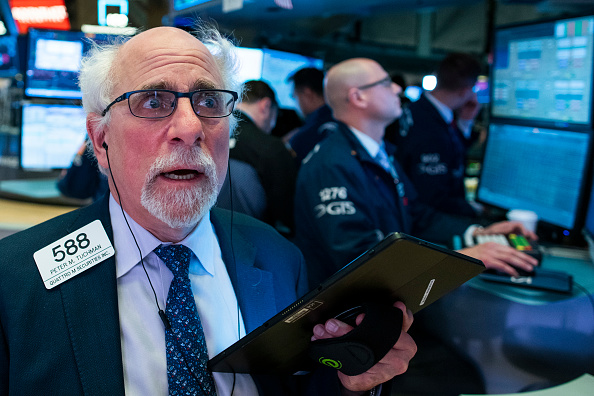 TFW everything's Photographer: Eduardo Munoz Alvarez/Getty Images North America Coronavirus Relief, But for How Long? At the height of the financial crisis, some smart journalists compared the system's pained spasms to an illness in which the patient convulsed, settled down for a bit, then was wracked again. If the coronavirus crisis follows the same pattern, then we are in the "temporary relief" phase. The stock market rallied hard today, partly on rising hopes that the grown-ups will arrive soon to make all of our boo-boos feel better with rate cuts. The trouble, as Mohamed El-Erian points out, is that cutting already-low interest rates won't stop the spread of coronavirus, according to the known laws of medical science. Some government spending might help, if it's spent on testing and care. But all will likely pale in comparison to the effect of economic activity just shutting down around the world and taking its sweet time returning. Crisis-like spasms may be the new normal for a while, Mohamed writes, until we finally get a handle on the disease. These economic effects appeared in reports today showing the biggest collapse in global manufacturing since 2009 and a dip in U.S. factory activity to just above the break-even line, notes Brooke Sutherland. Underlying details in the U.S. data suggest the pain here might just be beginning. Again, rate cuts are a suitable response, but, as Brooke notes, "the Federal Reserve and European Central Bank can't make people get on planes." Ironically, a stock rebound based on hopes of rate cuts may lead the Fed to believe it can take its sweet time delivering said cuts. As Tim Duy writes, another good market puke this week would inspire central bankers to action. Then again, maybe fresh hectoring from President Donald Trump will do the trick. Karl Smith agrees with the president, writing the Fed should cut rates yesterday and then cut them to zero at its March 17-18 meeting, while threatening all kinds of QE and other weirdness. Trump and Congress, meanwhile, must push fiscal stimulus at the same time, Karl argues. And it's not just the stock market, Donald Trump and Karl Smith; the bond market is even more emphatically crying out for a series of aggressive rate cuts, notes Brian Chappatta: 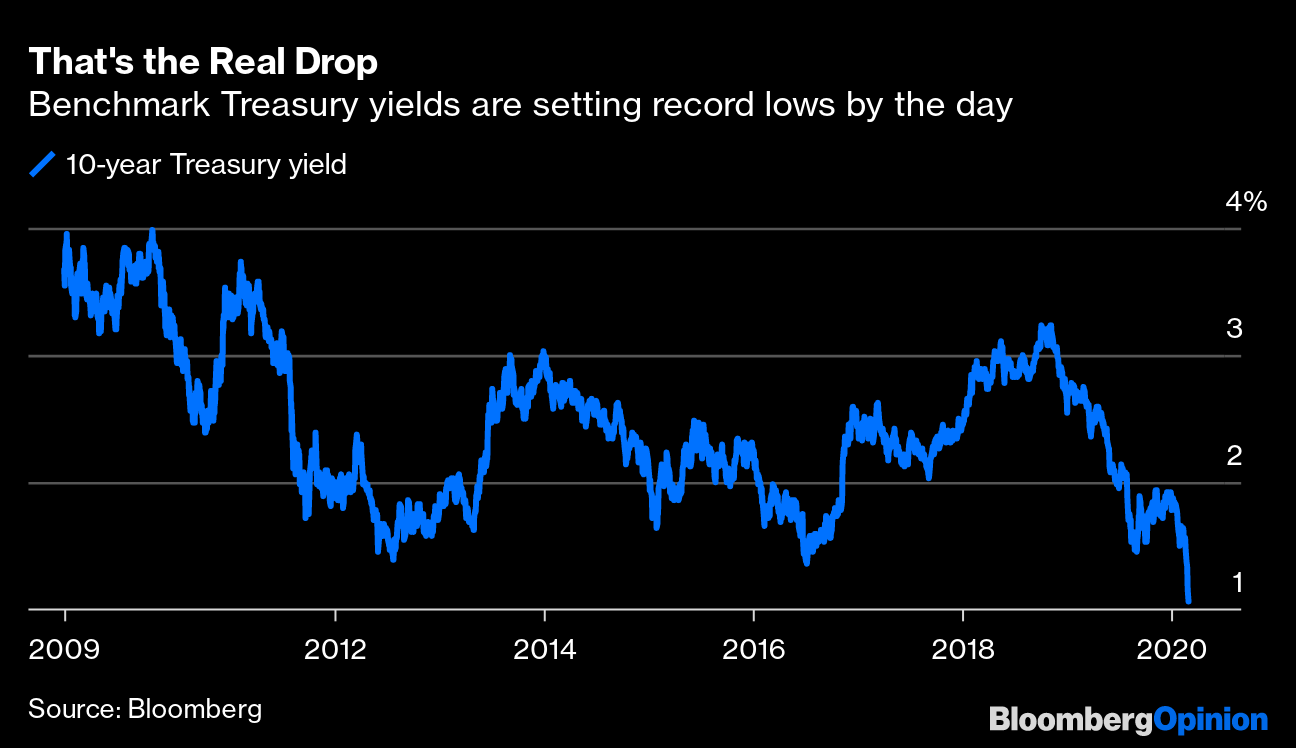 It may not be the right medicine, but sometimes when you feel awful you'll take whatever promise of relief you can get. Further Markets Reading: Coronavirus: For Your Health In Stephen King's "The Stand," a mutant flu virus kills 99% of the world's population, ending human civilization as we know it. Coronavirus will almost certainly not do that. In a few years, David Fickling writes, humanity will probably build up enough herd immunity to this strain that it will be more of a nuisance, like the common cold or Tyler Perry movies. But even a 1% death rate, while better than 99%, will still involve an unacceptable number of deaths. Fortunately, there are things you can do to protect yourself, Faye Flam writes, starting with the simplest: Just wash your hands, ya doofus. (The CDC has helpful instructions.) Prepare for supply-chain disruptions by buying fish antibiotics and other needed medicines now. Check up on elderly loved ones and neighbors. Call your doctor instead of rushing to the ER. Be prepared to work from home for long periods. Governments are still fumbling their way to their own survival strategies. Singapore has been a model for the world, with transparency and aggressive testing, writes Faye Flam in a second column. The U.S.? Not so much. The trouble is, Singapore's approach requires faith in government, which Trump has undermined by muzzling experts and helping spread nonsense. His administration is starting to do the right thing, writes Max Nisen, but much more will be needed. It's time to think about community quarantines and ramping up testing. And we should address the flaws in our health-care system that make it too expensive for people to get the care they need, even if that just involves some temporary handouts. Super Tuesday Is Suddenly a Different Race We're in the move-fast-and-break-things phase of the Democratic presidential race. Joe Biden won huge in South Carolina over the weekend, which Jonathan Bernstein chalks up to his second-place finish in Nevada a few days earlier. That result instantly made him the top alternative to Bernie Sanders for primary voters. The sense of this winnowing rapidly to a two-man race was cemented today when Pete Buttigieg and Amy Klobuchar dropped out, with promises to endorse Biden soon. Michael Bloomberg, founder and majority owner of Bloomberg LP, is still in it, as are Elizabeth Warren and Tulsi Gabbard. The question is whether they can take enough delegates from Biden and Sanders to force a contested convention. Once the fighting is over, or preferably long before then, Democrats must make it clear the future composition of the Supreme Court is on the ballot in this election, writes Noah Feldman. The high court hears many high-profile cases this week, on issues from abortion to immigration, that will clarify what's at stake. Further Election Reading: Never-Trumpers were mostly right, and must stick to their guns in a second Trump term. — James Gibney Telltale Charts OPEC may still be underestimating just how badly oil demand will suffer this year, writes Julian Lee. Without deep production cuts, $30 oil is possible. 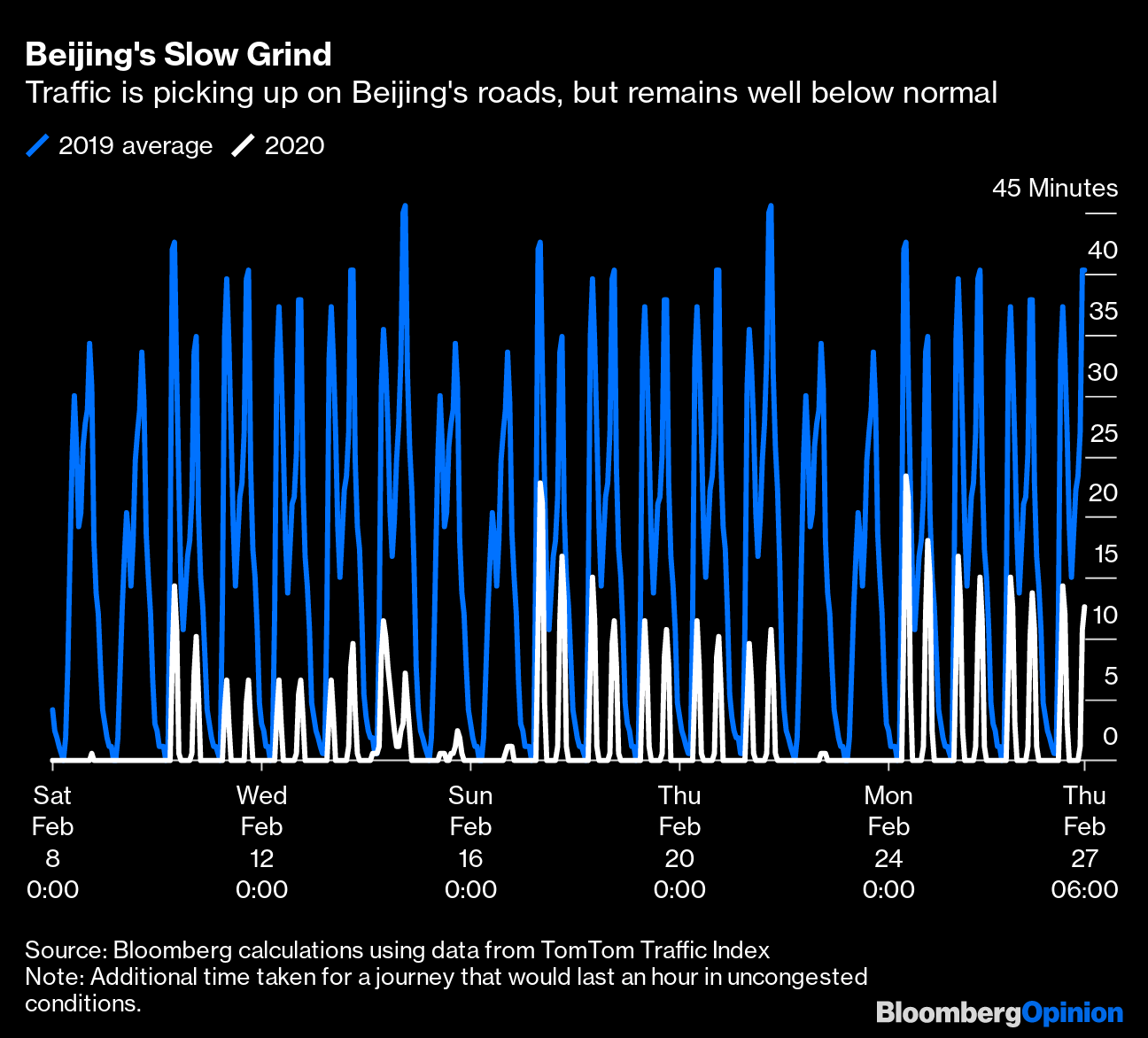 America's living standards may be higher, but for many, rising prices and inequality make it feel as if they aren't, writes Noah Smith.  Further Reading Blame Jack Welch for warping capitalism in a way that hurt not only General Electric Co. but also the whole economy. — Joe Nocera AT&T TV has stiff competition but could help AT&T Inc. simplify its mishmash of offerings. — Tara Lachapelle Singapore's moonshot to fight global-warming effects can set a global example. — Andy Mukherjee Bernie Sanders's Green New Deal ignores the rest of the world and won't solve the climate crisis. — Mihir Sharma Trump's Taliban deal risks repeating America's Vietnam mistake. — Eli Lake Tiny Thitu Island is an example of how China is grabbing South China Sea territory. — Toby Harshaw Kickers You can make food from thin air. (h/t Alexandra Ivanoff) Scientists created a synthetic organism but can't explain a third of what its genes do. (h/t Scott Kominers) Dogs' noses can detect heat. Earth may have been a water world 3 billion years ago. Note: Please send air food and complaints to Mark Gongloff at mgongloff1@bloomberg.net. Sign up here and follow us on Twitter and Facebook. | 


Post a Comment