Header Ads

It’s bleak

Climate Changed Newsletter
Bloomberg Climate Changed
FOLLOW US Facebook ShareTwitter ShareSUBSCRIBE Share with a friend
 

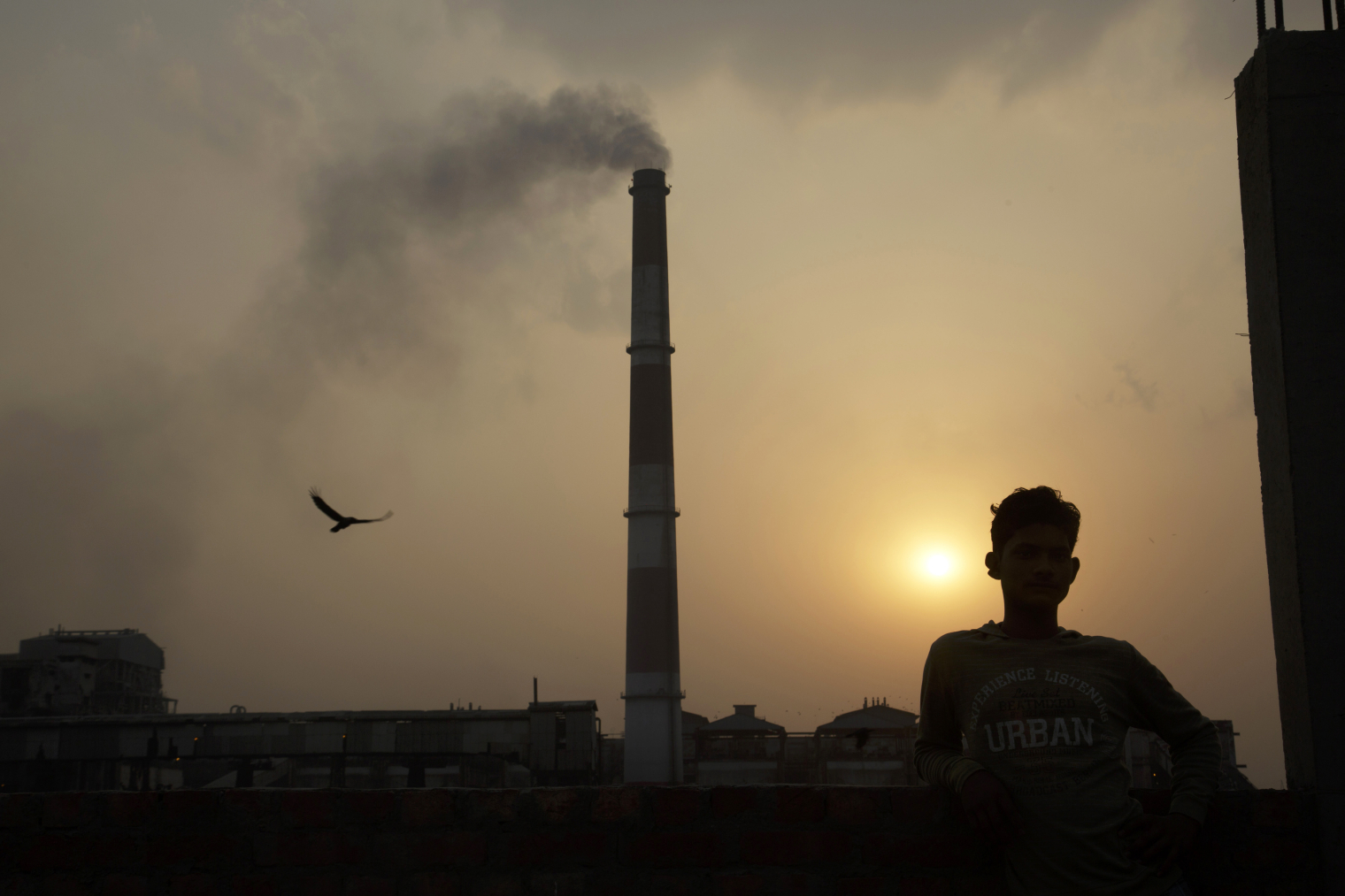
The world has refused to slash greenhouse gas emissions anywhere near the extent necessary, the United Nations said this week. As a result, the planet's pathway back to a safe climate has narrowed significantly. Nations must cut their pollution levels in half by 2030 to meet the Paris Agreement goal of limiting heating to 1.5 degrees Celsius. More broadly, changes needed over the next three decades will cost humanity at least $48 trillion. The grim UN report is part of a larger trend among recent scientific studies, both in substance and style: climate experts are resorting to increasingly blunt language to get their message out. —Josh Petri

 
"The summary findings are bleak. Countries collectively failed to stop the growth in global GHG emissions, meaning that deeper and faster cuts are now required." 

—The annual United Nations Environment Program report. The world is failing to meet its emission goals.


Top stories

Regardless of UN warnings, the world's biggest carbon emitter has made little effort to change. China environmental officials repeated previous pledges to adhere to the Paris agreement, but didn't address questions on its contradictory plan to build even more coal plants.

An agreement to make the European Union the first climate-neutral region by 2050 will likely be the biggest challenge the bloc's leaders will face at their summit next month.

California is still ablaze. The Cave Fire near Santa Barbara has ripped through about 4,100 acres, and a local utility is warning it may cut power to as many as 14,000 homes.

One of the U.K.'s biggest wind developers will combine three offshore projects into one massive development. The move could lead to the construction of a similarly massive turbine.

For all the talk of ditching fossil fuels to slow global warming, coal remains king in much of the world. The amount of electricity generated from coal jumped 7% in the developing world last year, according to BloombergNEF's annual Climatescope report. It's the biggest increase in five years.

 
What we've been reading

As recently as five years ago, sleeper cars and overnight trains were on the brink of extinction, pushed out by budget airlines. In the past few years, however, they have seen a renaissance as passengers feel increasingly guilty about the atmosphere-damaging impact of modern air travel.

In political circles, the Green New Deal has sparked heated debates. But outside the Washington, media and online echo chambers, not a lot of people know that much about it. More than 3 in 4 Americans say they have heard little or nothing about the climate crisis policy, according to a new poll.

An icebreaker packed with scientists is currently adrift in the Arctic Ocean. The team is entering the third month of a year-long mission to better understand the region's fast-warming climate. So far, the researchers have been pulling ice cores, planning the construction of an ice runway and dodging polar bears.


No comments