| No. 2 on top | October has been a challenging month for Donald Trump — but one of his vice president's best. In the span of two weeks, Mike Pence navigated a tenuous peace between Turkey and Kurdish forces and rebuked Beijing over human rights — without disrupting fragile U.S.-China trade talks. Meanwhile, damaging revelations in the House impeachment inquiry are weighing on Trump. - House Democrats in a vote tomorrow could tap Intelligence Chairman Adam Schiff to lead the next, public phase of the impeachment effort.
- Lawmakers from both parties get their first chance to publicly question an official with knowledge of events linked to the impeachment inquiry, as a Senate panel hears today from Trump's pick for ambassador to Russia.
Cash crunch | Russian President Vladimir Putin faces a new challenge in Syria after U.S. forces moved to guard oil fields in the country's northeast, denying his ally President Bashar al-Assad access to funds to rebuild after eight years of civil war. That's adding urgency to United Nations-led constitutional talks starting today between the Syrian government and opposition groups. A deal may unlock aid from the Gulf and Europe toward $250 billion in reconstruction costs.
Protest hydra | From Iraq to Chile, it feels like protests are everywhere right now. While each case of unrest has specific complaints, they all have something in common: the lack of a clear leadership structure. Like a many-headed hydra, that makes them hard for governments to deal with, but also risks leaving protests rudderless, chaotic and prone to influence by violent fringe elements.
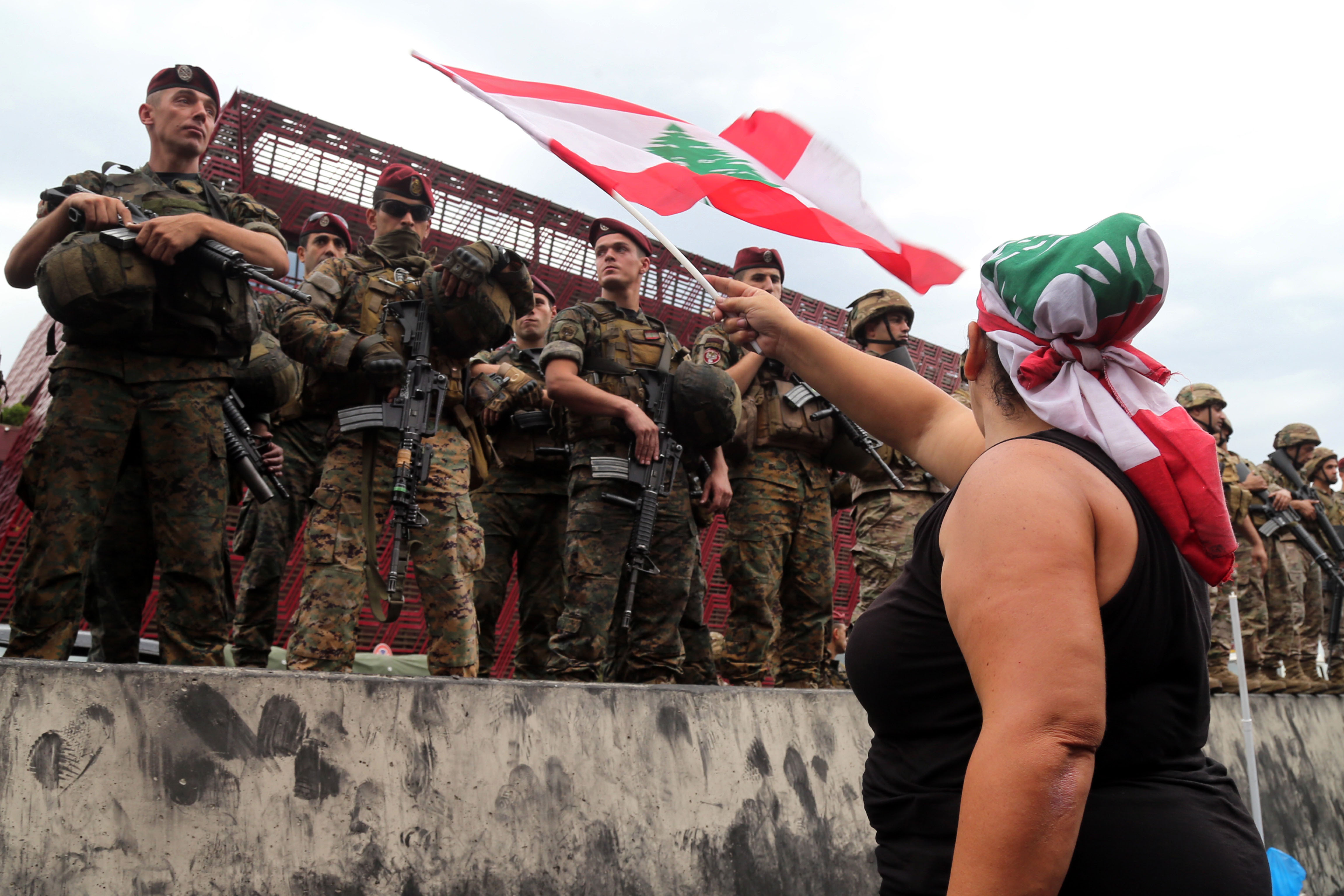 A protester waves the Lebanese national flag as she faces Lebanese army soldiers during nationwide protests north of Beirut on Oct. 23. Photographer: Hasan Shaaban/Bloomberg
Different theories | Debate over why Trump won in 2016 has led Democratic presidential aspirants to very different conclusions, and that's shaping their campaigns. Elizabeth Warren and Bernie Sanders argue it was simmering resentment among voters that necessitates embracing a shift to the left, while Joe Biden says the party needs to win back Rust Belt voters with a more traditional message.
To the right | Early in his second term, Prime Minister Narendra Modi has intensified his drive to make India a more hard-line Hindu nation with policies that have increased anxiety among religious and caste minorities. What's really concerning for investors, though, is his handling of the economy. With growth sinking to a six-year low and joblessness at a four-decade high, restlessness about his social experiments is rising.
What to Watch - The Republican-controlled Senate may soon consider its own version of bipartisan legislation the U.S. House overwhelmingly passed yesterday threatening to sanction Turkey.
- India is making last-minute requests after it agreed to terms for the world's largest regional trade deal, potentially preventing an announcement on the 16-nation pact when Southeast Asian leaders meet in Bangkok.
- South African Finance Minister Tito Mboweni presents a mid-term budget today that's likely to feature deteriorating fiscal and debt numbers and give more detail on how to deal with the mountain of debt at Eskom, the power utility that's the biggest threat to the economy.
Tell us how we're doing or what we're missing at balancepower@bloomberg.net.
And finally ... For millions across southern Africa, the 1,700-mile Zambezi River serves as highway, fishing ground, water fountain and swimming hole. But as Matthew Hill found on a two-week journey down the river, intensifying global warming has put people in the Zambezi basin, like other impoverished coastal or riverine communities worldwide, increasingly at risk of food shortages, with too much water in some places and too little in others. 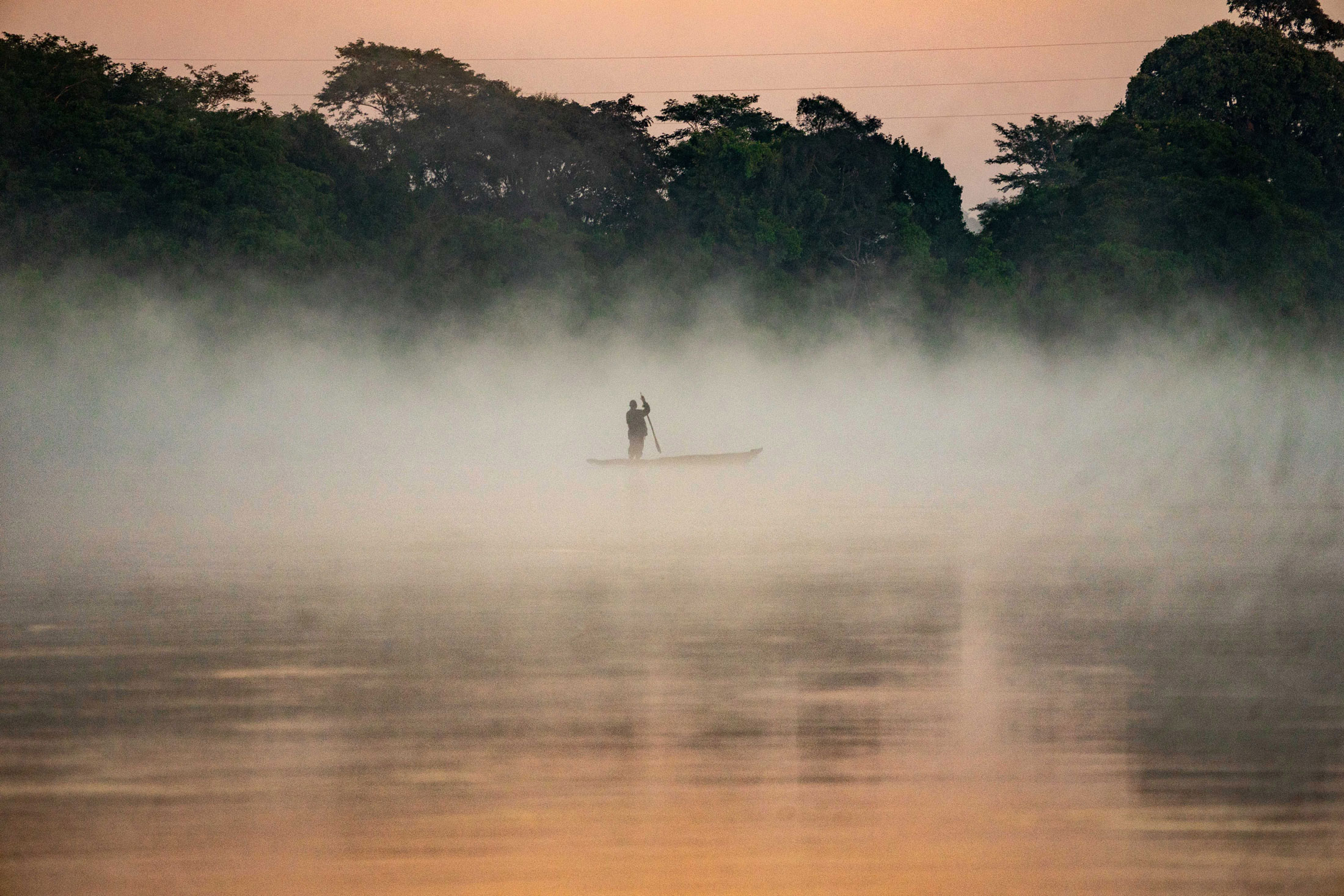 Photographer: Zinyange Auntony |




Post a Comment