|
U.S. Supreme Court Has Abortion, Guns, God on the Agenda
The U.S. Supreme Court term that starts Monday isn't entirely about abortion, even if it seems that way, Greg Stohr reports. Before the term ends in June, the conservative-dominated court will rule on guns, religion and federal regulation, and the justices could add cases on affirmative action, redistricting and President Joe Biden's vaccine mandate.
Warren Cites Fear Over Another 2008 Meltdown in Opposing Powell
Democratic Senator Elizabeth Warren said she denounced Fed Chair Jerome Powell to his face as "a dangerous man" at a committee hearing because he was making it too easy for large banks to take big risks, Steven T. Dennis writes. She spoke after becoming the first Democrat publicly to oppose Powell for another term as Fed chair. 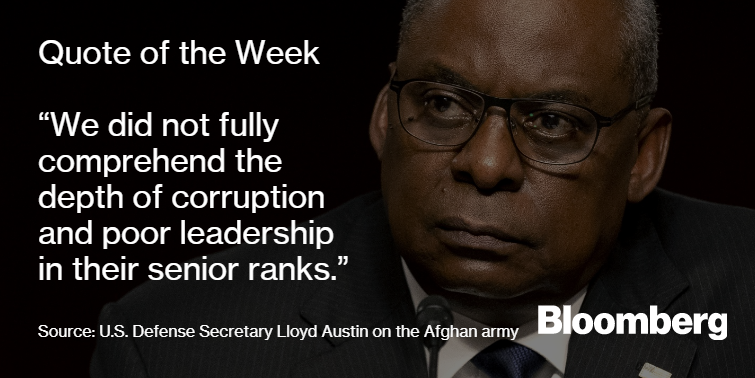 The top U.S. military leaders pointed rare criticism at key decisions by Presidents Donald Trump and Joe Biden which they said undermined Afghanistan's military and made it harder for U.S. troops to remain as the nation's government collapsed. Austin told a Senate hearing Trump's 2020 peace deal with the Taliban had a "demoralizing effect on Afghan soldiers" that U.S. military officials didn't fully realize.
Britain in Crisis Is No Boost for Johnson's Labour Opponents
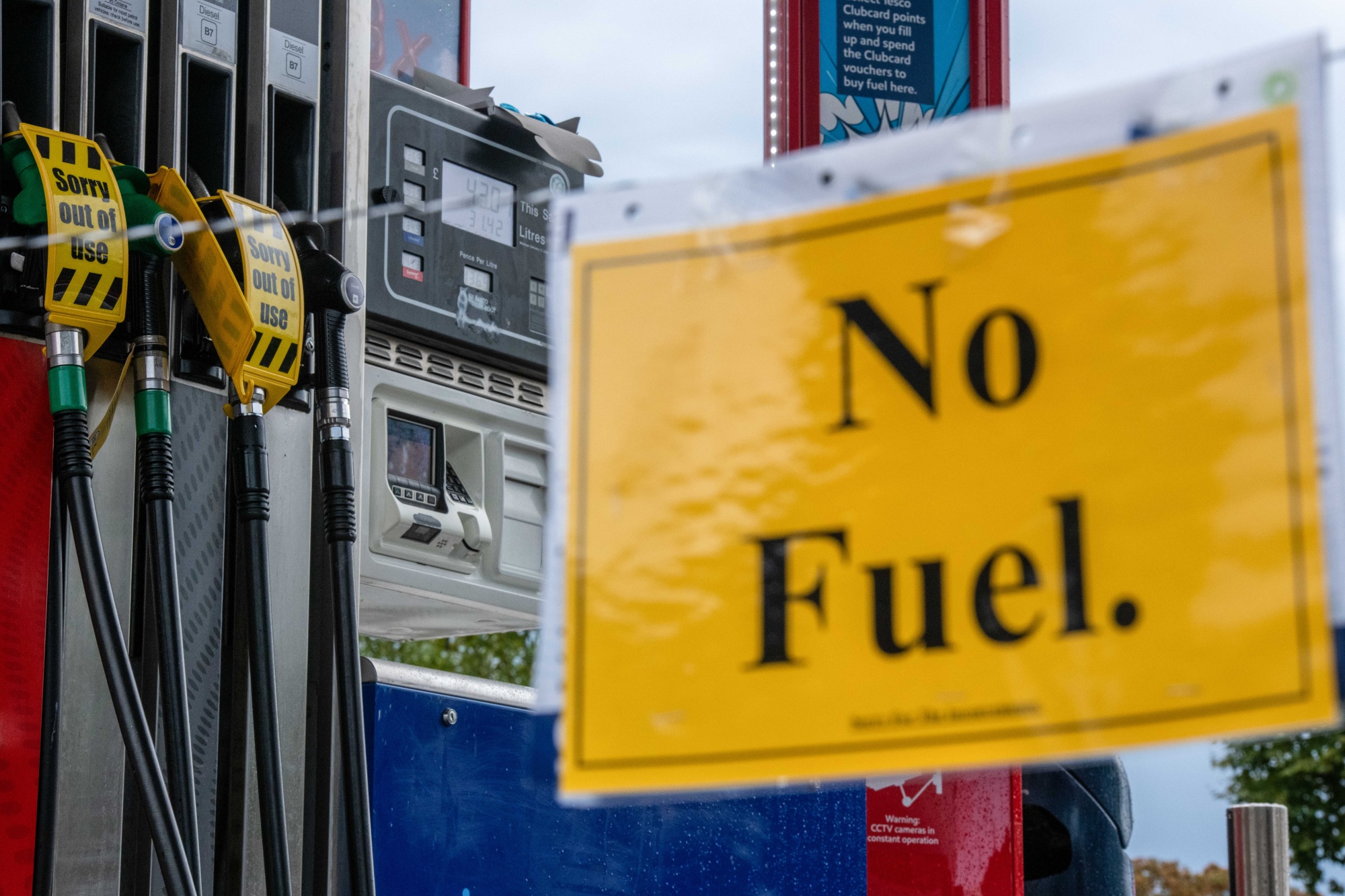
In normal times, warnings of fuel and food shortages, rising living costs and a government seemingly struggling to get a grip would be expected to offer a boost for a country's biggest opposition party. Yet despite the crises besetting the U.K. under Johnson, few in the Labour Party believe they have much chance of beating his Conservatives at the next general election, Emily Ashton reports.
Slow March of German Democracy Leaves Merkel in Charge, for Now
For 16 years, the world has grown accustomed to Angela Merkel's steady hand steering the German government, Patrick Donahue writes. With coalition talks to form a new government likely to drag on for months after the Social Democrats' narrow win in Sunday's elections, for now at least, Germany's chancellor will be … Angela Merkel.
Kishida Secures Japan Premier Job and Now Must Win Over Voters
Fumio Kishida gained Japan's premiership by showing his strength among ruling Liberal Democratic Party insiders to win selection as its leader, Isabel Reynolds and Shoko Oda report. Now the ex-banker who has conceded some see him as boring will have to prove he can appeal to voters frustrated with the government's coronavirus policies. 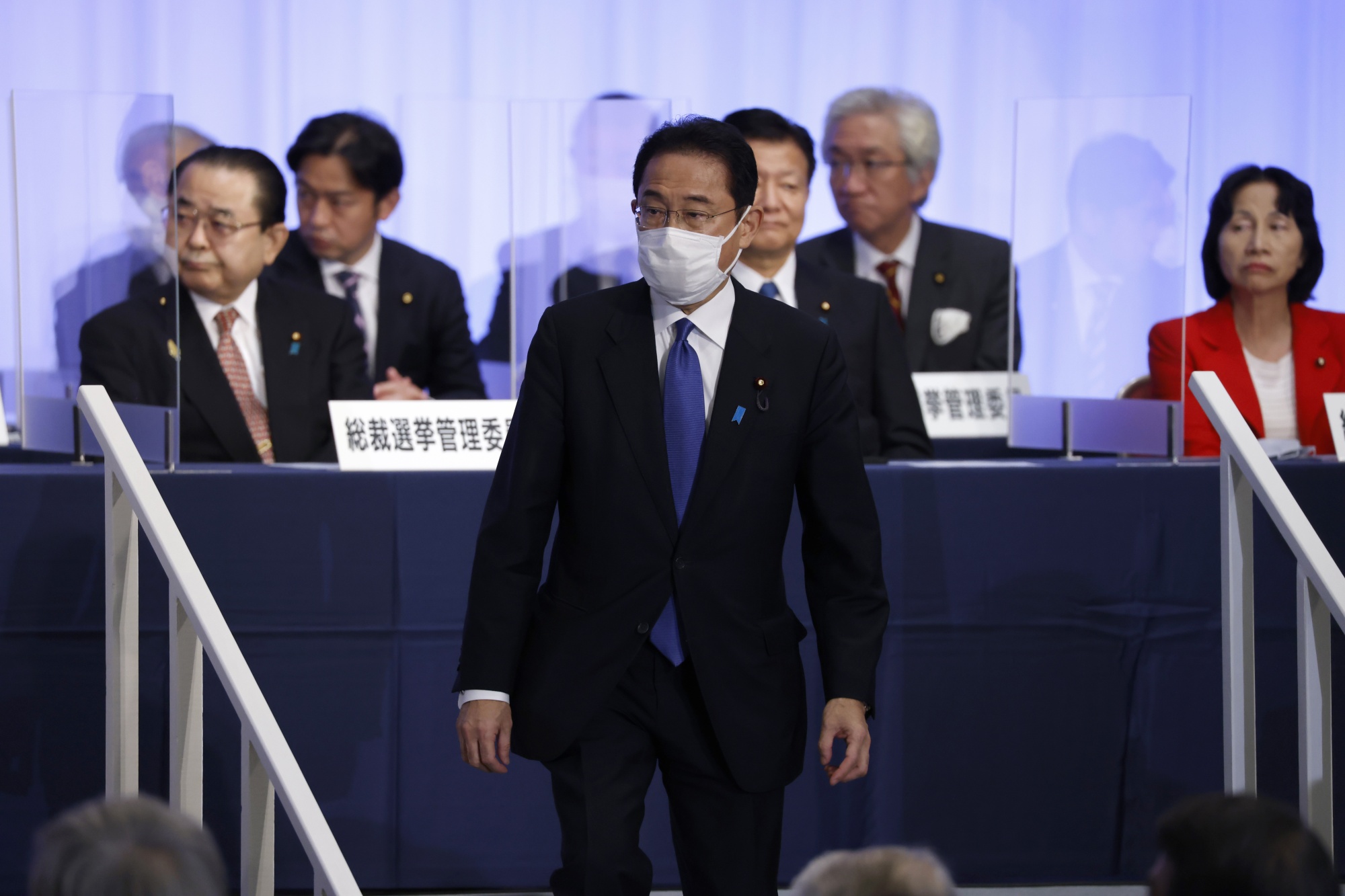 Kishida after casting his ballot at the LDP leadership election in Tokyo. Photographer: Kiyoshi Ota/Bloomberg China's Power Crisis Moves From the Factory Floor to Homes
China's energy crisis is beginning to hit people where they live, adding the risk of social instability to an economic slowdown and global supply chain disruptions, writes Dan Murtaugh. The impact on people's homes shows how quickly the power crisis is escalating, as China typically first asks large industrial users to curtail consumption when supply gets tight. 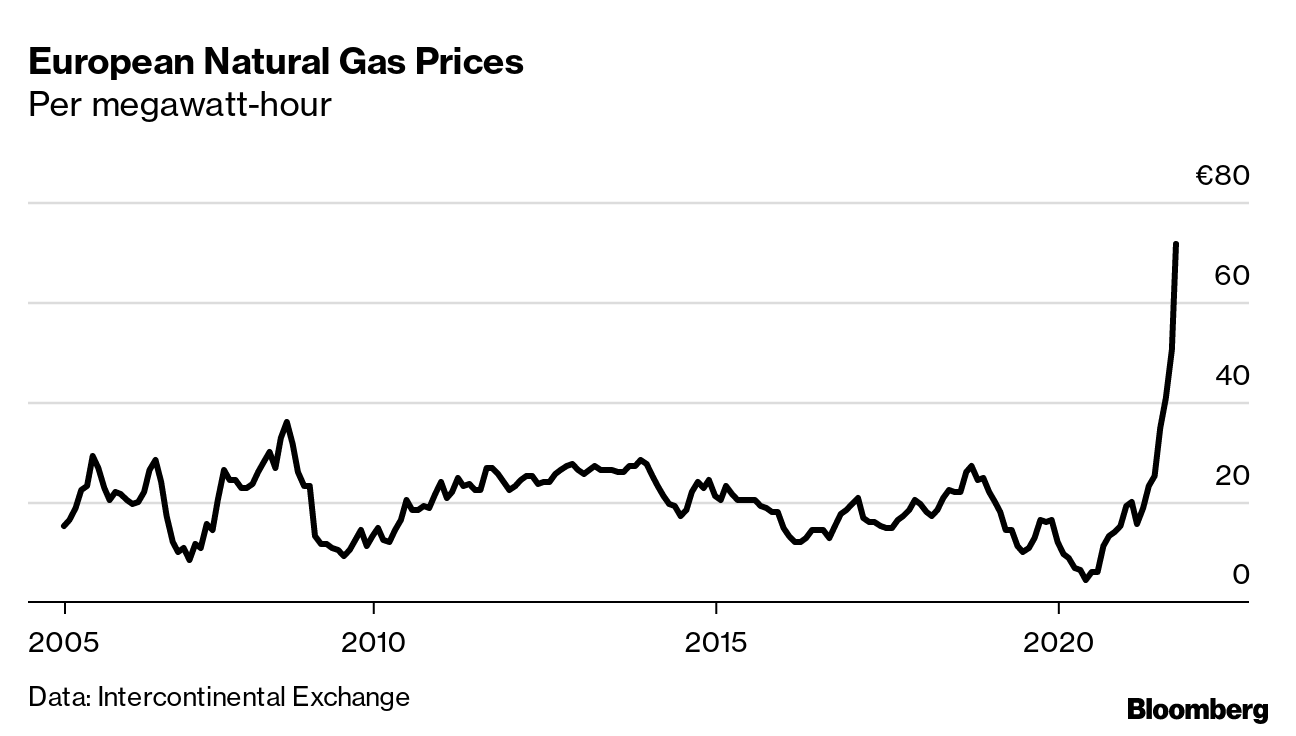 Nations are more reliant than ever on natural gas to heat homes and power industries amid efforts to switch to cleaner energy sources, Stephen Stapczynski writes. But there isn't enough gas to fuel the post-pandemic recovery and refill depleted stocks before the cold winter months. Ruined Brazil Harvest Sparks Food Inflation Everywhere
No country on Earth puts more breakfasts on kitchen tables than Brazil, Peter Millard, Fabiana Batista and Leslie Patton report. So when the region's crops were scorched and then frozen this year by the worst drought in a century and an unprecedented Antarctic front that coated the land in thick frost, global commodity markets shook.
Venezuela's Battered Bolivar Gets Makeover With Six Fewer Zeroes
Venezuela is launching a new version of the bolivar in the latest attempt to salvage a currency so beaten down by years of hyperinflation that residents have adopted the U.S. dollar, Alex Vasquez and Nicolle Yapur report. The so-called digital bolivar effectively removes six zeroes from the "sovereign bolivar," which started circulating just three years ago. 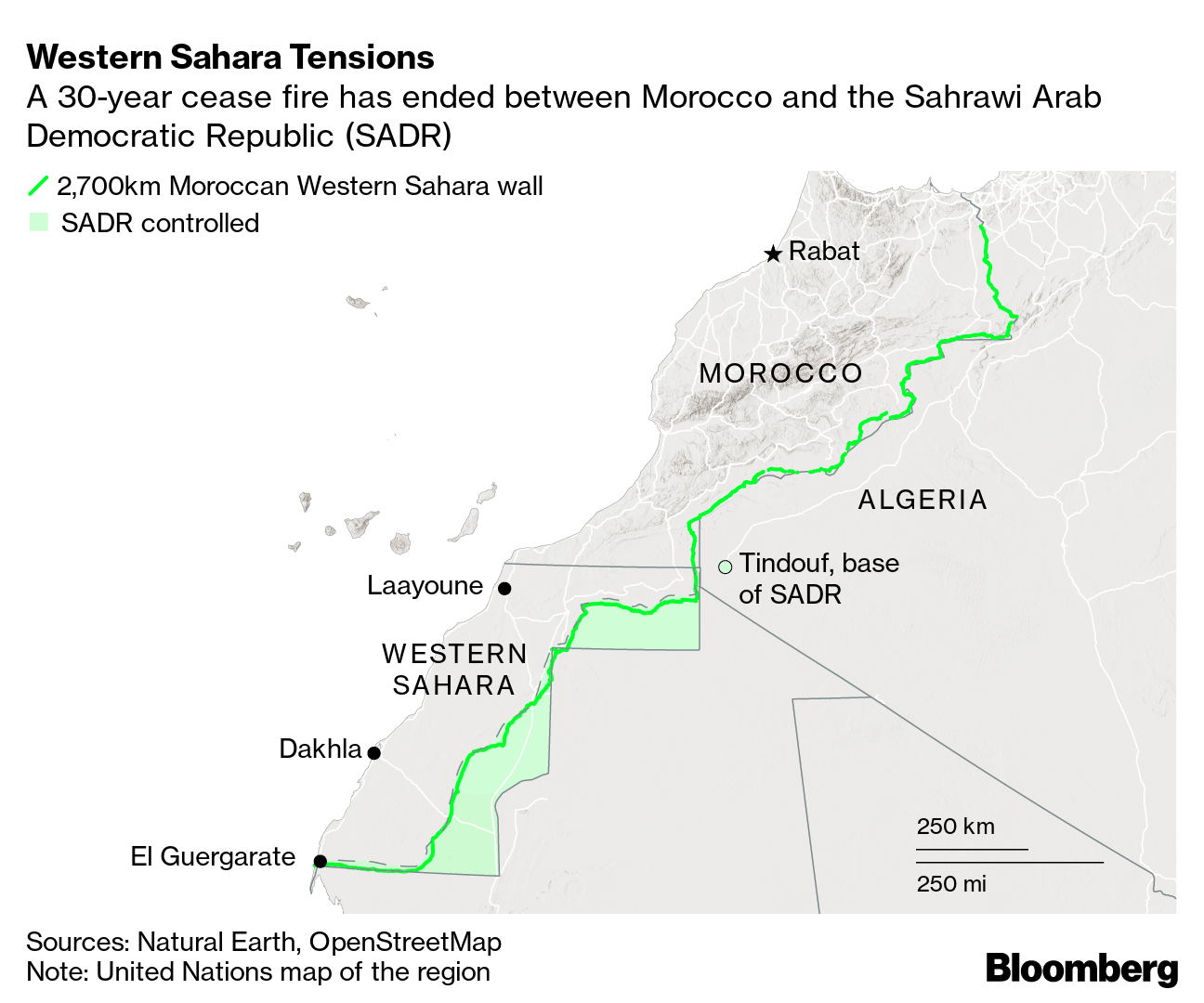 Tensions are rising in Western Sahara, a large strip of desert stretching along Africa's Atlantic coast, writes Souhail Karam. The former Spanish colony has been claimed for the past half-century by both Morocco and the independence-seeking Polisario Front, which each control part of it.
And finally … Officials and diplomats across the European Union are getting really frustrated with the French, writes Alberto Nardelli. The scope of what some are calling President Emmanuel Macron's "Europe First" strategy, which aims to make the EU more independent from Washington for defense and sensitive technologies, is causing concern among many member states and hampering Western efforts to forge a united response to the rise of China. 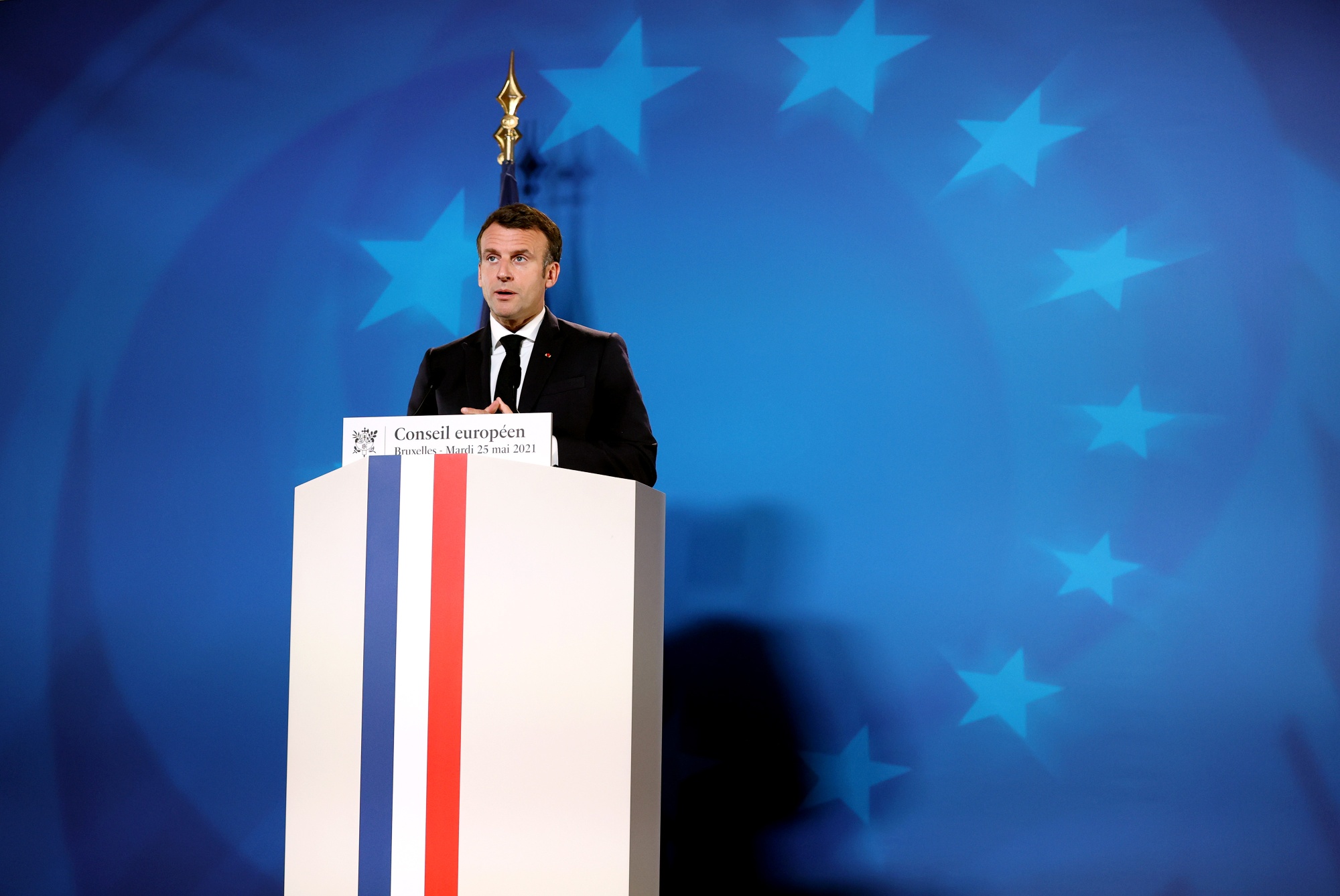 Macron at an EU summit in Brussels in May. Photographer: Dursun Aydemir/Anadolu Agency/Bloomberg | 






Post a Comment