| Scientists came up with Covid vaccines in record time. Manufacturing the lifesaving shots has been another huge achievement. Output is forecast to surpass 12 billion doses by the end of the year and could double again by mid-2022. The problem: Those vaccine supplies aren't flowing to everyone around the world. Only a fifth of people in lower-income countries have received a first dose, compared with 80% in higher-income nations. Across Africa, just 3% of the population was fully vaccinated as of this week, the World Health Organization estimates. With about 10,000 Covid deaths a day occuring 20 months into the pandemic, health advocates are urgently calling for action. The pressure is on wealthy governments, which could satisfy their own needs at home and still have about 1.2 billion doses by the end of the year to redistribute abroad, according to London-based Airfinity Ltd. 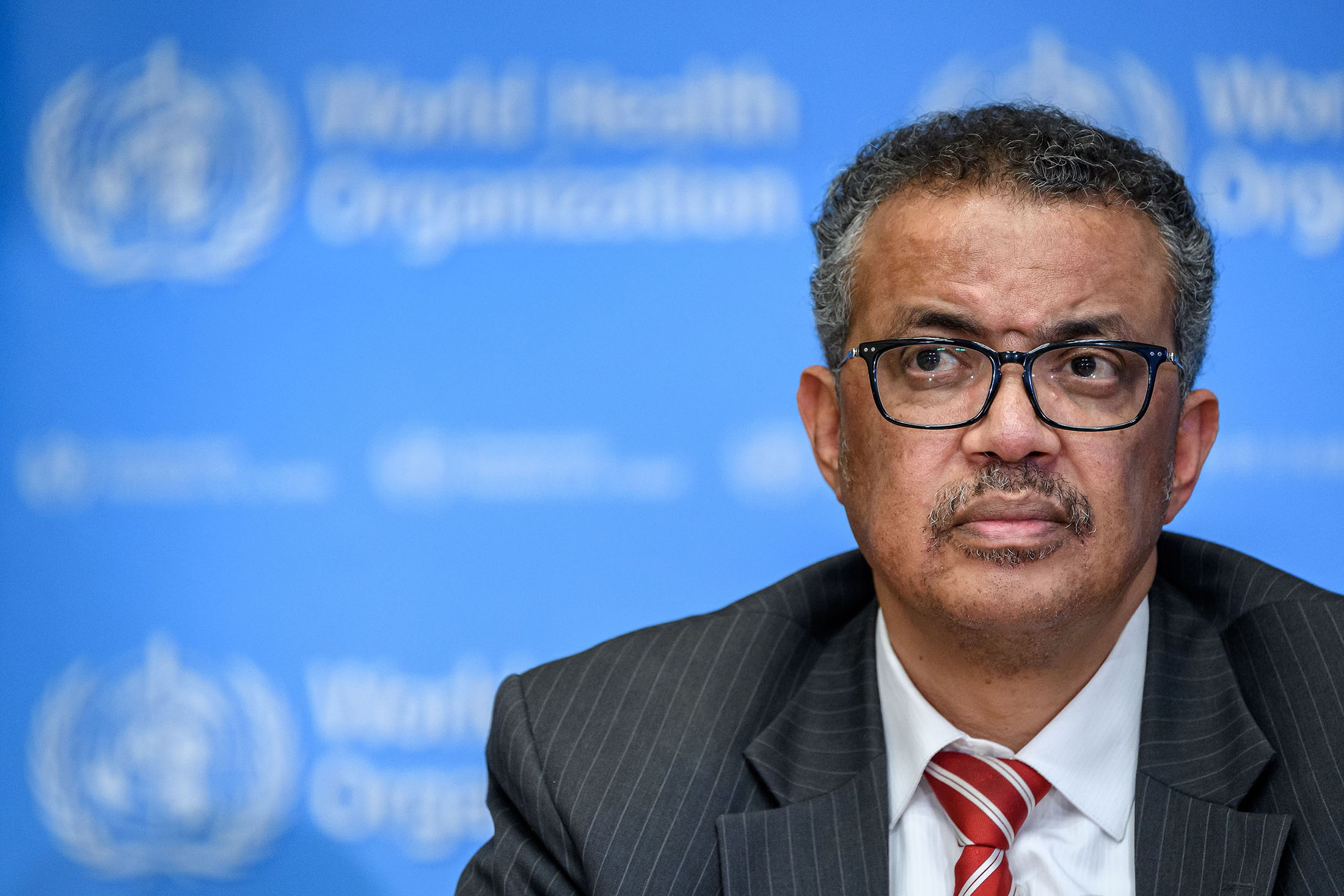 Tedros Adhanom Ghebreyesus Fabrice Coffrini/AFP Those governments have so far delivered a meager amount of the supplies they've pledged to poorer countries as some move forward with plans for booster shots in a race to fight the delta variant. The worry is that the slow pace of deliveries will prolong the pandemic and increase the risk more worrisome variants will emerge. The organizations coordinating Covax, the program to immunize the world, are pushing nations that already have enough doses but are seeking more to give up their place in the queue. Hurt by delays in accessing shots and facing a roughly 25% cut to the Covax supply forecast for the year, they also want those governments to accelerate donations. Manufacturers want to see political leadership to speed up deliveries, but they're facing scrutiny, too. Some groups are pressing for transparency on the deals drugmakers have with governments. Without greater clarity, it's impossible to know if holdups are due to production challenges or preferential treatment, Seth Berkley, the head of Gavi, has said. Tedros Adhanom Ghebreyesus, WHO director-general, has called for a moratorium on boosters until at least year-end, saying manufacturers prioritizing pacts with richer nations had left low-income countries deprived of vital tools. "There needs to be an urgent global reckoning," Fatima Hassan, founder and director of the Health Justice Initiative, a non-profit in Cape Town, told Bloomberg.—James Paton | 






Post a Comment