| Winding up | It's the last day of campaigning for Sunday's German election, with polls suggesting a close race to succeed Angela Merkel as leader of Europe's biggest economy. The chancellor will join her conservative bloc's candidate, Armin Laschet, at a rally in Munich today, while Social Democratic frontrunner Olaf Scholz is in Cologne and the Greens' lead candidate Annalena Baerbock speaks in Duesseldorf. Agenda juggling | U.S. Democrats with slim majorities in both the House and the Senate are facing critical deadlines to prevent a government shutdown, a federal default and the collapse of Biden's economic agenda. Laura Davison and Erik Wasson outline the fraught landscape that party leaders must navigate. 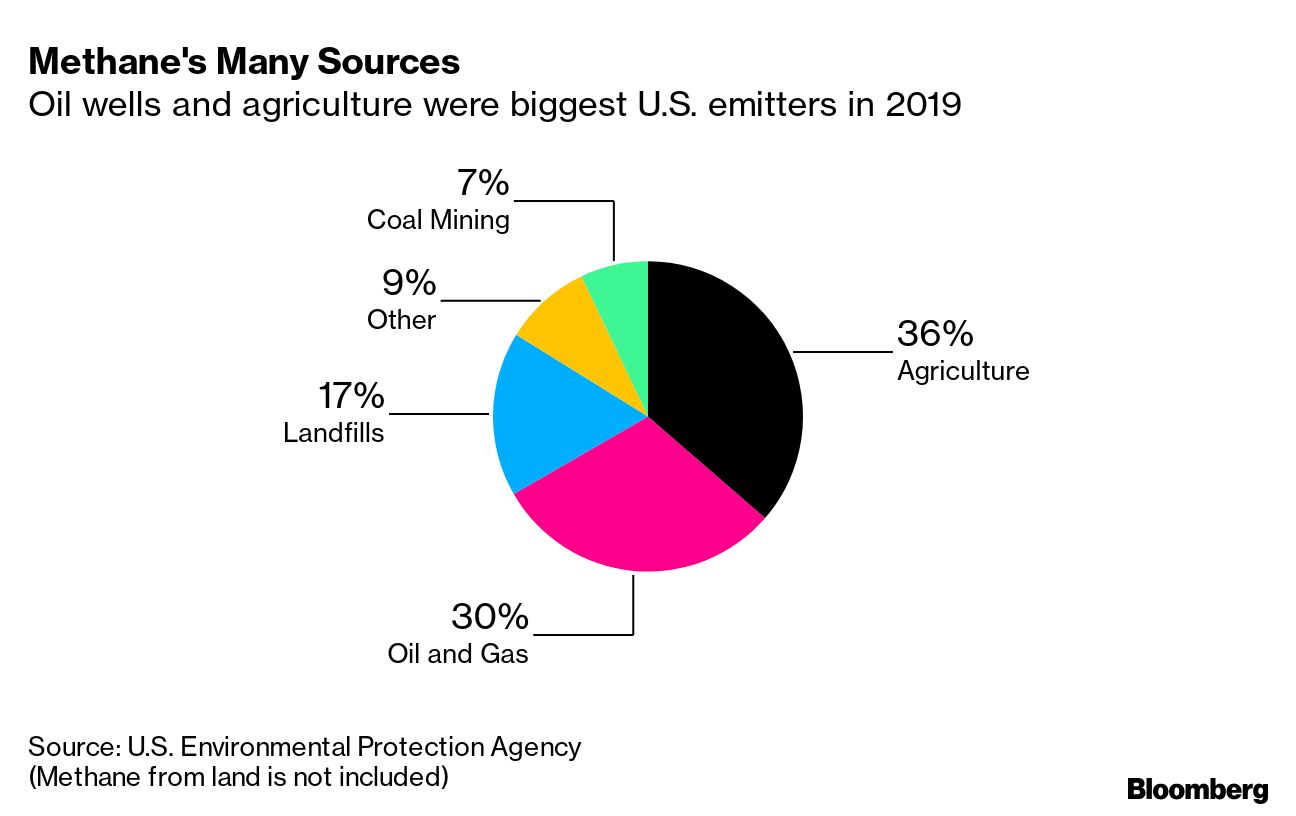 The free ride for methane, a climate-warming gas 84 times more damaging than carbon dioxide, is finally nearing an end in Washington. In the coming weeks, the Biden administration will propose the most aggressive federal methane mandates yet for oil and gas wells.
Trump formula | Taking a page from former U.S. President Donald Trump, President Jair Bolsonaro has attacked Brazil's congress and top judges as corrupt and claimed without evidence that his opponents are hijacking voting systems. His tactics come as he faces a difficult reelection campaign, is under criminal investigation and trails his likely opponent, Luiz Inacio Lula da Silva, in the polls.
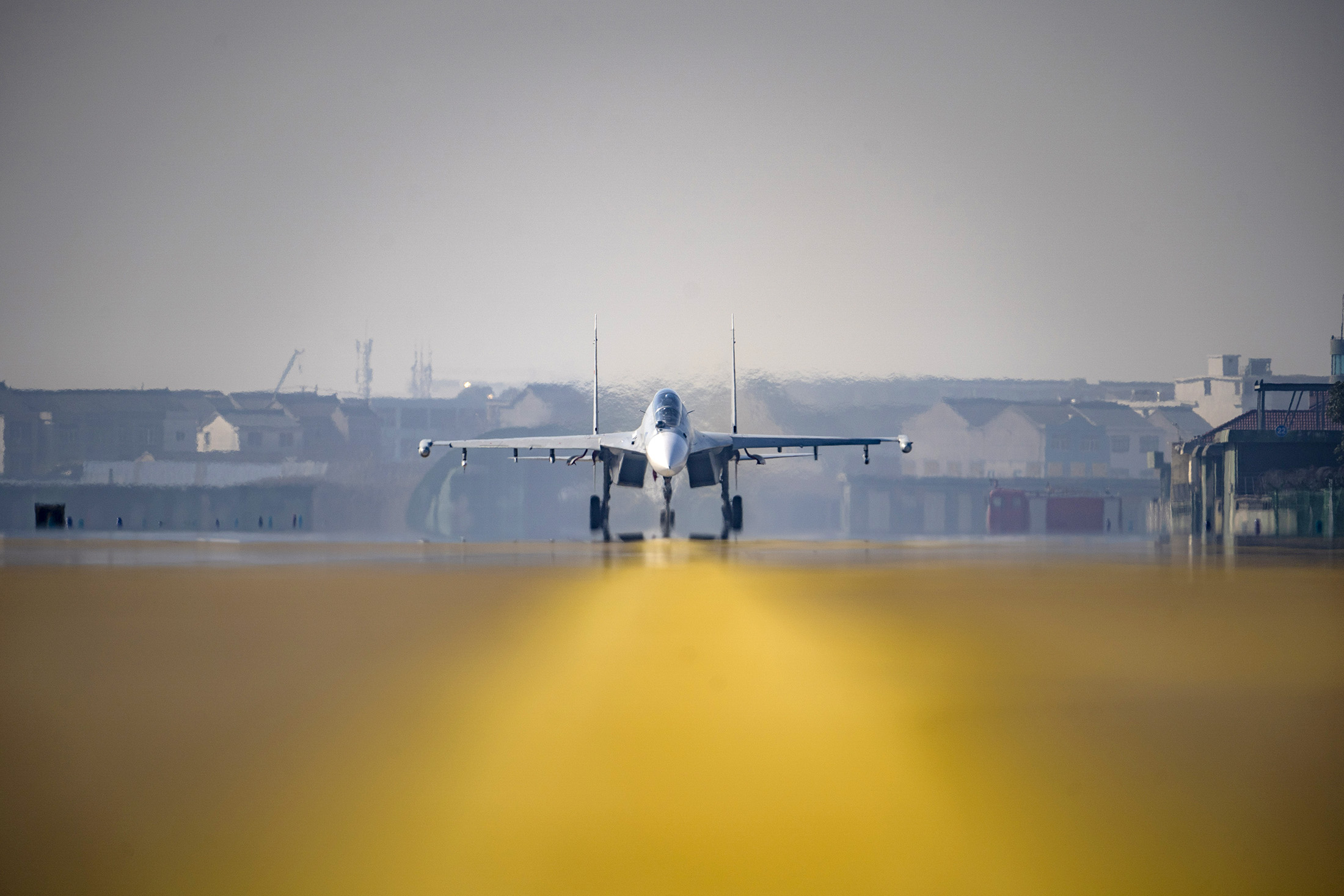
Security lever | Ukraine's dependence on Moscow for natural gas has plunged in the years it has taken to construct Russia's latest pipeline to Europe, diminishing the ability of the Kremlin to use Nord Stream 2 for economic leverage. But, as Marc Champion and Daryna Krasnolutska write, the finished link is raising fears in Kyiv about the limits of Western commitments to its defense, and thus renewing the prospect of all-out war with Russia. Best of Bloomberg OpinionShowing anger | China sent two dozen military aircraft close to Taiwan yesterday, underscoring its displeasure at Taipei's bid to join a regional trade deal. China, which sees the move as a challenge to its claims to sovereignty over the island democracy, sent the most planes in a single day into Taiwan's air defense identification zone since June.
Bloomberg TV and Radio air Balance of Power with David Westin weekdays from 12 to 1pm ET, with a second hour on Bloomberg Radio from 1 to 2pm ET. You can watch and listen on Bloomberg channels and online here or check out prior episodes and guest clips here. - Seven countries have signed a pledge initiated by the UN to stop building new coal power plants, with the aim to gather more signatures before COP26.
-
The U.K. is getting an energy lifeline from the 450-mile North Sea Link, connecting it with Nordic power markets for the first time after electricity suppliers went bust amid record power and gas prices. -
U.K. consumer confidence fell at its sharpest pace since coronavirus lockdown rules were tightened almost a year ago, reflecting a surge in inflation and looming tax increases. - Ex-White House Chief of Staff Mark Meadows and three other former Trump advisers were subpoenaed yesterday by the select House committee investigating the Jan. 6 insurrection at the U.S. Capitol.
Pop quiz, readers (no cheating!). Which country's health minister tested positive for Covid-19 while part of the president's team attending the UN General Assembly? Send your answers to balancepower@bloomberg.net. And finally ... Two of the four contenders for next week's ruling-party leadership ballot in Japan — a contest that will likely propel one of them to become the next prime minister — are women, signaling potential cracks in the country's durable glass ceiling. As Yuko Takeo and Michelle Jamrisko explain, only once before in the Liberal Democratic Party's 66-year history has a woman been able to line up the support of 20 fellow parliamentarians required to contest the leadership. 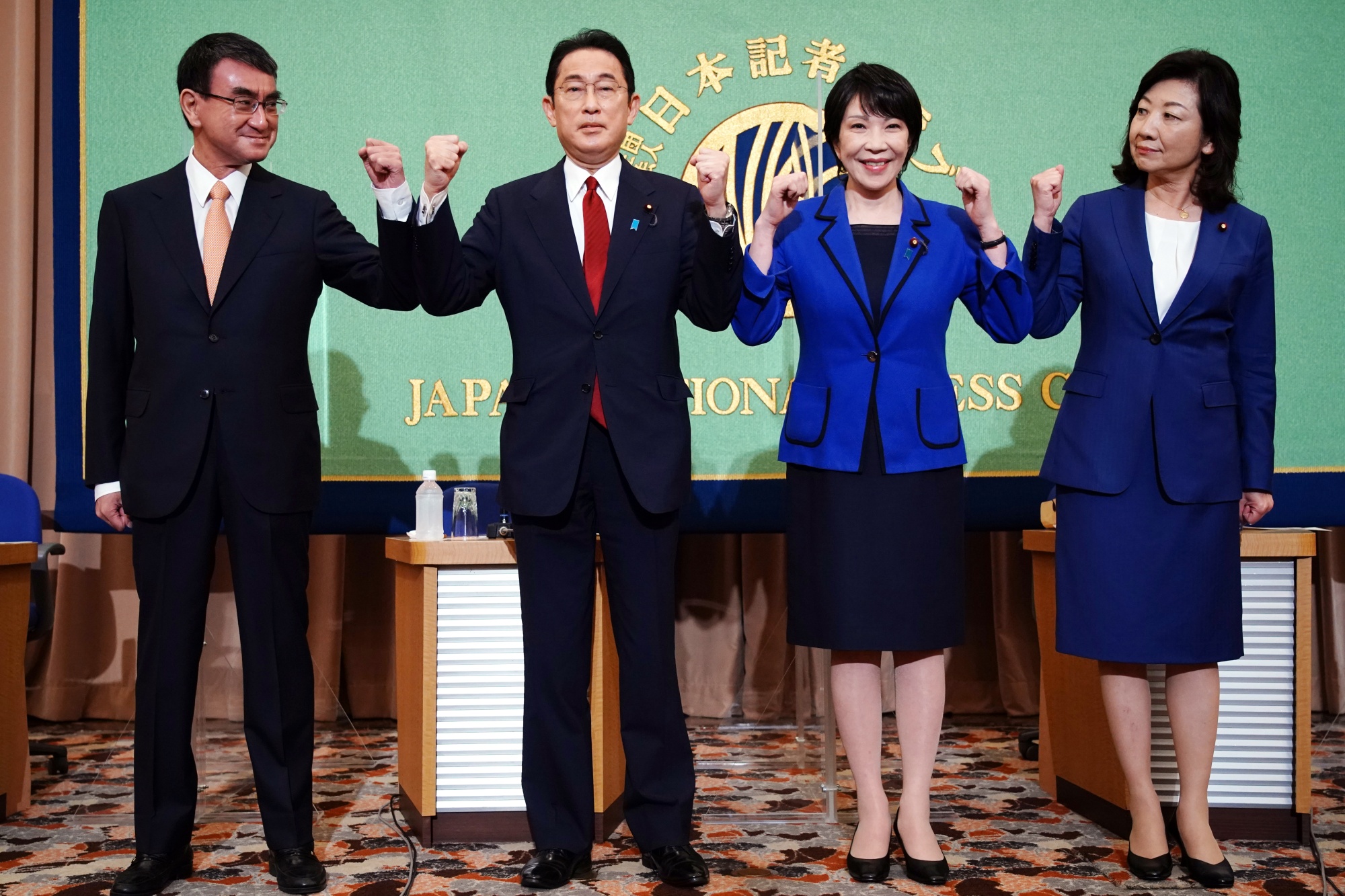 The contenders at the Japan National Press Club in Tokyo on Sept. 18. Photographer: Eugene Hoshiko/AP Photo | 






Post a Comment