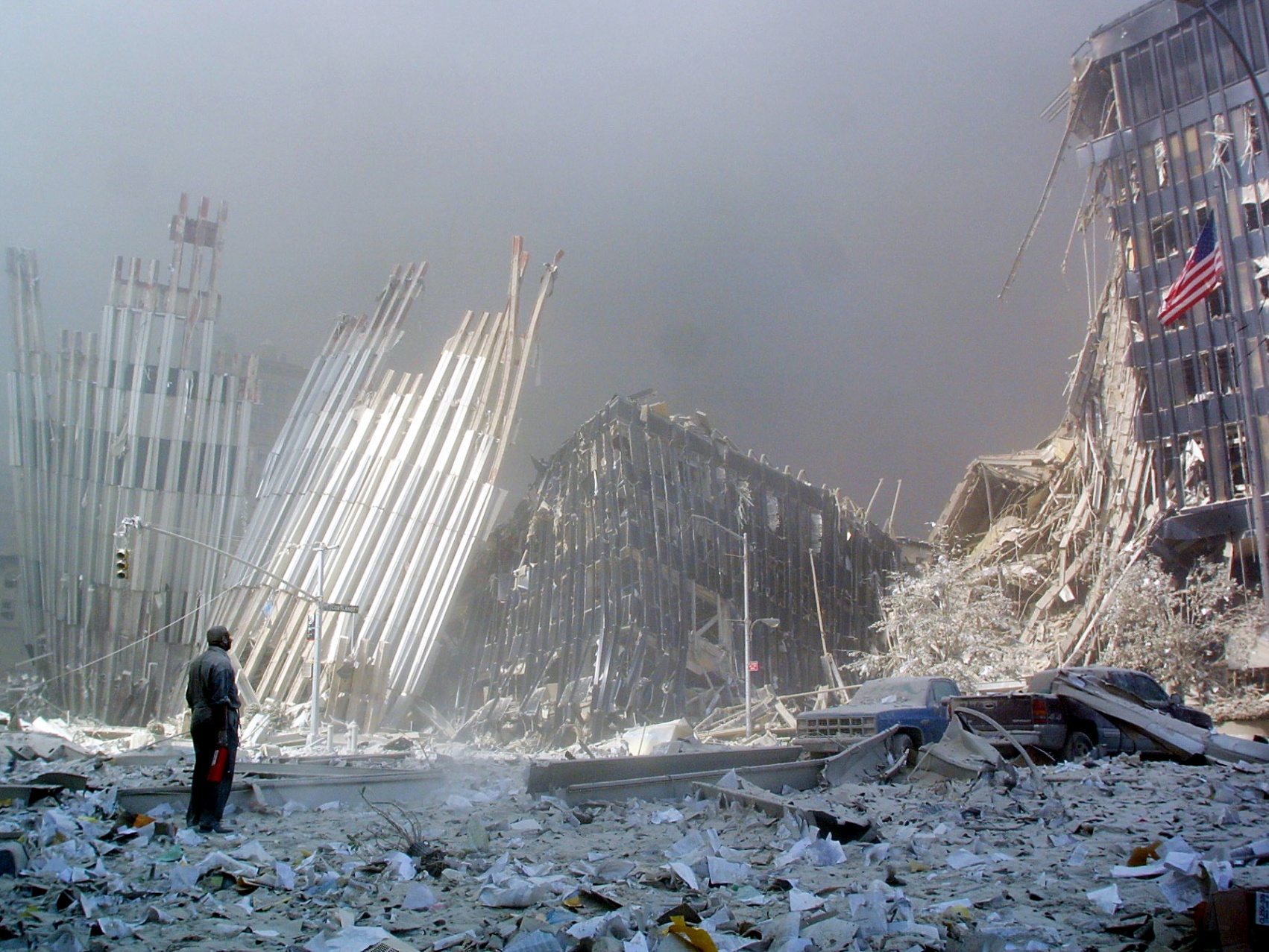
| Are We Safer Now? Homeland Leaders Reflect, 20 Years After 9/11
The attacks left the U.S. with national trauma, two decades of war, and the biggest shuffle of the federal bureaucracy in history. Ellen Gilmer asked five current and former Department of Homeland Security leaders to share their views about the current state of U.S. security. 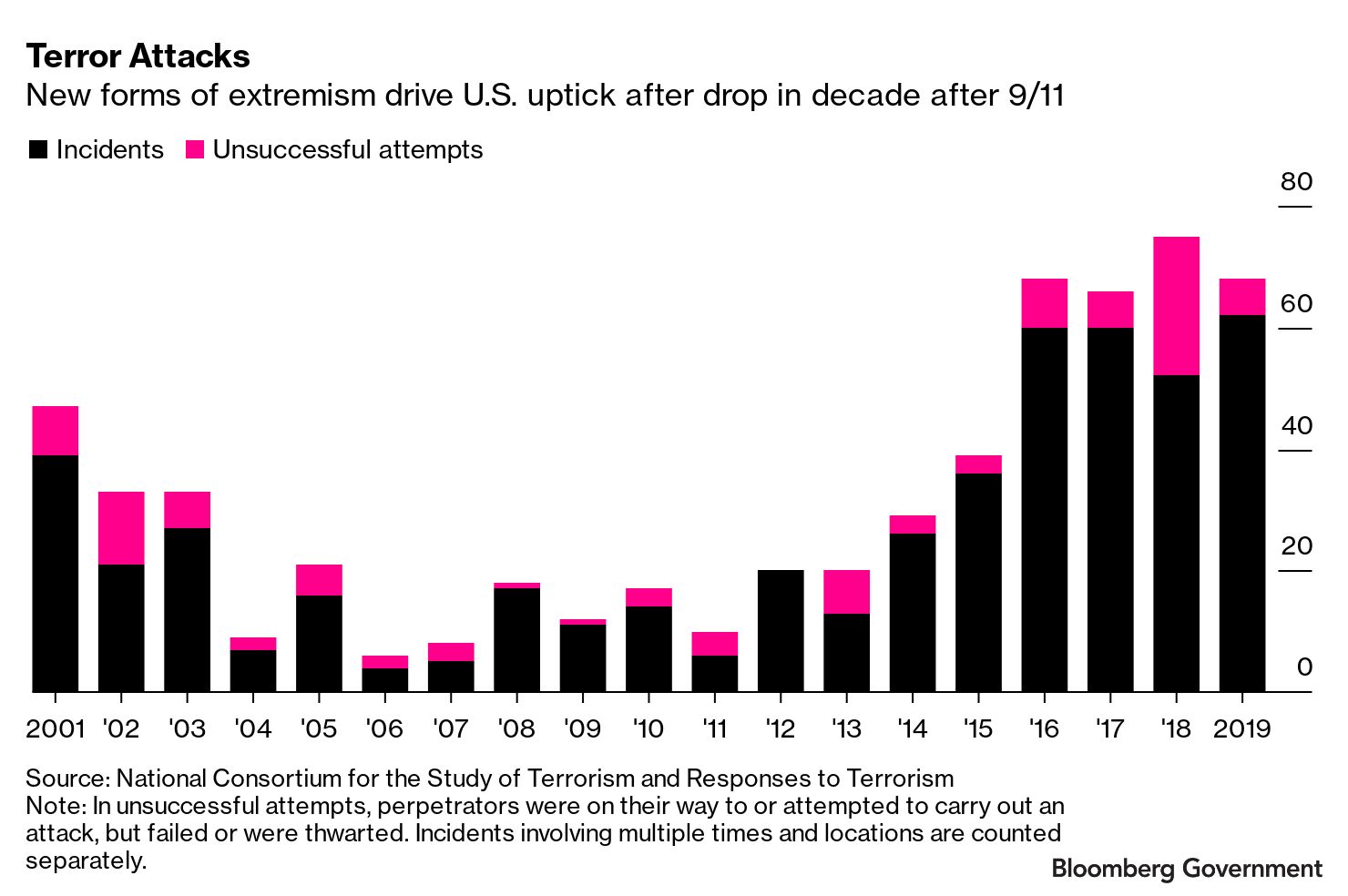 Generation 9/11: Following Parents They Lost Onto Wall Street
The children who lost their parents in the attacks are grown up now and chasing their own dreams. Mary Biekert writes that a few dozen have sworn an oath, like their parents they lost once did, to serve New York as firefighters or police officers. And others have followed the ones they lost onto Wall Street — some into the very same investment firms.
Biden Orders Shots for Millions, Calling Unvaccinated a Threat
Biden said he's ordering millions of executive branch employees, federal contractors and health-care workers to receive Covid-19 vaccines. Josh Wingrove and Jenny Leonard write that he criticized the 25% of American adults who decided not to get inoculated, saying they're dragging out the pandemic that has claimed more than 650,000 lives in the U.S. 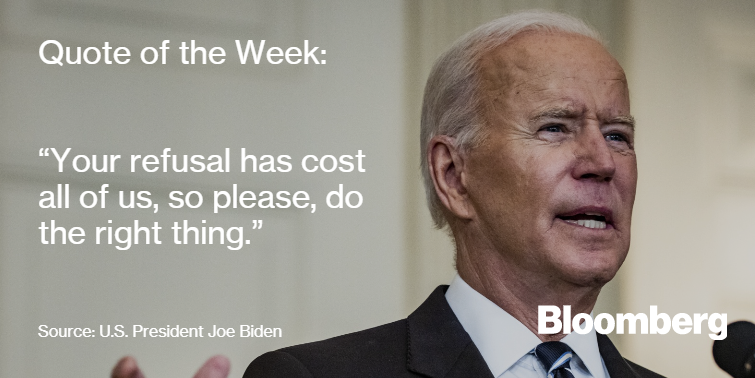 Biden-Xi Phone Call Raises Key Question: Who Will Blink First?
Biden's frustration with months of little progress in U.S.-China relations led him to initiate a call with Xi in search of a breakthrough. Now the question is who will be first to take concrete action.
Xi's Common Prosperity Drive Triggers a Rare Debate in China
In a country that regularly censors opposing viewpoints, Xi's push for "common prosperity" has triggered something unusual: a spirited public policy debate.
Scholz Had a Plan to Win the German Vote. But He Needed a Crisis
The front-runner to replace Merkel as Germany's chancellor, Scholz was contemplating getting out of politics altogether less than two years ago. Birgit Jennen and Chris Reiter chronicle how he owes his political resurrection in part to the pandemic. 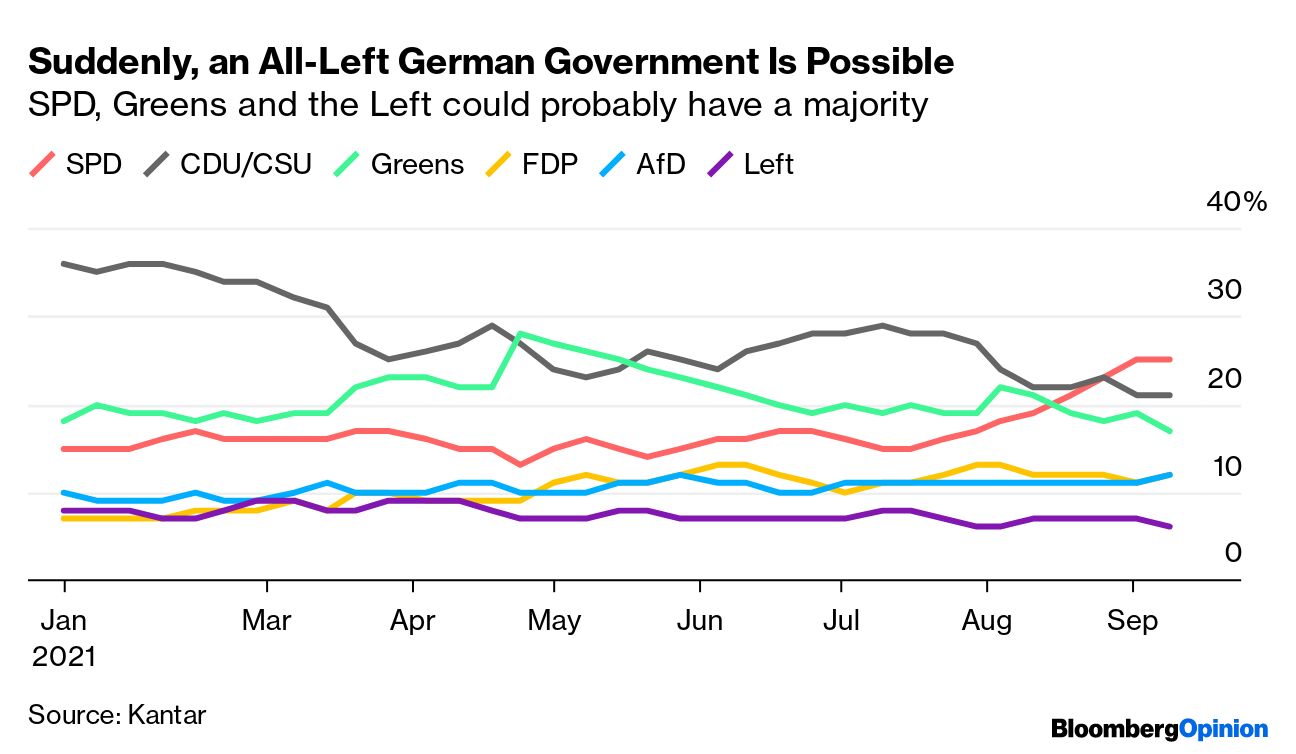 Quiet Taliban Deal Maker Holds Key Role for Afghan Future
He co-founded the Taliban, helped it rebuild during two decades of war with the U.S. and then brokered a deal to get American troops out. Now, Peter Martin, Eltaf Najafizada and Archana Chaudhary explain, Mullah Abdul Ghani Baradar's job is about to get even harder.
Qatar May Struggle to Deliver the Revamped Taliban It Hyped
Qatar has quickly established itself as the West's main line of communication to the Taliban. Yet Fiona MacDonald and Simone Foxman write that a relationship painstakingly nurtured over the past decade could also become a liability for the small Gulf state.
Macron's Foreign Gambles Are Making French Diplomats Uneasy
French President Emmanuel Macron has been flouting the advice of his diplomats ever since he took office and as he prepares to fight another election next year. Ania Nussbaum and Samy Adghirni report that the tensions are spilling across the country's foreign affairs apparatus.
Gender Quotas Fail to Boost Women in Latin American Politics
Maria Eloisa Capurro outlines how three decades after the first parliamentary gender quota was approved in Latin America, the progress of women in politics has stalled in one of the world's most economically unequal places. 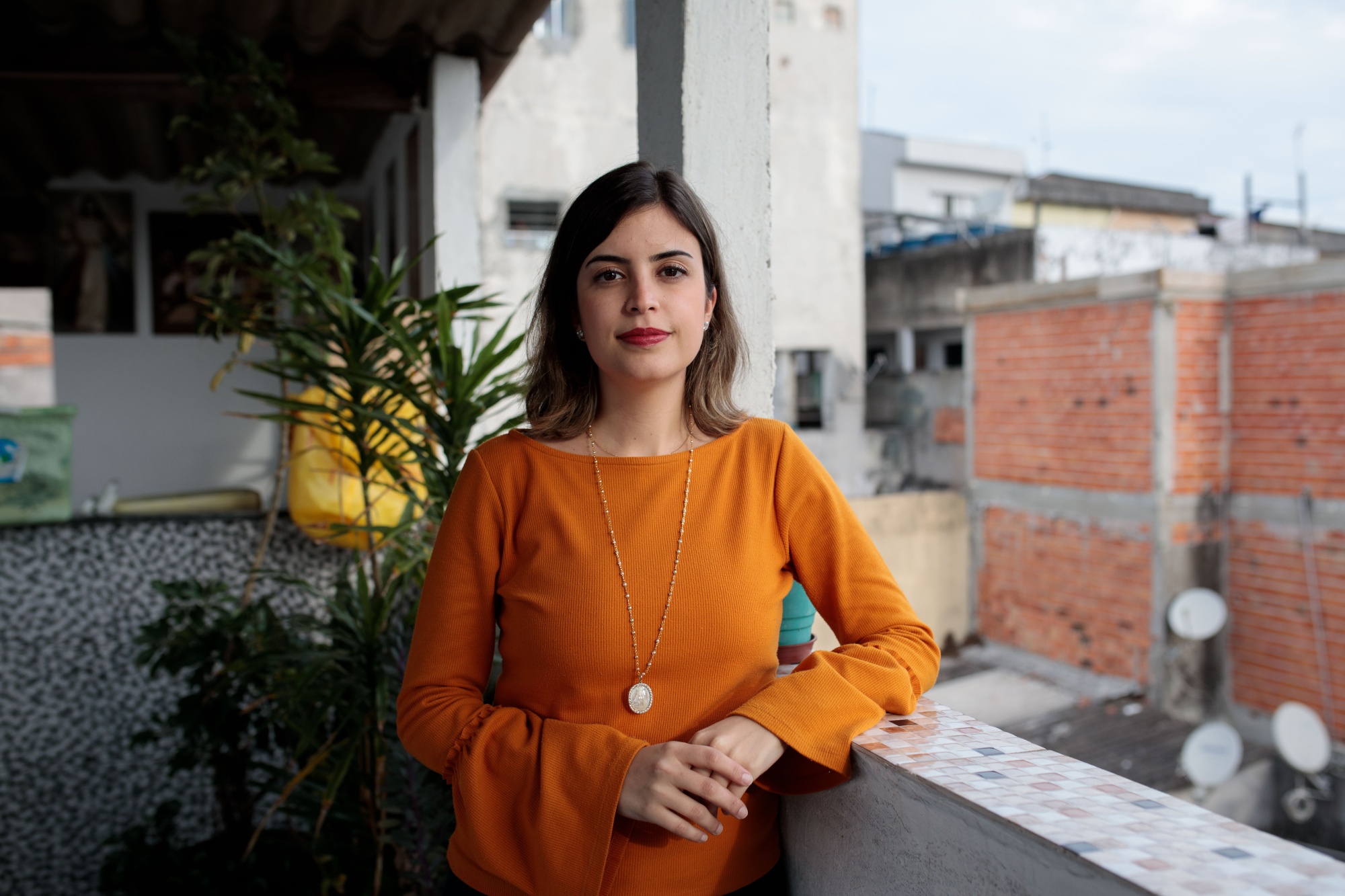 Tabata Amaral is a rising star in Brazil's political landscape, where women account for only 15% of the nation's congressional seats. Photographer: Patricia Monteiro/Bloomberg Violence Against Women Puts Turkey in an Uncomfortable Spotlight
Turkey's decision to pull out of the Istanbul Convention, a European treaty to combat violence against women, has raised concern about safety and female participation in the economy. As Burhan Yuksekkas and Donna Abu-Nasr report, the withdrawal has sparked protests across the nation.
What's at Stake in Argentina's Midterm Primary Sunday: Q&A
Argentines head to the polls Sunday in a primary vote that will measure the political strength of the federal Peronist government and the opposition ahead of midterm elections on Nov. 14. Jorgelina do Rosario and Patrick Gillespie prepared this guide on what to watch.
Israel's Covid Surge Shows the World What's Coming Next
Israel was once a front-runner in the global race to move on from Covid-19, but it's now one of the world's biggest pandemic hot spots. Daniel Avis explains that the question is no longer about whether people get coronavirus, but also how badly they get it and ensuring vaccines are still working as the delta variant threatens to undermine immunity. And finally … The proliferation of Covid-19 variants in Africa, partly due to the low rates of inoculation, may lead to vaccine-evading mutations that could complicate attempts to end the pandemic, scientists say. As Antony Sguazzin explains, while more than half of the population of the U.S. and over 60% of people living in the European Union are fully vaccinated, the proportion is just 3.2% in Africa. 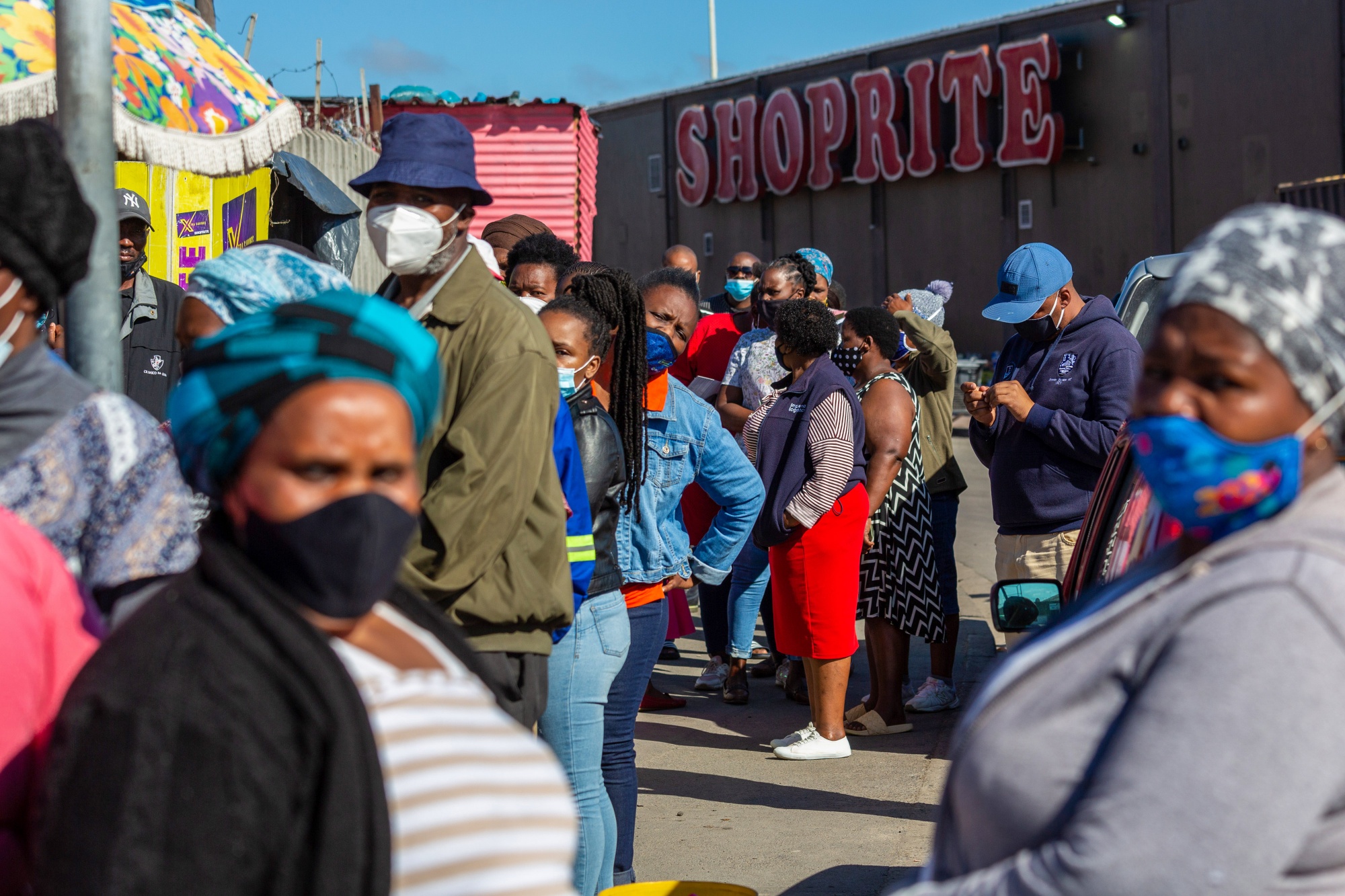 Residents line up at the community health center vaccination site in the Khayelitsha township of Cape Town on Wednesday. Photographer: Dwayne Senior/Bloomberg | 





Post a Comment