Firefighters urgently need mental health support


THE BIG STORY
Wildfires keep getting worse. Those fighting them can't stand much more. 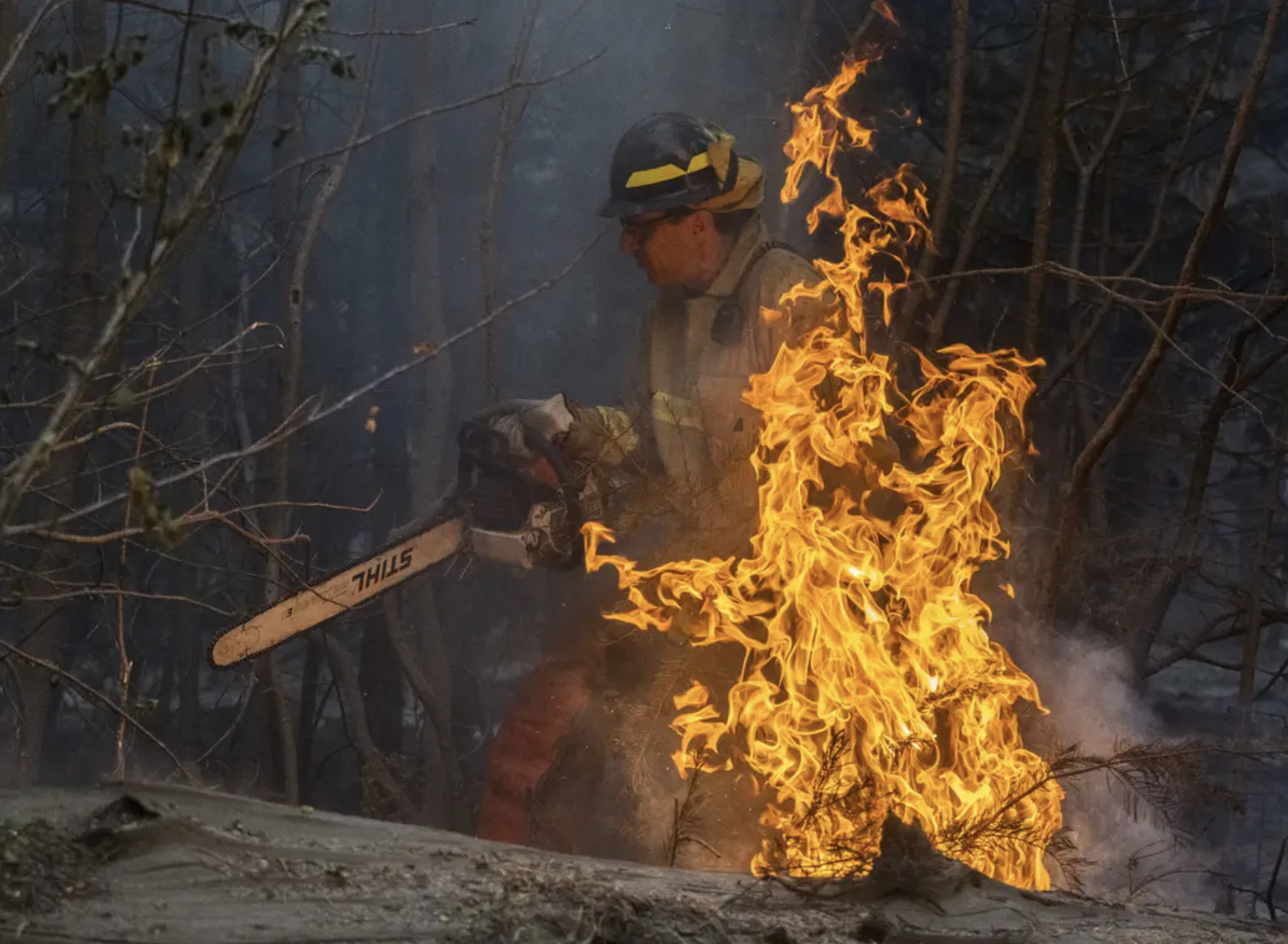 Martin Goldberg at the Caldor fire outside of South Lake Tahoe (Stuart Palley) The job isn't what it used to be, said Martin Goldberg, a California firefighter who's dedicated half his life to combating wildfires.
Nearly every time Goldberg goes out, wildfires set new records for acreages burned or homes lost, in part due to the effects of climate change. Blazes have become bigger, more unpredictable, and more grueling. And since 2018, more than 240 firefighters have died while on duty, according to data from the US Fire Administration.
"The fear of death is just the job now," Goldberg said. "And we just have to do it."
Exposure to new levels of danger, trauma, human suffering, and fatigue nearly year-round is bringing many wildland firefighters to their breaking points. Wildland firefighters die by suicide at a rate 30 times higher than the general US population does, according to an unofficial tally by former firefighter Nelda St. Clair. (There is no official data, research, or peer-reviewed evidence on firefighter mental health in the US.)
"It's a ticking time bomb," said Ben Strahan, the superintendent of a Northern California hotshot crew. "If you haven't actively worked on ways to understand your trauma and those triggers and how to work through them, you're going to have a hell of a time."
The US National Suicide Prevention Lifeline is 1-800-273-8255. The Trevor Project, which provides help and suicide-prevention resources for LGBTQ youth, is 1-866-488-7386. You can also text TALK to 741741 for free, anonymous 24/7 crisis support in the US from the Crisis Text Line. Find other international suicide helplines at Befrienders Worldwide (befrienders.org). STAYING ON TOP OF THIS
Her leaks exposed global financial corruption. Now she's in prison. Former Treasury Department official Natalie "May" Edwards' decision to leak highly confidential government documents to BuzzFeed News prompted a massive investigation that exposed how dirty money moves through the global banking system — and helped spur legislative action in the US and beyond. This past Friday, she began her six-month sentence at Federal Prison Camp, Alderson.
Edwards' leak revealed how banks file suspicious activity reports (SARs) and then continue to process and profit off suspicious payments, thereby facilitating criminal activity while enriching themselves and shareholders. The US government collects the SARs, but does not force the banks to shut the money laundering down.
Despite losing her freedom and most, if not all, of her family's finances waging a legal fight, Edwards believes her actions will help thwart future criminals and terrorists.
"I did this for the American people," she said in an interview. "My motive was accountability, and the American people had a right to know what was occurring within Treasury and that it was a national security issue and that American lives were in jeopardy."
"Instead of the government doing their job, they decided to come after a whistleblower." SNAPSHOTS
The Wire actor Michael K. Williams has died. Though a crime series brought him fame, in real life Williams worked to make his New York community safer without overpolicing.
A 9-month-old Afghan baby died on an evacuation flight after landing in the US. It's the first reported death among Afghan evacuees in the US after they scrambled to flee the country under Taliban rule.
Drake's producer explained why R. Kelly is credited on Certified Lover Boy. "I thought I would clear up that there is no actual R. Kelly present and it's a bit misleading to call him a co-lyricist."
THE CAPITOL RIOT, EIGHT MONTHS LATER
The shirtless, horned man photographed storming the Capitol has pleaded guilty. 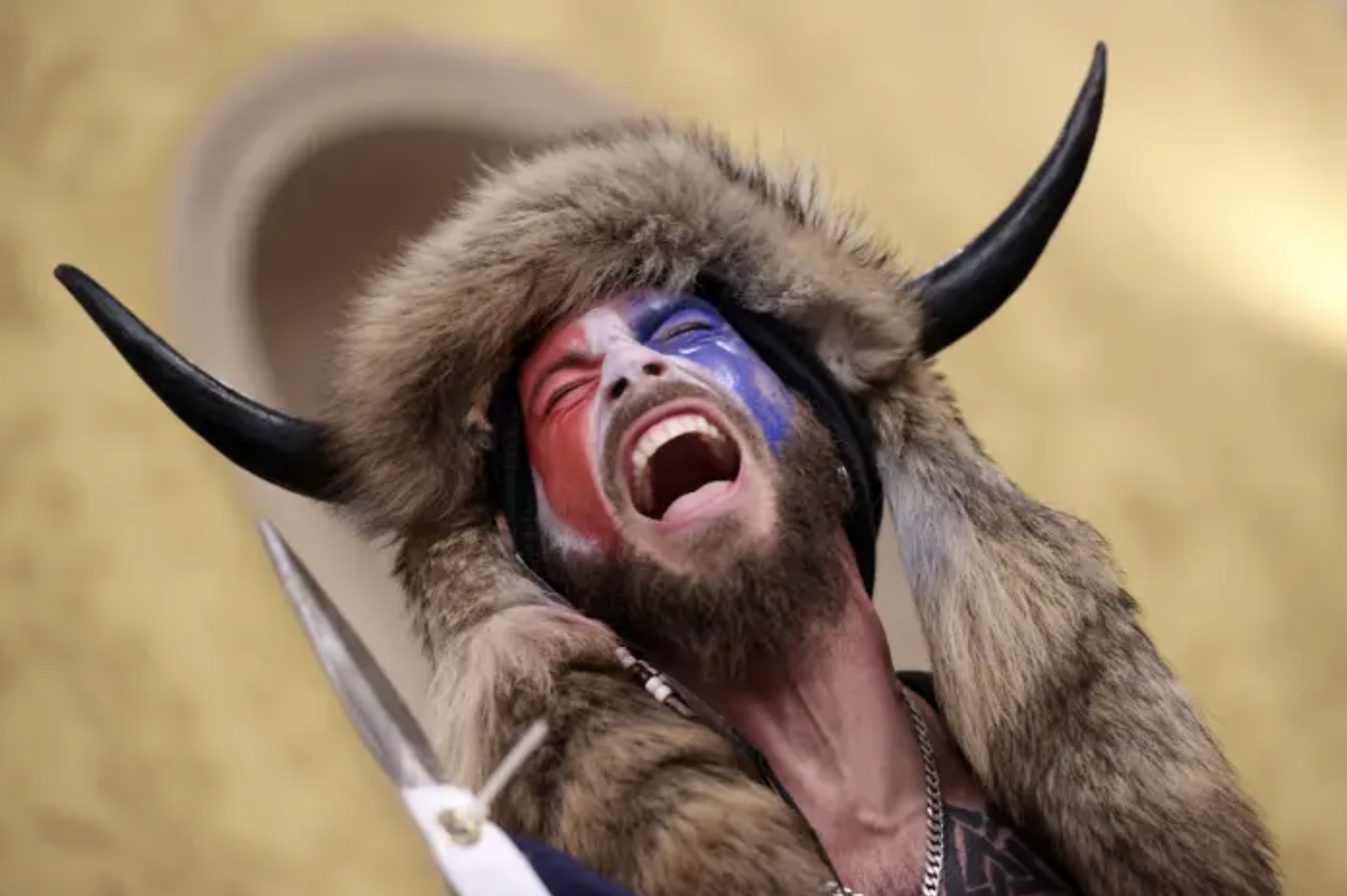 Jacob Chansley inside the US Capitol on Jan. 6 (Win Mcnamee/Getty Images) Jacob Chansley — an insurrectionist who was photographed rioting at the Capitol and triumphantly posing shirtless on the Senate dais — pleaded guilty to one count of obstruction of an official proceeding on Friday.
His plea marks the beginning of the end of one of the most high-profile Jan. 6 prosecutions to date. Most defendants have attempted to keep a low profile, especially since judges have signaled that they do not want cases tried in the press. But Chansley at one point taped an interview from jail that aired on 60 Minutes+ in March, and even offered himself as a witness for Trump's impeachment trial earlier this year. He was not called to testify.
Chansley faces an estimated sentencing range of 41 to 51 months in prison, although he could argue for less time, and the judge has the power to hand down a sentence above or below that. He has been in jail since his arrest three days after the attack on the Capitol. PRESSURE AT THE TOP
Naomi Osaka said she might take a break from tennis after revealing she doesn't feel happy when she wins anymore. 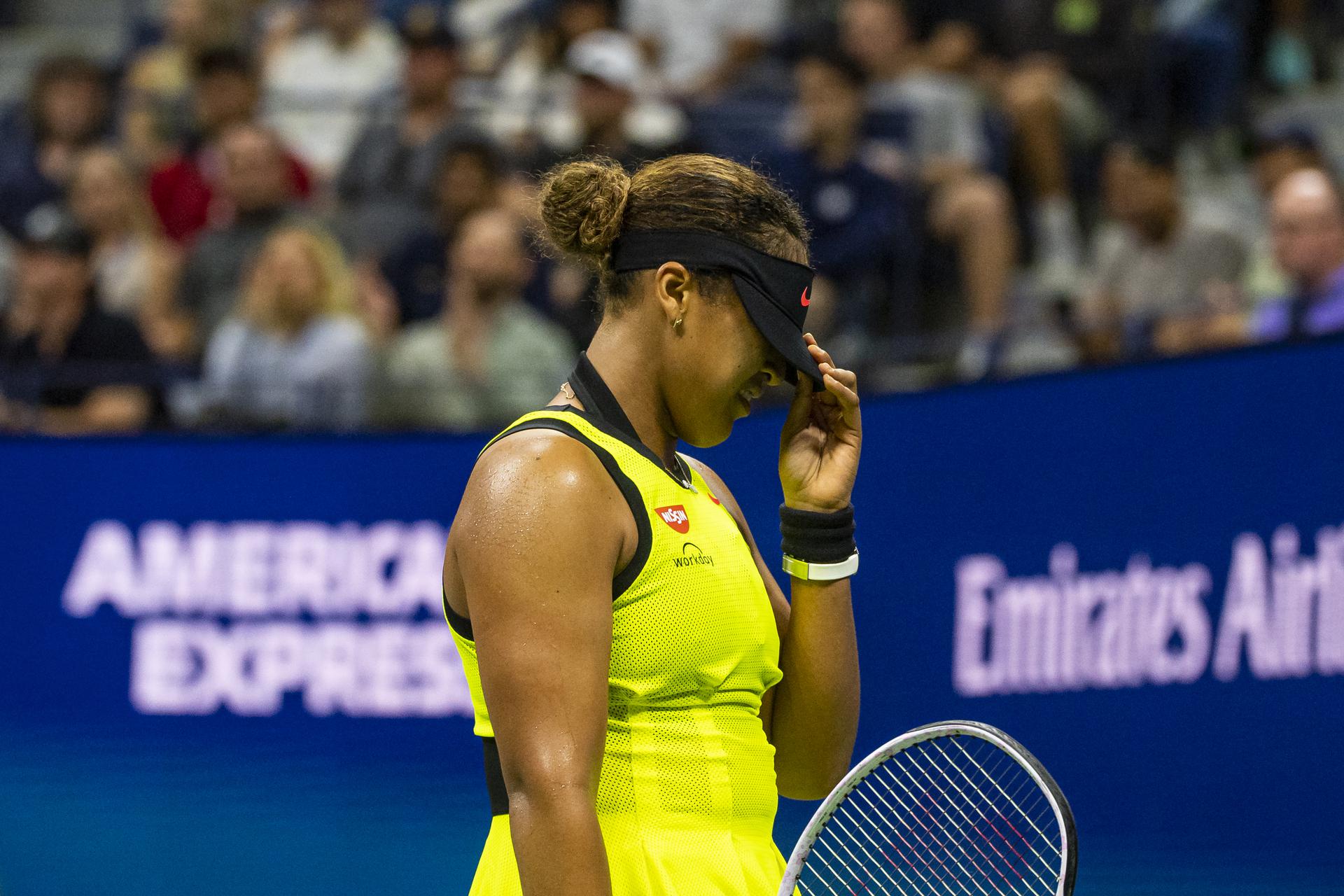 Naomi Osaka in the third round of the women's singles at the US Open on Sep. 3 (TPN/Getty Images) After losing in the third round of the US Open on Friday, athlete Naomi Osaka got candid about pausing her tennis career to address her mental health.
"I feel like, for me, recently, when I win, I don't feel happy; I feel more like a relief. And then, when I lose, I feel very sad," Osaka said. "I don't think that's normal."
Osaka has openly shared her struggles with the pressure of the sport and the expectations that come with playing at the top level. The US Open was the first Grand Slam tournament she's competed in since withdrawing from the French Open in May, where she was fined $15,000 for opting out of press conferences to protect her mental health.
Similarly, in an effort to raise awareness about the immense pressure elite athletes face, tennis star Sloane Stephens shared some of the thousands of abusive online messages she received following her US Open loss. "This type of hate is so exhausting and never ending," she wrote. "This isn't talked about enough, but it really freaking sucks..." Reach out to someone you care about today, Alexa 📝 This letter was edited and brought to you by Alexa Lee and BuzzFeed News. You can always reach us here.
👉 Your support of BuzzFeed's journalism does not constitute a charitable donation, and your contribution is not eligible for a tax-deduction. This is part of an effort to explore a deeper relationship with our most active supporters. BuzzFeed, Inc. |


Post a Comment