| In its heyday, the Chinese soccer club Guangzhou Evergrande outbid the fanciest sports franchises in Europe to field the world's top talent. Big foreign signings such as the Colombian striker Jackson Martinez—lured away from Atlético Madrid for $46 million—bought sporting success for the club's billionaire co-owners, Xu Jiayin, chairman of real estate conglomerate Evergrande, and Jack Ma, founder of Alibaba. Evergrande won the China league eight times in the last decade. But the biggest prize these two moguls sought has proved elusive: the favor of President Xi Jinping, China's No. 1 soccer fan. After Xi came to power in 2012, he made it known he wanted to turn China into a "soccer superpower," host the World Cup—and win it. Responding to that challenge, some of China's richest tycoons developed a passion for the "beautiful game" and splashed out on soccer clubs and star players. Today, the fortunes of the tycoons who sought to curry favor with Xi are sinking fast. - The Biden-Xi phone call raises a key question: Who will blink first?
- China needs to regulate its artificial intelligence giants, watchdog says.
- Ivory Coast may bar the unvaccinated from accessing public sites.
- West Africa bloc says first meeting with Guinea junta " positive."
- Germany, France propose EU-led accord for Afghan neighbors.
Xu's property empire is teetering on the edge of insolvency as China's home market cools and the government tries to rein in corporate debt. This week, his soccer club reached out for state support to stay afloat. Ma's e-commerce giant is being savaged by state regulators as part of a government assault on Big Tech, and Ma himself is persona non grata after criticizing the government. Another Chinese real estate tycoon, Wang Jianlin, was forced to sell his stake in Atlético Madrid during a regulatory blitz several years ago aimed at reining in outbound investment. Meanwhile, Xi has soured on billionaires in general, no matter how much they try to please him. They've become the chief targets of his campaign to promote "common prosperity" —a leveling out of society after several decades of go-for-broke growth that produced China's equivalent of the Gilded Age. 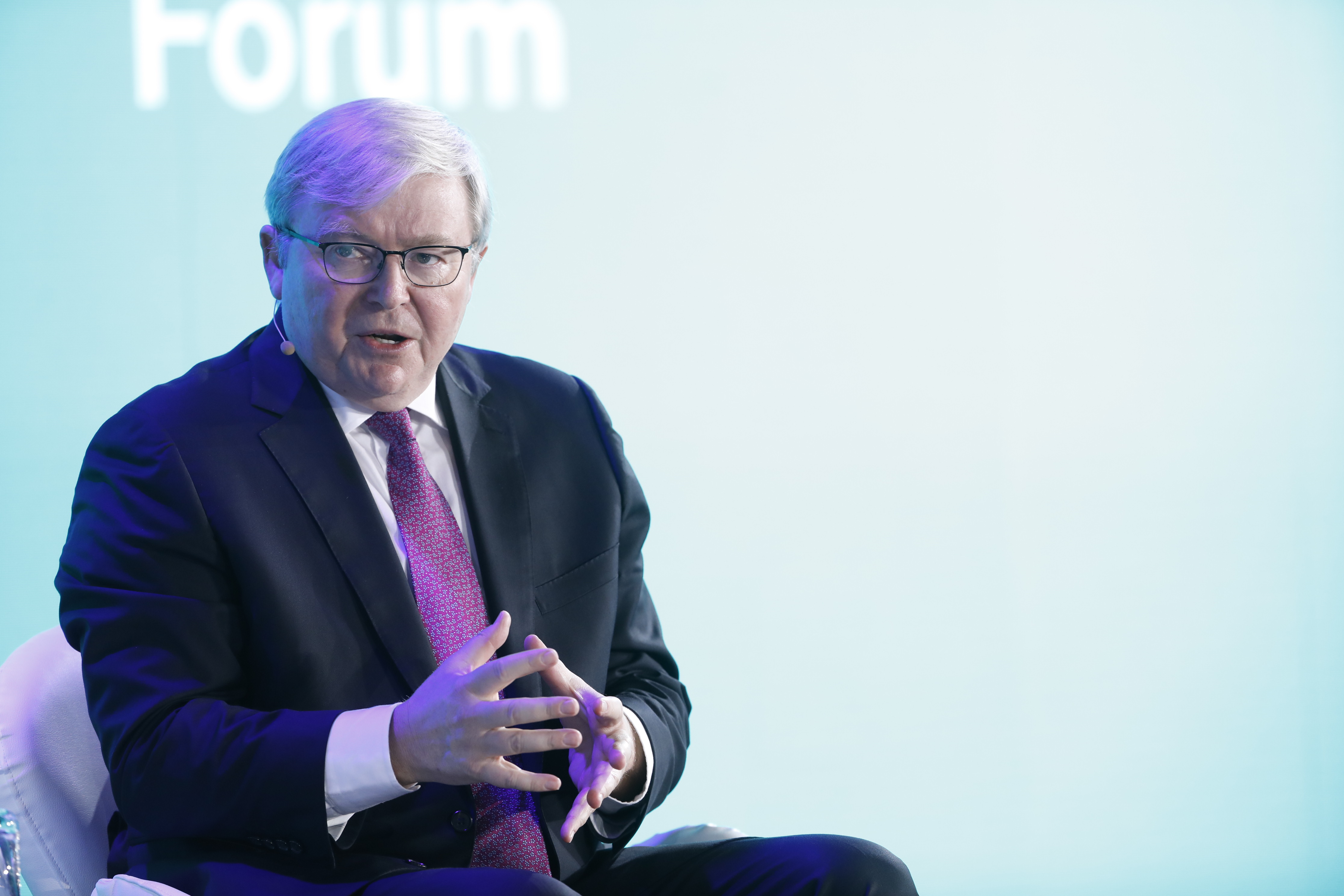 Kevin Rudd Photographer: Justin Chin/Bloomberg I didn't get around to soccer in the latest installment of my Bloomberg New Economy Conversations, but the fate of Chinese billionaires was a major talking point. Kevin Rudd, the former Australian Prime Minister who also happens to be one of the world's foremost Sinologists, explained the background to Xi's assault on plutocrats, who are being squeezed for billions of dollars in charitable contributions. In Rudd's view, Xi has turned sharply "left" on the economy, meaning a bigger role for the state in shaping economic and social outcomes and a smaller space for markets. "This is essentially about income redistribution, and therefore it is about the adequacy of wages, salaries, the adequacy of working conditions," said Rudd. "It's also a fairly direct attack on excessive remuneration levels for, let's call it, the Chinese billionaire class. It's a call for redistribution of income, and frankly pressure for these large firms to establish massive philanthropic funds as well." A key driver of Xi's shift, Rudd believes, is Marxism-Leninism, which is "very much part of his own world view." The Chinese economist Keyu Jin, an associate professor at the London School of Economics, puts a more positive spin on Xi's lurch to the left. "The emphasis is now on equity, as much as efficiency, morals as much as markets—and welfare," she contends. 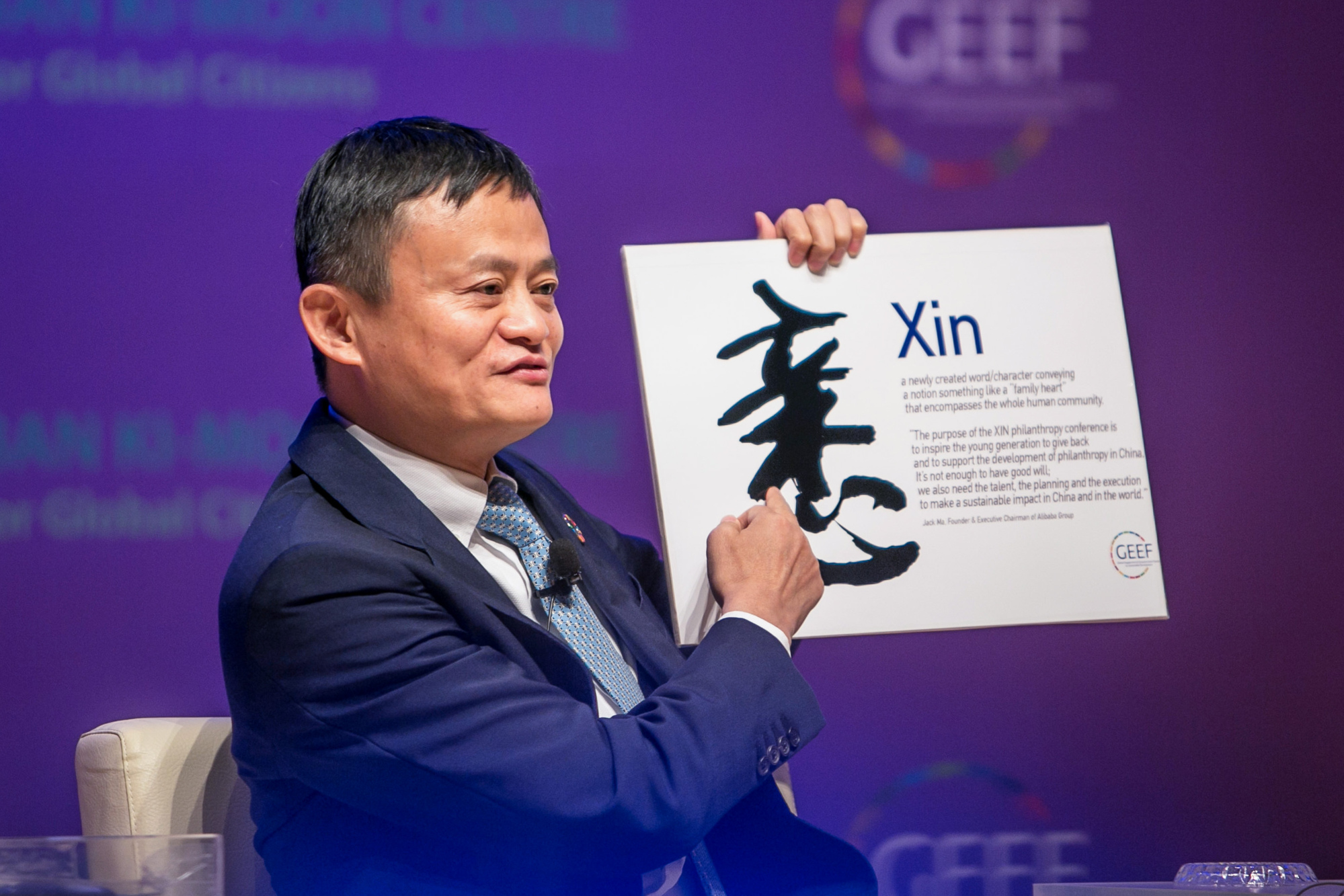 Jack Ma Photographer: Jean Chung/Bloomberg Won't all this dampen the "animal spirits" of China's entrepreneurs? Quite the opposite, according to Jin, who argues that tech behemoths like Alibaba squash innovation by using their monopoly power to buy up-and-coming companies before they become competitive. "Good entrepreneurs will be able to respond," she said. For James McGregor, the chairman of APCO Worldwide's greater China region (and the author of "One Billion Customers: Lessons from the Front Lines of Doing Business in China"), Xi is asserting Communist Party control. As for the takedown of Ma, "that was a signal to everybody on, 'Who's your daddy?'" Still, Xi is taking an enormous gamble. "Given the huge significance of the private sector in generating growth and innovation productivity, where will it leave China's aggregate growth numbers during the 2020s?" asks Rudd. The sorry plight of soccer in China is a reminder of the limitations of Xi's top-down planning—and how the personal desires of a single leader can create an almighty mess, even when well intentioned. Despite the vast sums pumped into the sport at Xi's encouragement, the Chinese men's soccer team is ranked 71st in the world, only a few spots higher than where it stood before Xi took power. Last year, 11 of China's 64 professional soccer clubs were kicked out of professional leagues for money problems, and five more voluntarily dissolved. Meantime, China's chances of qualifying for the 2022 World Cup are looking shaky. The team just lost 1-0 to Japan in Doha .
Banking on Digital—The Race to Transformation: The rise of consumer digital preferences, sophisticated cyber-attacks and increased fintech competition is fueling an eruption of digital disruption in legacy banking systems. Traditional financial institutions will never go back to business as usual. Join Bloomberg on Sept. 22 as we examine how technology is empowering business innovation. Sponsored by IBM. Register here. __________________________________________________________ The fourth annual Bloomberg New Economy Forum will convene the world's most influential leaders in Singapore on Nov. 16-19 to mobilize behind the effort to build a sustainable and inclusive global economy. Learn more here. Download the Bloomberg app: It's available for iOS and Android. Before it's here, it's on the Bloomberg Terminal. Find out more about how the Terminal delivers information and analysis that financial professionals can't find anywhere else. Learn more. | 






Post a Comment