| Rewind to mid-March of last year. There was a feeling that a few weeks of sheltering at home, combined with aggressive testing, tracing and isolation, would contain the epidemic in the U.S., much as aggressive actions in China and South Korea had. That turned out to be wrong, of course. Many experts overestimated Americans' tolerance for mitigation measures and underestimated the virus's stealth and persistence. Non-pharmaceutical interventions wouldn't save us. The only way to end the pandemic was a vaccine. This spring, with millions of shots administered each day in the U.S., there was hope that the inoculation campaign would put Covid mostly behind us — at least ending the surges that threatened to overwhelm hospitals. But again we were too optimistic about the willingness of Americans to get immunized and failed to account for the resilience of the virus and its variants. 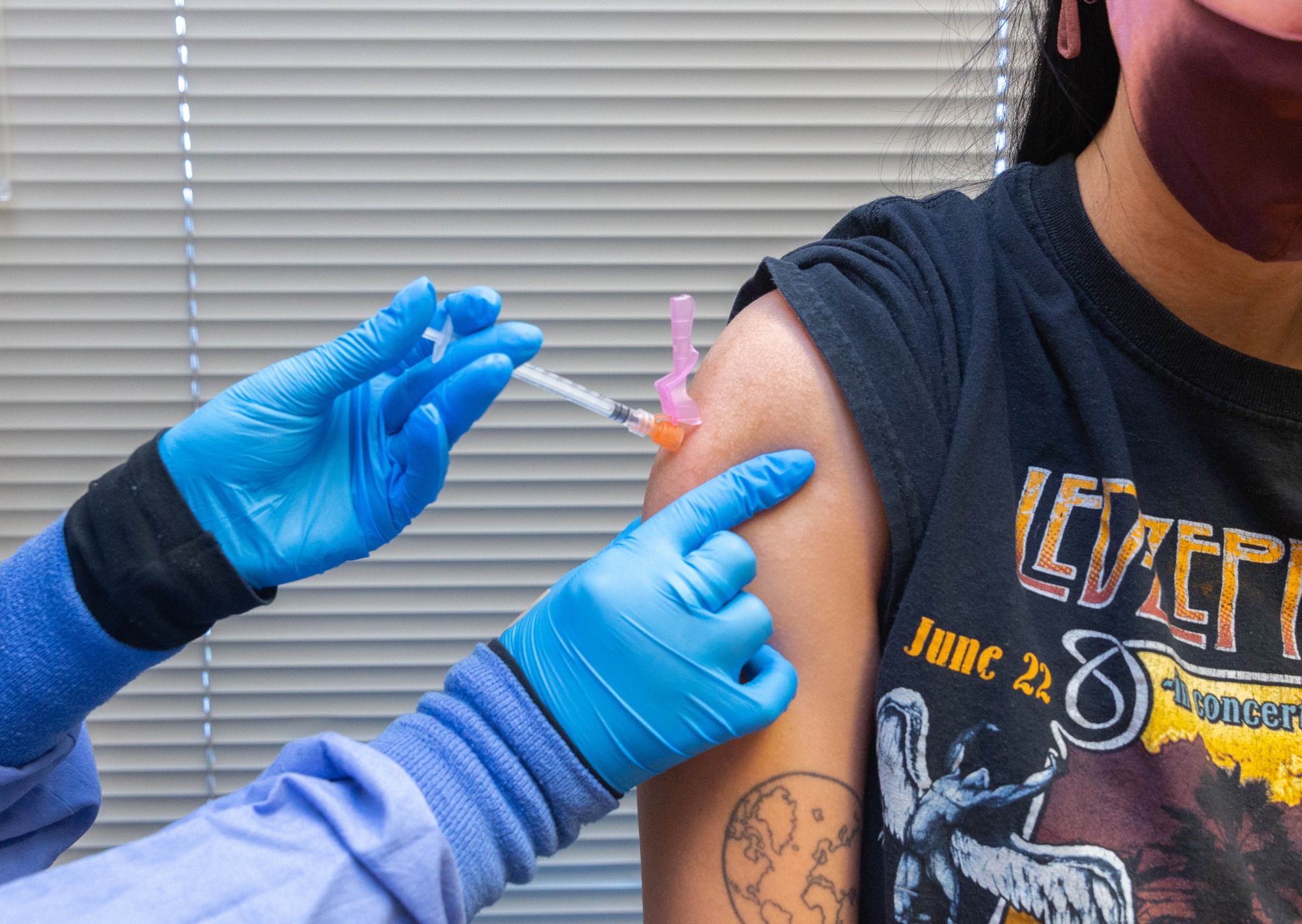 We were too optimistic about the willingness of Americans to get vaccinated. Photographer: Liz Sanders/Bloomberg Some employers that had planned to reopen offices this month have delayed their timelines. If you envisioned that the third school year of Covid would trade masks, Zoom classes and illness for a restored sense of normalcy, this September is likely to disappoint. As a nation, the U.S. hasn't put Covid behind us. The public health emergency formally declared almost 18 months ago remains in place. In its early weeks, it felt like one. Now the state of emergency feels perhaps less urgent but permanent. And that requires a cognitive shift. But that shouldn't mean complacency. Most Covid deaths are now preventable, and we should try to prevent them. The number of Americans who died from Covid in just the last week of August, 7,843, exceeds the total killed in the 9/11 attacks and deaths of U.S. troops over 20 years of war in Afghanistan, combined. Those events still reverberate, and Covid will too. In places like the U.S., with abundant access to vaccines, we have more power than ever to shape the future course of the pandemic. The question is how we will use it. —John Tozzi | 


Post a Comment