| This is Bloomberg Opinion Today, a herd of Bloomberg Opinion's opinions. Sign up here. 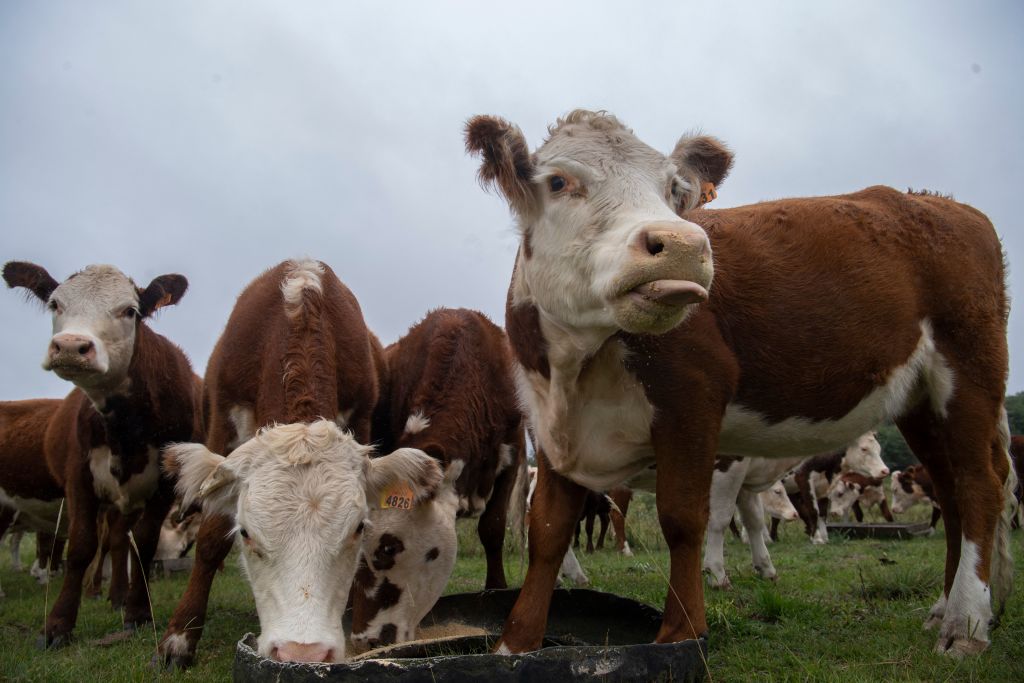 Are we immune yet? Photographer: PABLO PORCIUNCULA/AFP The year is 2025. The Covid pandemic is in its 16th wave. We left the Greek alphabet behind long ago and now name variants like tropical storms. Variant Irene, now sweeping the U.S. East Coast, has evolved to hire lawyers and open small delis, what epidemiologists call "going legit." Victims grow pigs' ears and can speak only in Korean boy band lyrics. There may still be a chance that, long before 2025, vaccines and infections will produce herd immunity, leaving Covid no purchase. But the delta variant has made that goal much harder to achieve, writes Sam Fazeli. Because delta is so much more transmissible than Original Formula Covid, many more people need to get vaccinated or infected now to deprive the virus of new victims. And infections could lead to new, more annoying variants. The best we can hope for might be that Covid becomes like a cold or flu — around forever, but only deadly to a few. Still, it can be hard to stomach going back to full lockdowns even on this, the fourth or fifth or whatever wave. Ramesh Ponnuru argues extreme measures are less necessary than they once were, given how relatively safe the vaccinated are. How much should the rest of us suffer to protect people who think Covid shots are a Bill Gates plot to microchip us all? One new approach we could use in this fall's seemingly inevitable wave is to put kids first, writes Andreas Kluth. Last year we sacrificed their schooling and socializing to protect the elderly. Now that most older people have immunity — at least in the wealthy world — the focus should be on making sure kids get safe in-person learning. Getting them vaccinated would be a huge help; rates for even eligible kids are far too low. But maybe we could also try shutting down bars and gyms instead of schools this time. Or maybe we'll try it in 2025. For a brief time last year, President Donald Trump and New York Gov. Andrew Cuomo were seen as the Goofus and Gallant of American governance. That was mainly due to Cuomo clearing such low hurdles as consistently expressing concern about Covid and not suggesting people inject bleach. But now you can't give away "Cuomosexual" paraphernalia, especially not after yesterday's blockbuster report from the New York attorney general accusing Cuomo of relentless sexual harassment and retaliation. He denies the allegations, but his reputation has plummeted to Goofus levels. One major difference between the two is that Trump — for whom sexual harassment was merely the opening bid in a jackpot of misconduct allegations — continues to dominate the Republican Party. In contrast, every Democrat from the president of the United States to the Poughkeepsie dog-catcher rushed to the nearest microphone yesterday to stick a fork in Cuomo. This has been a consistent difference between the parties of late, writes Jonathan Bernstein: Dems have much lower tolerance for misbehavior than Republicans do, which may speak to their respective abilities to govern. Meanwhile, Trump's legal troubles keep mounting, including the recent Justice Department ruling that Congress can look at his tax returns. Trump's lawyers argue Congress doesn't need to see them and that all future presidents should be thankful he's fighting to keep them secret. But Tim O'Brien writes Congress still has an interest in knowing exactly how Trump's many financial entanglements compromised him. And more broadly, we still need lawmakers to hold presidents in check once in a while — maybe even when they seem like Gallants. Bonus Politics Reading: China barely makes a dent in the world's most valuable companies, writes Matthew Winkler. It hasn't helped the cause lately by taking a machete to their stock prices.  Boris Johnson's big "net zero" promises sound good, but the trick will be paying for them, writes Jonathan Ford. 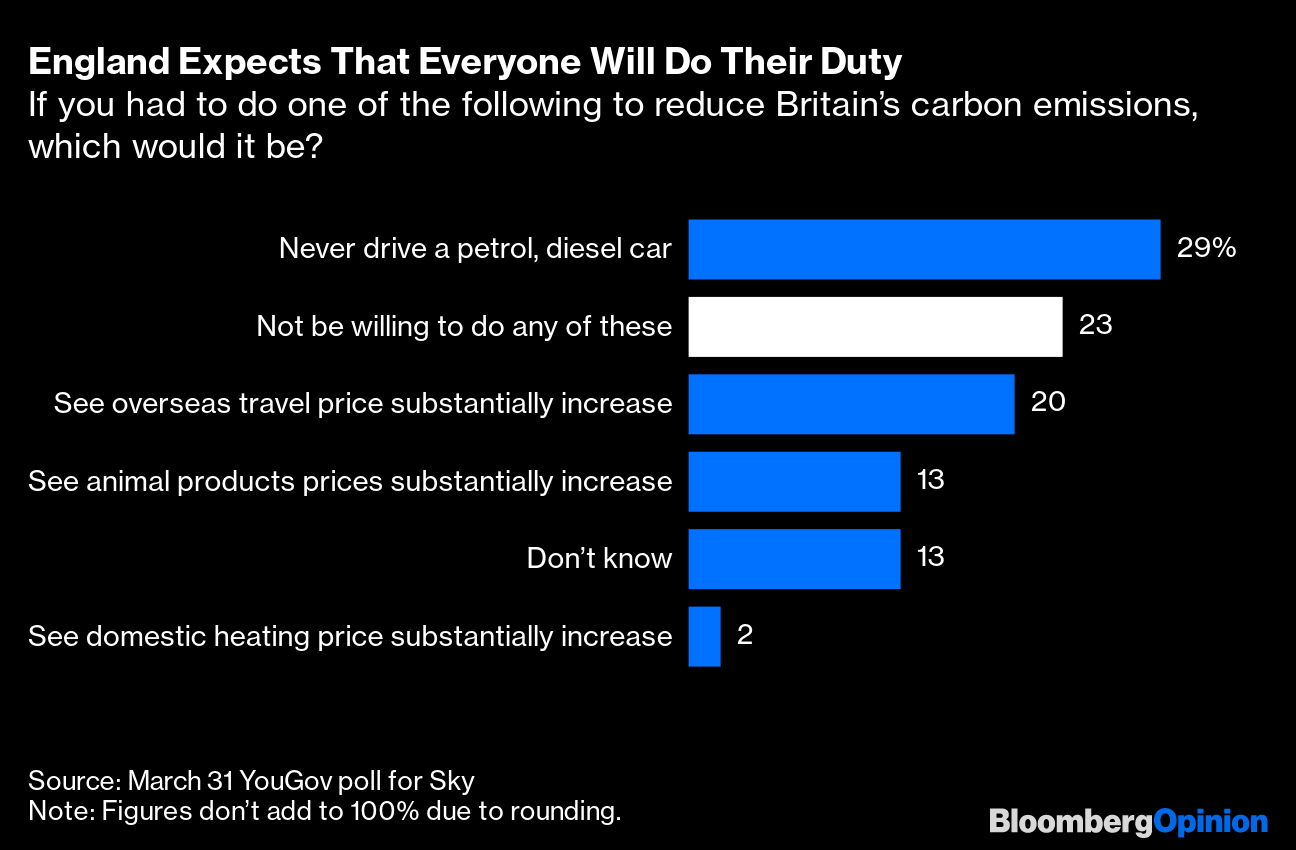 The U.S. wants secure supply chains, and Latin America could fill that role, if it can get its political act together. — Shannon O'Neil India's protectionism will make it hard for Tesla or any other automaker to build there. — Anjani Trivedi An international payments system called Nexus could do away with expensive wire transfers. — Andy Mukherjee Is SoftBank's Roche stake a sign it's exploring new ground as hedge funds crowd its VC domain? And will it work? — Shuli Ren Black homeowners typically get lower appraisals than White ones. Here's how they can protect themselves. — Tiffany Aliche Florida hospitals are short on oxygen because Gov. Ron DeSantis won't declare an emergency. Americans would rather take a pay cut than go back to the office. A preview of the "Sopranos" prequel. A $5,800 whiskey bottle given to Mike Pompeo is missing. An AI is building "master faces" that can beat facial recognition. Some spiders can kill and eat massive snakes. (h/t Scott Kominers for the first three kickers) Longer days may have fostered complex life on Earth. Applied geometry found on 3,700-year-old tablet.  Notes: Please send master faces and complaints to Mark Gongloff at mgongloff1@bloomberg.net. Sign up here and follow us on Twitter and Facebook. | 


Post a Comment