| This is Bloomberg Opinion Today, a Rust Belt of Bloomberg Opinion's opinions. Sign up here.  Home sweet home? Photographer: Found Image Holdings Inc/Corbis Historical/Getty Images If you're a young or young-at-heart professional looking to flee a coastal American megacity at a time of pandemic and rising sea levels, there's a magical place you can go that offers ample tourist attractions, lovely nearby wilderness, major sports and a booming economy. This magical place is, of course, Cleveland. Or Chicago. Or Detroit. Or Pittsburgh. Maybe you thought I was going to say Orlando. Or Dallas. Or some other Sun Belt locale. After all, these are the places most people are moving these days. But in a lot of these places the economy isn't growing as fast as the population, writes Pete Saunders. Worse, high demand has put home prices out of reach for many people there. These aren't problems in the Rust Belt right now. It's finally enjoying an economic renaissance, having shed its clunky industrial model for a sleeker, techier ride. But people are still fleeing for Florida or wherever, keeping housing relatively affordable. Yes, these places may be colder and icier in the winter than what you are used to. But, as you may have heard, the planet is heating up rapidly. And the thing about the Sun Belt is the Sun — it's right there in the name — whose heat grows fiercer by the day. It could even make a Chicago winter less terrible in the near future. One thing all this heat will do is make large parts of the Jersey Shore disappear. Melting glaciers are not only filling up the ocean but also making the very land itself tilt away from the Isles of Snooki, writes Frank Wilkinson. It is still possible to preserve the shore, but the weapons deployed against Mother Nature will get expensive and unsightly in a hurry. And the whole effort will mostly benefit a tiny handful of rich people. What better vantage point for watching that political and cultural drama unfold than in a cozy Cleveland mansion? Bonus Housing Reading: Reform the Community Reinvestment Act to end the racist legacy of redlining. — Bloomberg's editorial board A famous trope of film and fiction is when old rivals team up to fight a common enemy, such as the dwarves and elves in "The Hobbit," the raptor and T. Rex in "Jurassic World" or the misfits and bullies in "Ernest Goes to Camp." The U.S. government and Big Tech are now living out this trope. President Joe Biden has asked companies to help patch the yawning holes in the country's cybersecurity, writes Parmy Olson in her first column for Bloomberg Opinion. The two haven't always played nice together, and the Biden administration is still threatening a regulatory crackdown. But tech has more incentives to help this time, including that aforementioned dangling regulatory sword. It has all the makings of a buddy movie. Further Tech Reading: Though inflation hawks may never see their long-awaited 1970s-style runaway inflation unfold, we have to acknowledge prices are a lot higher for some stuff right now than they were a year ago and could stay that way for a while, writes Justin Fox. 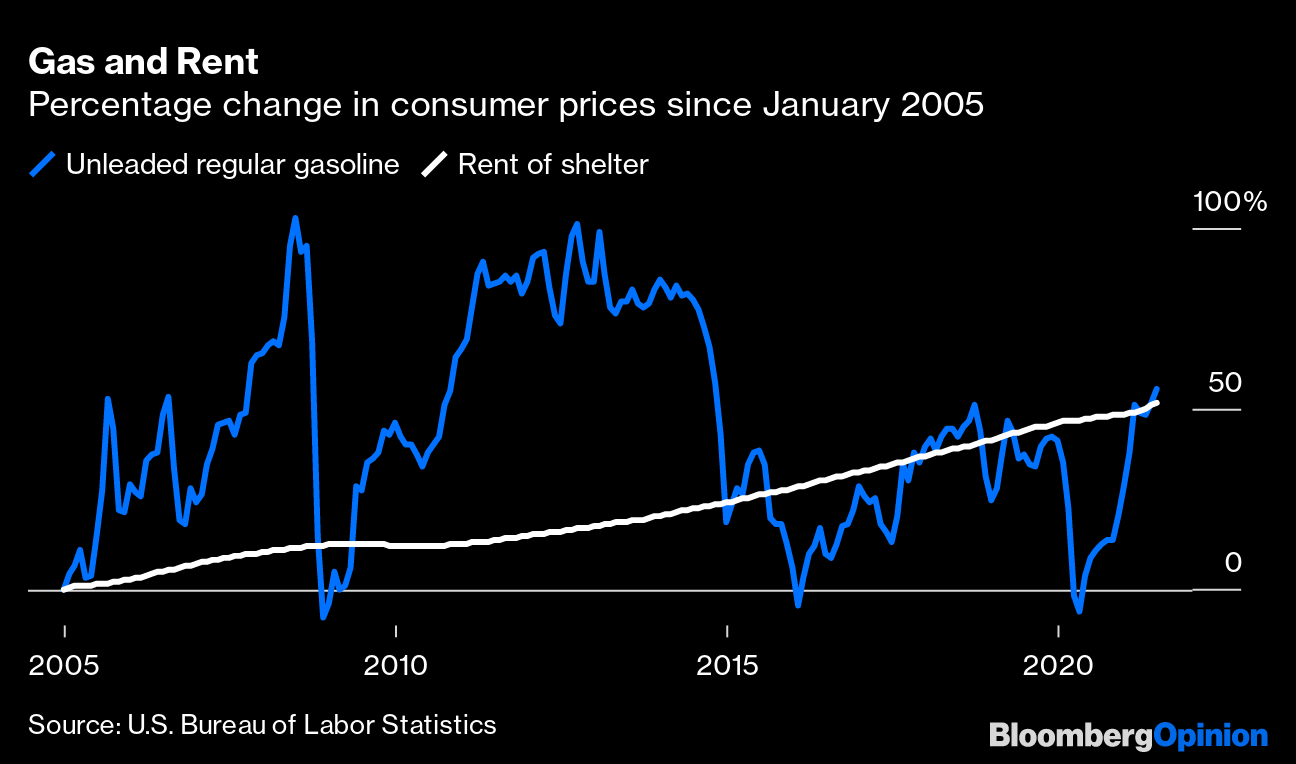 In fact, some of these price increases will probably stick. That could be fine if wages rise too, but policy makers also must avoid unleashing a wage-price spiral. Mohamed El-Erian argues the Fed took a step closer to such a money mistake last week by not promising to unwind its bond-buying program more quickly. The tricky thing is that, no matter how high prices are now, unemployment is still pretty high, too, writes Bill Dudley. Getting people back to work is the Fed's ONE JOB right now, and at least it is acknowledging the risk of inflation. Sometimes all you can do is take the first step and admit you've got a problem. Hurricane Ida will raise electricity prices for people in Louisiana, who already bear an unusually high personal burden for the cost of power, writes Liam Denning. Louisiana won't be the only state with the problem of figuring out who pays for climate-proofing electricity. 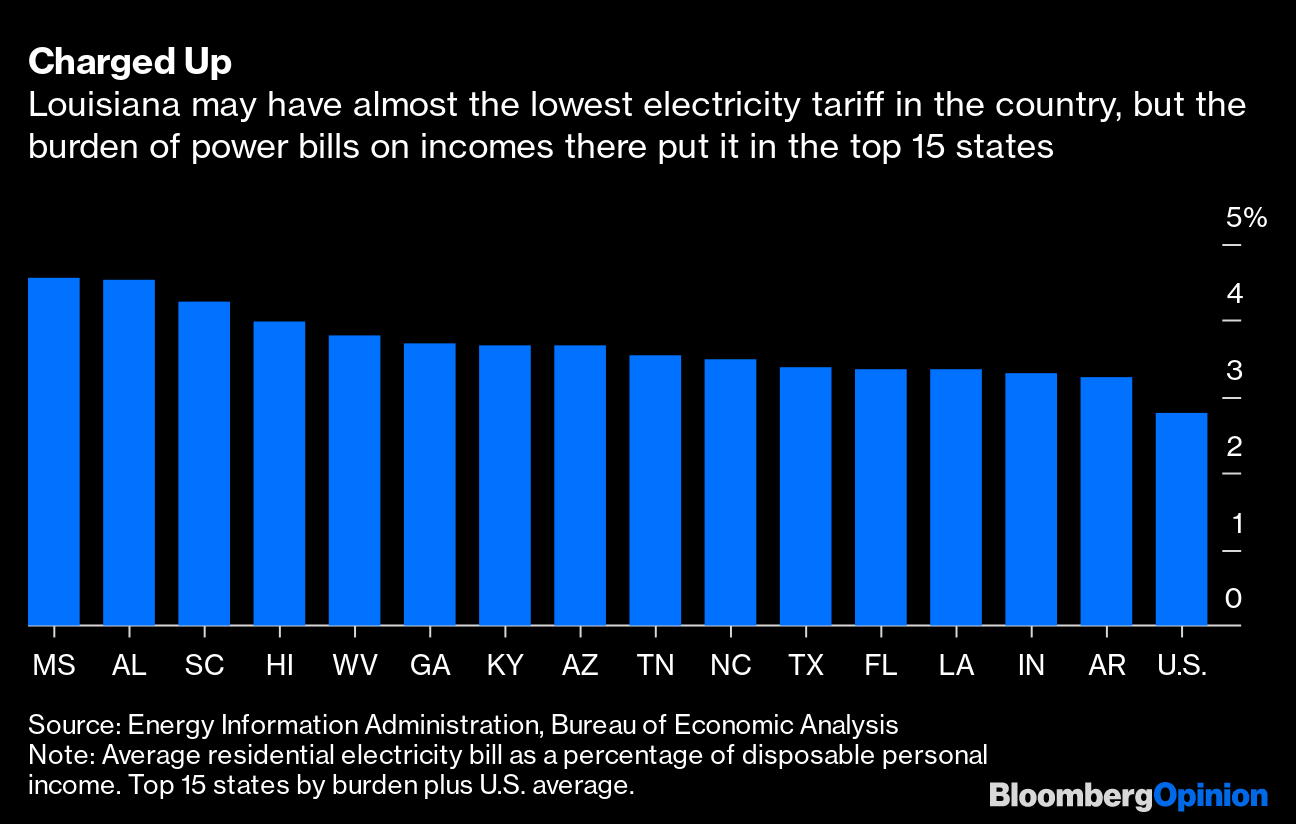 Western imperial hubris is alive and well in the supporters of endless war in Afghanistan. — Pankaj Mishra Angela Merkel was no hero of democracy. She set Germany and the EU back by decades. — Niall Ferguson Why is the IMF financing a brutal regime in Belarus at the same time the West is sanctioning it? — Nigel Gould-Davies India's approach to Afghanistan has not paid off. — Anjani Trivedi Vietnam could be a key trading partner and ally against China, but it needs to move up the value chain. The U.S. can help. — Noah Smith Fish farming done right can help protect the ocean and wild populations. — Amanda Little The 10 things I wish I knew when starting my career. — Barry Ritholtz U.S. troops have left Afghanistan. The EU will reimpose travel curbs on the U.S. China is limiting kids to three hours of video games per week. Warren Buffett is 91. An AI figured out why "Macbeth" is so creepy. (h/t Alexandra Ivanoff) New class of habitable exoplanets just dropped. R.I.P. Talking Toilet inventor Don Poynter. (h/t Ellen Kominers for the past two kickers) FINALLY: Scientists have attached trackers to murder hornets. (h/t Scott Kominers)  Source: Marika Lynch Source: Marika Lynch Notes: Please send murder hornets and complaints to Mark Gongloff at mgongloff1@bloomberg.net. Sign up here and follow us on Twitter and Facebook. | 


Post a Comment