| The China Federation of Literary and Art Circles doesn't usually weigh in on matters that affect the Chinese economy. It operates in the sphere of ideology, ensuring that cultural output toes the Communist Party line. For that reason, it sponsors the Golden Rooster movie awards, China's answer to the Golden Globes. But these days, most everything in China is ideological, including the stock markets. So when the federation and four other state propaganda arms issued a sternly worded set of "opinions" on how to conduct literary and art criticism, investors took the admonishment as a "sell" signal for a group of listed companies that use algorithms to promote online content. These included Kuaishou, Bilibili, Tencent and ByteDance, which operates the wildly popular TikTok app. Thus, the guardians of China's artistic expression this week contributed to the $1 trillion slide in China tech shares. 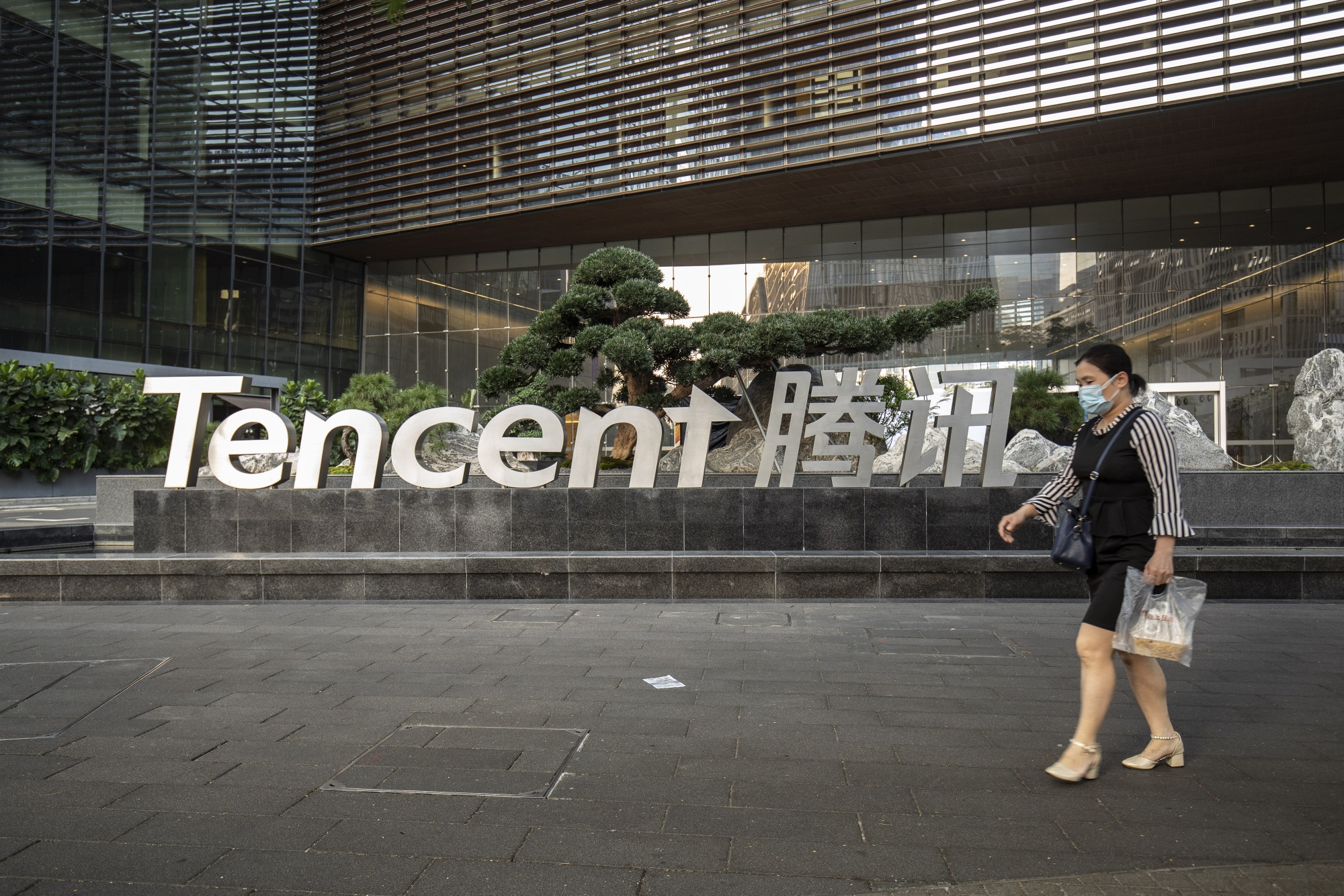 Tencent Holding's headquarters in Shenzhen, China. The company appeared to investors to be included in the latest round of Beijing's regulatory crackdown. Photographer: Qilai Shen/Bloomberg
As Chinese authorities intensify their assault on the tech sector, investors are desperately searching for a rationale that will clarify which industries will be the next targets—and which ones are safe.
One widely discussed, charitable theory behind all this is that President Xi Jinping has determined now is the moment to address the country's widening social inequities, fueled by spiraling costs of housing, healthcare and education. Hence, the theory goes, last week's action to torpedo the multibillion-dollar education technology sector was intended to stop a high-priced arms race that's crushing middle class parents. But any serious effort to bring down prices in China would arguably start with public policy. Edtech is a market response to an education system that was already brutally competitive (and in rural areas, chronically underfunded). Chinese parents spend great sums to help their children successfully navigate the "gaokao," the college entrance exam that holds the key to social mobility. Ironically, one consequence of Xi telling edtech companies they can no longer turn a profit is that parents may soon be forced to pay even more money—for home tutoring. 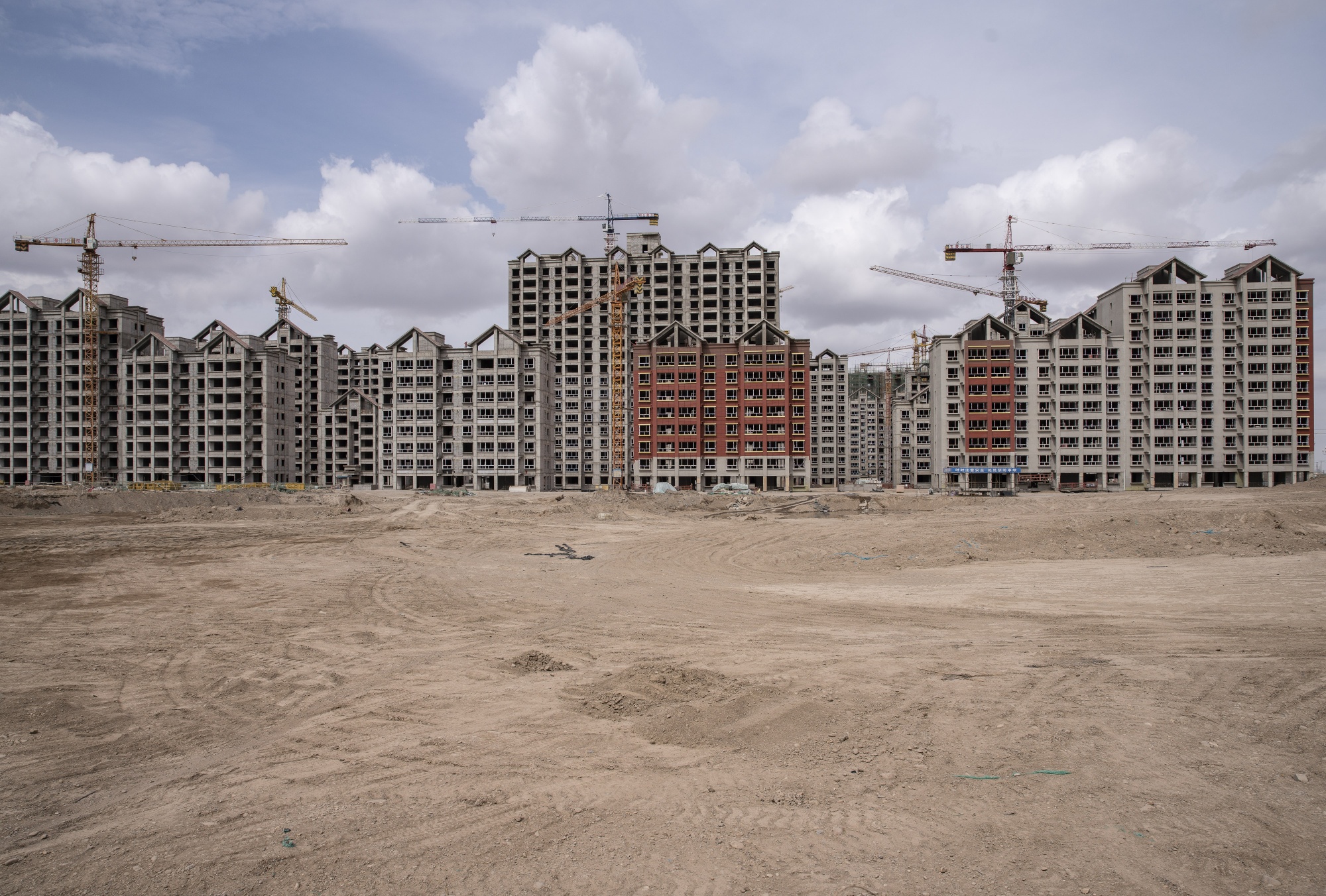 Residential buildings under construction in Yumen, China. Real estate across China has become largely unaffordable to many Chinese. Photographer: Qilai Shen/Bloomberg Similarly, real estate has become unaffordable (around 40 times average annual incomes in Beijing and Shanghai, the most expensive markets in the world) in part because local governments use land sales to fund economic development—and therefore have a vested interest in high land prices. This is a fiscal problem. It's the same story in Chinese healthcare. The entire national system is built around for-profit hospitals. Unsurprisingly, the best ones are located in wealthy coastal cities, leaving vast areas of inland China without adequate care. When rural residents travel to cities for medical emergencies, they're sometimes fleeced by doctors making money for their hospitals (and sometimes themselves) by massively over-prescribing drugs and procedures. Schools are run by the government. So are many hospitals (with quite a few operated by the military). All land in China is owned by the state. Why, then, are regulatory attacks exclusively aimed at private businesses and the area where entrepreneurs have made their greatest mark on the economy—the internet? One could make the case that the tech sector has become an easy scapegoat for problems so entrenched that solving them will take a revolution from above. Also, teaching big shots a lesson plays well with millions of less wealthy Chinese, an important political consideration for a government fearful of a revolt from below. So a more cynical explanation for the crackdown sees Beijing reining in the one class with enough wealth, social standing and strategic resources to compete for influence with the Party: billionaire tech moguls. Instead of reallocating state resources to head off social unrest, Beijing is simply realigning power. 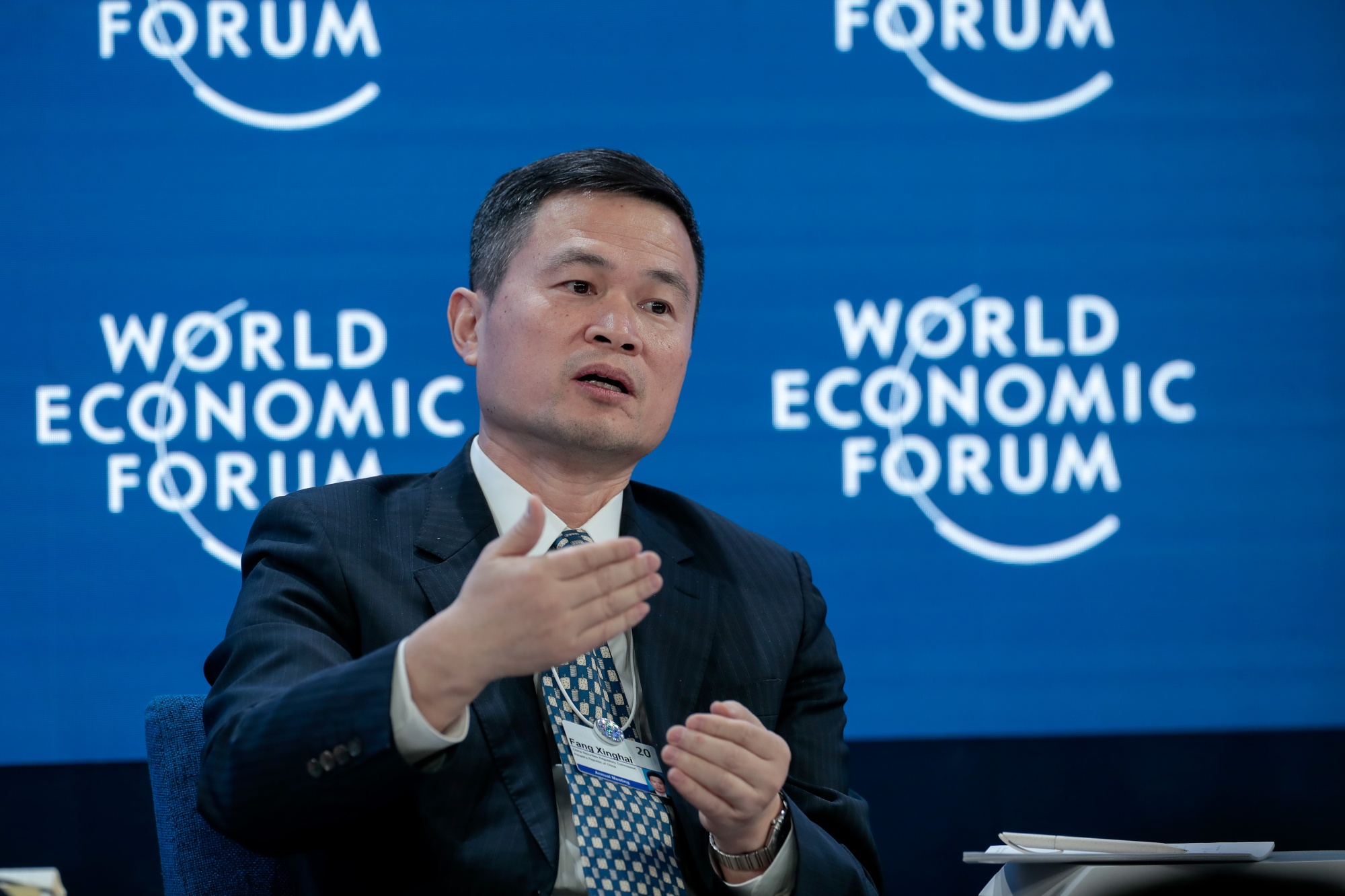 Fang Xinghai Photographer: Jason Alden/Bloomberg Last week, a top securities regulator, Fang Xinghai, met with foreign bankers and investors to try to persuade them that this crackdown is industry-specific—and therefore limited in scope. It's aimed, he said, at correcting particular abuses like low pay for gig-worker delivery drivers and data privacy breaches. Unfortunately for investors, at the sharp end of the crackdown are trained ideologues, like those in the state literary and arts establishment whose "opinions" included the decidedly un-technocratic instruction to "promote truth, goodness and beauty, criticize fake, evil and ugliness." Brokerage floors are in uproar, with each new proclamation sending Chinese company stocks downward. A publication owned by state-run Xinhua rails against online gaming as "spiritual opium," and gaming giant Tencent sees its stock plummet. Another propaganda affiliate, the People's Daily, draws a link between alcohol and cancer, and liquor maker Kweichow Moutai takes a hit. Xinhua announces that kids are getting hooked on e-cigarettes, which is suddenly bad news for Shenzhen Jinjia Group.  Cathie Wood Photographer: Bloomberg Since then, Xinhua pulled its "spiritual opium" pronouncement. What can this mean? Maybe worried financial regulators intervened after Party adjutants over-interpreted Xi's intentions. But whatever the reason, institutional investors aren't geared for this kind of kremlinology. Cathie Wood's Ark Invest, for one, has responded in a seemingly logical fashion to extreme non-market risk: She's pulling out of China altogether.
The fourth annual Bloomberg New Economy Forum will convene the world's most influential leaders in Singapore on Nov. 16-19 to mobilize behind the effort to build a sustainable and inclusive global economy. Learn more here. __________________________________________________________ Arm yourself with the latest developments from the world of global trade and shipping—sign up to get Bloomberg's Supply Lines newsletter in your inbox daily. Download the Bloomberg app: It's available for iOS and Android. Before it's here, it's on the Bloomberg Terminal. Find out more about how the Terminal delivers information and analysis that financial professionals can't find anywhere else. Learn more. | 


Post a Comment