| Hello. Today we look at risks to the global economic outlook posed by the delta variant, the health of U.S.-China trade and the monetary policy outlook in China after the recent RRR cut. The past year has been an exercise in humility for economic forecasters, and it shows in how they are currently thinking about the rapid spread of the highly contagious delta variant of Covid-19. Most see limited impact on the outlook for strong recoveries in most major economies, but they're quick to flag the possibility things could turn out worse than they expect. The latest tumble in bond yields, and Monday's stock-market rout, argue against dismissing tail risks, as Andrew Husby at Bloomberg Economics indicated in a note this week. Husby highlights three factors that give him some confidence: - While Covid-19 cases have been surging, hospitalizations and deaths haven't, showcasing how vaccinations have disrupted that link
- The biggest impact is in areas of lesser economic importance, as seen in some southern U.S. states
- Some of the groups most at risk are least likely to change behavior, such as vaccine opponents who continue to go to restaurants and retail outlets
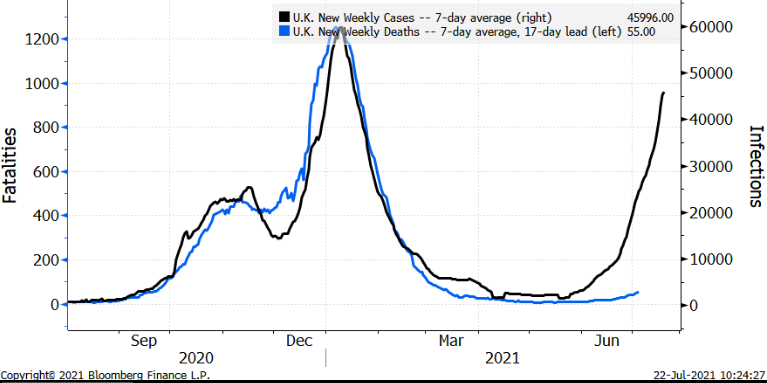 JPMorgan economist Jesse Edgerton also observes that the latter waves of the pandemic haven't been anywhere near as painful as the initial shock. "Even the massive winter wave produced a relatively modest pullback in travel and entertainment spending before it crested," he wrote in a note Wednesday. Some are trimming forecasts, though there's been no big rush of downgrades. Citigroup's team cut global GDP growth for 2021 by 0.1 percentage point, to 5.9%, but left 2022 unchanged at 4.2%. Citigroup analysts see some downward pressure on industrial output, and "growing nervousness" about the delta variant causing some households to be cautious about returning to work and play. Apple's move to push back its office re-opening by at least a month to October underscores that danger. But for now, there's no reason to be alarmed, according to Aneta Markowska, chief U.S. economist at Jefferies: "So far, we haven't seen any impact in the U.S. when it comes to real-time data. In fact, it looks like momentum actually improved in June, with foot traffic in particular. And that requires the opposite of social distancing."
One thing to keep a close eye on, economists say: school reopenings, now just weeks away. —Chris Anstey - Got tips or feedback? Email us at ecodaily@bloomberg.net
- Check out the latest Stephanomics podcast, where host Stephanie Flanders explores whether your privacy is at stake as central banks develop digital currencies
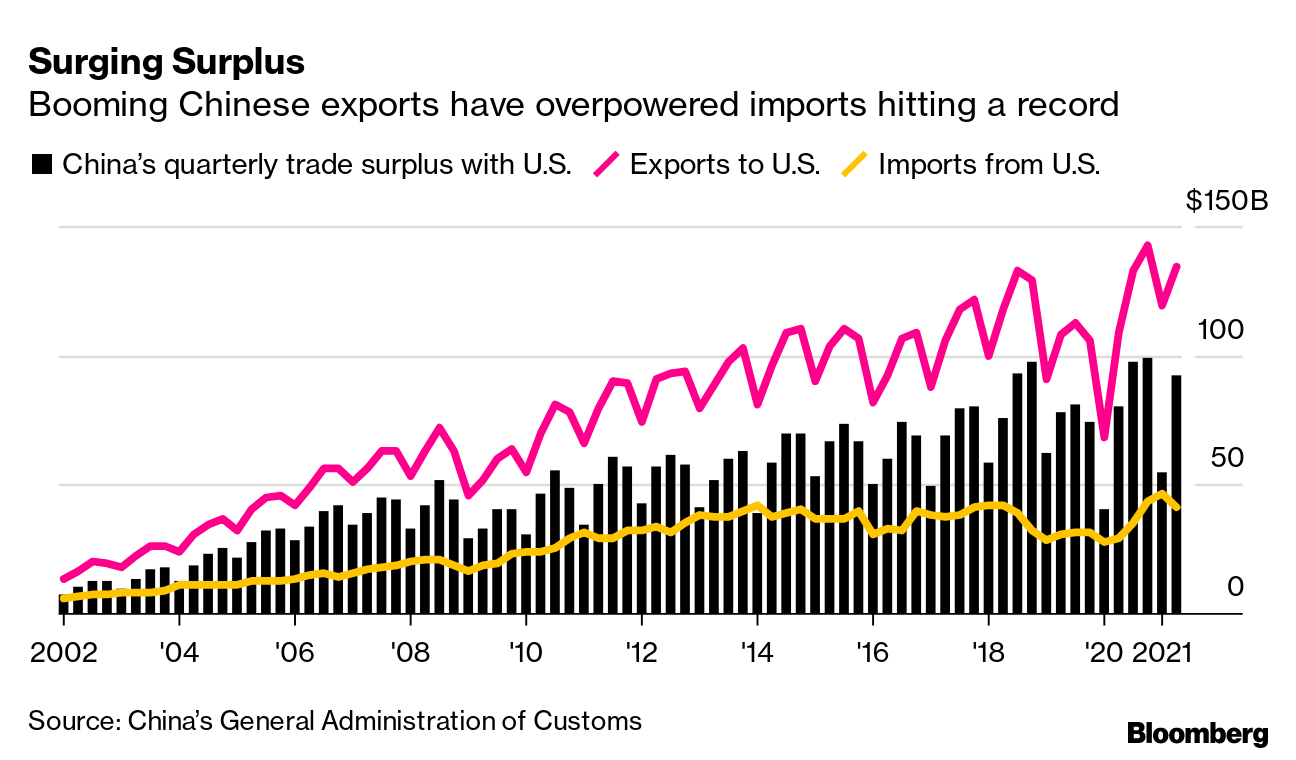 China and the U.S. are shipping goods to each other at the briskest pace in years, making the world's largest bilateral trade relationship look as if the tariff war and pandemic never happened. That's making bilateral trade in goods is an area of stability in a relationship that has otherwise continued to deteriorate, with rising tension over Hong Kong, Taiwan, human rights, the origins of the Covid-19 pandemic, accusations of computer hacking and many other flashpoints. - Biden-Fed | Jerome Powell enjoys broad support for his renomination as Federal Reserve chair among top White House advisers, according to people familiar with the matter. Meantime, President Joe Biden dismissed concerns that the U.S. will experience persistent inflation as the economy emerges from the pandemic.
- Rate decision day | The European Central Bank is about to outline on how its new inflation goal affects its intentions for future monetary policy. Meanwhile, Indonesia left its benchmark rate unchanged, and lowered its growth outlook for the year, and South Africa and Ukraine are also predicted to hold rates.
- Face off | The European Union's refusal to renegotiate the Brexit deal governing Northern Ireland has put the bloc on a fresh collision course with the U.K., as Boris Johnson's government warns it will suspend parts of the agreement if the EU doesn't budge.
- True toll | India's death toll from Covid-19 could range between 1.3 million to 5 million, way above the official count and adding to evidence that the true cost of the outbreak has been massively under-reported. Similarly in South Africa, excess deaths — seen as a more precise way of measuring total fatalities from the coronavirus — rose to 203,000 during the pandemic, about triple the official death toll of about 68,000.
- China's gray-market shoppers | Daigou shoppers, who make purchases offshore for customers in China, were a $40 billion business. The pandemic travel halt is fueling the practice's decline.
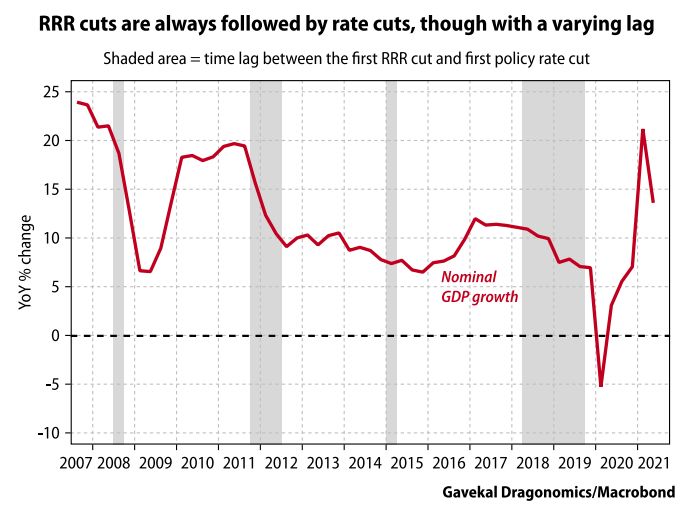 Chinese Premier Li Keqiang's recent call for using "cross-cyclical" adjustments to manage the economy signals the adoption of a new strategy, argues Gavekal Dragonomics economist Wei He. Up to now, policy has been "counter-cyclical" — ease when the economy is weak, tighten when it's strong. When the People's Bank of China cut lenders' reserve requirement ratio earlier this month, some took it as a sign of poor June economic data, yet they came in stronger than expected. That suggests the new cycle that's been kicked off — and Wei highlights that RRR cuts are always followed by lower interest rates — represents a new policy approach. "If policy makers wait for a serious downturn in growth to ease policy, there is a risk they will find themselves "pushing on a string," with lower interest rates unable to stimulate investment because companies are facing weak demand," Wei writes. "The new idea of 'cross-cyclical' economic management seems to be to make smaller policy adjustments earlier, in order to moderate the business cycle and avoid the necessity for another future round of debt-driven property-and-infrastructure stimulus." What makes life good?  Read more reactions on Twitter - Click here for more economic stories
- Tune into the Stephanomics podcast
- Subscribe here for our daily Supply Lines newsletter, here for our weekly Beyond Brexit newsletter
- Follow us @economics
The fourth annual Bloomberg New Economy Forum will convene the world's most influential leaders in Singapore on Nov. 16-19 to mobilize behind the effort to build a sustainable and inclusive global economy. Learn more here. | 


Post a Comment