| The success of Moderna's Covid vaccine has made the once-obscure biotechnology company into a household name. But for CEO Stéphane Bancel, that's just the beginning. Bancel has long promised that if messenger RNA works, it will lead to a giant new industry capable of treating most everything from heart disease to cancer to rare genetic conditions. Moderna has drugs in trials for all three of these categories, and Bancel says his company can also become a dominant vaccine maker, developing shots for emerging viruses such as Nipah and Zika, as well as better-known, hard-to-target pathogens such as HIV. The company has vaccines for 10 viruses that are in, or about to be in, human trials. These include three types of Covid-19 boosters that are in midstage trials, a seasonal flu shot that began its first human study in July, and HIV shots that are slated to begin studies later this year. In the long term, Moderna is aiming to develop an annual supershot that could suppress numerous respiratory ailments, including Covid, the flu, and others. 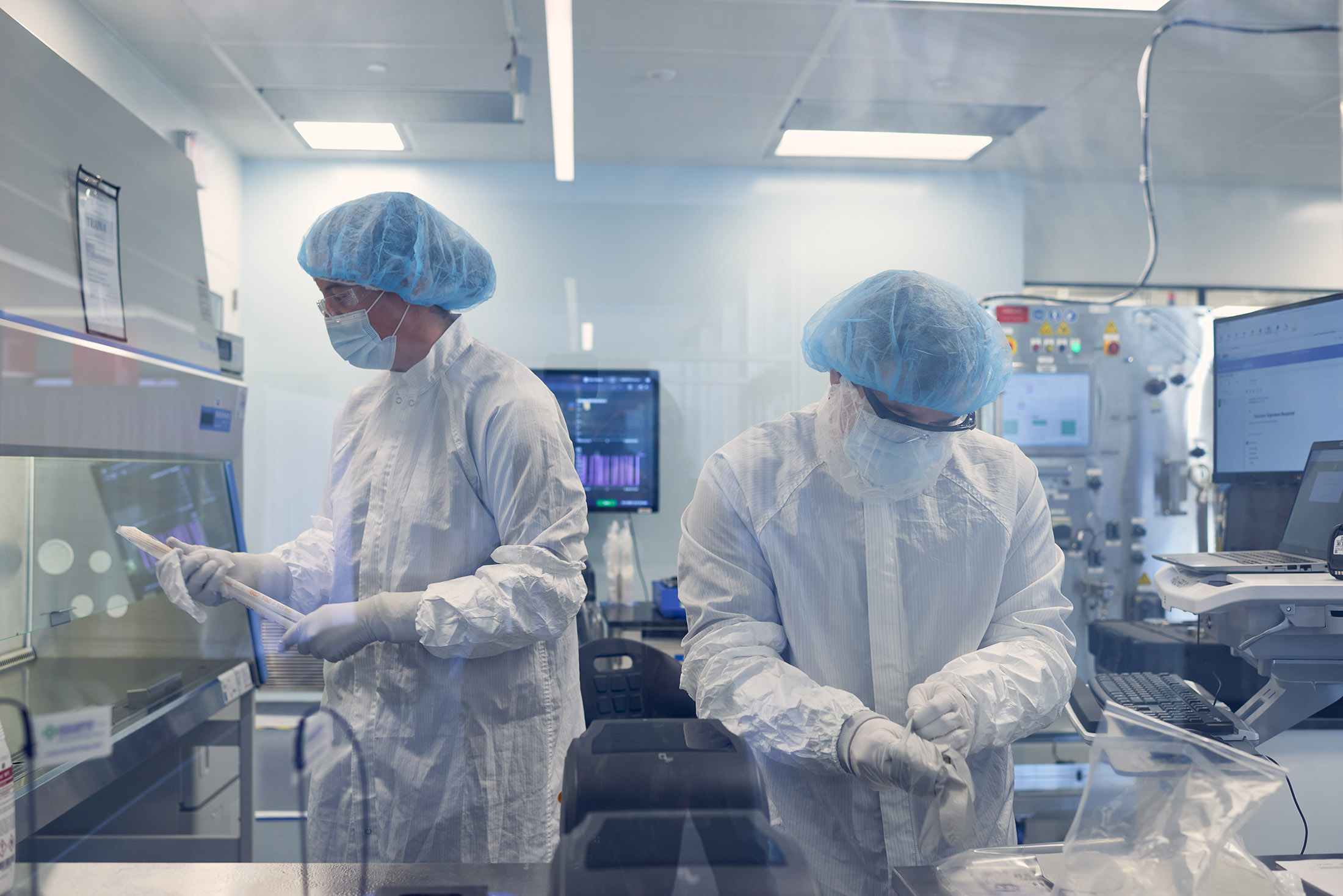 Workers in one of Moderna's clean rooms. Photographer: Philip Keith for Bloomberg Businessweek "Our goal is to give you several mRNAs in a single shot at your local CVS or GP every August or September," Bancel says. Now that Moderna is profitable and sitting on almost $8 billion in cash—Bancel's own stake, including options, is worth around $8 billion, according to the Bloomberg Billionaires Index—it can move quickly and aggressively into numerous new applications simply by changing the genetic code it puts into the mRNA. To realize its vision, Moderna will have to move quickly. Competitors are investing heavily to catch up. There will be additional technical hurdles to surmount. But the good news is that mRNA's adaptability also makes it easier to try out many possibilities. "We use the same four-letter code" for every vaccine and drug, Bancel says. "We can scale the number of products we have in development at a pace that has never been done before."—Robert Langreth | 



Post a Comment