Header Ads

Before you buy that bouquet ...

Last year just before Mother's Day—one of the tentpoles of the spring flower season—it was almost impossible to buy a bouquet. An imported bouquet, that is. The massive wholesale markets that provided the bulk of the cut-flower supply in the U.S. had gone quiet when florists in many states weren't deemed essential businesses.

As a result, people began turning to more local options. "The consumer interest exploded," says Jenny Elliott of Tiny Hearts Farm in Copake, N.Y.

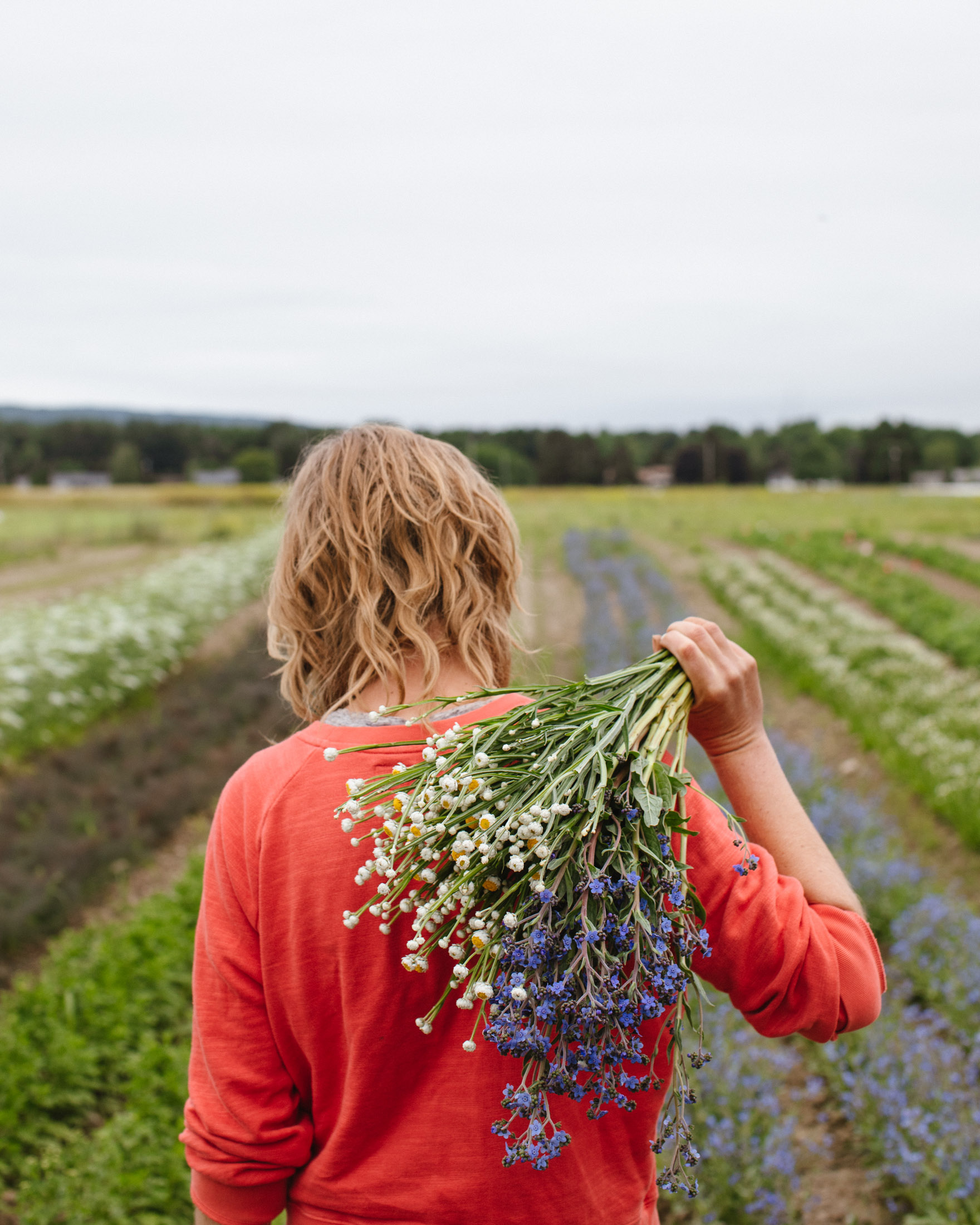
Jenny Elliott at Tiny Hearts Farm.

Photographer: Aundre Larrow for Bloomberg Businessweek

Tiny Hearts is just one of newly designated "farmer-florists" that have thrived by selling and marketing flowers directly to consumers and forming partnerships with floral designers and event companies. The same eco-conscious clientele that boosted farmers markets and locavore restaurants seems eager to hop on board. And Covid-19 may ironically be the ultimate long-term boon to these smaller producers.

Floret, founded in 2008, has built a small floral empire and inspired many would-be growers; Pepper Harrow is a very successful operation in Madison County, Iowa; Clear Black, a specialty cut-flower farm in Durham, N.C., focuses on sustainable practices. Franco and Elliott started in May 2011; this year, two of their employees planted their own farms.

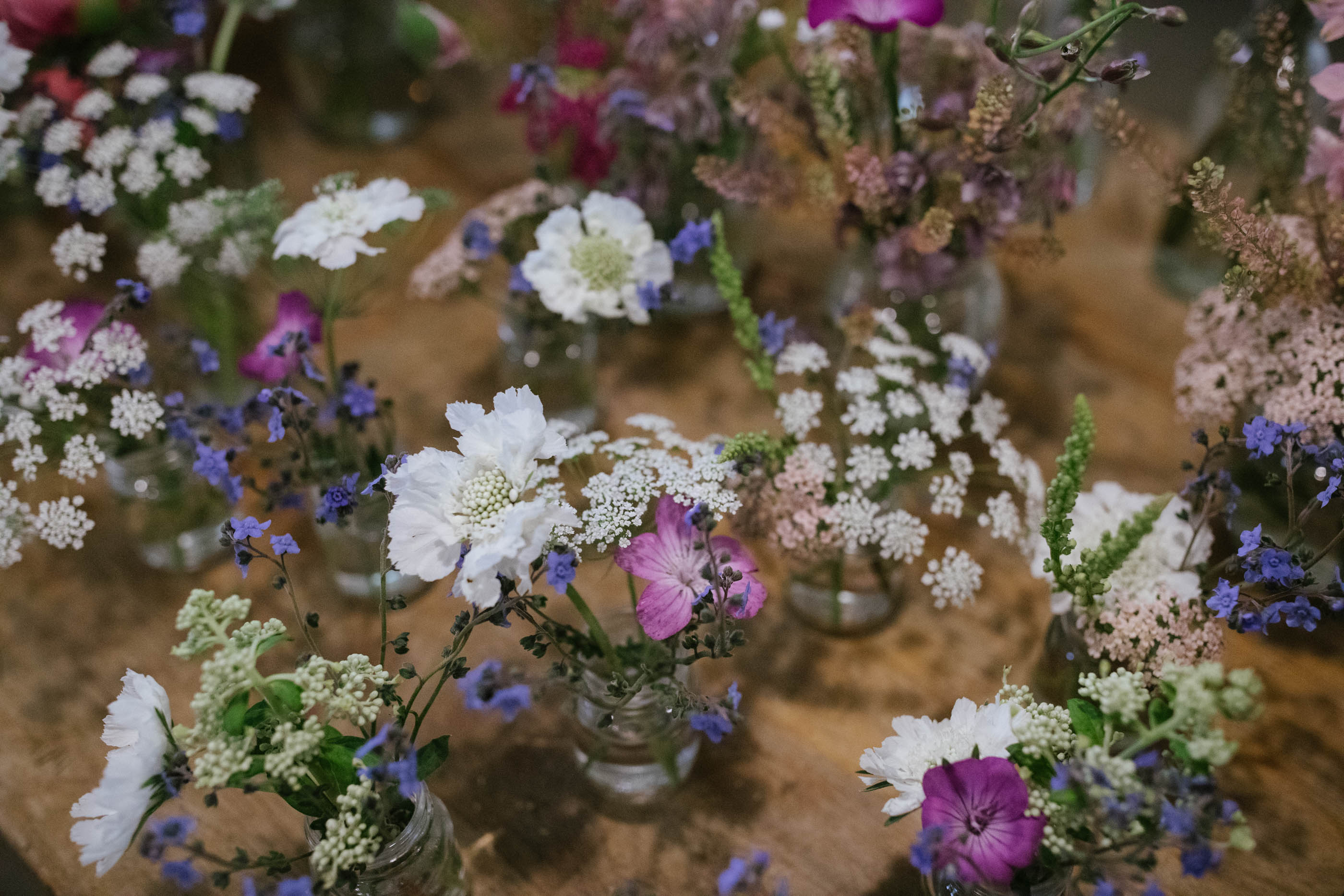
Flowers from the Tiny Hearts Flower Shop.

Photographer: Aundre Larrow for Bloomberg Businessweek

They are able to serve this market through a hybrid business model that allows them to charge more than commodity prices for specialty blooms, such as short-lived ephemerals and vintage varieties. It's harder to grow a delightfully delicate and fragrant peony than it is to churn out dozens of identical lilies, sprayed heavily with chemicals and bred to be stiff and shippable. Growers who take on these added challenges find they can charge a premium by including the design of arrangements in their pricing and selling directly to consumers.

Shoppers proved unfazed spending more on affordable luxuries during the pandemic. "We had blockbuster sales of poppies last year, which only last for about three days in a vase," Elliott says. "People didn't care—they were willing to spend the money."

Covid Cracked the Global Flower Market, and Local Farmer-Florists Are Blooming

The pandemic was a surprise boost for local businesses centered around floral agriculture.

The Flowers That Brides Are Reaching for This Wedding Season

We checked in with farmers and florists around the U.S. to find some of the most in-demand flowers for the upcoming wedding season. Here are the five most mentioned.

Japan's Cult Outdoor Brand Wants You to Test Its Thousand-Dollar Tents

Visitors to Snow Peak's new U.S. campsite will be able to take its luxury camping gear for a spin.

Grill Makers Are the Hottest Things in Post-Pandemic IPOs

Companies that thrived on lockdown lifestyles are rushing to cash in.

Ethical Foie Gras Is Here

Few foods are simultaneously able to raise feelings of delight and repulsion quite as deftly as foie gras. A fatty duck or goose liver that's so buttery it's both delicate and rich, foie gras is considered by many as one of the most luxurious foods.

But its decadence makes the brutality of how it's farmed all the more acute: A controversial process known as gavage, where birds are force-fed several times a day through metal tubes until their livers swell, is often considered savage.
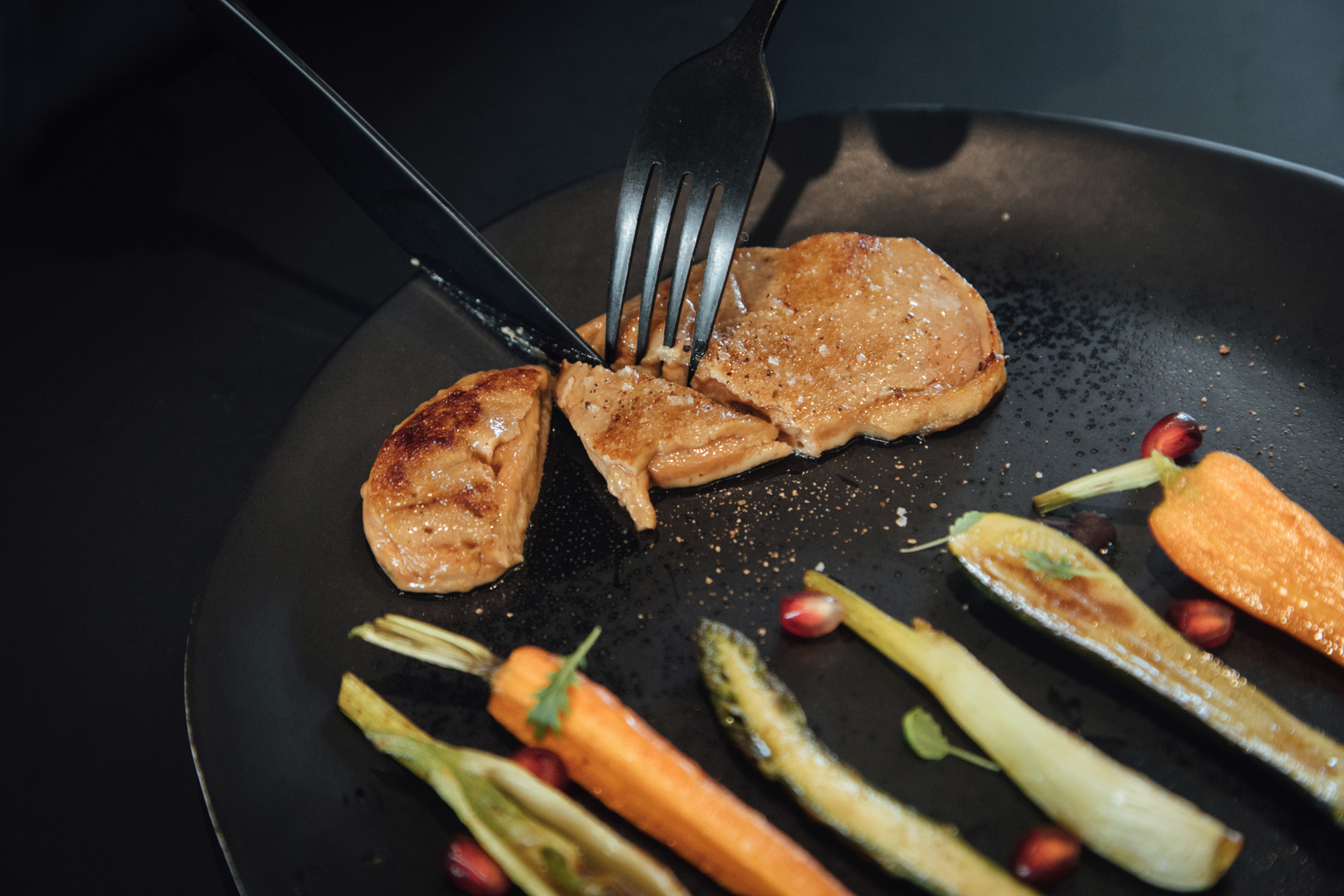
Gourmey fried foie gras.

Photographer: Cyril Marcilhacy/Bloomberg

"Foie gras is going through an existential crisis," says Nicolas Morin-Forest, co-founder of Gourmey, a Paris-based cultivated-meat startup that wants to tap the expected market gap with an offering that is gavage- and even slaughter-free. 

Gourmey's product is made from duck stem cells harvested from a single fertilized egg, then grown in vitro, a technology embraced by the nascent cultured-meat industry, which by some estimates is set to claw a 35% share of the $1.8 trillion global meat market by 2040. 
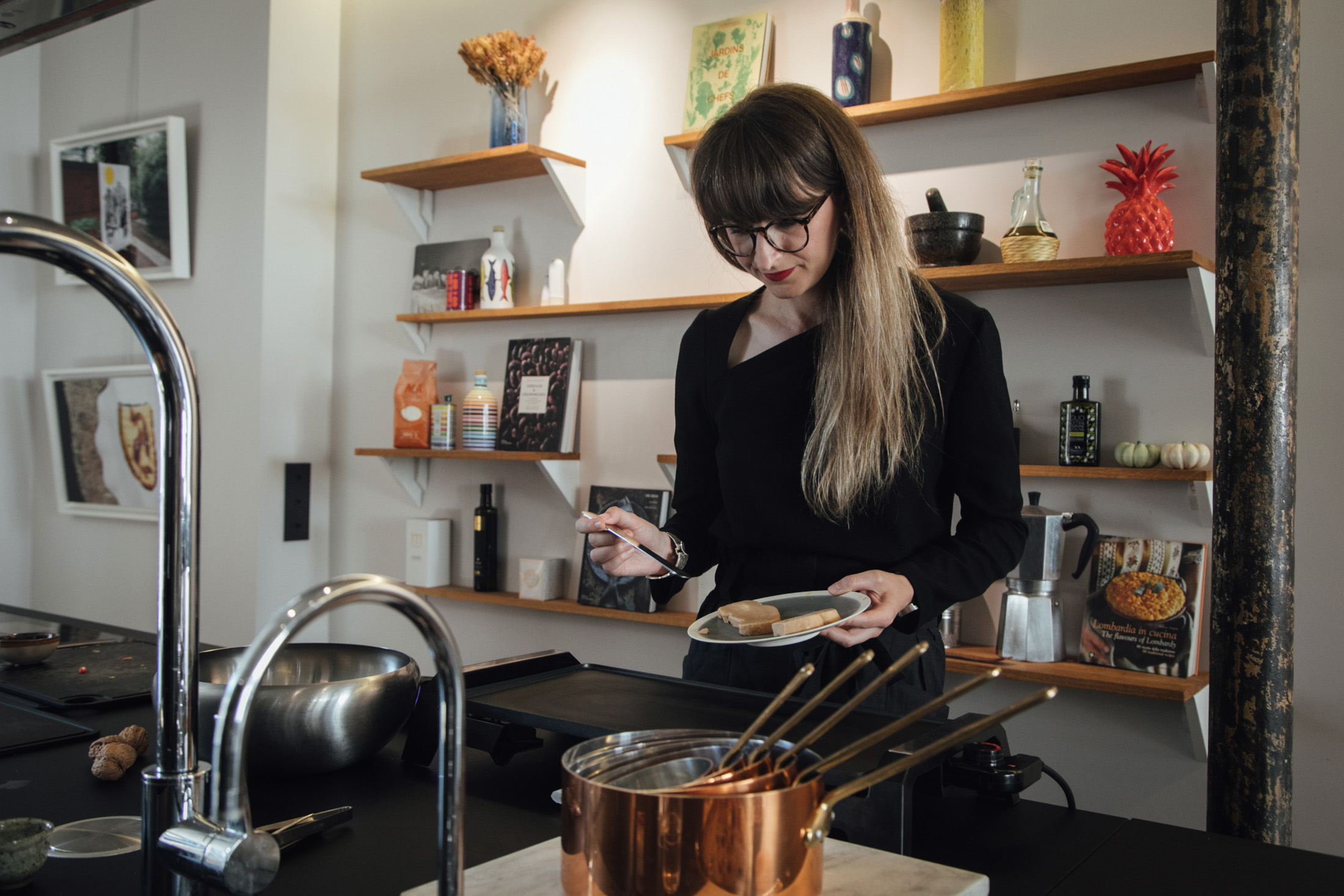
Marion Gaff, food engineer at Gourmey, prepares to fry some lab-grown foie gras.

Photographer: Cyril Marcilhacy/Bloomberg

In stainless-steel tanks known as bioreactors, the cells are fed nutrients to multiply and eventually form whatever tissue is desired, be it fat, muscle, or sinew. More than 70 startups globally are working on everything from pork chops to kangaroo meat to bluefin tuna in response to environmental and livestock welfare concerns.

As far as taste and texture go, Gourmey manages to deliver. In a private tasting, its pan-seared foie gras was remarkably good. The meat was slightly pink with a caramelized crust, soft and delicate with a flavor and smell indistinguishable from that of a high-quality foie gras. It melted in the mouth exactly as it should.

More Tasty Tidbits

Luxury Charcoal Is Fuel to Take BBQ Cookouts to Another Level
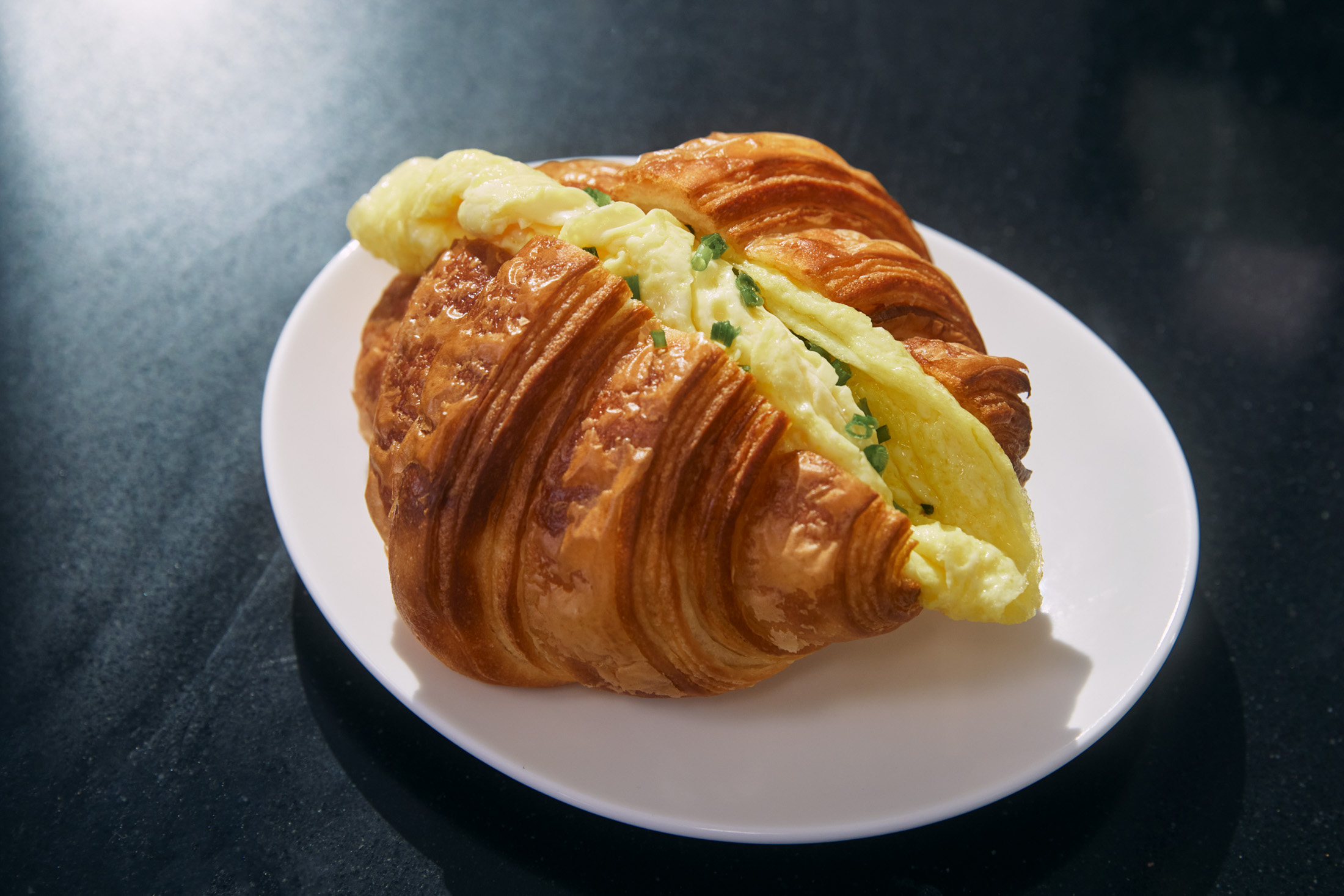
Cronut Creator Dominique Ansel Rethinks the Breakfast Sandwich
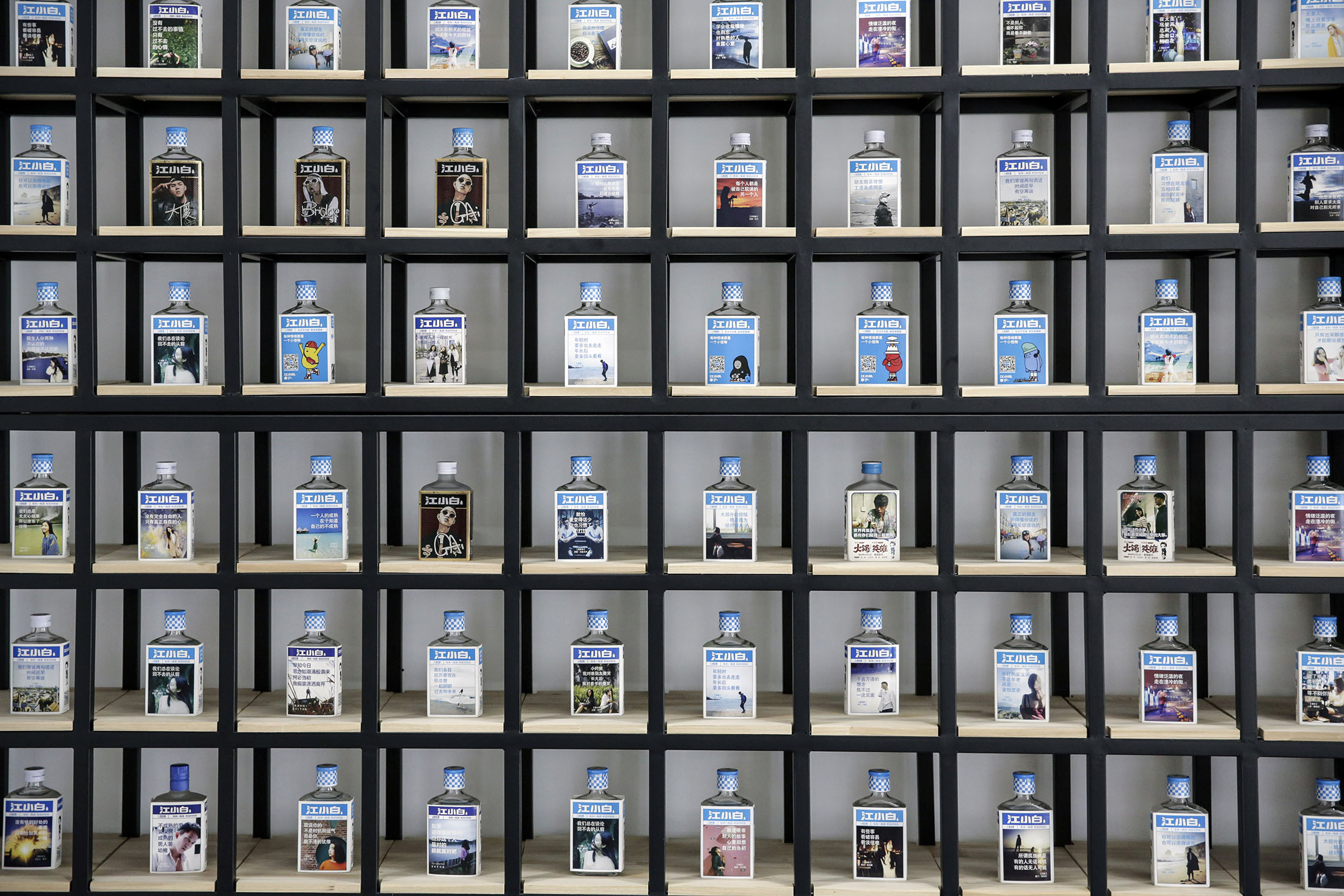
China's Favorite Fiery Liquor Is Getting a Millennial Makeover
Will a Donut Tax Get People to Eat Kale?
China Harvests First Crop of 'Space Rice' in Food Security Push

Should You Travel to Mexico City Now?

Life seems unusually normal in many parts of Mexico's capital, even though the country ranks fourth worldwide in Covid-19 deaths and the city is currently seeing an acceleration of weekly cases and hospitalizations.

On most weekends in the trendy Condesa, Roma, and Polanco neighborhoods of Mexico City, restaurants' outdoor seats are packed with long-lingering patrons and their pets, unfazed by the traffic passing just inches away. Joggers can be seen training in the early morning, winding through the expansive Chapultepec park and down tree-lined Reforma Avenue. On Sundays, hundreds of residents take over some of the capital's main streets, thanks to a popular government-organized bike ride for all ages.

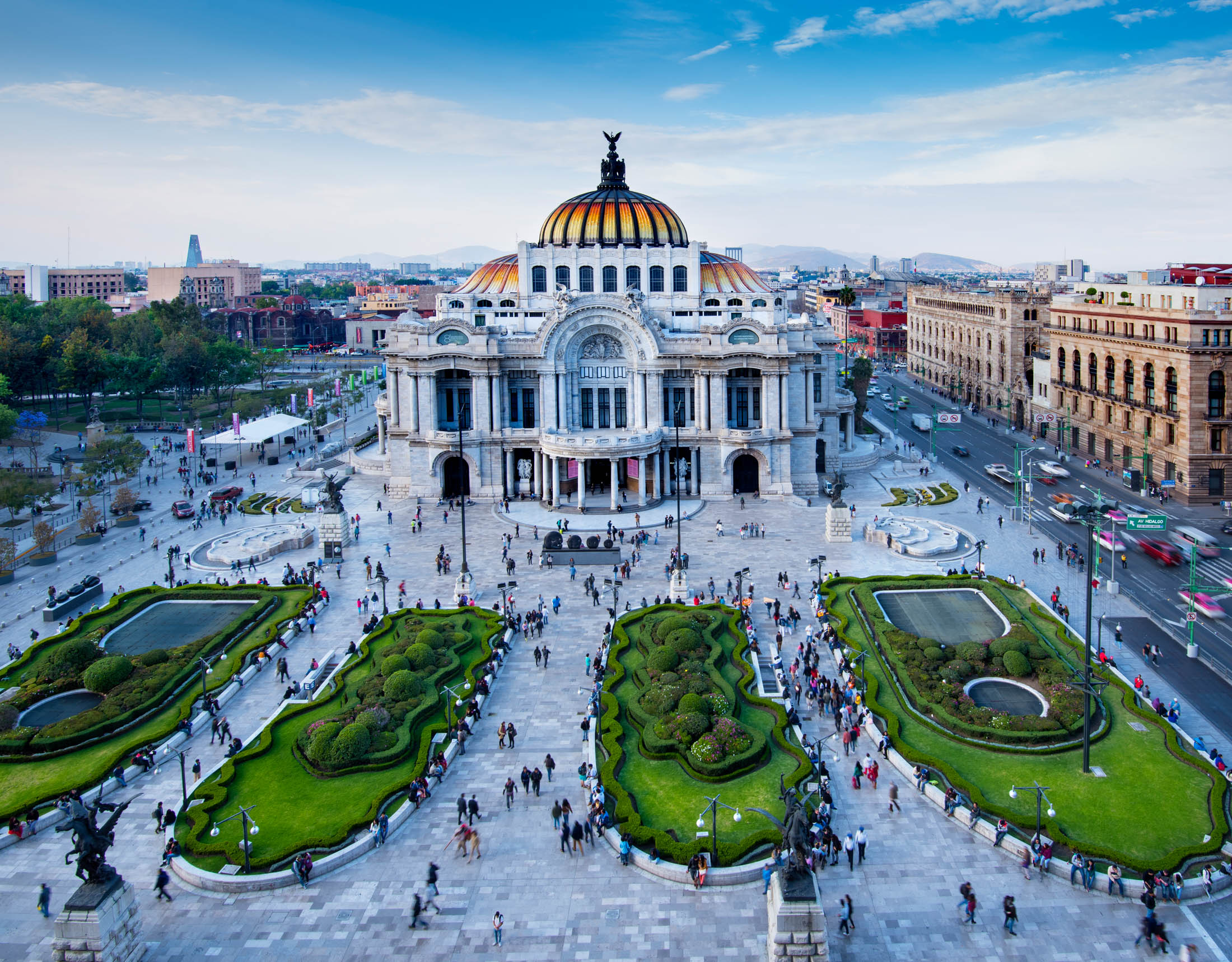
The Palace of Fine Arts (Palacio de Bellas Artes) is a prominent cultural center in Mexico City hosting many exhibitions and theatrical performances.

Photographer: John Coletti/The Image Bank RF

Sylvain Chauvet, general manager of the Sofitel Reforma hotel, says things started picking up gradually in January 2021, and vaccinated Americans have been arriving in larger numbers since March. The hotel's rooftop restaurant, Cityzen, which serves ambitious cocktails with a breathtaking skyline view, is packed on weekends—although it's still separating tables with partitions.

The scene there perfectly encapsulates Mexico City's current reality: culinary greatness served with plenty of lingering precautions. Here's what to expect if you're thinking about an adventure in this incomparable megalopolis.

And if you read just one thing...

Food for People Who Can't Swallow Is the Ultimate Culinary Challenge

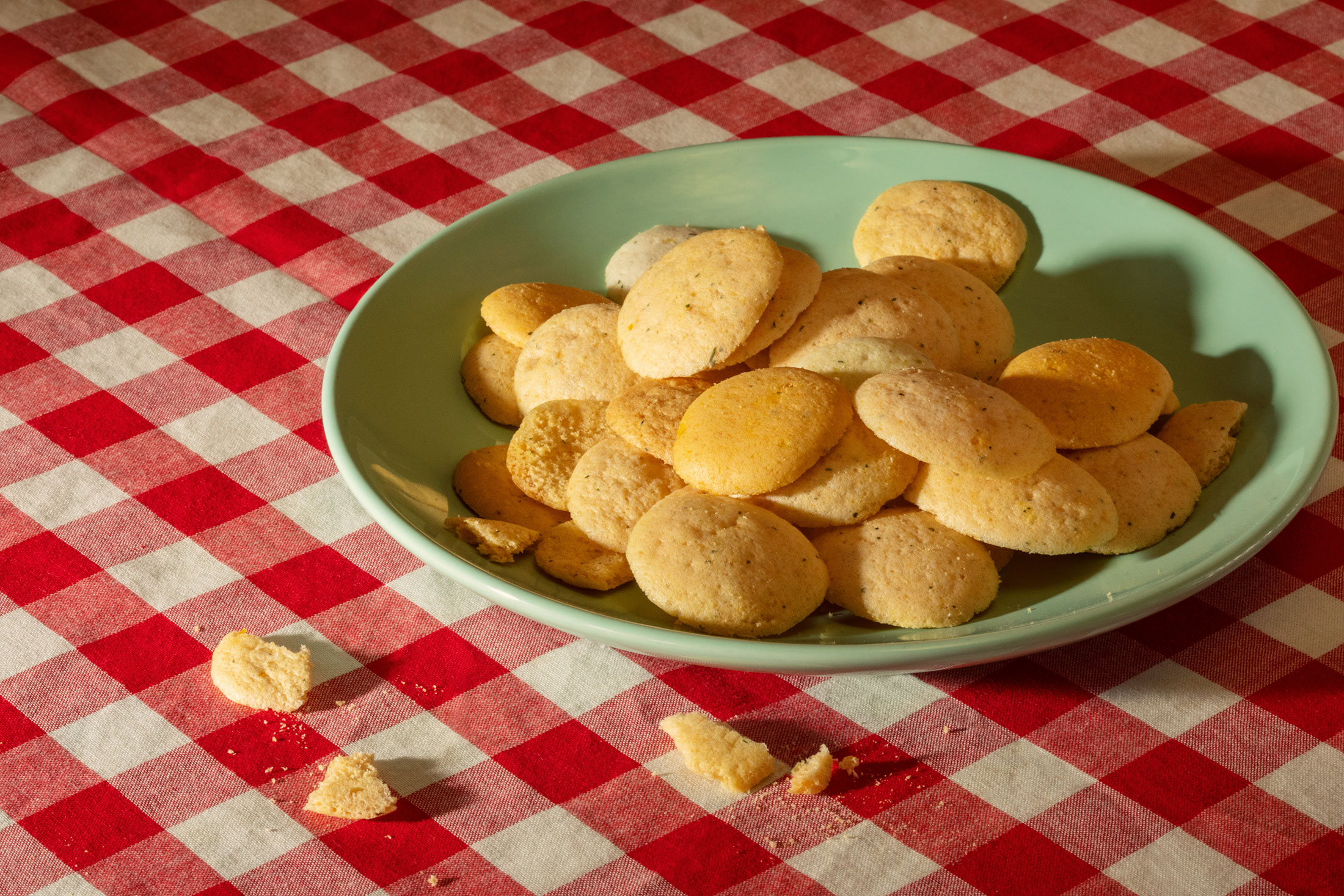
What do you get when a dentist, a chef, and people with dysphagia walk into a lab? Savorease, a self-dissolving cracker that may help millions of people enjoy solid food again.

Like getting the Pursuits newsletter? Subscribe to Bloomberg.com for unlimited access to trusted, data-driven journalism and gain expert analysis from exclusive subscriber-only newsletters.

No comments