| China may be feeling underappreciated. At least that's the sentiment which seems to underlie President Xi Jinping's recent urging of his diplomatic corps to rebrand the country "trustworthy, lovable, and respectable." This exhortation shouldn't come as a surprise. A Pew survey last year showed negative views of China had reached historic highs among advanced economies such as the U.S., U.K. and Australia amid widespread criticism of its handling of Covid-19.
What's remarkable is the public concession that China has an image problem. It would be even more astonishing if Beijing agreed to a full and open inquiry into the origin of a novel coronavirus that's killed more than 3.5 million people. Yet that may be what China has to do if it wants to quiet a growing clamor among virologists, biologists and other scientists for an independent probe of the "lab-leak theory." 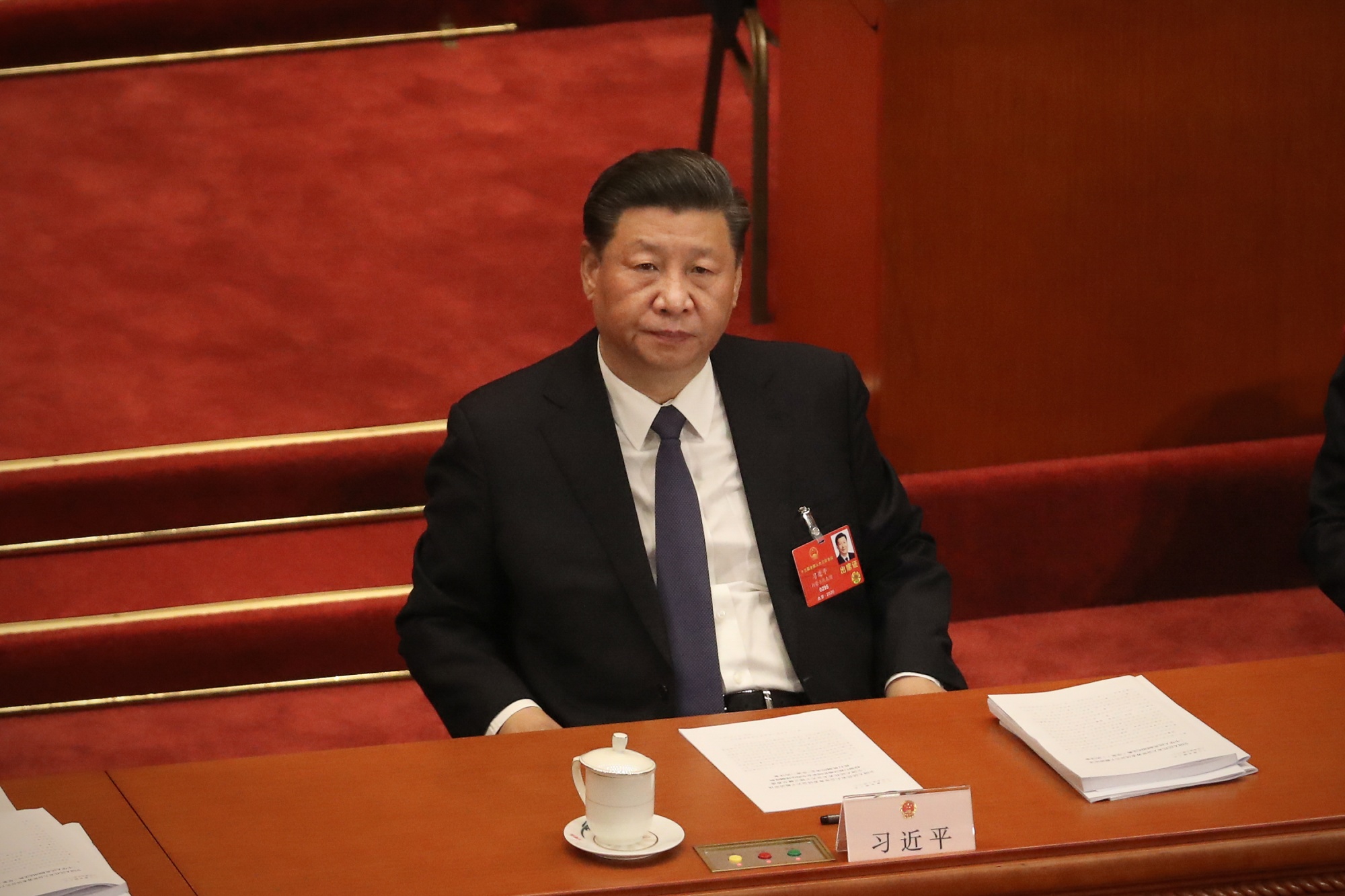 Xi Jinping Photographer: Andrea Verdelli/Getty Images AsiaPac This Week in the New Economy
Last week, U.S. President Joe Biden announced his intelligence agencies were split over two possible explanations as to how the pandemic began (a lab accident, or human contact with an infected animal) and gave them 90 days to get to the bottom of it. Biden adviser Dr. Anthony Fauci called on China to release the medical records of nine people that could help clear up the issue. Three of them are researchers at the Wuhan Institute of Virology who reportedly fell sick in November 2019, and six are miners who, several years ago, entered a copper mine to clear out bat guano.
Three of the miners died. What felled them? What viruses did researchers find at the site, if any, and what experiments did they conduct on them at the Wuhan lab?
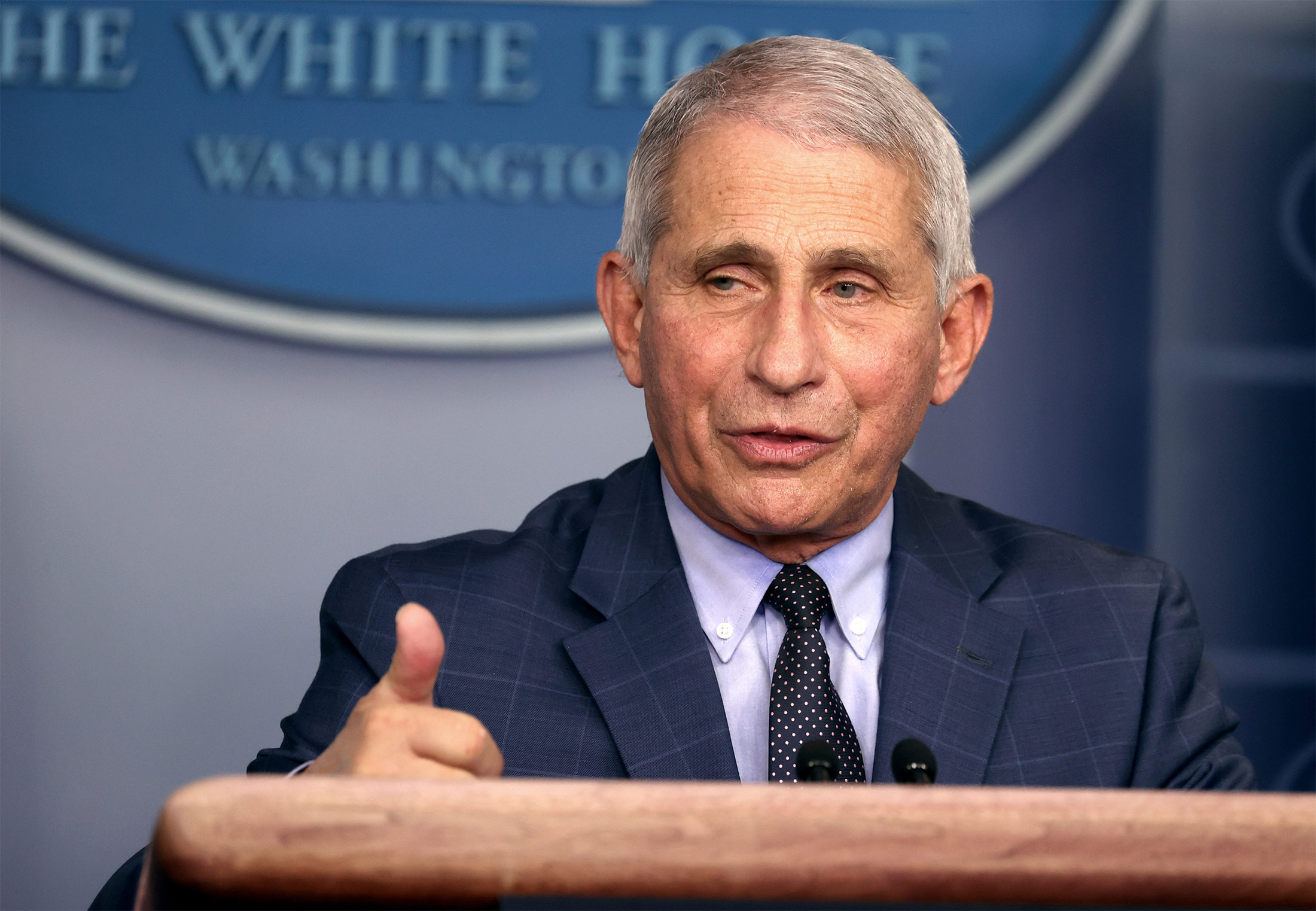 Dr. Anthony Fauci Photographer: Tasos Katopodis/Getty Images To be clear, the two theories—accident and animal—aren't made equal. Scientists generally believe it's far more likely Covid-19 originated in wildlife and jumped to humans, as has often been the case. Beijing, meanwhile, wants an investigation of its theory that the pathogen could have been circulating outside China before it broke out in Wuhan. In any case, evidence for the lab-leak theory remains circumstantial. But an accident can't be ruled out. Of all the places where Covid-19 could have infected the general population, why Wuhan, which hosts one of three labs in the world conducting an aggressive type of research into bat viruses? It took Dr. Richard Ebright, a professor of chemistry and chemical biology at Rutgers University, "a nanosecond or a picosecond" to consider a connection after hearing news of the outbreak. Other scientists weren't as quick to make the link, but even some who signed a letter last year dismissing the theory as conspiracy are now having second thoughts.
It's fair to say that China is partially to blame for its dented image when it comes to the pandemic. It did stonewall a World Health Organization team sent to Wuhan last year, prompting WHO chief Tedros Adhanom Ghebreyesus to declare "further investigation is needed on the hypothesis of a lab leak being the origin of Covid-19." 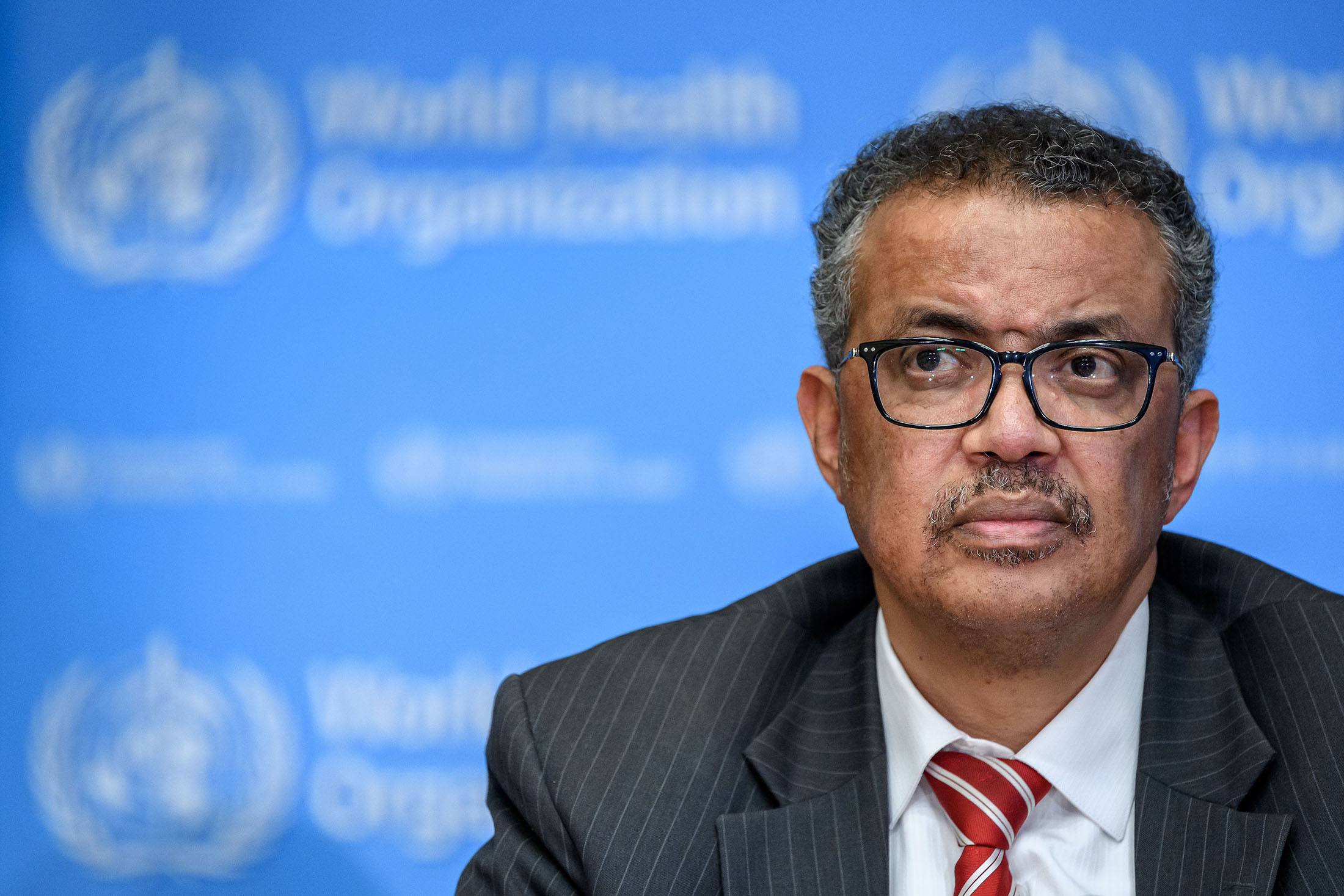 Tedros Adhanom Ghebreyesus Photographer: Fabrice Coffrini/AFP Today, the ball is squarely in China's court. "It's really that simple," Eli Lake writes in Bloomberg Opinion. "China's government can complain all it wants about the lab-leak theory. But it has the power to quiet its critics. All it has to do is open its lab and share its data."
This seems unlikely. Indeed, if Beijing made a habit of engaging its critics, it wouldn't be crushing civil liberties in Hong Kong, another source of friction with the West, or consigning one million (or more) Muslim Uighurs to internment camps, or sanctioning Australia after it called for an international inquiry into the origins of Covid.
In other words, if China operated the kind of government that prized transparency, it wouldn't be in its current predicament.
The fourth annual Bloomberg New Economy Forum will convene the world's most influential leaders in Singapore on Nov. 16-19 to mobilize behind the effort to build a sustainable and inclusive global economy. Learn more here. __________________________________________________________ The Qatar Economic Forum, Powered by Bloomberg: Join the world's top policymakers and business leaders June 21-23 as they lay out a blueprint for the next stage of global growth. This virtual event centered on Doha will feature more than 100 decisionmakers, including H.E. Akbar Al-Baker, Group CEO of Qatar Airways; Clare Akamanzi, CEO of the Rwanda Development Board; and Stephen Schwarzman, co-founder of The Blackstone Group. Register here with code BNEWS Download the Bloomberg app: It's available for iOS and Android. Before it's here, it's on the Bloomberg Terminal. Find out more about how the Terminal delivers information and analysis that financial professionals can't find anywhere else. Learn more. | 


Post a Comment