| For much of this year, the efficacy rate of a Chinese vaccine made by Beijing-based Sinovac Biotech has been the topic of concern as three different sets of data— with protection rates ranging from 50% to 90%—emerged from clinical trials in Brazil, Turkey and Indonesia. The uncertainty mattered because dozens of developing countries across the world are relying on Sinovac's shot, given their lack of access to the extraordinarily effective mRNA vaccines from companies like Pfizer and Moderna that had been secured by richer economies. Sinovac's vaccine is the second-most-used in the world, after Pfizer's, and some 380 million doses have been sent around the world. Those doubts flourished over the past months as the company stayed silent and didn't provide details or explanations that could have shed light on the divergent data. For Chief Executive Officer Yin Weidong, the priority was not to explain or try to address negative media coverage, but to get the vaccine approved by as many regulators as possible. The rest, he told Bloomberg in an exclusive interview last month, didn't matter as long as populations were getting vaccinated. 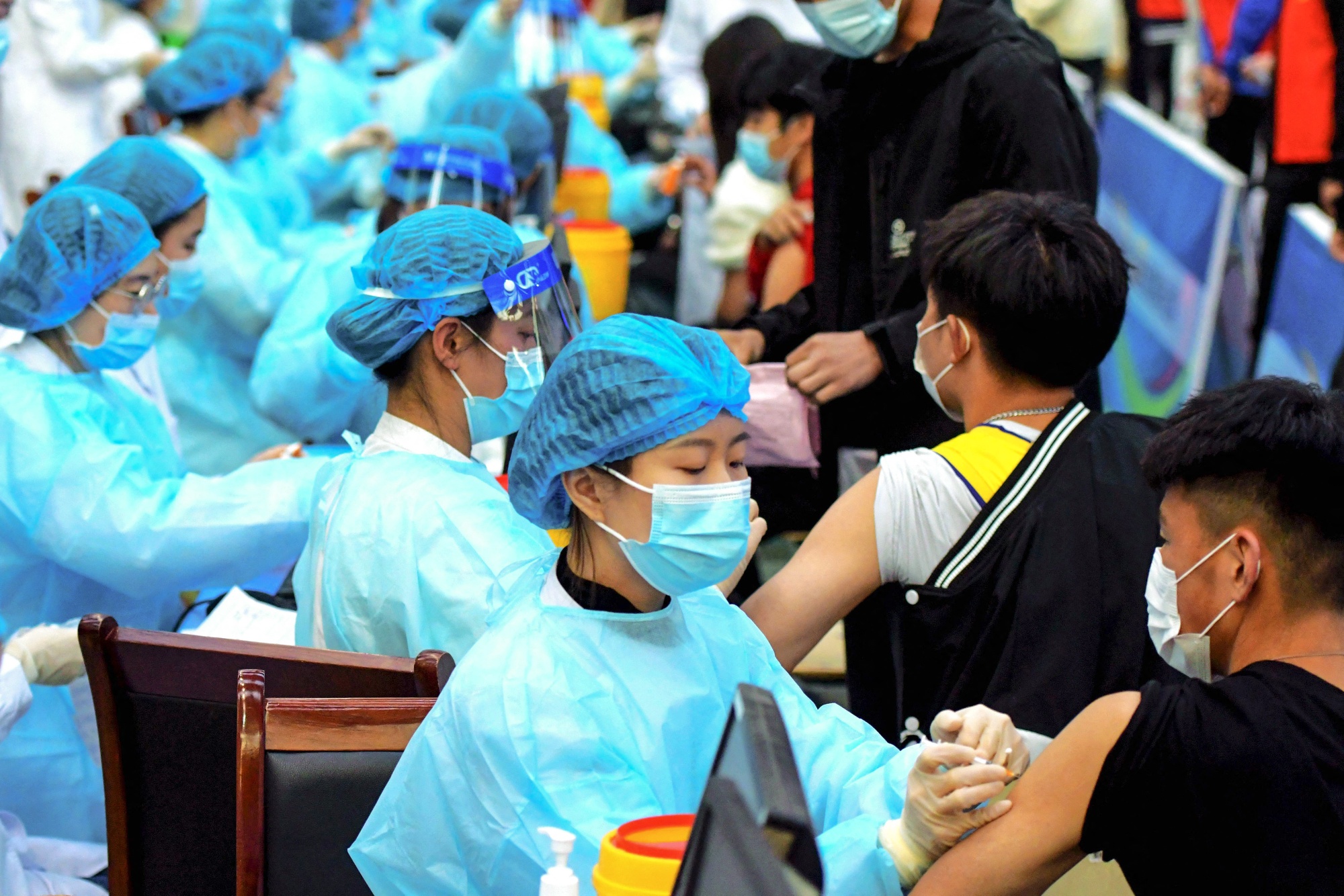 Medical staff members administer a dose of the Sinovac Covid-19 vaccine. Photographer: STR/AFP Even so, the company's lack of media savvy and control over information disseminated by its trial partners across the world has meant that the shot now has a bad rep—worse than it deserves. In the real world, evidence is emerging that it's highly effective: Indonesia said recently that of around 130,000 health-care workers fully vaccinated with Sinovac's shot, 94% were protected from symptomatic infection, 96% from hospitalization and 98% from death. True to form, Sinovac and its CEO didn't know about that study or even that the data was going to be released by the Indonesia government. There's a key takeaway from Sinovac's baptism of fire for the growing legion of Chinese biotech firms wanting to grow into the next Pfizer or AstraZeneca: Global trust and confidence in them and their products hinge on how well they can communicate outside of China and stand up to the heightened scrutiny that's the norm on the global stage. Otherwise, they do a disservice to themselves and their contributions to worldwide pharmaceutical advancement.—Emma O'Brien and Dong Lyu | 


Post a Comment