| People who get vaccinated may require boosters within a year, top U.S. infectious disease specialist Anthony Fauci said last week. Then he reneged, saying "I'm not sure we're going to need boosters," and "if so, I don't know at what point following the vaccinations we might need it. I think that's still uncharted waters."
The vaccines are so new that no one knows exactly how soon their protection will wane. Mounting evidence suggests it will last at least six months, but beyond that remains unclear – and there is no definitive test for anti-coronavirus defenses.
Scientists are racing to figure out the so-called correlates of protection against Covid; in other words, which test results assure immunity. 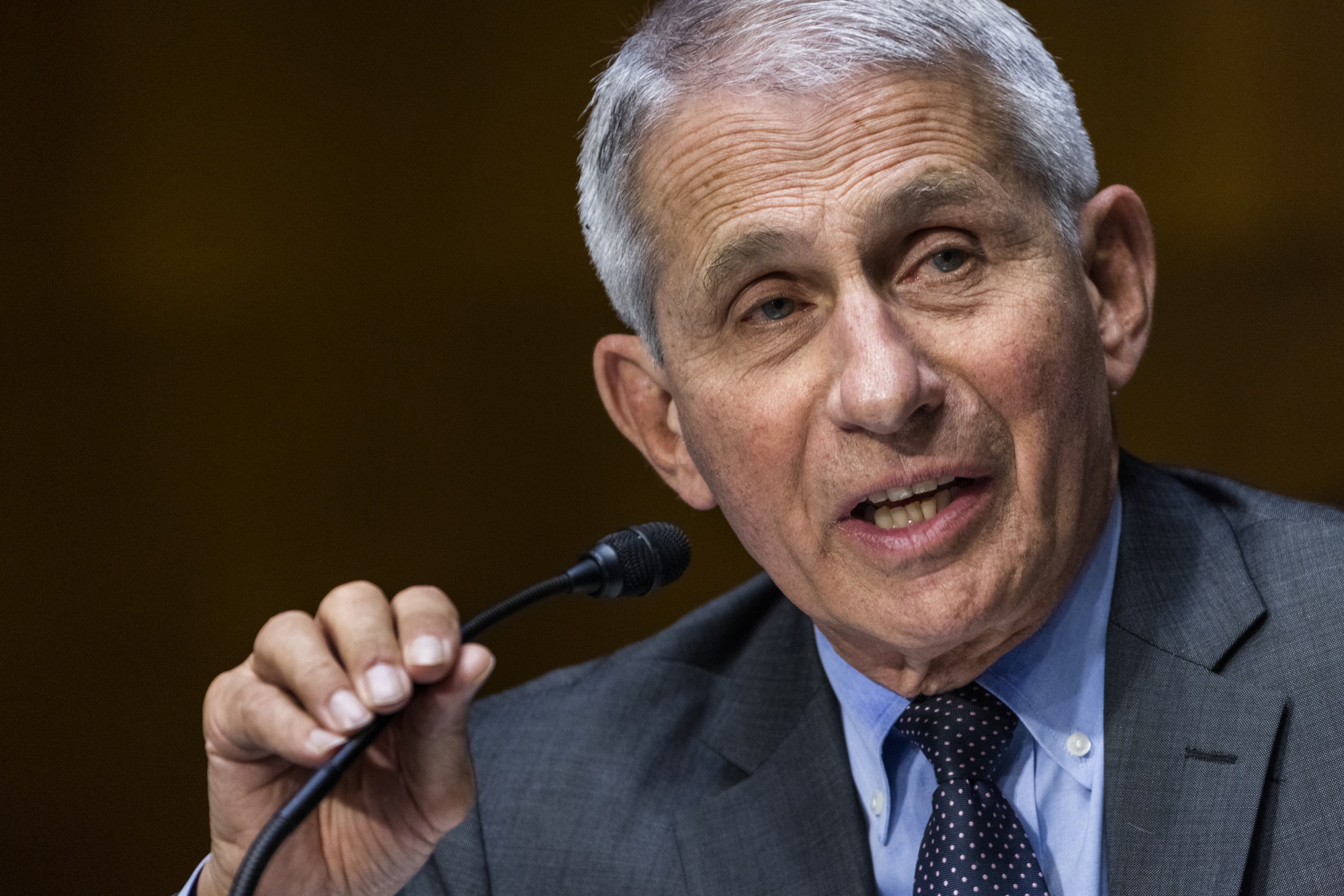 Anthony Fauci Photographer: Jim Lo Scalzo/EPA Meanwhile, millions of people are already living in a sort of post-vaccine limbo, vaccinated but unable to know how well they are protected and thus unable to resume a near-normal life. They are the roughly 3% of the population who have impaired immune systems, whether from blood cancer or autoimmune disease, HIV or transplanted organs requiring anti-rejection drugs. Among them is Michele Nadeem-Baker, a Boston-based leukemia patient. She's fully vaccinated, but while others around her resume nearly normal activities, she says, "I'm being told I can't get back to life." Seeking scientific answers, she asked last month to be tested for Covid antibodies through a research program. The result: more frustration. Though she did have some of the disease-fighting proteins, she says, her doctors told her she needed to keep acting as if she didn't, because they couldn't confidently interpret her score. The immune system is complex, and other elements of it – including certain immune cells – could fight the virus even if antibodies can't. "The good news is, we have an antibody test that can test for whether or not you've made antibodies in response to the vaccine," says Craig Bunnell, chief medical officer at the Dana-Farber Cancer Institute. "The bad news is that we don't yet know how to interpret the results." New data is coming out almost weekly that brings researchers closer to understanding which immune signatures reflect protection, says epidemiologist Michael Mina of the Harvard Chan School of Public Health. But it's likely to be months before the picture is clear, he said. For now, he said, though there are several antibody tests on the market, "If somebody is telling you that they're giving you an idea of how protected you are, I would say, don't believe them."—Carey Goldberg | 


Post a Comment