| The Tokyo Olympics were supposed to be a victory celebration, or as former Japan Self Defense Forces chief Katsutoshi Kawano put it, "proof that the world has defeated the virus." Some of the world has indeed triumphed (at least for now). But alas not Japan, where Covid-19 cases have spiked again. While Americans gather for maskless parties on Memorial Day weekend, Japanese authorities just extended a health emergency in Tokyo and other major cities. This with less than two months to go before the opening ceremonies. Many Japanese fear the Games will become a superspreader event; polls show most citizens would like to postpone or scrap them altogether. One prominent Japanese business executive even called the Olympics a "suicide mission." How did Japan miscalculate so badly? 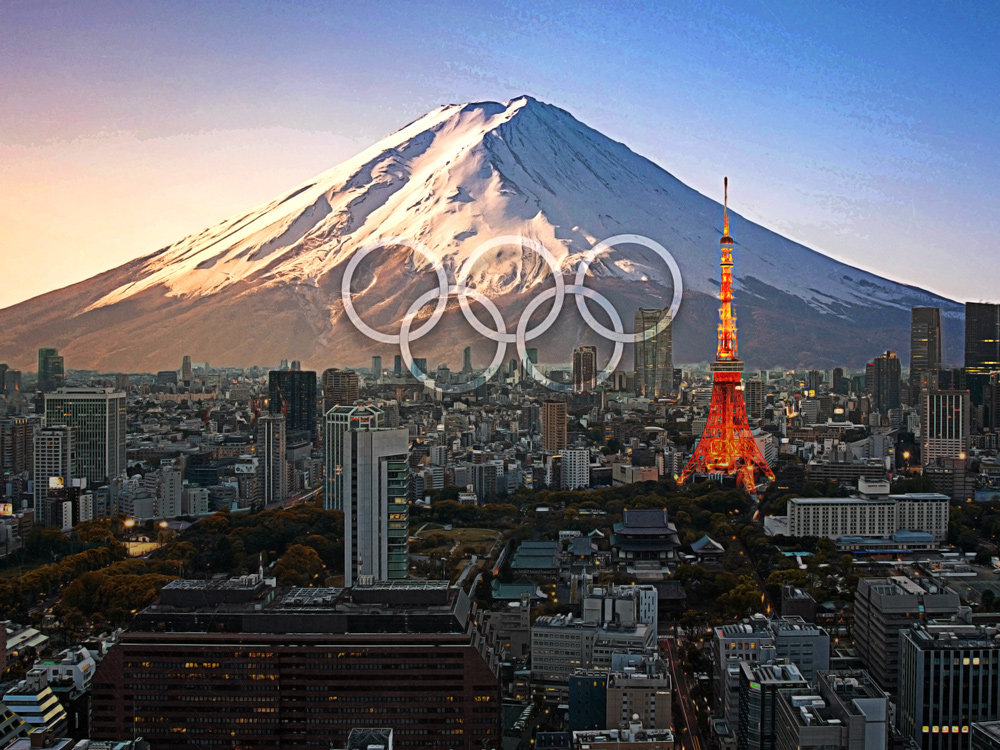 This week in the New Economy Blame Japan's sluggish vaccine rollout. Surprisingly, only 2.3% of its citizens are fully protected. By contrast, about half of the population of the U.S. has received at least one shot, and about one-third of Europeans. Among Japan's neighbors, including China, South Korea and Taiwan—all places with exemplary records in containing the pathogen—the vaccination effort has been similarly lackadaisical. And that failure to get shots into arms fast enough has in some cases triggered swift and unexpected reversals of fortune that carry significant economic implications. Unlike the U.S., where face masks became the latest flashpoint in the nation's so-called culture wars, populations in Asia-Pacific countries accepted mask mandates with few complaints. They went along with intrusive electronic surveillance and blanket testing. And they willingly endured sealed borders and strict quarantine measures. As a result, while death rates soared in the chaotic West, led by America (still the world leader in confirmed coronavirus deaths and infections), a group of highly disciplined and socially cohesive "Covid Zero" countries went about life as normal, with citizens attending sporting events and packing shops, restaurants and bars. China pulled off a V-shaped recovery as the U.S. economy sank into critical condition. Japan never got to zero infections, but it did far better last year than major Western nations when it came to taming the pandemic. Taiwan and Singapore were standouts, each recording only a few dozen deaths. Taiwan even went 253 days last year without a single locally transmitted infection. Now the region has gone from leader to laggard. As New York and London reopen, Singapore and Taipei are in semi-lockdown. Melbourne joined them this week. On May 24, the U.S. State Department added Japan to its "Level 4: Do Not Travel" advisory list, though that move isn't expected to affect American participation in the Olympics. (Overseas spectators have already been banned and there's some doubt now about domestic fans attending.) 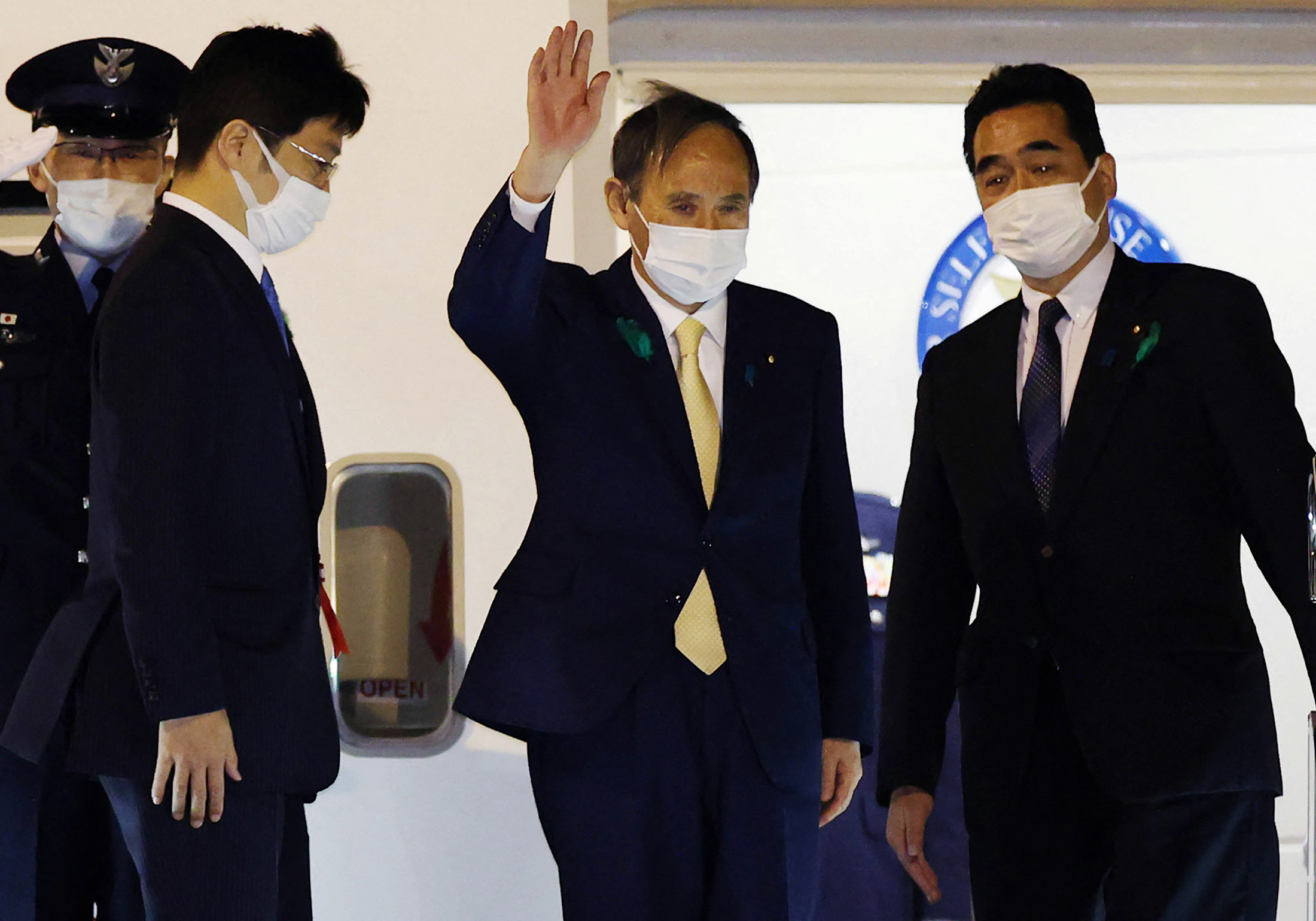 Japan Prime Minister Yoshihide Suga (center) waves as he departs for the U.S. from Tokyo's Haneda airport on April 15. Suga is under pressure to postpone the Olympics. Photographer: STR/AFP An obvious explanation for Asia-Pacific's underperformance in the pandemic end-game, after spectacularly outperforming initially, is a shortage of vaccines. But in Japan, that's not the full story. It has millions of doses sitting in stockpiles: it just lacks medical professionals and syringes to deliver them. Similar logistical problems and bottlenecks plague vaccine rollouts elsewhere. In some ways, the societies that did best when Covid-19 was rampaging during its initial waves have become victims of their own success, caught short by subsequent, variant-fueled tides of infection now sweeping across the globe. How did this happen? Governments that were guaranteeing absolute safety for their people last year had less incentive to scramble for scarce vaccine supplies, especially when up against Western countries desperate to reduce catastrophic death tolls. Some took a wait-and-see approach, happy to let Americans and Europeans become guinea pigs for the revolutionary Pfizer-BioNTech and Moderna vaccines. Blood-clotting scares for single-shot drugs like that of AstraZeneca also set back vaccination drives in countries like Australia. Moreover, citizens in the Asia-Pacific may have lacked the same sense of urgency that drove people in places like Milan or New York, where tens of thousands perished in the initial months of the pandemic. Some even fear the vaccine more than the virus despite overwhelming evidence of their safety, a phenomenon that's slowing vaccination campaigns in the West as well. Extremely risk-averse governments now face an acute dilemma: do they continue their no-tolerance pandemic control policies, chasing down every case until the virus is eliminated, or accept that Covid-19 will become endemic and live with a certain level of infection, as countries in the West will do? 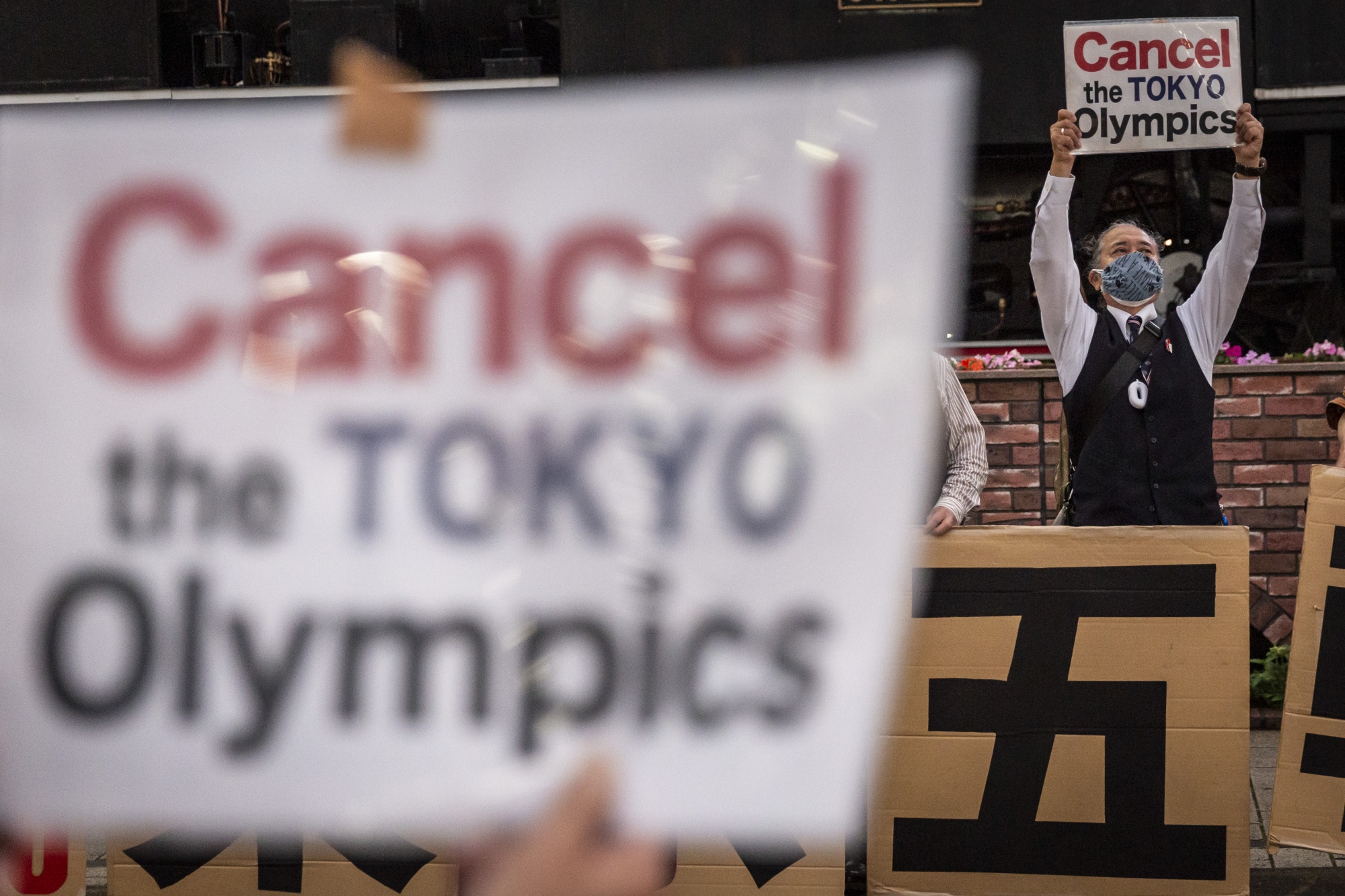 With just a few months remaining until the Tokyo Olympics, a recent survey indicated that around 60% of Japanese people do not want the Games to go ahead. Photographer: Yuichi Yamazaki/Getty Images AsiaPac A rigid approach implies a stop-start economic recovery—lockdowns followed by tentative re-openings—lasting for months, a costly strategy in particular for financial centers like Singapore and Hong Kong that thrive on international trade and travel. The World Economic Forum cancelled a meeting in Singapore planned for August, even though the city-state's vaccination rate is about the same as Europe's. Yet, for as long as the pandemic rages in countries like India and Brazil, a largely unvaccinated Asia-Pacific will remain vulnerable. No matter how advanced the region's contact-tracing technologies, how sophisticated its artificial intelligence algorithms, or how rigorous its border controls, the virus will always exploit human weakness. In Taipei, it managed to break through high-tech defenses by infiltrating hostess tea houses in the city's Wanhua district. In Japan, Prime Minister Yoshihide Suga's government is determined to go ahead with the Olympics even as some hospitals overflow with patients. In an editorial on May 26, the Asahi Shimbun disagreed with his decision. "It is simply beyond reason," the paper said, "to hold the Tokyo Olympics and paralympics this summer."
The fourth annual Bloomberg New Economy Forum will convene the world's most influential leaders in Singapore on Nov. 16-19 to mobilize behind the effort to build a sustainable and inclusive global economy. Learn more here. __________________________________________________________ The Qatar Economic Forum, Powered by Bloomberg: Join the world's top policymakers and business leaders June 21-23 as they lay out a blueprint for the next stage of global growth. This virtual event centered on Doha will feature more than 100 decisionmakers, including H.E. Akbar Al-Baker, Group CEO of Qatar Airways; Clare Akamanzi, CEO of the Rwanda Development Board; and Stephen Schwarzman, co-founder of The Blackstone Group. Register here with code BNEWS Download the Bloomberg app: It's available for iOS and Android. Before it's here, it's on the Bloomberg Terminal. Find out more about how the Terminal delivers information and analysis that financial professionals can't find anywhere else. Learn more. | 


Post a Comment