Header Ads

Pain or gain

On Tuesday, Joe Biden offered Vladimir Putin the carrot of a summit, something the Kremlin leader craves as proof Russia's still a superpower. Today, the U.S. president may apply the stick.

The Biden administration plans expulsions of Russian diplomats and sanctions on organizations and individuals accused of hacking attacks and election meddling, Alberto Nardelli, Nick Wadhams and Jennifer Jacobs report.

But one punishment that really stings is the "nuclear" option of banning U.S. financial institutions from buying new Russian sovereign debt, which the administration plans as a further measure. The ruble dived alongside Russian bonds.

Tensions are already high over Russia's troop build-up on the Ukrainian border and the poisoning of Alexey Navalny, the Kremlin critic now on hunger strike in jail.

Still, Washington appeared to offer a concession after Turkey said today the U.S. had canceled plans to send two warships through Turkish straits into the Black Sea, something Russia had called "extremely provocative."

Putin famously refuses to bend to pressure and years of western sanctions over his annexation of Crimea did nothing to change Russian actions. The Kremlin denies the litany of U.S. accusations against it.

It could come down to a test of nerves. At the same time, Putin knows Biden's presidency is just starting and both sides say they want more predictable relations after the turmoil under Donald Trump.

Biden is offering Putin a choice: Take your medicine for past sins and change your ways if you want that summit. Or expect more pain. Anthony Halpin

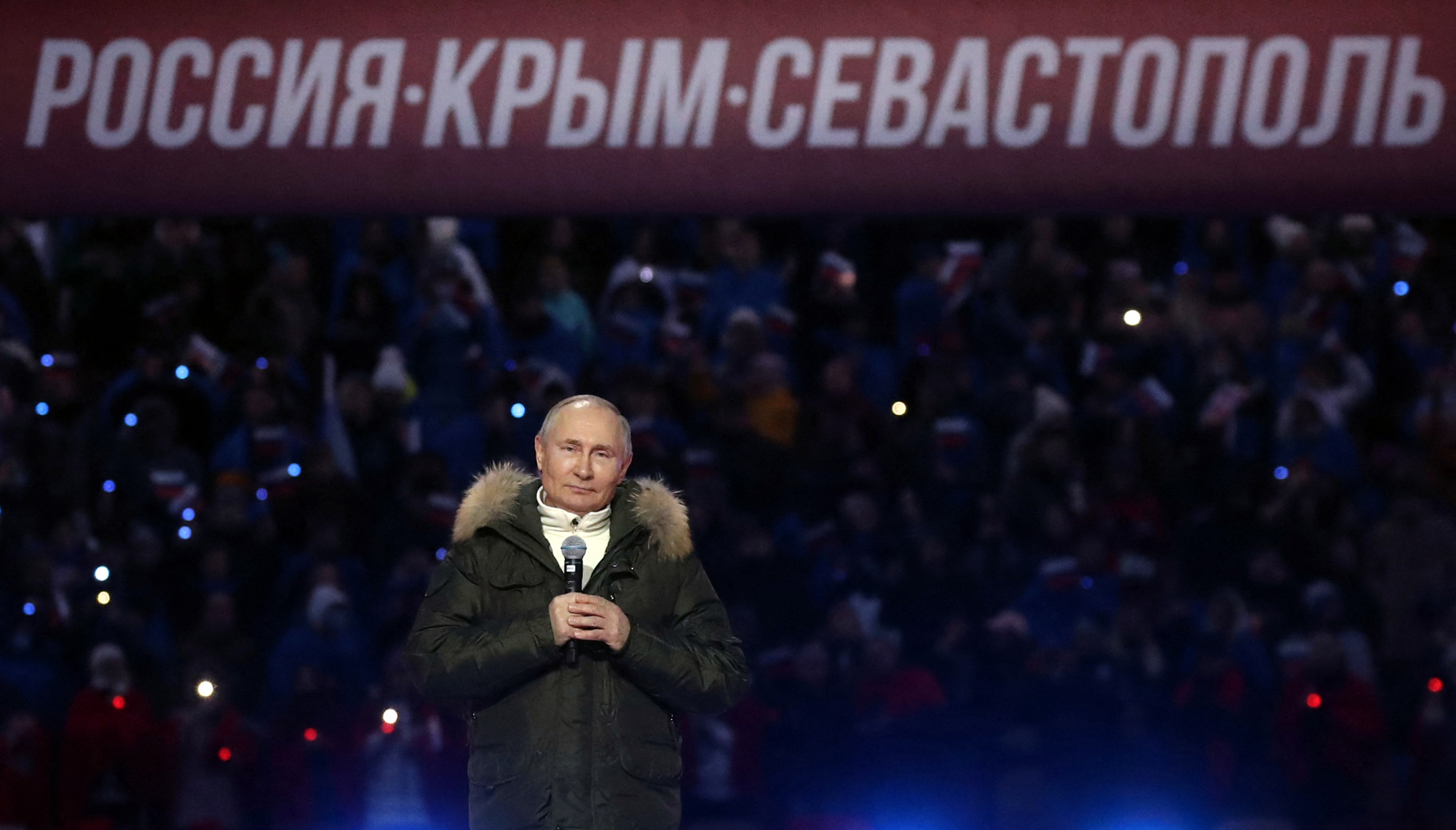
Putin gives a speech during a concert marking the seventh anniversary of Russia's annexation of Crimea on March 18.

Photographer: Vyacheslav Prokofyev/Sputnik/AFP/Getty Images

Check out all our biggest stories on the Bloomberg Politics web page here and tell us how we're doing or what we're missing at balancepower@bloomberg.net.

Global Headlines

Tech curbs | Biden is following Trump's playbook on limiting tech exports to China, expanding the targeting of companies such as Huawei. Eric Martin and Jenny Leonard report that while Washington is reviewing the China policies it inherited — including tariffs on more than $300 billion in annual imports — there's little support among Democrats or Republicans for easing the pressure on Beijing.

Olympic dilemma | A senior official in Japan's ruling party indicated canceling the Tokyo Olympics was an option as the country struggles with a surge in coronavirus cases less than 100 days before the Games begin. It comes as Prime Minister Yoshihide Suga prepares to fly to the U.S. to meet Biden, whose support will be key to keeping the Games on track.

  • President Xi Jinping pledged to hold a "simple, safe and splendid" Winter Olympics next year in Beijing.

On edge | Envoys from Iran and six world powers convene in Vienna for their third meeting in 10 days to try and revive the 2015 atomic accord. Yet, Jonathan Tirone and Golnar Motevalli write that hopes of progress are low given a recent cyber-attack on Iran's primary nuclear-fuel facility and Tehran's retaliatory vow to begin enriching uranium close to weapons grade.

  • Iran-backed Houthi fighters in Yemen claimed an attack on the Saudi refinery town of Jazan, the second strike against the kingdom's oil facilities in a week.

Influence peddling | U.K. Prime Minister Boris Johnson is trying to ride out a lobbying scandal that threatens to puncture the popularity he's enjoyed over the rapid Covid-19 vaccination program. Critics have accused his Conservative party of "sleaze" after it emerged former premier David Cameron lobbied ministers on behalf of the now insolvent finance firm Greensill Capital.

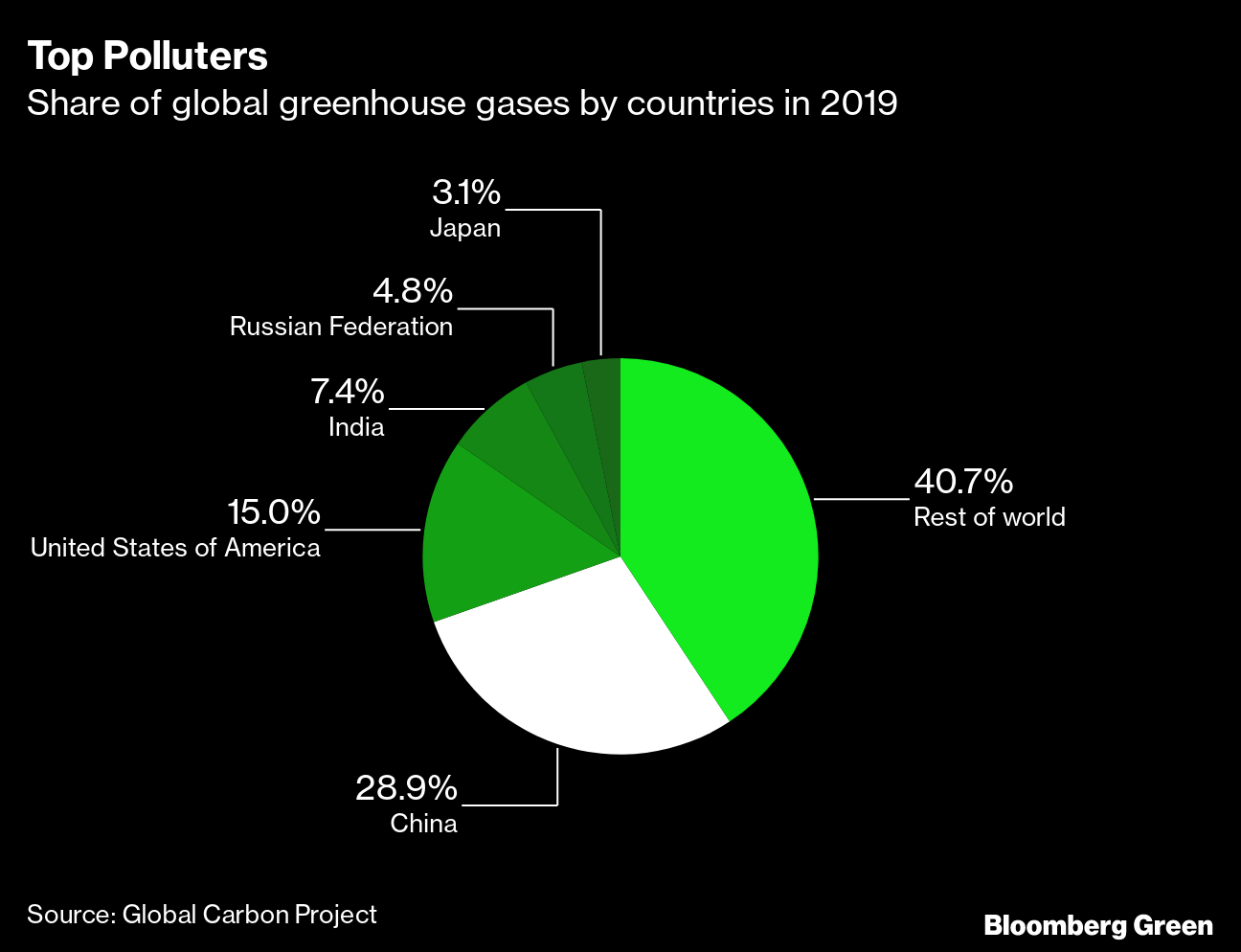
Climate ambition | U.S. climate envoy John Kerry is flying around the world trying to get some of the biggest polluters to step up their fight against climate change in time for a White House summit from April 22. But if new goals are the measure of success, the meeting is shaping up to be a disappointment, Jess Shankleman reports.

What to Watch

  • U.K. government minister David Frost travels to Brussels today to discuss the tussle over Northern Ireland with European Commission Vice President Maros Sefcovic, but there's little expectation of a breakthrough.
  • Turkish President Recep Tayyip Erdogan meets the Greek foreign minister today to discuss long-running disputes over energy rights in the eastern Mediterranean and the fate of divided Cyprus.
  • India reported more than 200,000 new Covid-19 infections today, its biggest one-day surge so far, while the capital New Delhi announced a weekend lockdown in addition to its nighttime curfew.
  • Hong Kong schools marked the first National Security Education Day by raising the Chinese flag and singing the national anthem, part of an effort to revamp the school system after pro-democracy protests in 2019.

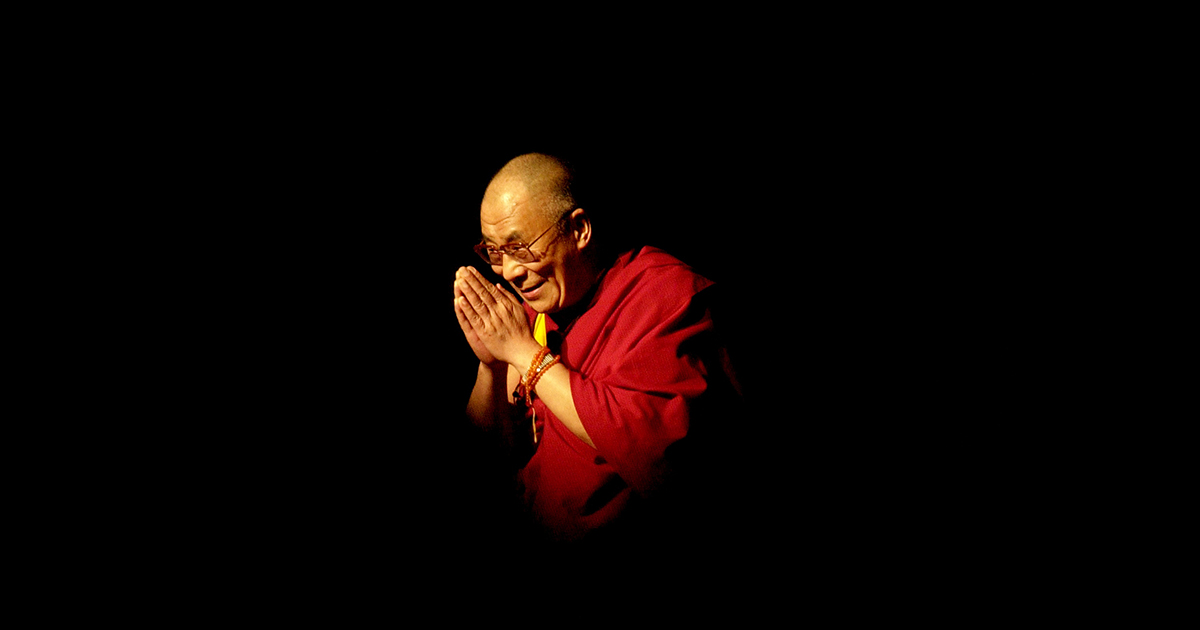
And finally ... The 14th Dalai Lama — a living Buddha to Tibetans — will turn 86 in July in India, where he has lived in exile for six decades. The matter of his successor is shaping up to be a geopolitical battle that pits India and the U.S. against Beijing. Sudhi Ranjan Sen reports on New Delhi's efforts to influence the succession and why it matters as border tensions with China continue to simmer.

The Dalai Lama.

Photographer: David McNew/Getty Imagees


Like Balance of Power? Get unlimited access to Bloomberg.com, where you'll find trusted, data-based journalism in 120 countries around the world and expert analysis from exclusive daily newsletters.


No comments