| What's happening? British voters hardened their attitudes against the European Union because of the row over vaccines and Northern Ireland. In the wake of clashes between London and Brussels over coronavirus vaccines, British voters are turning further against the EU. That's according to a Bloomberg poll which found that almost two-thirds of adults believe being outside the bloc helped the U.K.'s immunization program to succeed. Tim Ross reports that almost a fifth of those who voted to remain in the EU would now choose to stay out. Remember the promise plastered across a bus that leaving the EU would mean the U.K. could spend 350 million pounds ($483 million) a week on its health service? That was always unlikely, but some of the claims by the Remain side have also proved overblown, Joe Mayes reports. Fewer jobs in financial services have relocated to the EU than firms such as PricewaterhouseCoopers predicted, for instance. 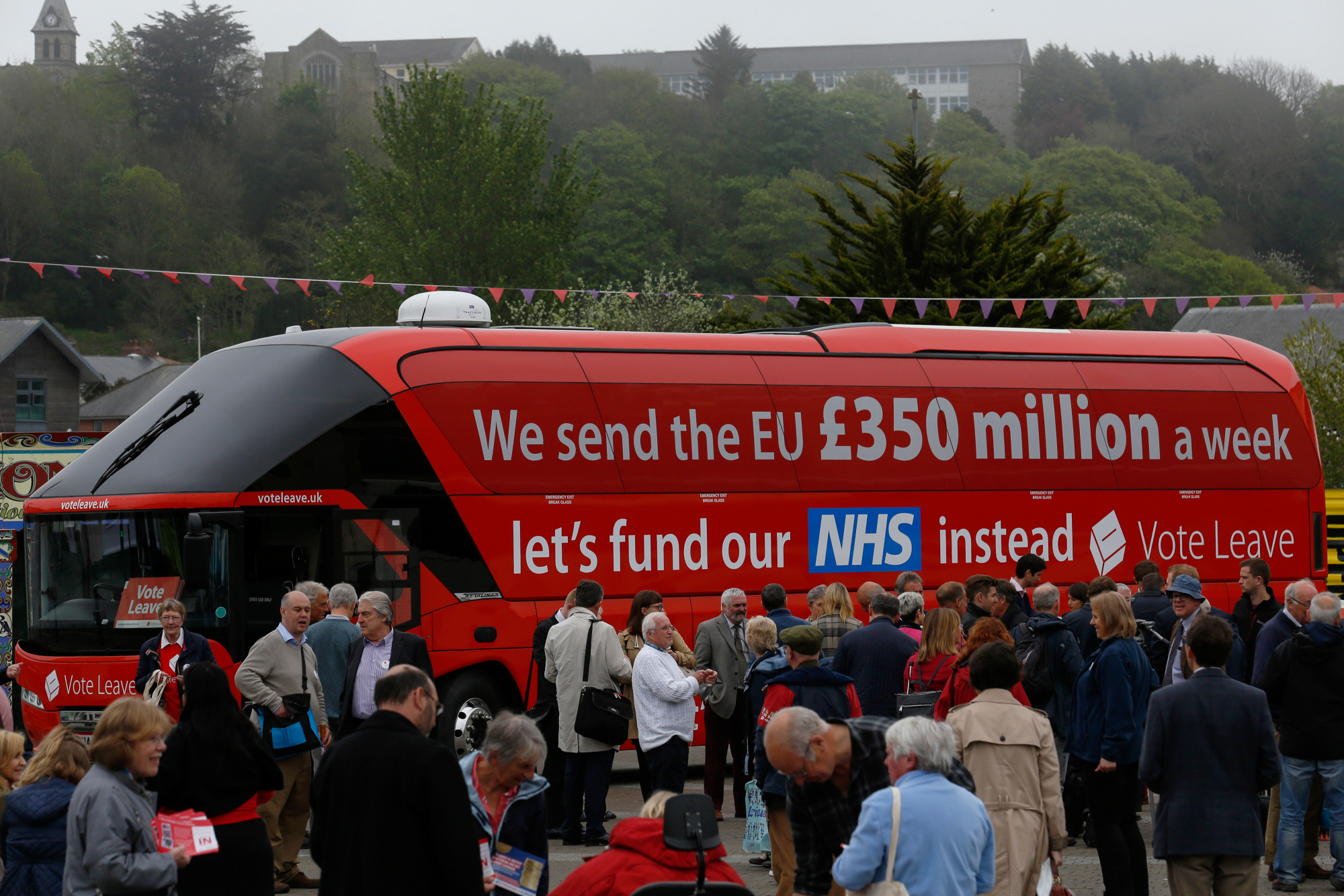 Supporters gather around the Vote Leave Bus in May 2016. Photographer: Luke MacGregor The U.K.'s finance industry has taken a few knocks already this year, though — not least the flop of the listing of Deliveroo. Amsterdam also overtook London as the top location for European share trading. The swashbuckling reforms that some imagined have yet to materialize. As JPMorgan's Chief Executive Officer Jamie Dimon put it, the EU "has had, and will continue to have, the upper hand." To avoid the hassles of customs checks, retailers like JD Sports are opening new warehouses in the EU, a "disappointing" development for the U.K., according to the sportswear chain's CEO Peter Cowgill. Violence is increasing in Northern Ireland. U.K. Minister David Frost is travelling to Brussels on Thursday for a dinner meeting with European Commission Vice President Maros Sefcovic where the two will seek to unpick a dispute over the protocol managing the Northern Ireland border. The EU last week delayed legal action after London unilaterally extended a waiver on checks on some goods entering Northern Ireland from Britain. — Lizzy Burden As ever, if Brexit is affecting your business in a way we haven't reported, please get in touch. You can reach me at eburden6@bloomberg.net Chart of the Week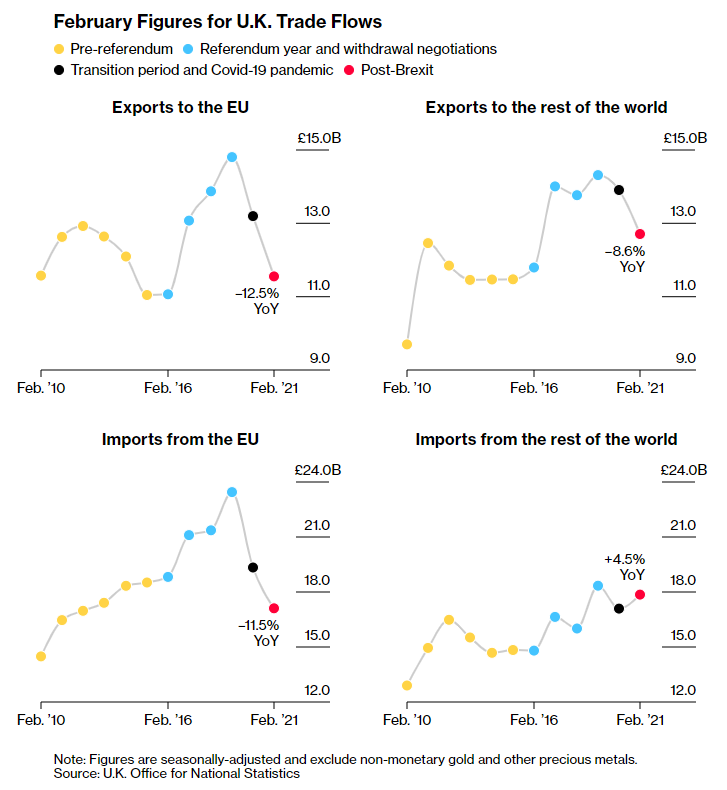 Trade between the U.K. and EU partially recovered in February, boosted by exports of cars and pharmaceuticals. Meat and fish bound for the bloc dropped sharply since their producers face the burden of checks imposed by the EU. Compared to a year earlier — before the coronavirus pandemic struck — both imports and exports were down. Check out the latest version of our U.K. trade tracker to stay on top of the official data. Don't MissWant to keep up?You can follow us @Brexit on Twitter, and listen to Bloomberg Westminster every weekday. Share Beyond Brexit: Colleagues, friends and family can sign up here. For full EU coverage, try the Brussels Edition. Get More From BloombergYou can find all of our newsletters here, but here are some we think you'd particularly enjoy: Bloomberg is also tracking the progress of coronavirus vaccines and mapping the pandemic. Sign up here for our Coronavirus Daily newsletter and here for our podcast. Subscribe to Bloomberg.com for unlimited access to trusted, data-driven journalism and expert analysis. | 


Post a Comment