Header Ads

Supercar special

The future is here—and it's electric. Well, maybe.

The Koenigsegg Gemera, which made its worldwide public debut last March, is a €1.5 million ($1.8 million) supercar with all of the fixings: a carbon fiber body, stunning dihedral doors, massive air vents, and a 0 to 60 mph spring time of less than 2 seconds. 
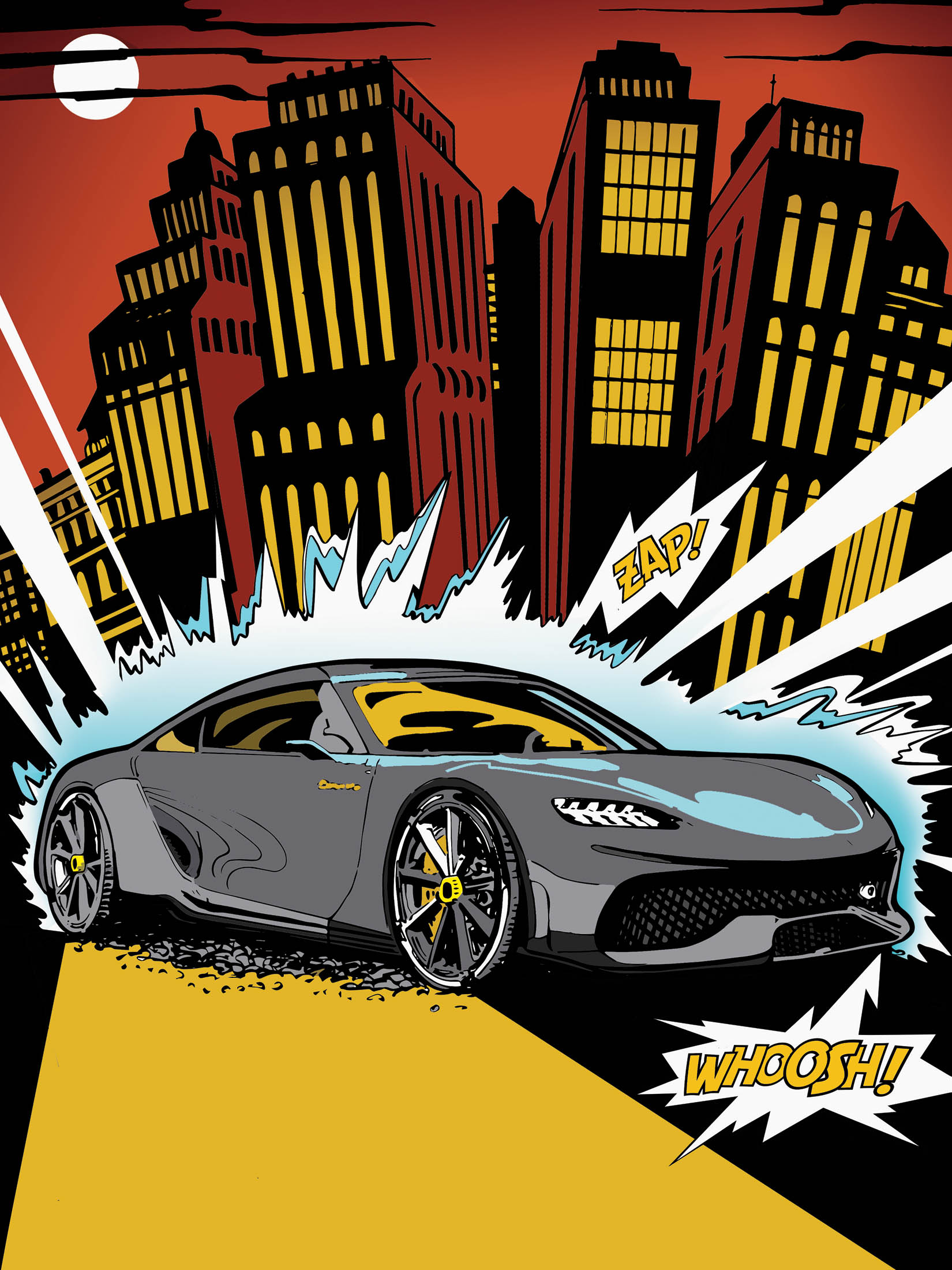
Electrification is redefining what it means to be extraordinary.

Illustration: Jacquie Boyd

But there's a radical difference once you pop the hood. Instead of the midmounted twin-turbocharged V-8 engine of the speed-record-breaking sister, the Koenigsegg Agera, the 1,700-hp Gemera has a turbocharged 2.0-liter inline-three engine—and three electric motors.

The Swedish manufacturer isn't the only elite auto brand looking to electric power for its future.
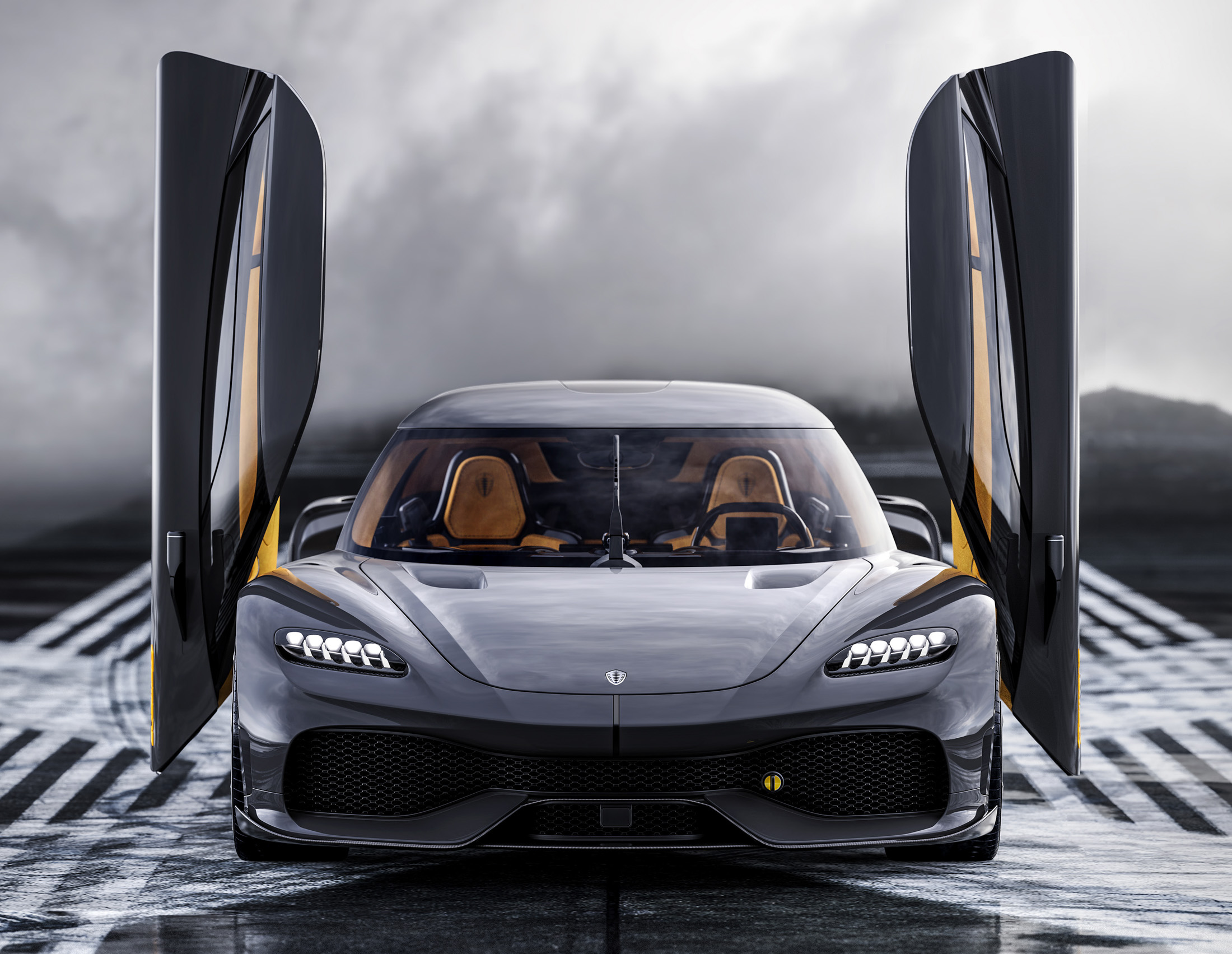
The Koenigsegg Gemera will start production in 2022. 

Source: Koenigsegg

Pininfarina unveiled its 1,900-hp all-electric Battista in 2019, the same year Lotus revealed its 1,973-hp electric Evija. Ferrari is currently making its 986-hp SF90 Stradale hybrid. McLaren recently unveiled a $225,000  Artura hybrid that uses an electric motor to get to 205 mph.

In the past two years, dozens of high-performance vehicles have sprung into existence, a veritable cascade of releases compared with the scattered few of previous decades.
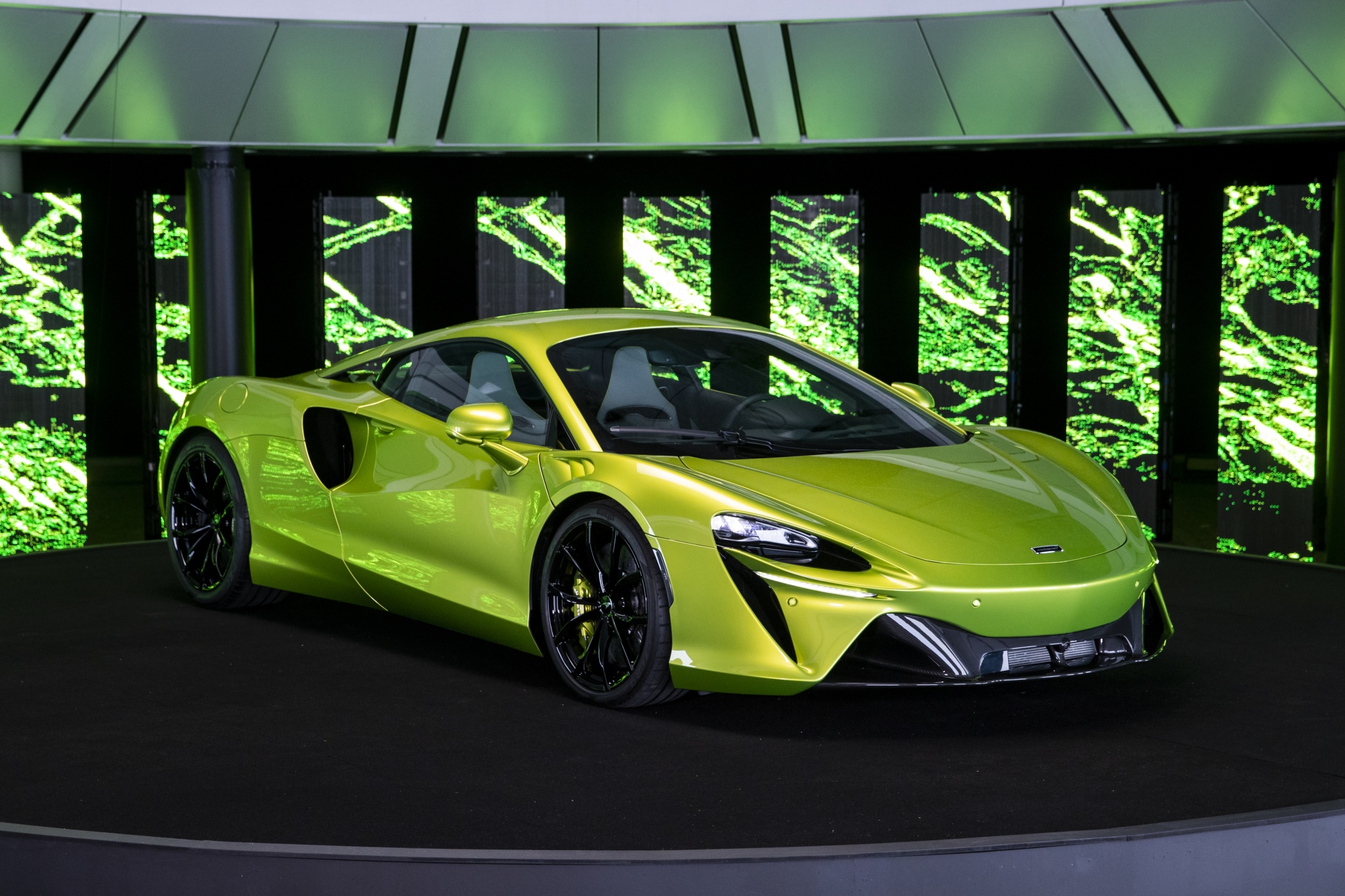
The McLaren Artura hybrid in Woking, England. 

Photographer: Mark Thompson/Getty Images Europe

From Bugatti to Pininfarina, Aston Martin to McLaren, Lamborghini to Ferrari, supercars are big business. And they're making more than ever.

And now that 1,000-plus horsepower and top speeds of 200 mph have become commonplace, automakers are relying on electric motors to push beyond the outer limits of the combustion engine. —Hannah Elliott

Petrol Purists Fume as EVs Creep Into $1 Million Supercar Market
Electrification is redefining what it means to be extraordinary.
A Timeline of Supercar Innovations Over the Decades
Technology and design features that are ho-hum today first began as futuristic ideas in exotic cars.
Do Supercars Make a Good Investment?
The road to a return, according to experts. 
A Country Club for Race Cars Emerges Minutes From Miami Beach

For an initial outlay of $185,000, you can feel like a Formula One driver.

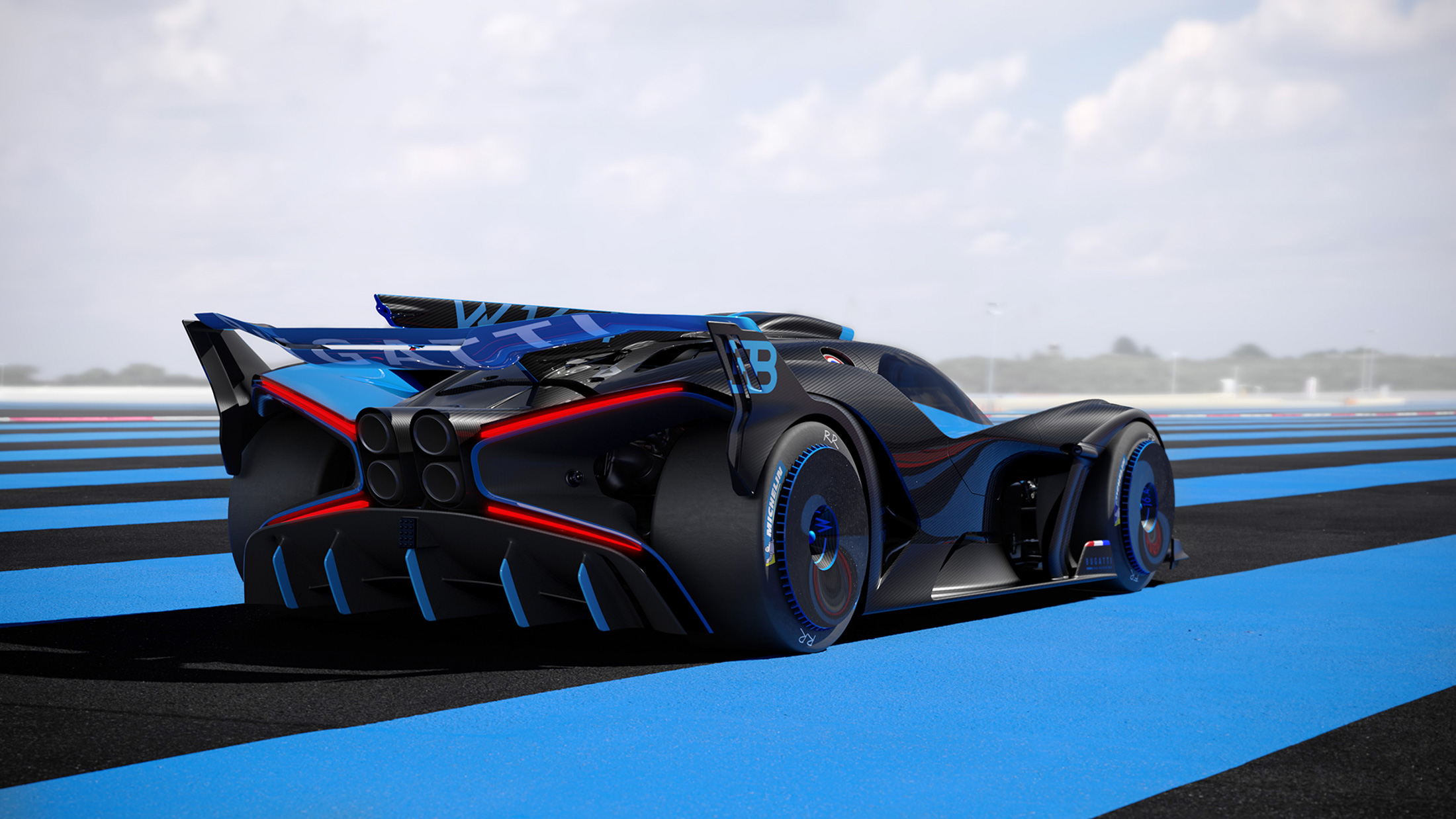
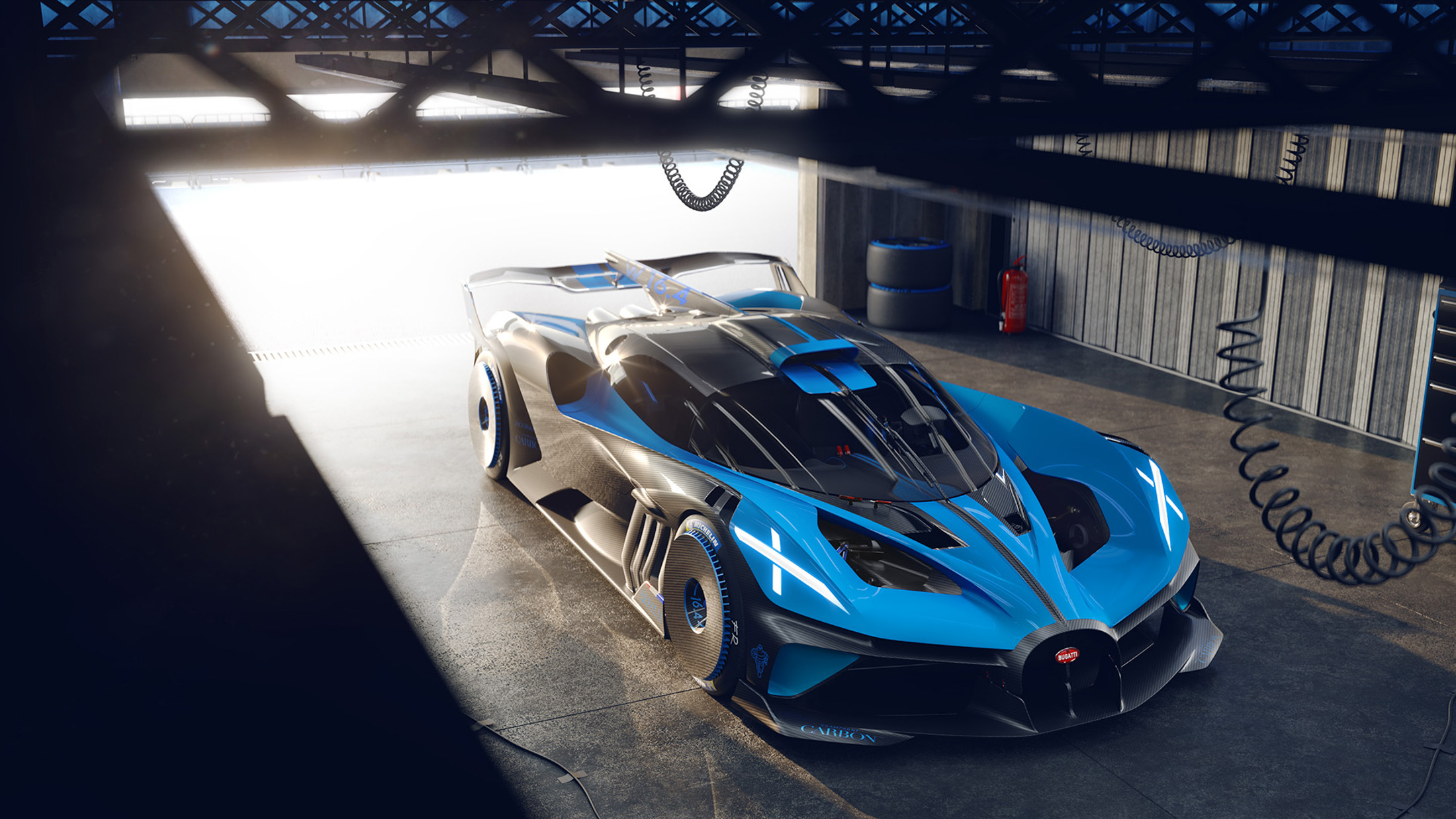
The Bugatti Bolide.

Source: Bugatti

The Cream of the Crop

Much like the sartorial wonders sent down the runway at haute couture fashion shows, supercars help automakers display what they're capable of creating when time and money are no object.

"It's an automaker's ability to stretch every aspect of design and performance, to not be bound by the constraints of mass economies of scale," says Jonathan Klinger, Hagerty's vice president for car culture.

As such, supercars occupy the realm of fantasy rather than anything as practical in real life as, say, power seating or useable trunks. They're a potent cocktail of innovation, power, and sex appeal.

Here is a closer look at some of the best new supercars that have recently debuted. 

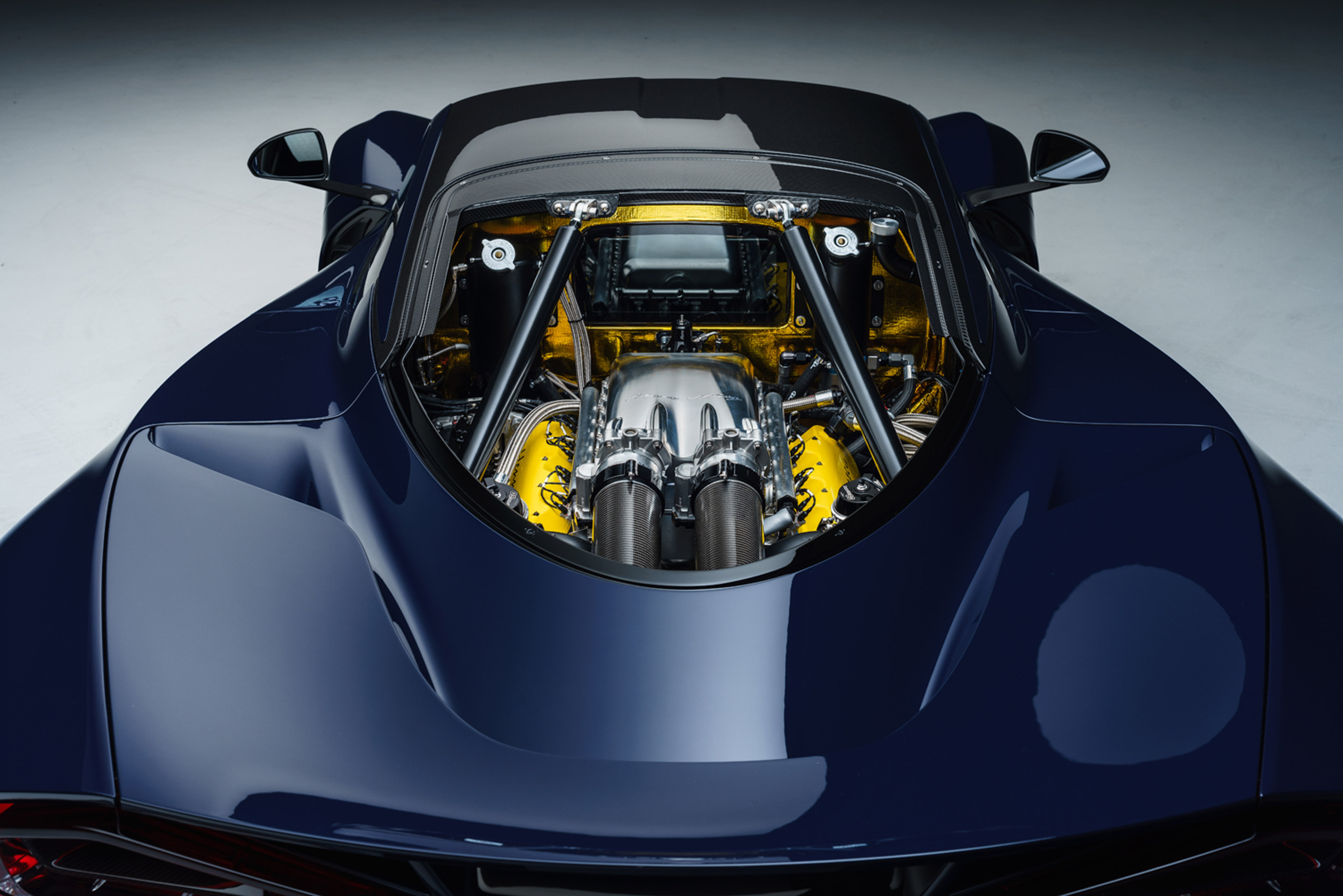
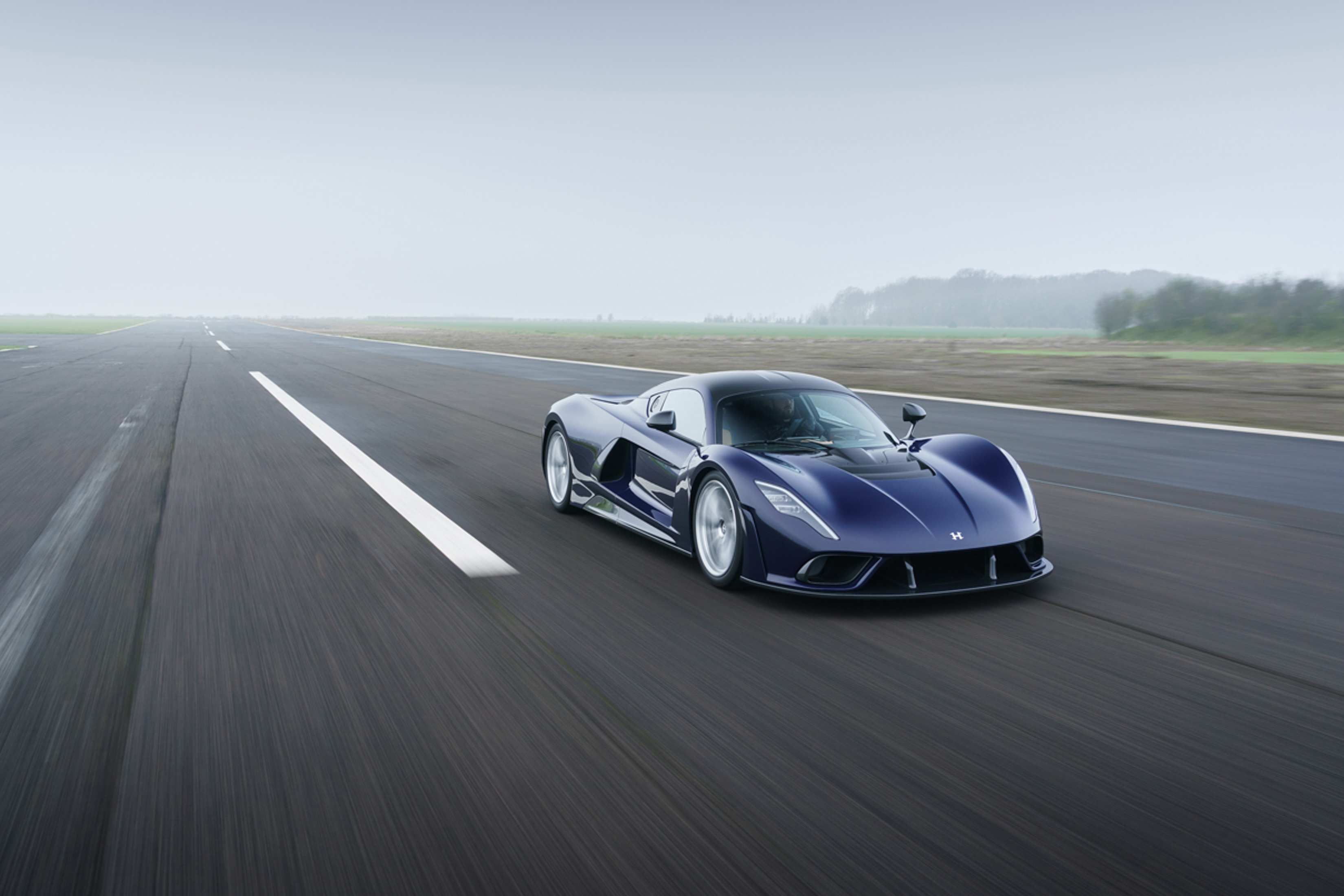
Hennessey Venom F5.

A Texas-Made $2.1 Million Hypercar Will Attempt a New Speed Record
The 2021 Ferrari Roma Is the Most Perfect Ferrari on the Road Today
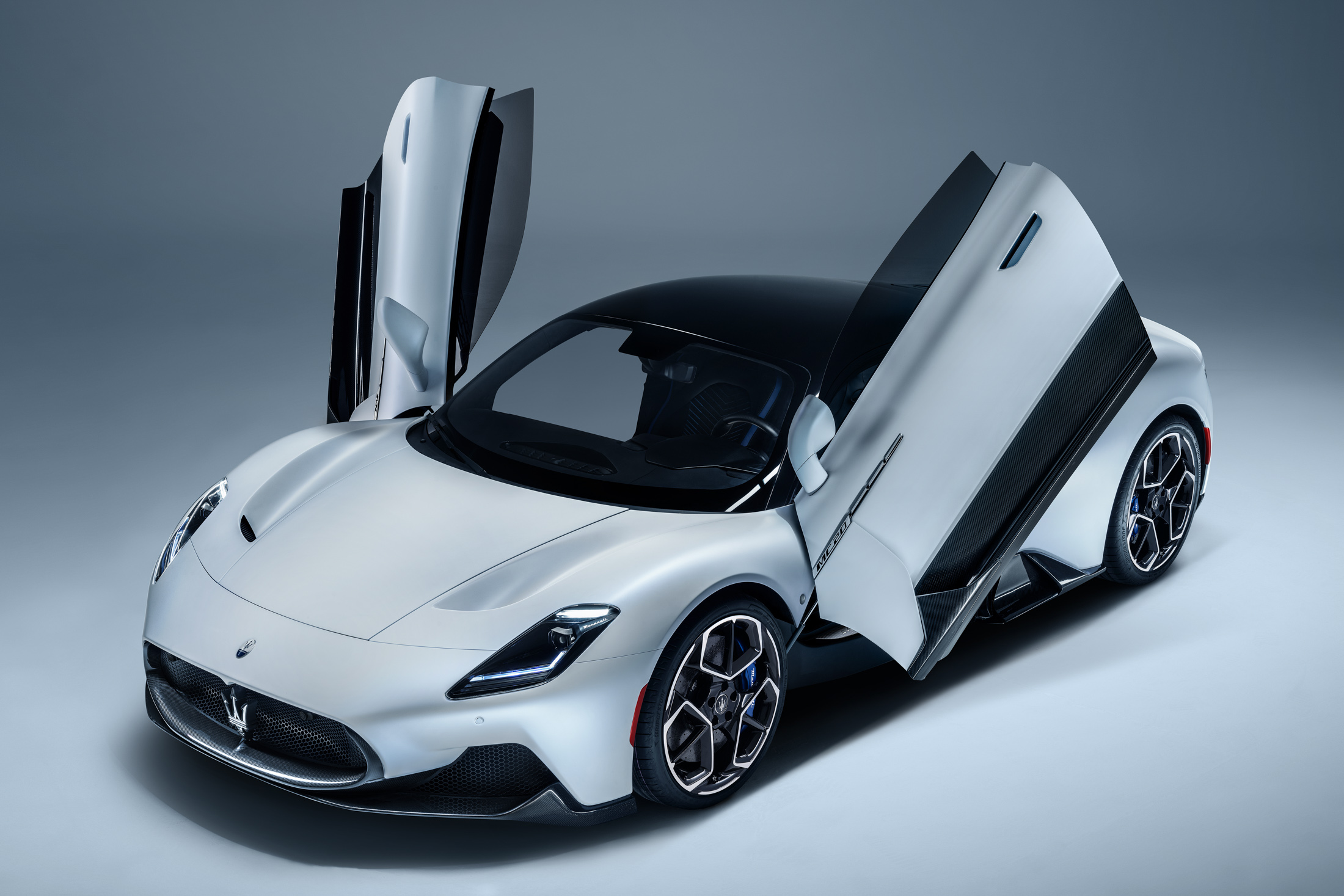
Maserati's First Supercar in 15 Years Is Set for Flight
The Experimental Bugatti Bolide Is a Study in Speed Set for the Track
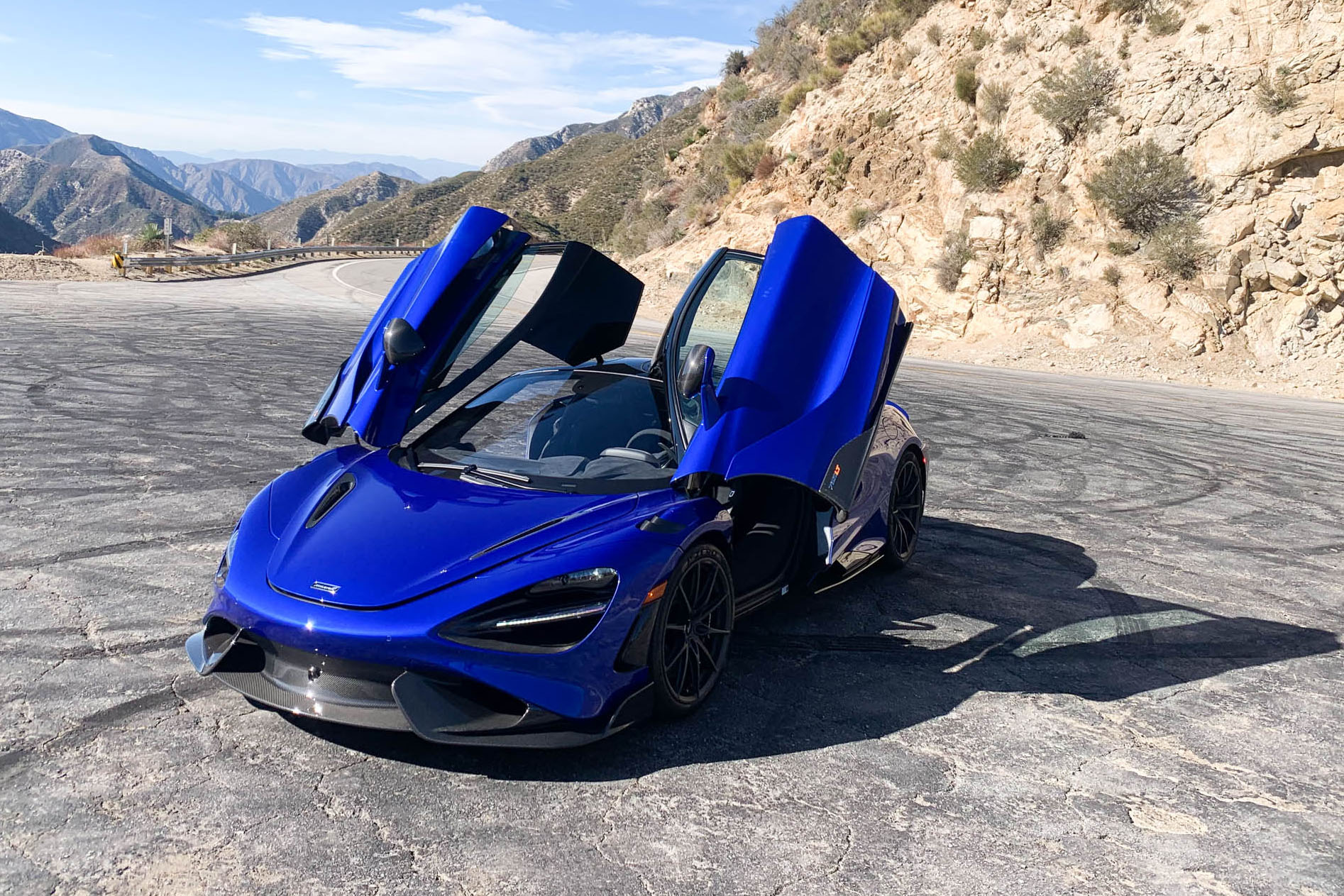
McLaren's $358,000 Latest Is Real Value for the Money...Really 


Cut The Glare

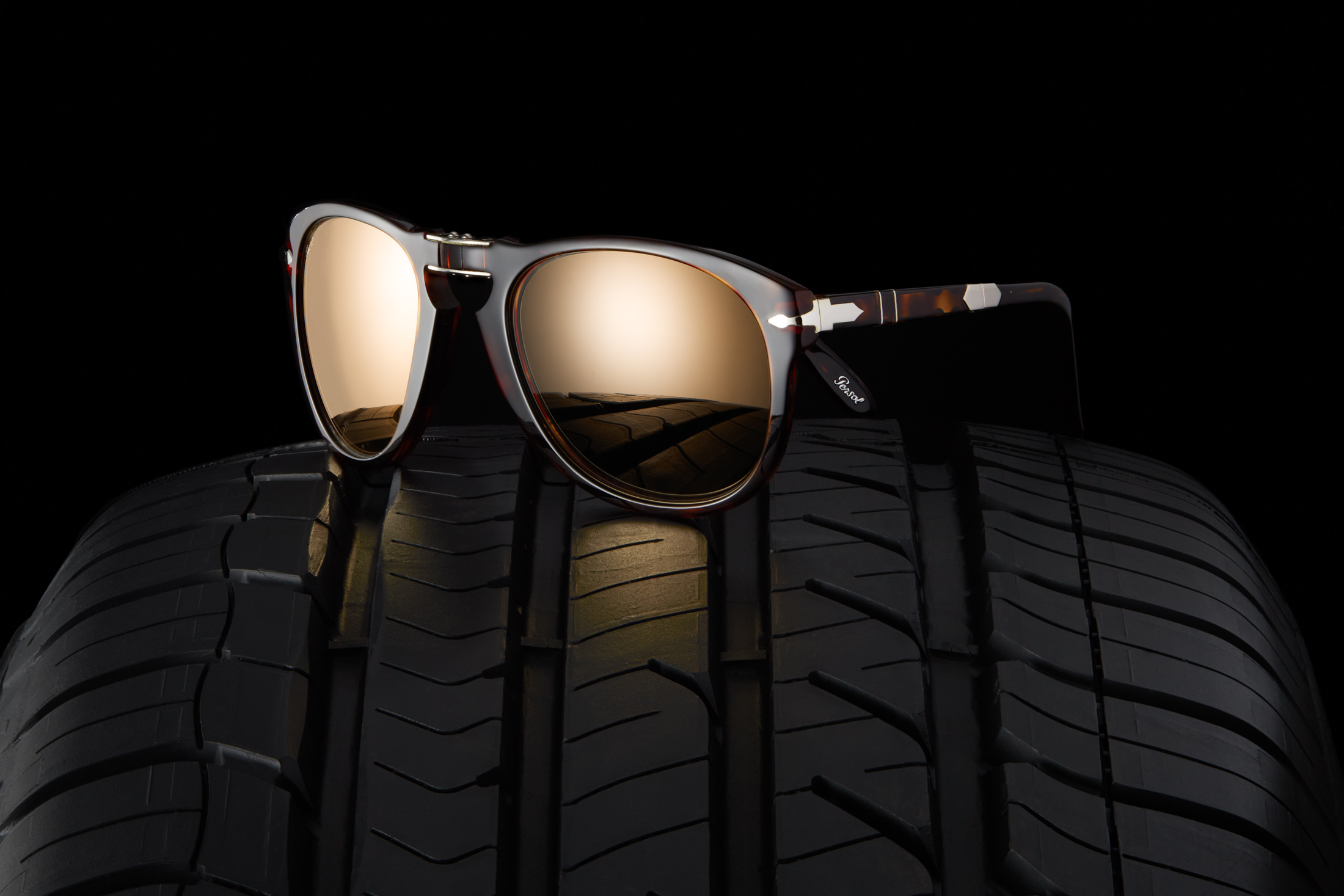
24K gold sunglasses from Persol.

 Photographer: Janelle Jones for Bloomberg Businessweek

With all this driving, you're going to need something to block the sun. Might we present for your consideration the sunglasses favored by perhaps the most famous driver ever, Steve McQueen? He wore his favorite pair—tortoise-framed 714s customized with blue-tinted lenses—in Bullitt, The Getaway, and The Thomas Crown Affair. 

Introduced in the 1960s as a more compact version of Persol's original 649 model, the 714 was the first pair of sunglasses to fold conveniently inward, ensuring safe storage in places as small as a breast pocket. The unique pilot shape, keyhole bridge, swordlike accents on the edges, and acetate frames are all present in a limited edition dubbed the Persol 714SM ($790), but it's the warm Havana brown color and alluring 24-karat-gold-plated lenses that really steal the show.

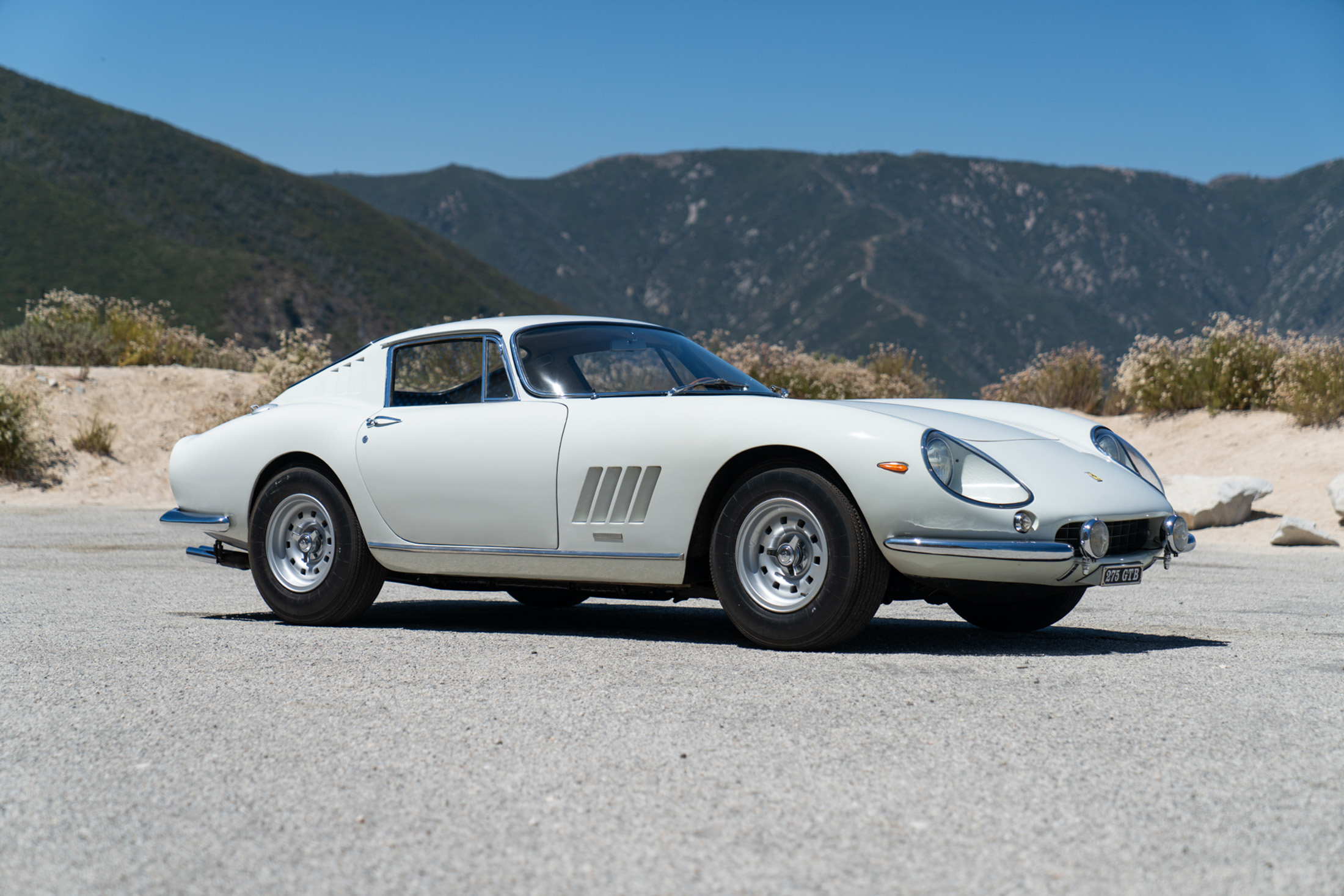
This $3.8 million 1966 Ferrari 275 GTB Long Nose is the most expensive car ever sold online. 

Photographer: Mike Maez, courtesy of Gooding & Company

Vintage Supercars From the Pursuits Archive

Electric cars may be the future of the market, but the past holds plenty of exciting jewels of its own.

And if you read just one thing…

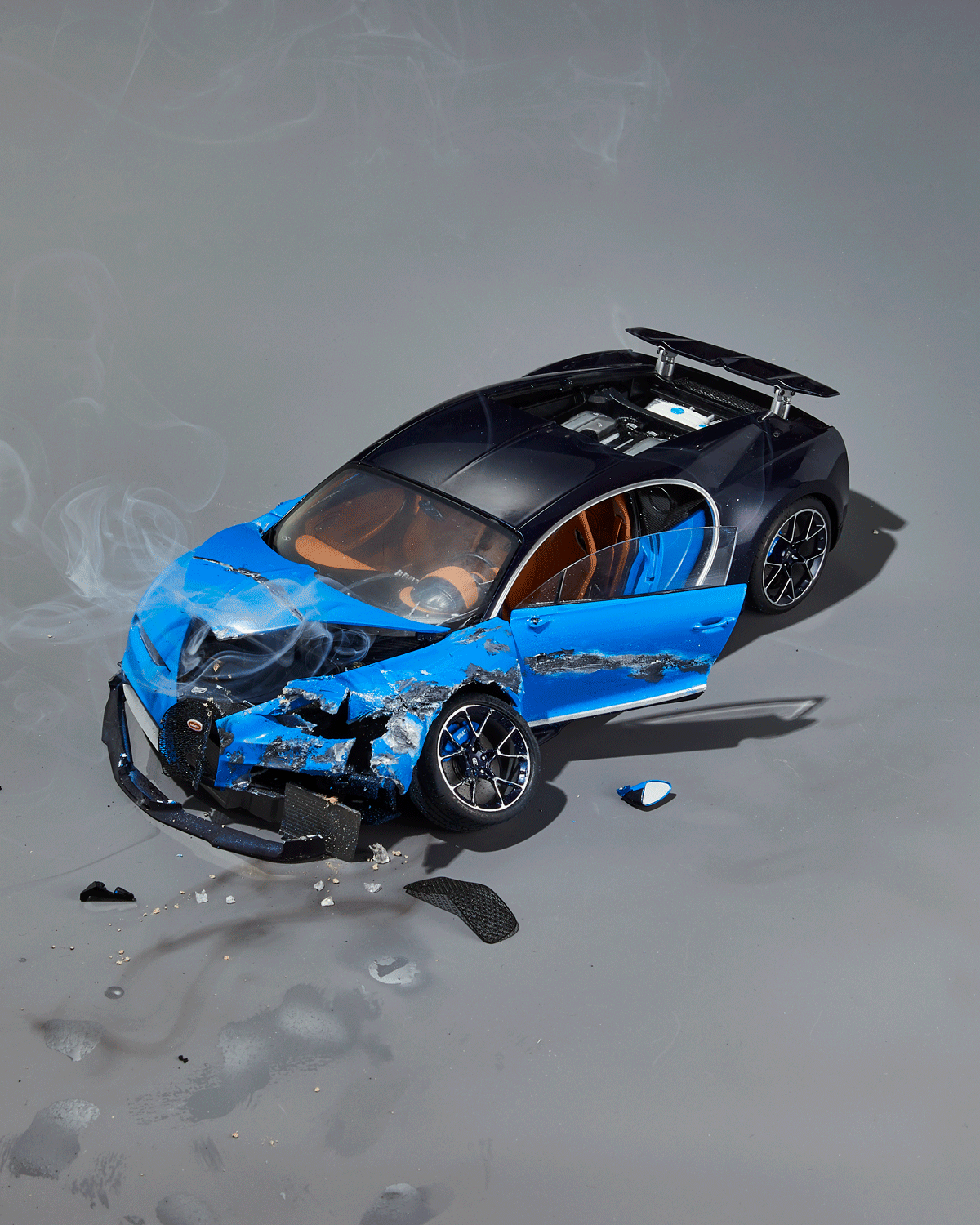
So You Crashed a $3 Million Bugatti. Now What?

The complicated, costly, world-crossing process of fixing a wrecked supercar


Like getting the Pursuits newsletter? Subscribe to Bloomberg.com for unlimited access to trusted, data-driven journalism and gain expert analysis from exclusive subscriber-only newsletters.


No comments