| On the tense, tearful march for social justice, companies and brands have generally stayed at the back or half-heartedly cheered from the sidelines. The general approach, even now, has been to do just enough: acknowledge the moment and appear woke, while alienating as few potential customers as possible. Ben & Jerry's, meanwhile, moved right to the front of the scrum and then some this week with a 700-word statement imploring readers to "dismantle white supremacy." It also had a plan: the ice cream empire urged lawmakers to pass a bill that would create a commission to study the effects of discrimination since the 17th century and explore reparations. Nike made a cool campaign commercial; Ben & Jerry's essentially called all the congressmen, as it's been doing in one form or another since 1978. What has gained less publicity is the company's seven-week campaign to reduce prison populations as COVID spreads through crowded detention centers. It's part of a wider Ben & Jerry's push to reform and reimagine the criminal justice system. This is no longer a crunchy Vermont startup, mind you. It's as big as business gets, a unit of the Unilever conglomerate for 20 years now. When it accepted the $326 million sale price, Ben & Jerry's made sure its social mission stayed intact and well funded. Since the deal, is has become a B-corporation, putting social considerations on par with economic ones. This arrangement, while tricky and weird, is less novel by the day. Consumers, particularly young ones, are increasingly inclined to buy from businesses that publicly align with their values, or at least have a thorough, cogent social strategy. It's also far easier to be a conscientious consumer these days. For one thing, there are 3,300 B corps to choose from. Adidas isn't progressive enough for you? Try Allbirds. Lululemon racked up to many insensitive moments? There's Athleta, which scores an 84 on the B corp "impact score." The list goes on. There's a flip side to the doing-well-by-doing-good equation, though. Companies that are more public and proactive in their social missions are also less likely to be attacked by activists. In the past 20 years, the number of social movements targeting businesses has nearly doubled. What's more, companies that are called out by social activists, probably have less sway in government. Research has shown that lawmakers, fearing reputation damage of their own, steer clear of stigmatized firms. Wharton Professor Americus Reed told The New York Times that consumers are increasingly "pressure-testing" executives, to see where they stand on certain issues. The same social media streams that companies use to dash together anodyne social statements have made it far easier for movements to organize and hold brands to account. The pressure is on each of us at the moment, whether we're saying anything or not. A big heaping portion of it, oddly enough, is coming from Big Ice Cream. 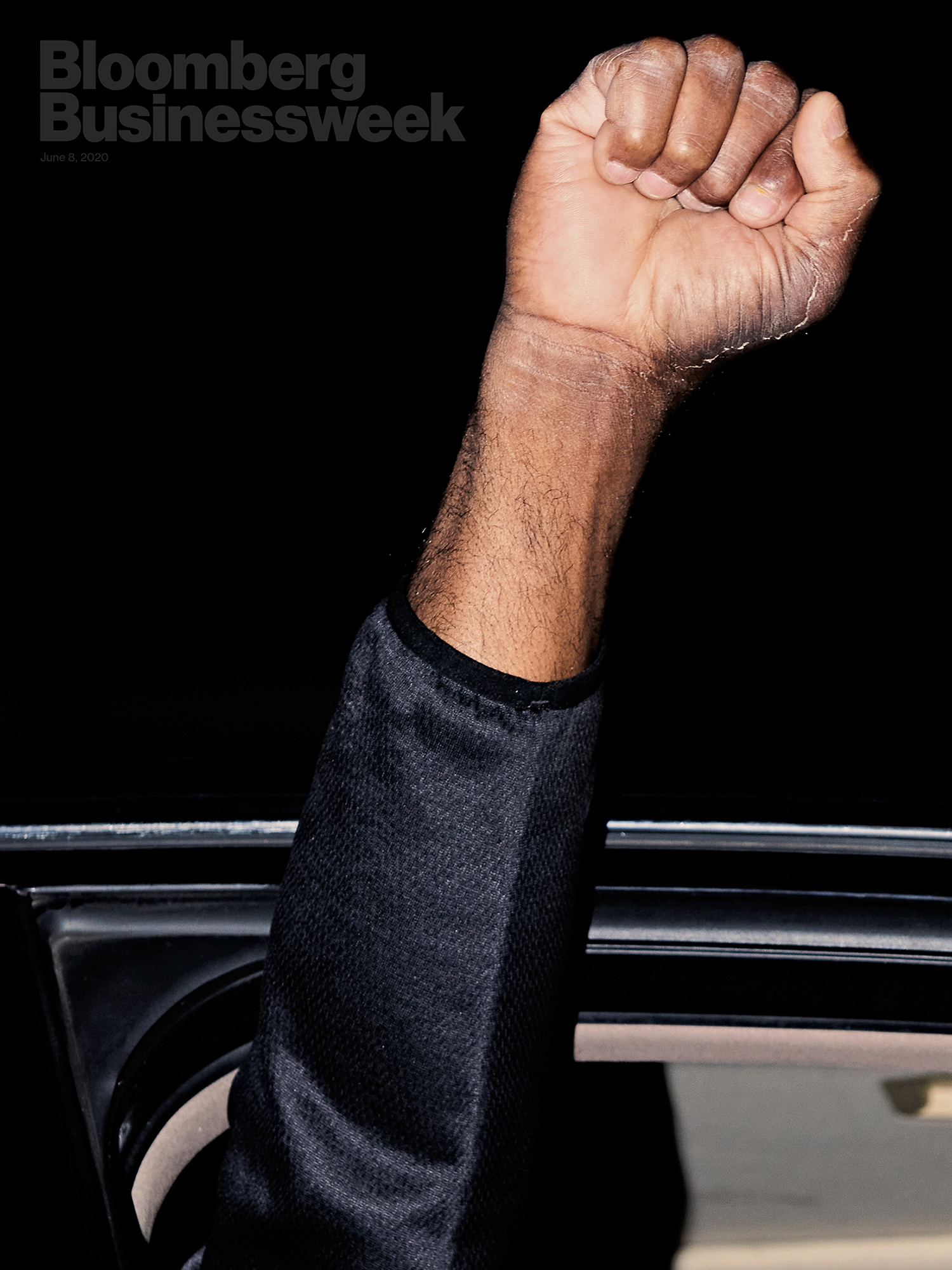 Featured in Bloomberg Businessweek, June 8, 2020. Subscribe now. PHOTOGRAPHER: PHILIP KEITH | 


Post a Comment