| The ongoing Covid-19 pandemic is an event of such scale that it can be measured in the planetary metrics of climate change. As many as 2.6 billion metric tons of carbon dioxide emissions—about 8% of what was the estimated total for the year—will never see the light of day, according to estimates by the International Energy Agency. Pick any world-shaking event from the 20th century—none has produced a bigger drop in man-made pollution. 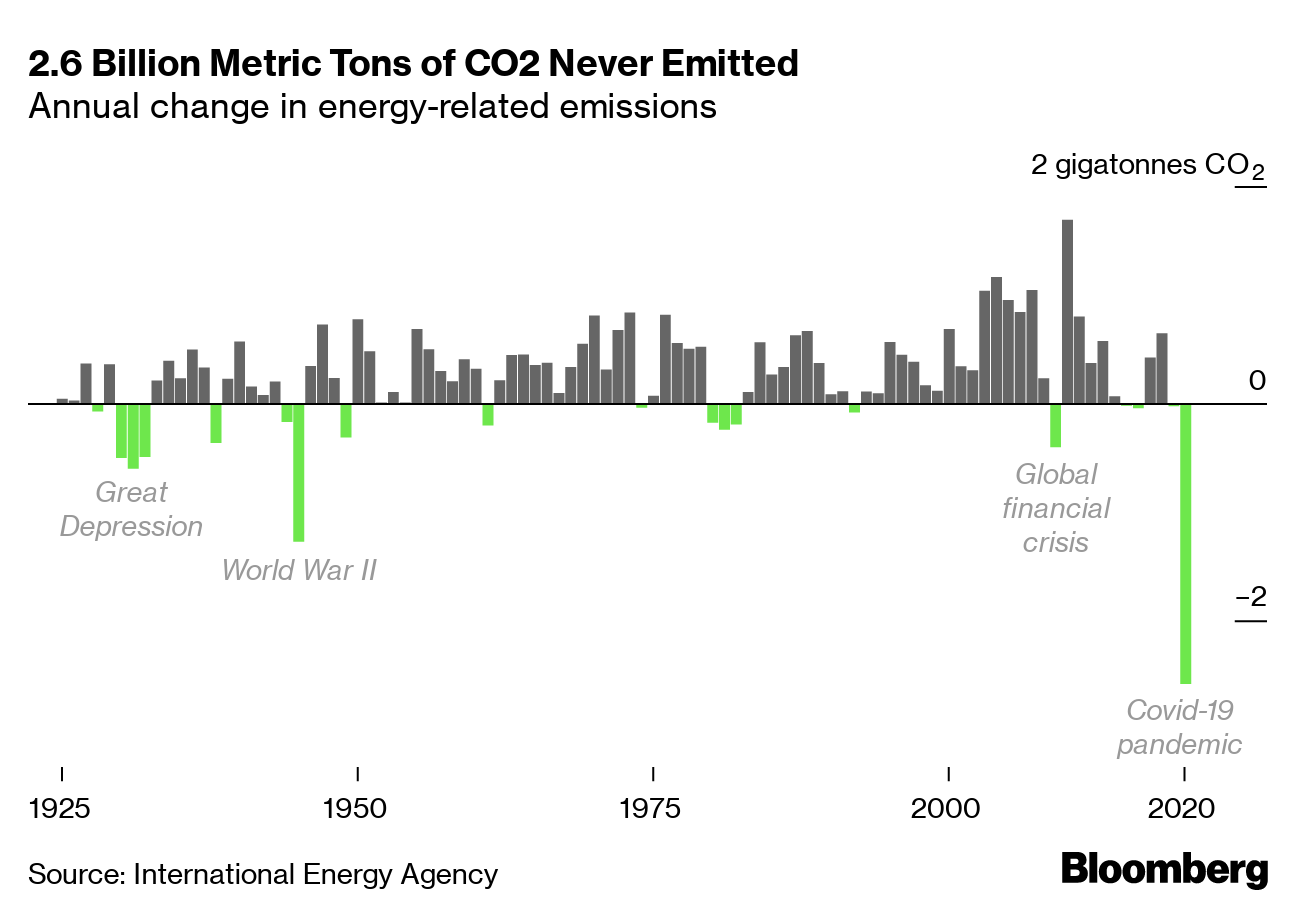 It's also thrust us into an alternate universe—one in which we suddenly see the result of all those impossibly bold climate actions that seemed out of reach thanks to the selfishness and lack of foresight often endemic to human civilization. It took just weeks, not years, for skies in polluted cities to clear as emissions dropped. Wildlife are venturing into what was once human territory. Nature is healing, as the meme goes. Of course, there's a major difference between "healing" and "healed." We cannot possibly halt decades of environmental damage in a matter of months. (And we all know that, once the pandemic eases, nations and industries will likely return to their global-warming ways with gusto.) This past April equaled the warmest on record. Global temperatures were 0.7 degrees Celsius warmer than the average April between 1981 and 2010, according to Europe's Copernicus Climate Change Service. Despite environmental goals that called for a complete halt to deforestation by this year, the world's total forest area is still decreasing, according to a new United Nations report. The planet has lost 178 million hectares of forest since 1990, an area roughly the size of Libya. 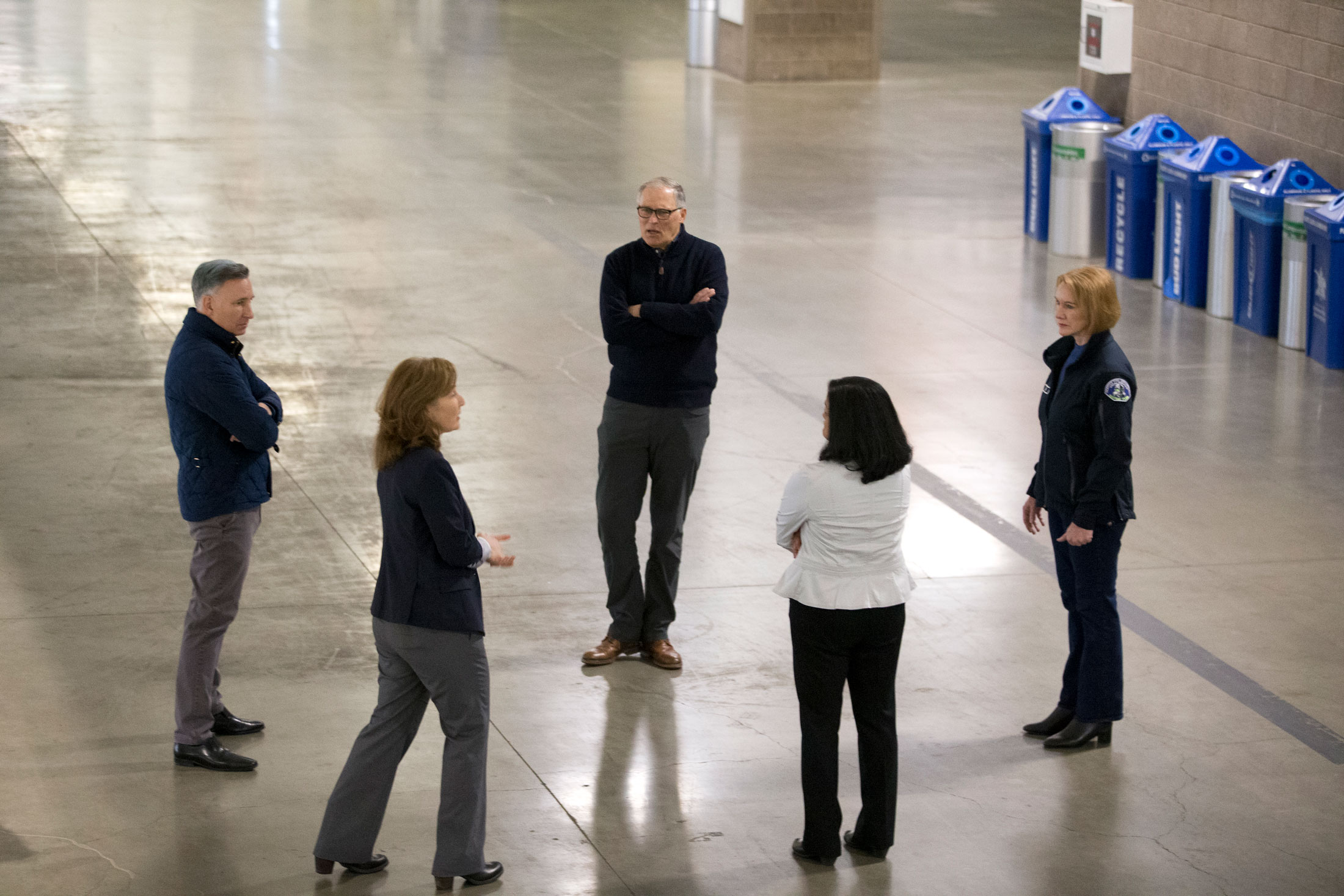 Washington Governor Jay Inslee, center, after a press conference on March 28 in Seattle. Photographer: Karen Ducey When Washington Governor Jay Inslee ran for the Democratic Party presidential nomination on a platform of aggressively tackling climate change, he never gained much traction with voters. But when the first coronavirus cases hit his state in January, his science-based leadership seemed prescient. The two crises have "a very different time scale," Inslee said in an interview with Bloomberg Green. "But there are a lot of similarities in the best way to address both. Number one is the most important: You've got to be aware of and accept the science and make decisions based on data—even if that is uncomfortable. The consequences are very dire for both if you don't follow the data." Finally, as policymakers and politicians begin to contemplate the future, many are rethinking the way cities are designed. Environmental advocates have long championed mass transit. In times of pandemic, however, personal alternatives to low-emissions transit are getting another look. The bike is back, in a big way. Ride safe! Josh Petri writes the Week in Green newsletter recapping the best reads and key news in climate change and green solutions. | 






Post a Comment