| The coronavirus has suppressed a lot of economic activity in China, be it shopping, travel or eating out. One thing it hasn't stifled is borrowing. Chinese companies piled on debt at a record pace last month as measured by corporate bond sales. At about $240 billion, March's tally for domestic new issuances was 21% more than a year ago and topped the combined total for the first two months of 2020. This was no random outcome of course. Keen to soften the economic shock from the outbreak, Beijing has pumped money into the market and guided borrowing costs lower. More of that is on the way. 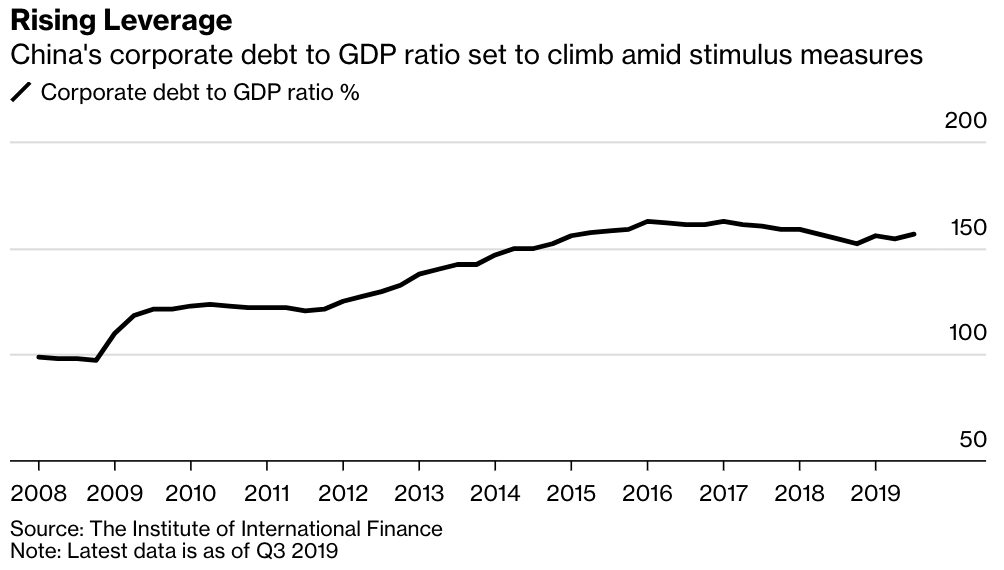 There are obvious reasons why that's good. With consumption and investment at substantially subdued levels, making sure businesses have access to lending could be what keeps them afloat. That in turn helps to protect jobs, buoy spending and stabilize growth. But there's also reason to worry. China already had a lot of debt before the outbreak, about three times the size of GDP. Indeed, policy makers were in the middle of a delicate four-year campaign to reduce leverage in the economy when the virus hit. That deleveraging push now look like it's been suspended and China's mountain of debt appears almost certain to reach new highs. Not that policy makers had much choice. Beijing was forced to pick between cushioning the economy against an immediate blow and sustaining the fight against a threat just peeking over the horizon. It choose to address the clear and immediate danger, as most countries have, and to kick long-term peril further down the road. U.S.-China Tensions The calm didn't last long. A week after Washington and Beijing appeared to find some common ground for what they would and wouldn't say about the coronavirus, it was revealed that American intelligence officials sent the White House a report in which they concluded that China under reported the impact of the virus. That prompted the Chinese foreign ministry to accuse the U.S. administration of trying to shift blame for its own handling of the virus. When asked about the intelligence report, President Donald Trump said he hadn't seen it but added China's data look a little on the light side. He then pivoted to how good his relationship with President Xi Jinping is and how the two sides signed a phase-one trade deal. That's notably more dovish than earlier in March, when Trump insisted on using the term "Chinese virus" and blasted a Beijing official for suggesting American soldiers had a role in starting the outbreak. Perhaps the calm will return. 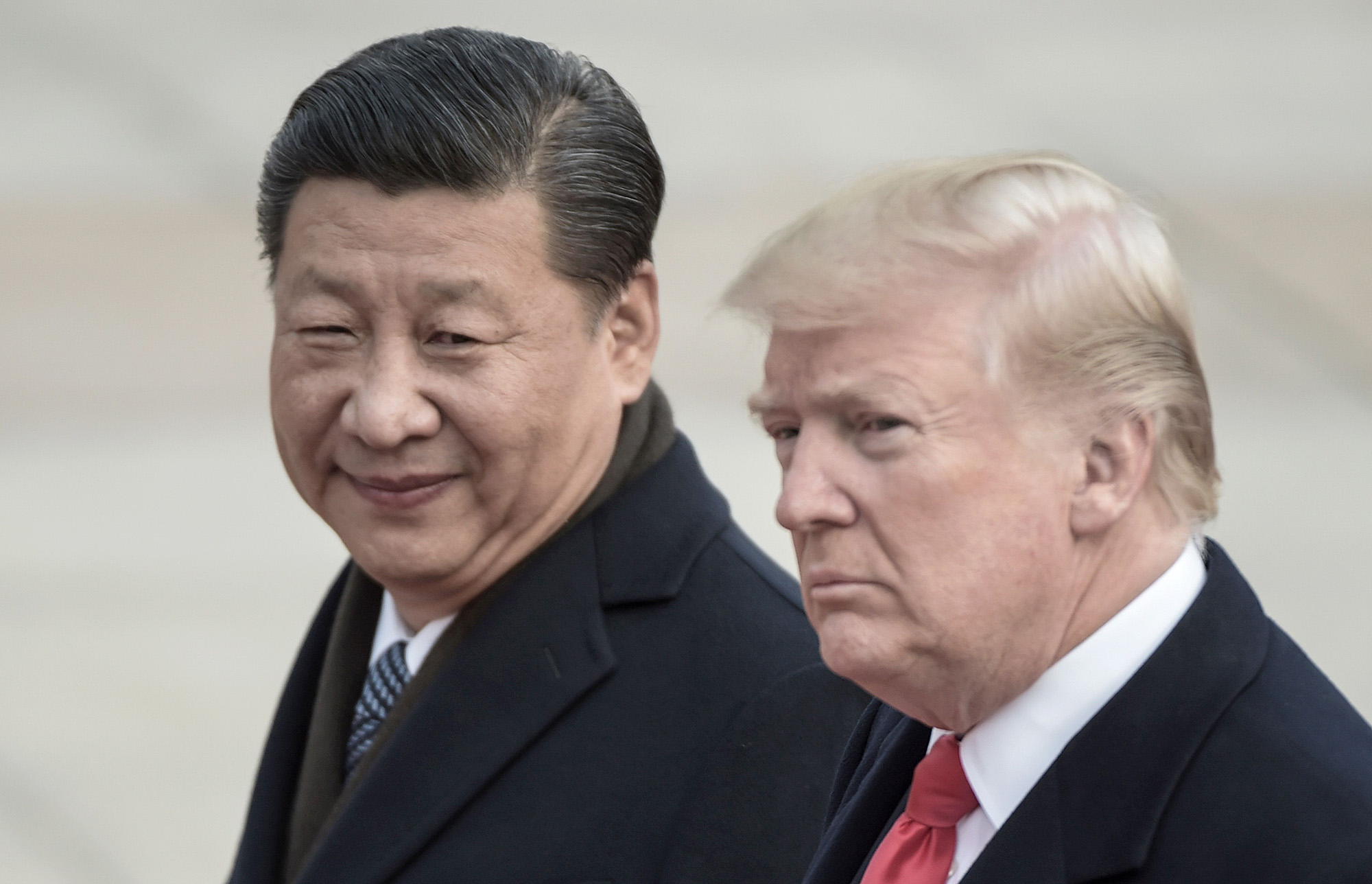 Xi Jinping and Donald Trump in 2017. Photographer: Fred Dufour/AFP Asymptomatic A notable characteristic of the coronavirus has been the wide range of outcomes it generates for those infected. While some become critically ill, others appear to experience no symptoms. It's these individuals, who seem healthy but can infect others, that have become an increasing focus. China this week began releasing data on how many asymptomatic infections it identifies daily, a reversal of past practice after facing both domestic and international criticism. It reported 130 such cases on March 31 and 55 on April 1. Days later, it was announced that a county in central China's Henan province had been placed under lockdown after three asymptomatic doctors were discovered there. While none of this is on the scale of what Hubei saw during the peak of the outbreak in China, it does underline how real the threat of another wave of infections still is. Market Opening Not much has happened in the past few weeks that hasn't been overshadowed by the coronavirus. Here's a $30 trillion example. China on April 1 officially opened its fund management market to foreign firms such as BlackRock and Vanguard. The $30 trillion number is how much in assets companies could be managing in this market by 2023. It's also why industry luminaries such as BlackRock's Larry Fink, who said as recently as February that he sees great opportunity in China, have made the country a key part of their global strategies. But it won't be easy. China has plenty of local champions, ranging from giant state-owned commercial banks to Jack Ma's Ant Financial, which owns the country's largest asset manager. Then there are celebrity investors like Chen Guangming, whose funds are so popular that he can raise $17 billion in a day. 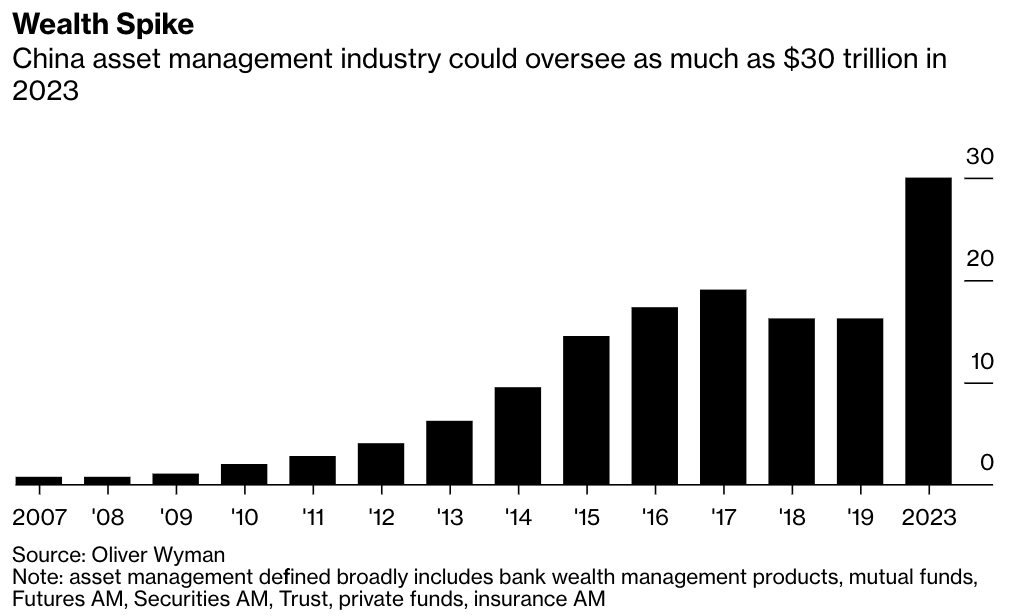 What We're Reading: And finally, a few other things that got our attention: For the latest virus news, sign up for our daily podcast and newsletter. | 


Post a Comment