As governments worldwide race to shut down their societies to stop the spread of coronavirus and prevent their health-care systems from collapsing, the decisive actor will be the individual.
Italy, which surpassed China last week as the country with the most coronavirus deaths, is showing that no amount of forceful edicts from capitals to stay home will be effective unless citizens heed them.
Governments will play a big role in keeping the world economy afloat, with massive fiscal interventions and by mobilizing the resources that hospitals need. They can call out their armies and police if needed to ensure compliance. And leaders like German Chancellor Angela Merkel and Canadian Prime Minister Justin Trudeau can set examples by putting themselves into self-isolation.
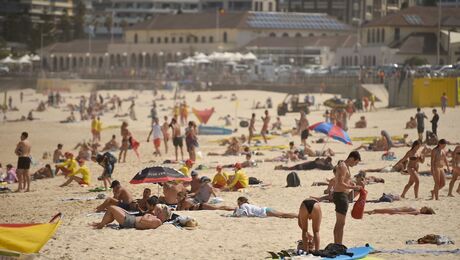
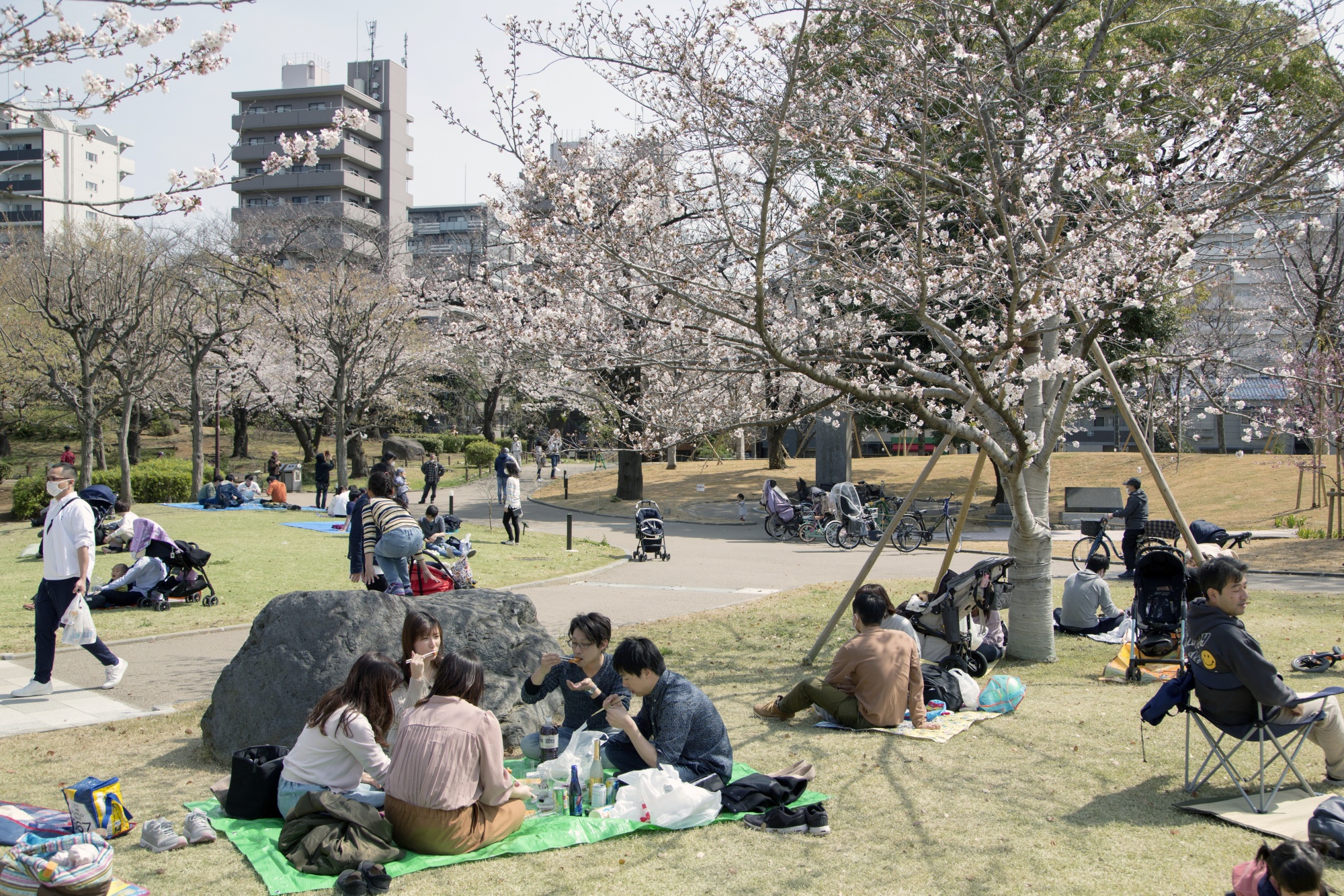
But in the end, success or failure in slowing the virus is going to come down to us. It has weaponized the human race — it explodes when we gather in clusters.
After its initial missteps, China showed the path to blunting the disease by sealing off its virus epicenter in Wuhan, and isolating everyone who came into contact with it. But with second waves menacing, the jury is still out on its long-term effectiveness.
Yet many nations don't have Beijing's centralized control. The fate of the world's democracies is now somewhat out of their leaders' hands — it will come down to what people choose to do in the days and months ahead.
— Karl Maier



Post a Comment