Markets rebound, policymakers meet, and it's Super Tuesday. ReboundThere's been a rapid turnaround in equity markets on the heels of promises from central banks to fight the economic effects of the coronavirus and the scheduled teleconference today with Group of Seven finance ministers and monetary officials. The monster rally into the close in the U.S. yesterday has, for the most part, spread around the world. One laggard was Japan's Topix index which closed 1.4% lower as investors saw the stimulus added by the Bank of Japan on Monday as having little lasting impact. There's a more positive view being taken in Europe, with the Stoxx 600 Index gaining 2.9% by 5:40 a.m. Eastern Time. S&P 500 futures are pointing to a higher open and Treasury yields gave up their early-session gains. Monetary and fiscalThe teleconference with Group of Seven finance ministers, along with major central bank heads, is scheduled for 7:00 a.m. France's Finance Minister Bruno Le Maire said on Monday that there will be "concerted action" to maximize the effectiveness of any measures. A statement is expected to be released after the meeting concludes, with Reuters reporting that a draft called for coordinated policies but did not detail specific near-term remedies. There has already been some monetary action today with both the Australian and Malaysian central banks cutting rates. Super TuesdayToday is the biggest test yet of the remaining candidates to take the Democratic presidential nomination. Bernie Sanders is still the one to beat as he leads polling across the biggest states voting including California and Texas. Joe Biden has got a boost from his win at the weekend, and endorsements from some of the candidates that have left the race. Remaining contenders, including former New York Mayor Michael Bloomberg and Senator Elizabeth Warren, seem set to do little more than split the centrist vote that Biden is chasing. (Bloomberg is the founder and majority owner of Bloomberg LP, the parent company of Bloomberg News.) Still risingThe number of cases of the coronavirus around the world passed 90,000 for the first time as governments and corporations step up travel restrictions. The continued increase in new cases outside China suggest that the economic fallout may still be a long way from over with the OECD's chief economist Laurence Boone warning that there may be long-term effects on globalization from the virus. In the U.S., the death toll from the outbreak now stands at six, with all fatalities in Seattle. Coming up...Along with all the other policy responses, OPEC and its allies are having a technical-level discussion in Vienna today and tomorrow that may recommend more output curbs in reaction to reduced global demand. While the early morning teleconference is the major monetary event today, we will also hear from Cleveland Fed President Loretta Mester, New York Fed Executive Vice President Lorie Logan and Chicago Fed President Charles Evans at various events. Carmakers report February auto sales, while Target Corp., Kohl's Corp. and Nordstrom Inc. are among the companies reporting earnings. What we've been readingThis is what's caught our eye over the last 24 hours. And finally, here's what Lorcan's interested in this morningFinance ministers holding an emergency meeting. Stocks rebounding on talks of coordinated central bank action. This morning sure feels like the heady days of the global financial crisis. The thing is, the problem the world faces now is a very different one to that faced more than a decade ago. Back then, bailouts, massive liquidity and eventually quantitative easing did the job of unsticking the gears of global finance. This time around, with many central banks already having very accommodative stances, and no real signs of bank balance-sheet pressure yet, there can be a strong argument made that the response should be mostly fiscal. But even there, particularly in the U.S. where large budget deficits continue to be the norm, it is unclear how much effectiveness there would be from more spending. The problem comes from the nature of the crisis which was initially concentrated on the supply side of the economy. Ask any airline right now, and they will tell you they are seeing massive demand destruction. Neither of these things can be directly helped by shoring up bank balance sheets. I've love to see policy makers realise that today's problem is not something that monetary policy should, or even can, take care of, and that maybe it is time for fiscal policy to think outside the box a little. The liquidity hammer of 2009 is the wrong tool for a virus-shaped nail. 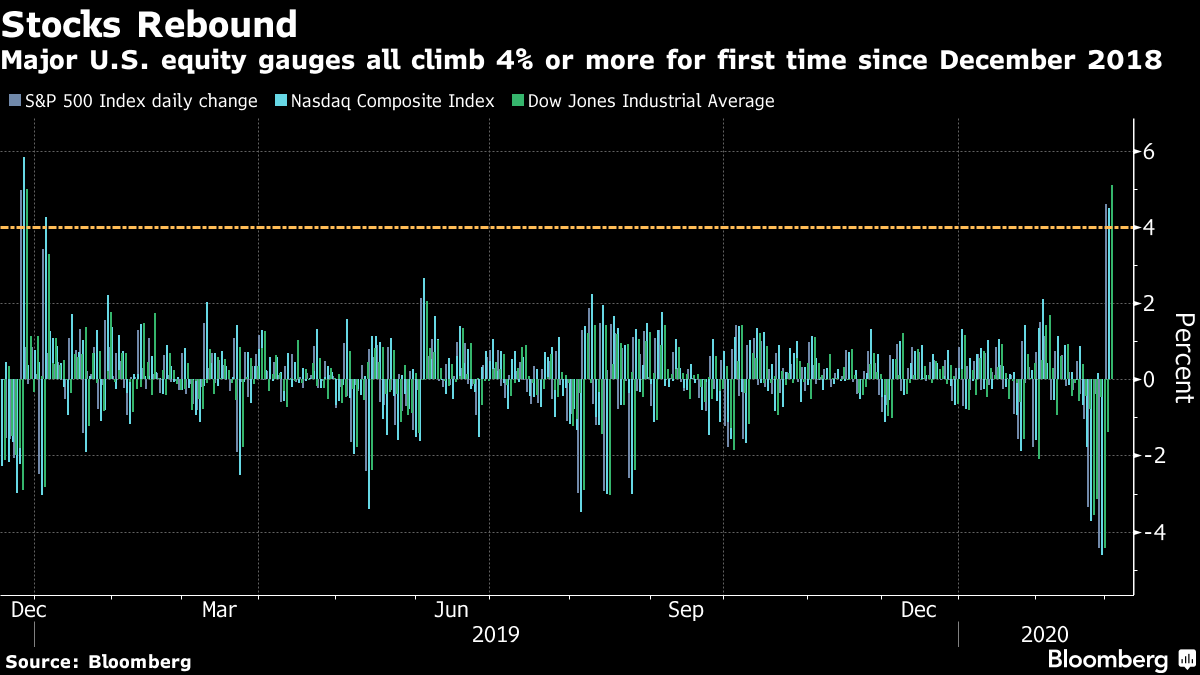 Like Bloomberg's Five Things? Subscribe for unlimited access to trusted, data-based journalism in 120 countries around the world and gain expert analysis from exclusive daily newsletters, The Bloomberg Open and The Bloomberg Close. | 


Post a Comment