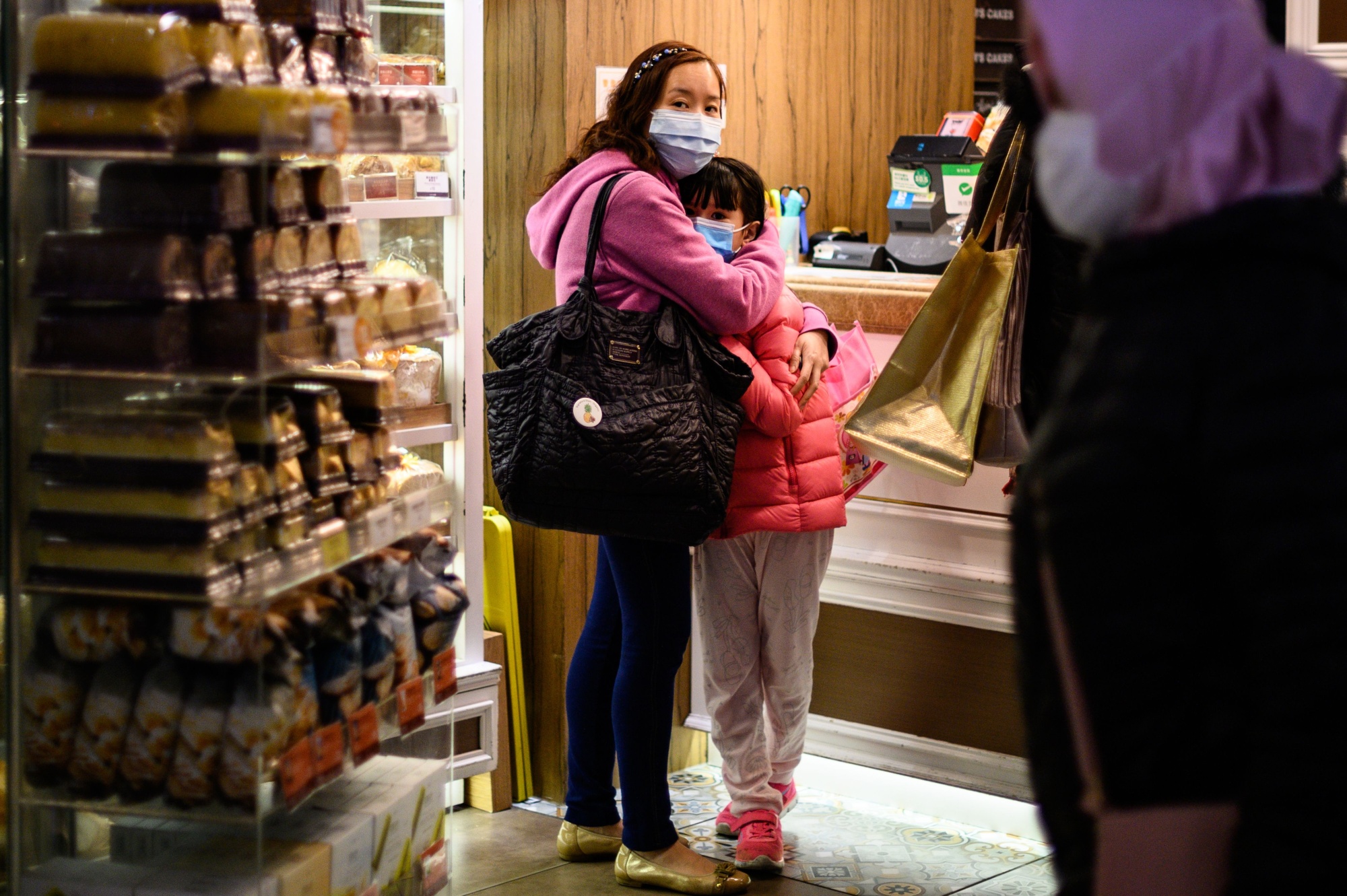
 Grocery runs in Asia's financial powerhouse have begun to remind me of shopping in Russia in the chaotic summer of 1998. You grab what you can find, and if there is a queue, you consider joining it. Surgical masks and sanitizer gel are bartered for; detergent shelves are bare. A run on toilet paper last week, after an online rumor, was reminiscent of Venezuela. Crowds are irrational everywhere, and social media hardly helps. Yet the palpable anxiety in coronavirus-hit Hong Kong these days suggests worrying levels of distrust in a city where citizens have always expected private enterprise at least, if not the state, to keep things ticking over. Both have failed miserably, preparing inadequately even after the SARS outbreak that killed almost 300 people in the city in 2003. A fragile state is usually defined by its inability to protect citizens, to provide basic services and by questions over the legitimacy of its government. After an epidemic and months of poorly handled pro-democracy demonstrations, Hong Kong is ticking most of those boxes. Add in a strained judicial system, and the prognosis for its future as a financial hub looks poor. Read the whole thing. Things Are Falling Apart for Europe's Single Currency — John Authers Unrestrained Trump May End Up Trapping Himself — Jonathan Bernstein Don't Expect a Quick Coronavirus Rebound for China — Mohamed El-Erian Is It Already Too Late to Stop Bernie Sanders? — Ramesh Ponnuru Mothers Are Dying Because of the U.S. Health Care System — Faye Flam Why Ghana Is Africa's Top Candidate for an Economic Leap — Noah Smith Bernie Sanders Could Be the Stock Market's Best Friend — Nir Kaissar Germany Is One of the Biggest Brexit Losers — Andreas Kluth Coronavirus Is Bringing Alibaba to Its Knees — Tim Culpan This is the Weekend Edition of Bloomberg Opinion Today, a roundup of the 10 most popular stories Bloomberg Opinion published this week based on web readership, plus some other stuff sometimes thrown in. | 


Post a Comment