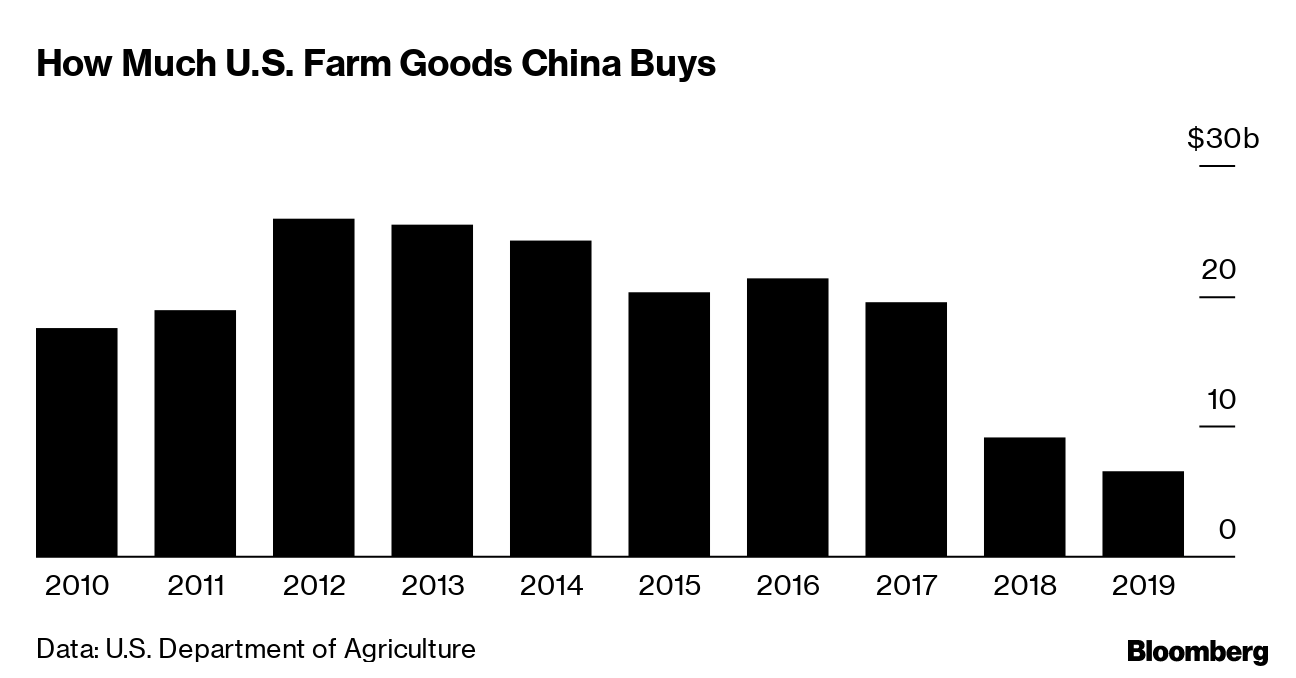
| Detail can be sobering, which is what happened this week as we learned more about the "phase one" trade deal President Donald Trump announced in Washington. First, it appears a lot more talking will need to take place before there's a document ready for presidents Trump and Xi Jinping to sign, meaning there's time yet for things to go wrong. Then we learned that if the U.S. wants Chinese purchases of American farm goods to get to the $40-$50 billion range that Trump touted, Beijing is going to want Washington to roll back its tariffs first. That's a higher bar than what was first described.
 Excitement about the deal has unsurprisingly waned. But maybe that's missing the bigger picture. Chinese state media seem to be arguing just that. Hu Xijin, editor of the Global Times newspaper, tweeted that China's more "moderate" statements shouldn't be mistaken for Beijing not being positive about the deal. Similarly, state-owned national radio noted that the attitudes of both sides are the same, even if their accounts of the trade talks differ. If Washington and Beijing both want a deal, and seem to think they're on a path toward one, is that more important than the details? It would definitely augur well for the global economy if it was. Hong Kong But tensions between the U.S. and China extend beyond just commerce, which makes reaching a trade deal all the more difficult. Take Hong Kong for example. The U.S. House of Representatives passed a bill this week that would pull the city's special trade status if it isn't sufficiently autonomous. The Senate looks eager to follow suit, even after China pledged retaliation if the bill becomes law. Could this legislation anger Beijing enough to scupper a trade deal? It seems unlikely, but there's enough uncertainty around that question for it to make people cautious. If you expand that unease to everything from Huawei to Taiwan, then the challenges ahead become far more stark. Currency Watch China's currency has become a much more closely watched indicator of how the trade war is progressing. When negotiations faltered in August, it weakened beyond 7 to the dollar for the first time in more than a decade, prompting Washington to formally label Beijing a currency manipulator. As of late, the exchange rate has been unusually steady, a trend many analysts read as China not wanting to derail ongoing talks, which are said to include discussions of a currency pact. Commerzbank economist Zhou Hao, ranked the most accurate forecaster for the yuan, thinks its possible the currency strengthens back past the 7 mark in the near term. 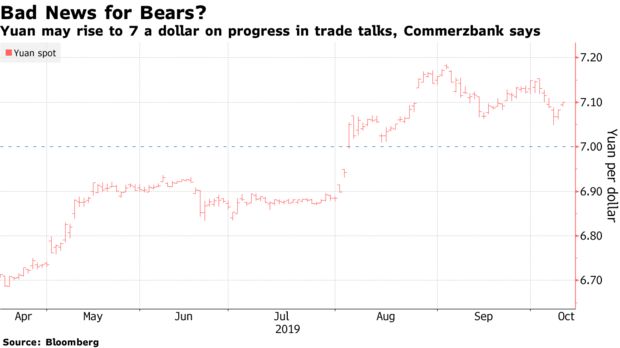 Huawei Huawei's fortunes have also shown some signs of stability. The Chinese tech giant this week reported a 24% increase in revenue for the first nine months of 2019. That was an impressive pace given current curbs on what American software and components the company can buy, and Washington's ongoing lobbying of allies to not use its 5G equipment. Huawei isn't sitting on its laurels of course. The company has been proactively wooing emerging marketssuch as India, the world's second-largest mobile market by users after China. NBA Games Professional American basketball is back in China, at least the live-streamed version. After a tumultuous week in which the National Basketball Association seemed to lose nearly all its Chinese sponsors because of a tweet supporting for Hong Kong's protesters, there were signs that tensions were cooling. Tencent, which had canceled the online broadcast of preseason games last week, began streaming them again. But that's not to say controversy won't flare once more. Lebron James, arguably the league's biggest star, showed how that might just happen when he decided to express his thoughts on the matter this week. 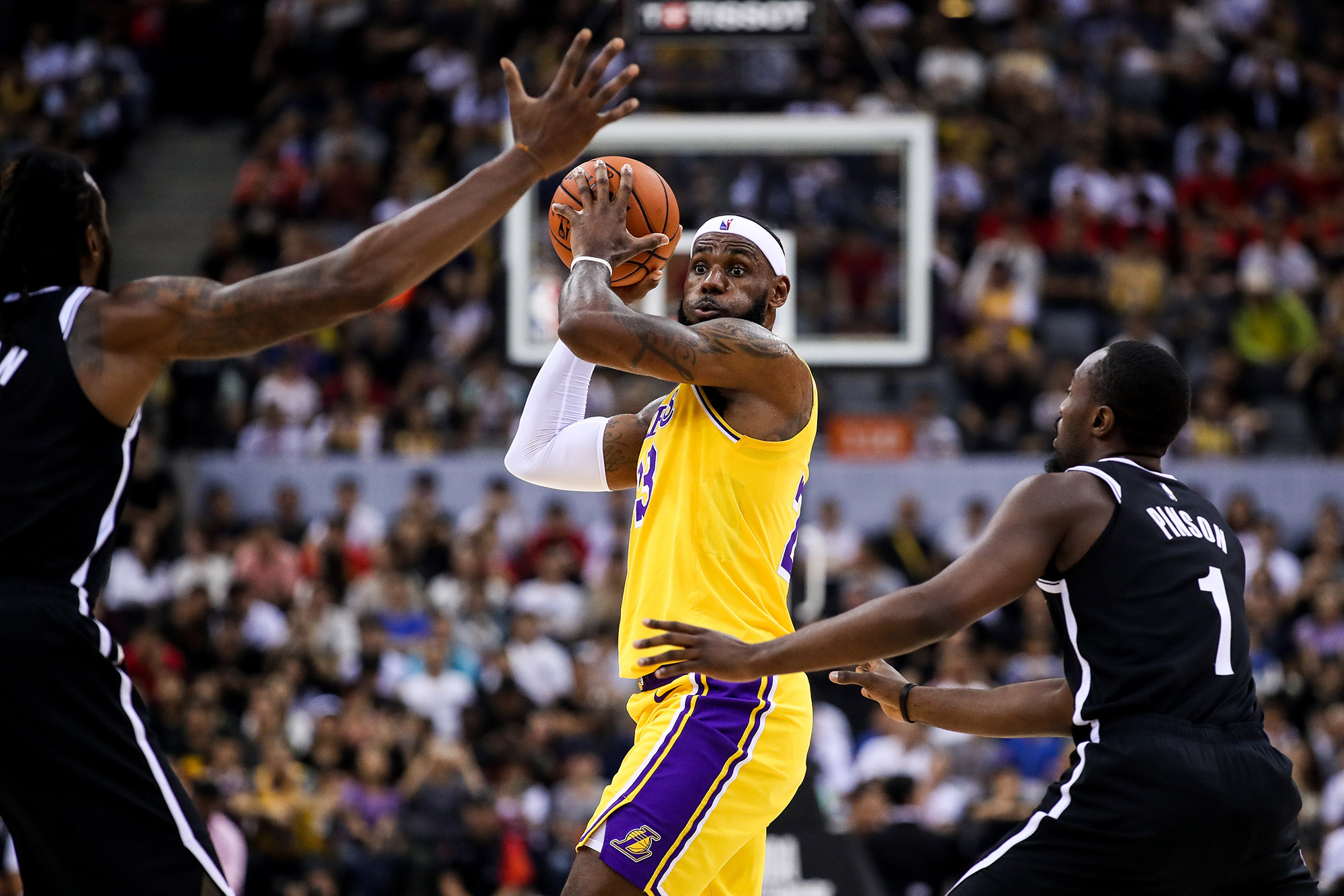 What We're Reading: And finally, a few other stories that caught our eye: | 


Post a Comment