Header Ads

Haunted by the ghost of Cape Wind

Climate Changed Newsletter
Bloomberg Climate Changed
FOLLOW US Facebook ShareTwitter ShareSUBSCRIBE Share with a friend
 

As the Earth warms and summer temperatures break records, demand is rising for air conditioning, boosting energy consumption and the climate-warming emissions that come with it. District cooling and district heating systems, in which cold or warm water is drawn from a single (and ideally natural) source and pumped to different buildings, can be expensive and complicated to start, but they are far more efficient in the long run. Seems pretty chill. —Josh Petri

 
"This is just the beginning. This is the new normal."

—Jill Standish, senior managing director and head of Accenture's global retail practice. Consumers are starting to care about the carbon footprint of fast shipping options.


Top stories

Another slow-motion, man-made environmental disaster has been discovered: Groundwater pumping is causing river flows all across the globe to drop precipitously.

The Cape Wind project was once the vanguard of American clean energy, but in 2017 it collapsed after a 16-year battle with the likes of the Kennedy family and billionaire industrialist Bill Koch over its location five miles off Nantucket Island. Since then the opposition has only gotten more sophisticated, as would-be wind power developers must now debate with everyone from fishermen to the military over the use of coastal waters.

Call it the Greta Thunberg effect, democracy against the fossil fuel-addicted establishment or simply an issue whose time has come. The incoming European Commission has made the climate emergency its No.1 priority. Now they just have to keep member states from getting spooked about the $13 trillion price tag.

Britain's last coal-fired plants are disappearing fast. The dirty, combustible fossil fuel accounted for as much as 40% of electricity generation there only six years ago, but that figure dropped to 5% last year. By the middle of the next decade, there won't be any plants left at all as the U.K. plans to go completely coal free. 
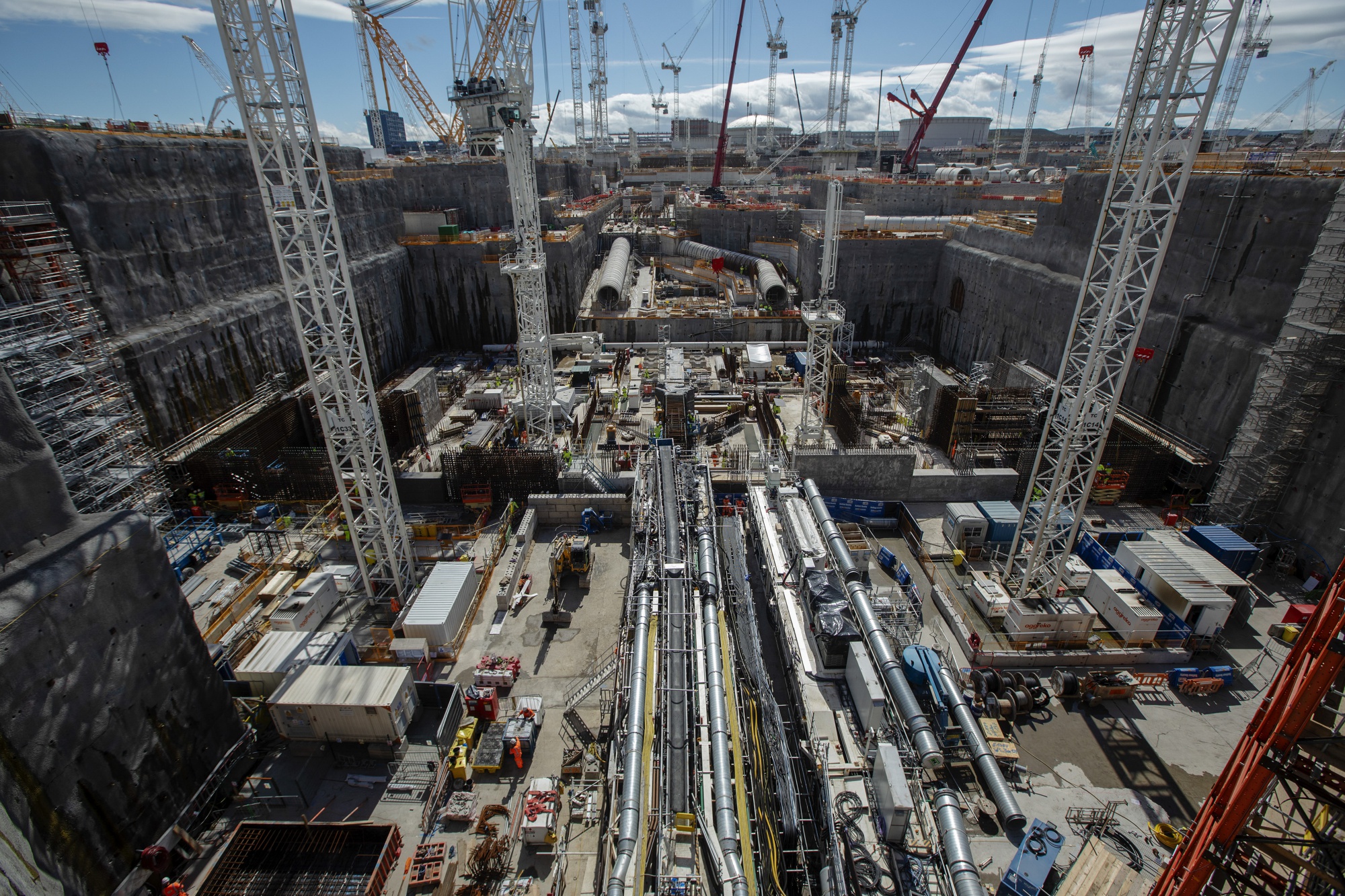
Over an area covering 245 soccer fields, Electricite de France SA is building the U.K.'s first new nuclear power plant in more than 20 years. The project employs 4,500 people and will cost up to 22.5 billion pounds ($28 billion). It's Britain's largest construction project (using the world's largest crane) and will eventually produce enough electricity for 6 million homes.

 
What we've been reading

Fannie and Freddie have created a substitute for flood insurance. In Bloomberg Opinion, Matthew Kahn and Amine Ouazad explain how mortgage-lending has increasingly placed the predictable costs of climate change on the backs of taxpayers.

More than 60 million people in the U.S. rely on septic systems. You know where this is going right? Sea level rise and heavy rain brought on by climate change will make it difficult for these Americans to flush their toilets, according to the latest UN climate report.

Peat—soil consisting of undecayed vegetation—sequesters more carbon than forests. So a group of scientists tried to locate a shockingly large peatland in the Congo rain forest. They went looking for Africa's carbon time bomb.


No comments