Birthdays are important, especially during a trade war. President Donald Trump seemed to get that point when he decided earlier this month to delay the imposition of new U.S. tariffs so that they wouldn't start on the same day China celebrates the 70th anniversary of the founding of the People's Republic. That day is Tuesday. It was seven decades ago on October 1, 1949, that Mao Zedong declared the founding of a new Chinese state under Communist Party rule. 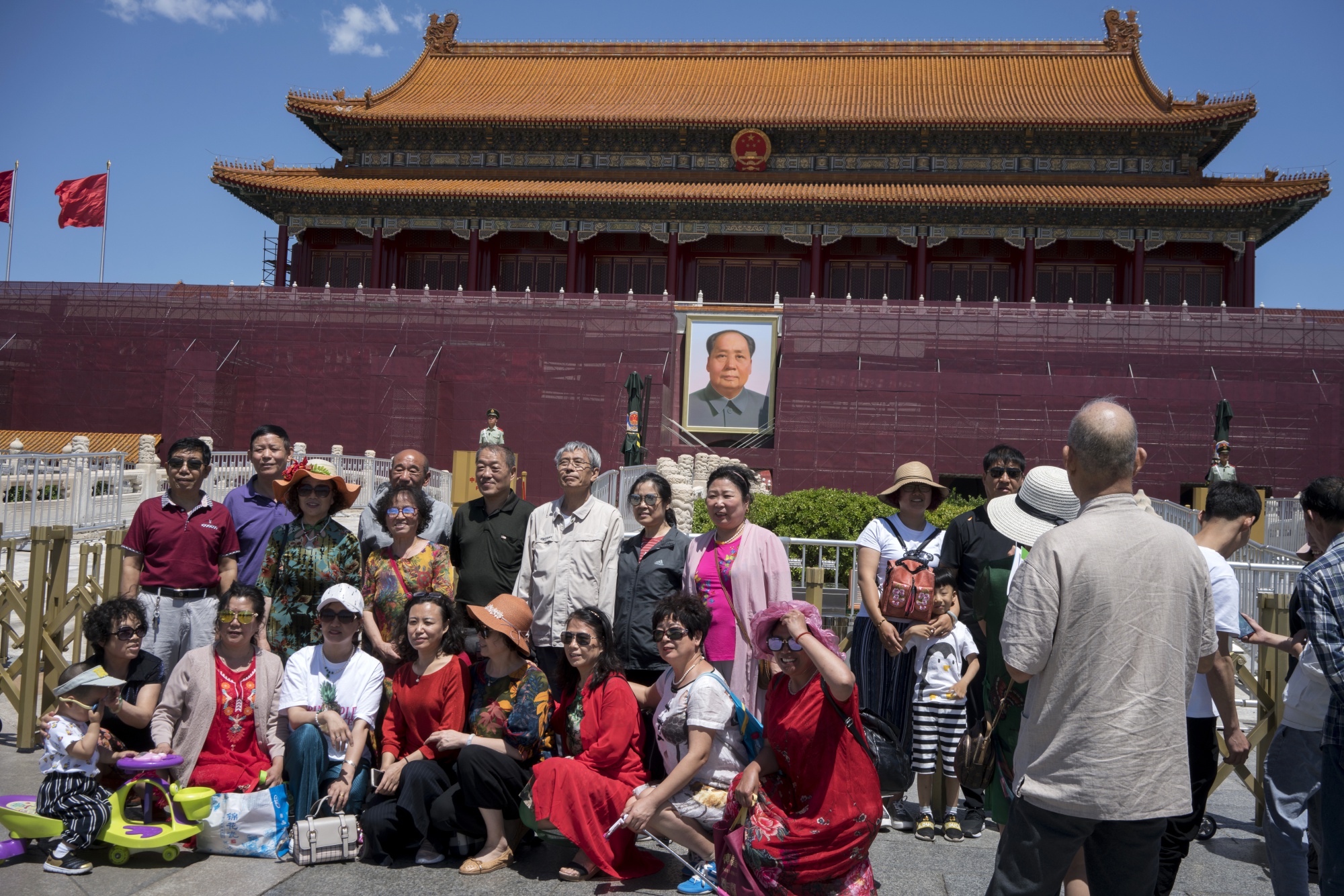 Since then, China has undergone extraordinary change. It's transformed from a poor and largely agrarian country into the world's second-largest economy. Hundreds of millions have been lifted out of poverty and China is now at the forefront of an increasing array of technologies. A chance to celebrate those accomplishments is not something to be wasted, especially with all the challenges now facing President Xi Jinping's administration. The trade war and Hong Kong's ongoing unrest grab the most headlines, but just as tricky are some of China's slower-burning dilemmas around debt, inequality, pollution and demographics.In the run up to Oct. 1, Chinese broadcasters have filled airwaves with programming commemorating the anniversary. Xi this week christened a beautiful new airport in Beijing, a symbol of Chinese prestige. And on Tuesday, he'll preside over a military parade with some 15,000 soldiers and an assortment of tanks, missiles and other advanced weaponry. Then, once the celebrations are finished, the challenges will come back into focus and be just as thorny as they've ever been. Trade WarChinese purchases of U.S. farm goods have been one of the most-important factors determining the mood music of the trade war. This week, Beijing was buying. It began with soybeans and then pork; all of which happened as China's top negotiator, Vice Premier Liu He, prepared for a new round of talks in early October. The results, however, were mixed. While financial markets reacted positively, it didn't dissuade Trump from using his speech at the United Nationals General Assembly to burnish his tough-on-China bona fides. The outlook for a possible deal remains as murky as always. 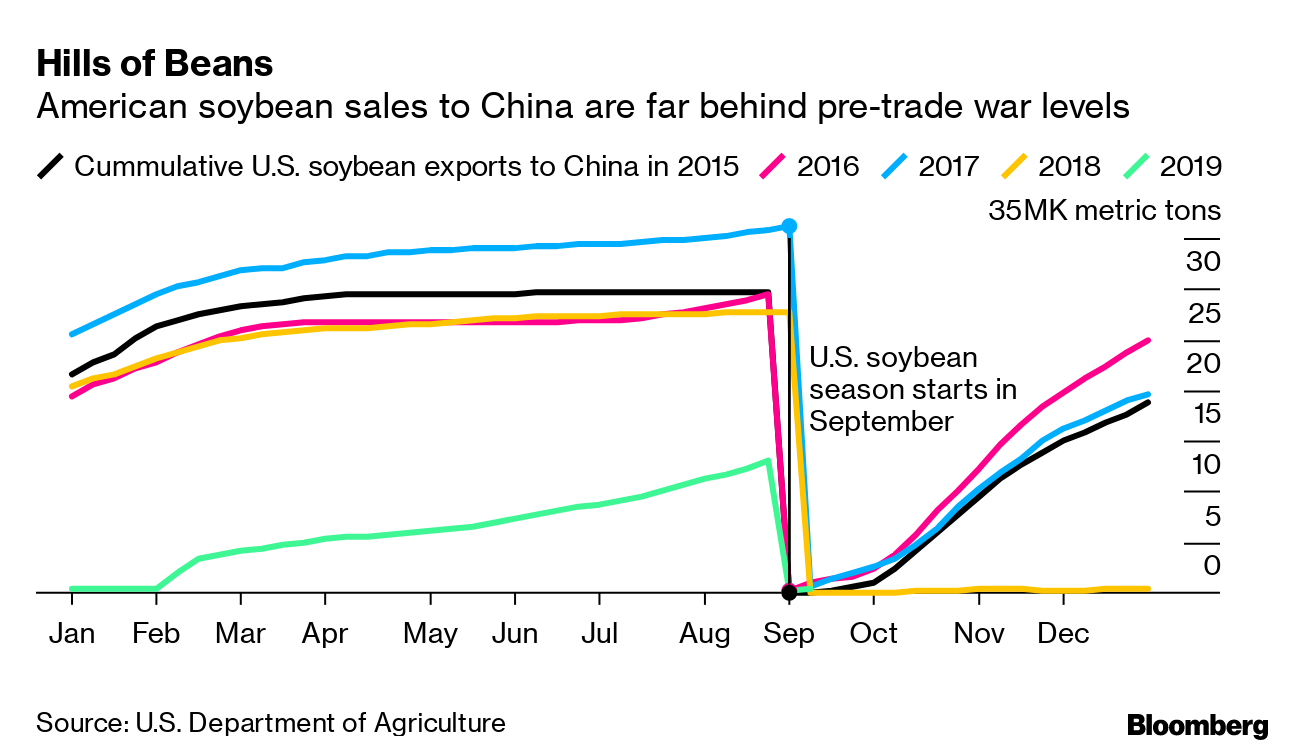 Hong KongWhile the protests that have roiled Hong Kong for four months appear no closer to resolution, their economic impact is becoming increasingly clear. This week saw the organizers of a PGA golf tournament previously scheduled for the city in October cancel the event citing "safety concerns." An auction of land also failed when the government didn't get any bids that met the price it was seeking. Even more troubling is the outlook for the city's tourism industry. The number of Chinese tour groups visiting Hong Kong in the first week of October, a 7-day national holiday often referred to as "Golden Week," is set to plunge 86% from a year earlier. Flights from Shanghai to Hong Kong are 38% cheaper and only 30% of hotel rooms are booked for the holiday period. London ExchangeIf you're an investor in London Stock Exchange Group, should you take the $37 billion Hong Kong Exchanges offered to pay for the company? The CEOs of both exchanges were in London this week to make their cases and it turns out a key question is how soon investors think China may scrap its capital controls. If it's soon, as LSE CEO David Schwimmer argues, then Shanghai could surpass Hong Kong in the not too distant future to become China's financial center. The LSE already has a trading link with the Shanghai Exchange and so there'd be less value in a deal with HKEX. But if those capital controls remain for another 20 years, as HKEX CEO Charlies Li argues, Hong Kong will continue to be China's financial center and a combination of it and the LSE makes sense. Health CareChina is simultaneously getting richer and older. That's ratcheted up demand for drugs, as well as the hunger for new and more innovative treatments. Beijing's efforts to reform its health care system to better meet those demands has been spearheaded by a national drug procurement plan, which kicked off nationwide this week. By combining the purchases of 25 generic medications by public hospitals nationwide into one procurement, authorities have been able to needle drug makers into substantial price cuts. Simultaneously, policy makers have also streamlined the approval process for new medicines, allowing companies with newly developed drugs to enter the market more quickly. Businesses are also getting involved. One example is Ping An Healthcare & Technology, which runs an app called Good Doctor that tries to address a shortfall in experienced physicians in many parts of the country by connecting patients electronically with doctors in other locations.  What We're ReadingAnd finally, a few other things that caught our eye: There won't be a Next China newsletter next week because of the week-long National Day holiday on the mainland. We'll be back on October 11. | 


Post a Comment