Today's Agenda 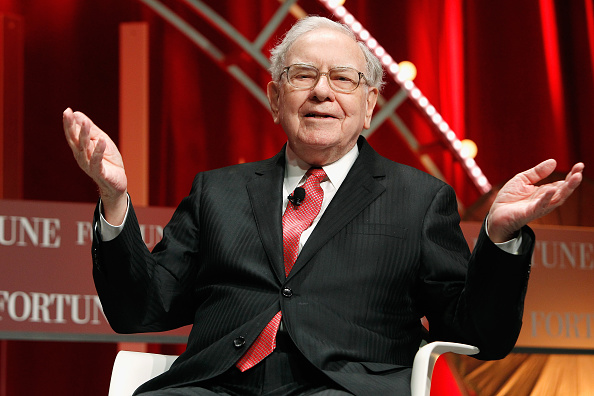 Warren Buffett's Warning "If you can't say something nice, don't say anything at all" is advice Warren Buffett seems to be applying to the stock market. The Oracle of Omaha isn't known for holding back his opinions, but he's been mum on the question of whether U.S. equities are too expensive at a time when the global economy and corporate profits are slowing, notes Nir Kaissar. Then again, Buffett doesn't have to say much, when his money can do all the talking. The vast cash hoard of his company, Berkshire Hathaway Inc., has been vaster only once before — just before the worst financial crisis since the Great Depression. And Buffett has already told us how he likes to gauge the stock market's relative value, Nir writes: He compares it to GDP. And, uh, this is pretty ugly: 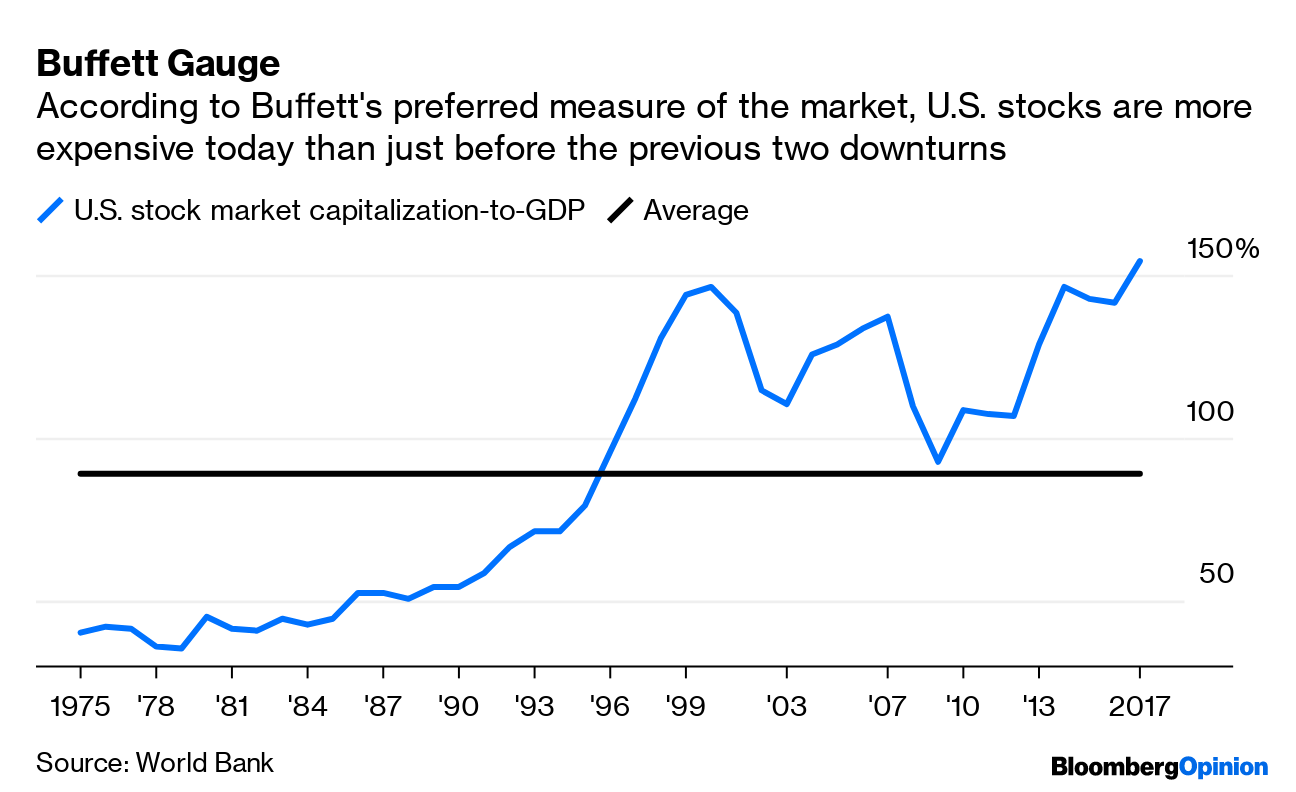 Widening-Gyre Update Group of Seven summits were once the benign black holes of the news galaxy — nothing interesting happened in them, but at least they did no harm. That has all changed in the President Donald Trump era. At the latest G-7 in Biarritz, France, the jaw-dropping headlines flowed, and not just because Jair Bolsonaro dissed Brigitte Macron. Trump's erratic behavior before, during and after the confab set a chaotic tone (emulated to some extent by Brigitte Macron's husband) and increased the dangers to the world's economy, security and environment, Bloomberg's editorial board writes. Another Trumpian chaos agent, British Prime Minister Boris Johnson, went to the French coast looking to cut a new Brexit deal with the EU. But British politics, increasingly inspired by Heath Ledger's Joker, now demand nothing less than a no-deal Brexit, writes Therese Raphael. Johnson might think he has to watch the world burn to simply not lose his new job to Nigel Farage. But hey, on the plus side, Trump's economic-policy anarchy is pushing Asian central bankers to chart their own course, writes Dan Moss. Further Emmanuel Macron Reading: Thanks to good luck and timing, France's economy is suddenly outperforming Germany's, easing the pressure on Macron. – Ferdinando Giugliano Trump vs. China vs. Companies One of the more bizarre things Trump said on the way to Biarritz was that he "hereby ordered" American companies to "immediately start looking for" ways to divest from China. When pressed on what part of the Constitution let him "hereby order" private companies to do stuff, Trump said he could declare an emergency and make it so. Sometimes when Trump ad-libs wild claims, his advisers spend years contorting themselves and the nation's laws to turn his half-baked dreams into reality (see Wall, The). In this case, though, the economic consequences of forcing blanket U.S. corporate divestiture from China would be so obviously and immediately disastrous that it's highly unlikely to ever happen, writes David Fickling. Maybe. Hopefully. While Trump verbally berates his own country's companies, China bullies foreign ones, notes Ben Bland, punishing businesses that don't toe Beijing's line. And generally the corporate response is "Thank you, sir. May I have another?" This approach may not be as immediately destructive as Trump's divestiture order, but it will undermine China's economic strength in the long term, warns Ben Bland. Amazon Burning The Bolsonaro-Macron feud grew partly from the French President's criticism of Brazil's leader for encouraging the burning of the Amazon rain forest. An 84% jump in fires in that critical carbon sink has alarmed the world, leading to calls for various punishments for Brazil's government and the fire-setters. But Brazil's small farmers and ranchers need enticements, not just threats, to stop destroying trees, writes Mac Margolis. Trump's trade war will make things much worse, by pushing China to buy Brazilian soybeans, notes David Fickling. That will lead to more deforestation to plant more soy crops. And China has fewer environmental qualms than the trading partners threatening Brazil with sanctions. Telltale Charts Women won't get better pay and career opportunities until they have to do a lot less of the unpaid work at home, writes Sarah Green Carmichael. 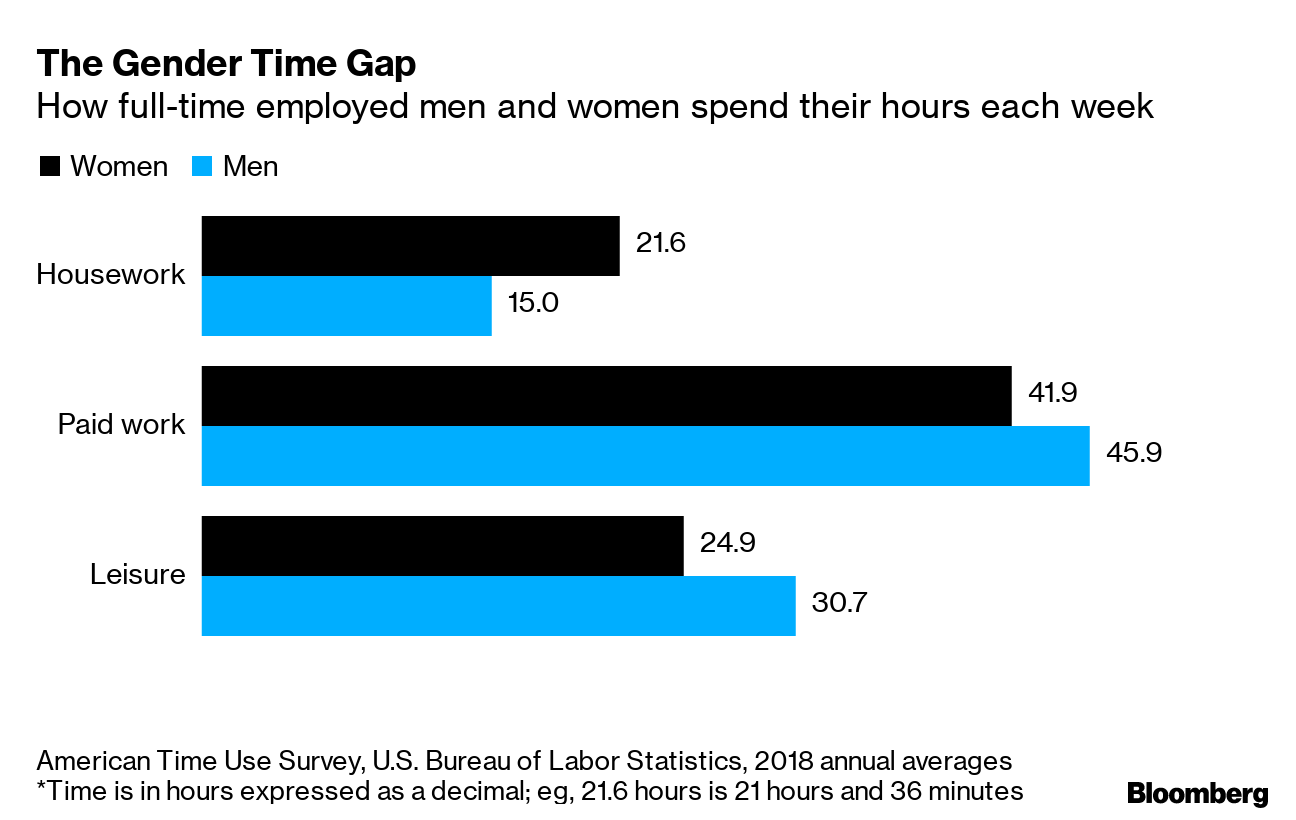 Contrary to popular belief, slavery didn't help the U.S. economy; it stunted its growth, including cotton production, writes Karl Smith. 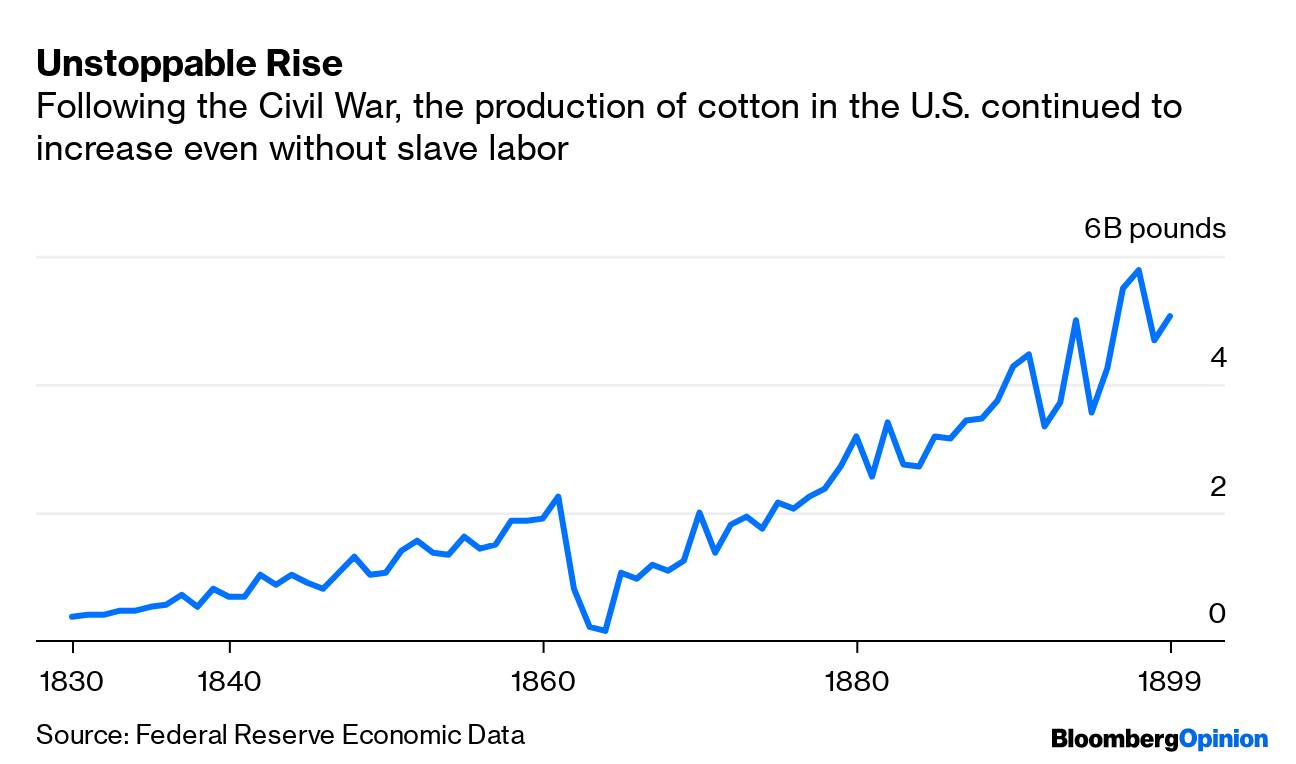 Far from the economic basket case Trump would have you think it is, Mexico is an upper-middle-income nation successfully transitioning from a resource-based economy to a manufacturing one, writes Noah Smith. Maybe that's why Mexicans are increasingly sticking around: 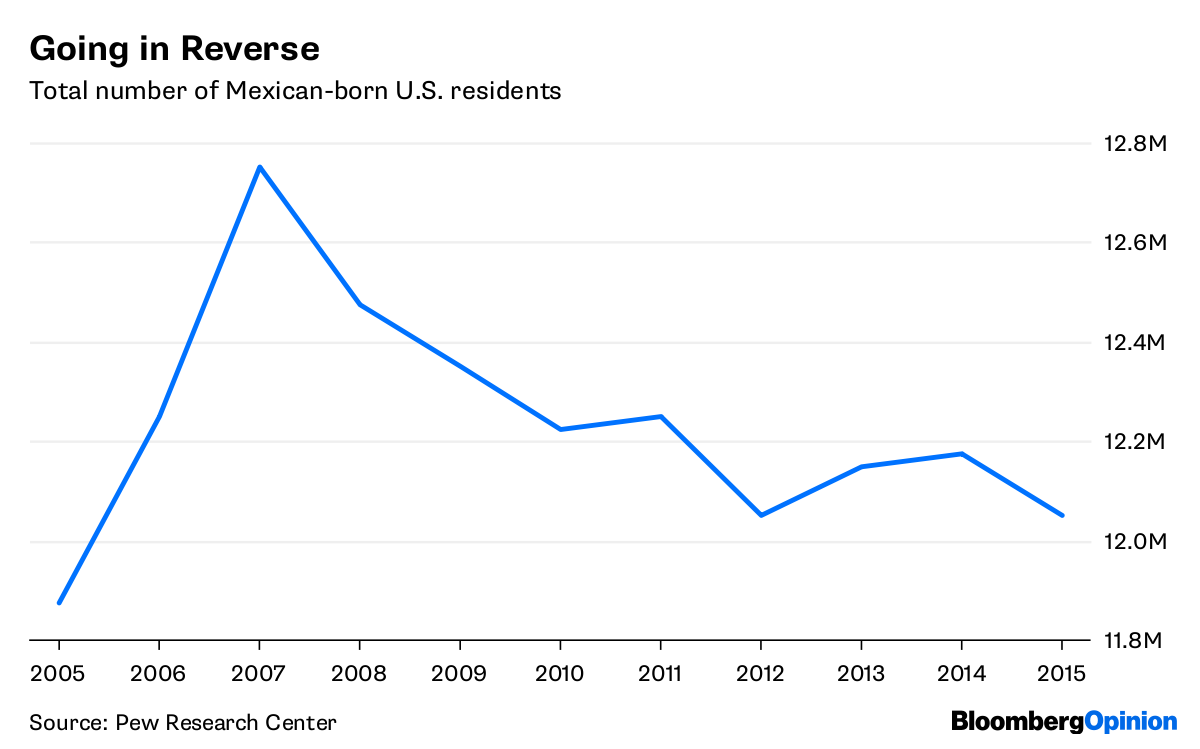 Further Reading Presidential electors shouldn't be allowed to be faithless, voting for whomever they want. That way lies chaos. – Noah Feldman Everything about Rep. Dan Crenshaw's argument in favor of the Electoral College is wrong. – Jonathan Bernstein To get rid of Venezuela's Nicolas Maduro, we may have to let his enablers off the hook. – Eli Lake Humans might prefer being replaced by robots to being replaced by other humans. – Faye Flam ICYMI Wall Street finds Trump markets "way weirder" than financial-crisis markets. Trump suggested his own Doral golf property could host the next G-7 meeting. How the new Popeyes chicken sandwich went viral. Kickers Beyond Meat and KFC are testing plant-based "chicken." Woman watches YouTube video on finding diamonds, finds diamond. A pumice "raft" the size of Washington, D.C., could help the Great Barrier Reef. The 50 greatest coming-of-age novels. Note: Thanks to Shira Ovide for handling the newsletter so well last week! We now resume your regular sub-standard newsletter service. Please send chicken sandwiches and complaints to Mark Gongloff at mgongloff1@bloomberg.net. New to Bloomberg Opinion Today? Sign up here and follow us on Twitter and Facebook. | 


Post a Comment