Today's Agenda 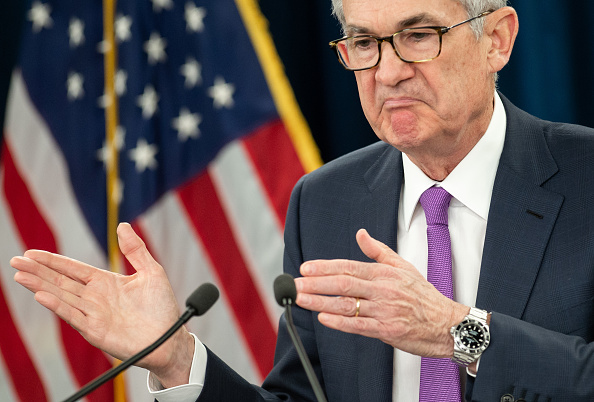 Fed in the Hot Seat For being such crushingly dull affairs, Federal Reserve policy meetings sure inspire a lot of feelings. And this week's confab will be more emotionally charged than ever. Markets have whipped themselves into a frenzy of rate-cut expectations, writes John Authers. But they're still not settled on just how much and how often the Fed will cut, John notes. Any smidgen of future guidance will rattle somebody. Fed Chairman Jerome Powell, the Donald Trump appointee whose boss disagrees with him "entirely," will try to keep as much flexibility as possible, writes Brian Chappatta, to avoid appearing to have been co-opted by the markets and/or the president. The economy may not yet need the emergency rate cuts they crave, but the risks have grown. The Fed will probably balance these concerns by being slightly more dovish, signaling its next move is a cut, while refusing to surrender to demands to cut immediately, writes Mohamed El-Erian. Markets and Trump make the most noise, but they don't have the most riding on the Fed getting this right. Keeping the expansion going is critical for disadvantaged workers, who gain the most when expansions last a long time, writes Noah Smith. Do they need a rate cut right now? We're about to find out. Iran Ratchets Up the Tension As if they weren't high enough already, U.S.-Iran tensions jumped another notch today when Iran warned it will soon break the 2015 nuclear agreement's limitations on uranium enrichment. Bobby Ghosh writes this is a tactical error on Tehran's part and a gift to the Trump administration. It gives Europe an excuse to forget trying to save the nuclear deal and join Trump in pressuring Iran — which will also give it leverage to keep Trump from blundering into war. If it turns out Iran has been attacking tankers near the Strait of Hormuz, as the Trump administration claims, then Europe should confront Iran about that, too, Bloomberg's editorial board writes. Lives, commerce and the environment are at stake in keeping shipping safe; again, a broader coalition can also help avoid war. Bonus Iran reading: Real nuclear diplomacy is probably hopeless until after the 2020 election, says Ilan Goldenberg, a former top aide to John Kerry. – Tobin Harshaw China's Year of the Problematic Pig 2019 is the Year of the Pig in China, and it's living up to its name so far, but not in a good way. For one thing, a terrible swine flu is decimating the country's pig population, a major food source. That's sending food prices skyrocketing, and Beijing isn't handling it well, writes Christopher Balding. Worse, the trade war means it has fewer alternative pork sources. Meanwhile, UBS Group AG is in hot water in China because one of its economists used the term "Chinese pigs" to describe livestock. Some readers (perhaps willfully) misinterpreted this as an insult to human beings, and UBS has lost some juicy wealth-management business as a result. This is a hard lesson for anybody wading into emerging markets, writes Shuli Ren, where local rivals are often just looking for excuses to make trouble. It probably doesn't help that tensions are high across China, between the lingering trade war and an economic slowdown. Evidence is hard to find in a country with tightly controlled information, but Adam Minter spotted it in the furious online reaction to a Beijing directive aimed at keeping skilled workers from fleeing the hinterlands for big cities. And this will always be remembered as the year Hong Kong tried to snuggle closer to mainland China, only to be thwarted by millions protesting in the streets. This minor rebellion succeeded where others failed, write Nisha Gopalan and Matthew Brooker, partly because it was an effort to preserve the status quo. That helped draw business support, which pressured the government to cave. Further China reading: Huawei's overseas sales outlook isn't as grim as you'd think, and might even rally domestic support. – Tim Culpan British Bothers Beyond Brexit Theresa May's historically awful British premiership wasn't bad just because she botched Brexit. She also ignored the U.K.'s deep-rooted and spreading economic problems, including inequality, writes Bloomberg's editorial board. Unfortunately, her potential successors don't seem to think much about these issues, either, and Brexit will of course make them worse. But the U.K. news isn't all bad: Lloyd's of London and the London Metal Exchange have finally ended the Stone Age practice of drinking on the job. This is a good start to fixing the culture at the City of London's boorish trading houses, writes Elisa Martinuzzi —but only a start. Telltale Charts Housing finance has basically stolen from black families for generations, writes Mark Whitehouse, which helps explain the stubborn ugliness of this chart: 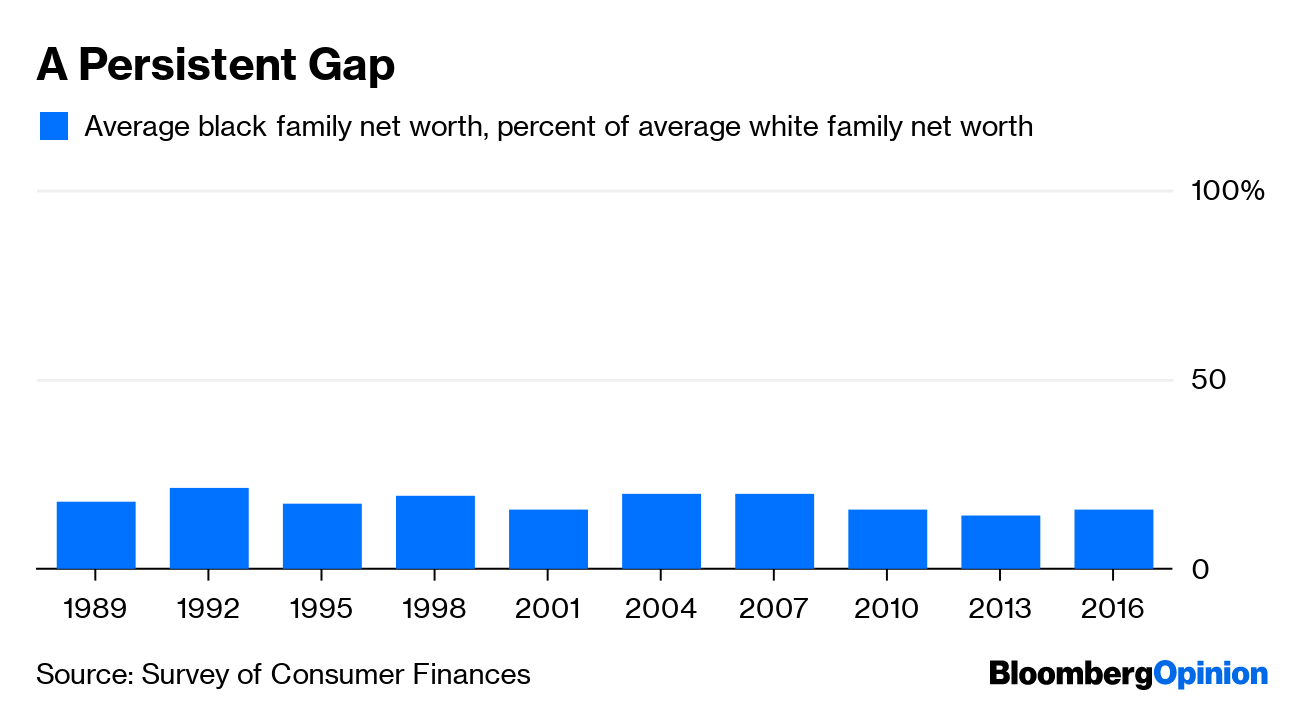 Fund managers are more ethical than you might think, embracing environmental, social and governance investing standards even when not forced to, writes Mark Gilbert. 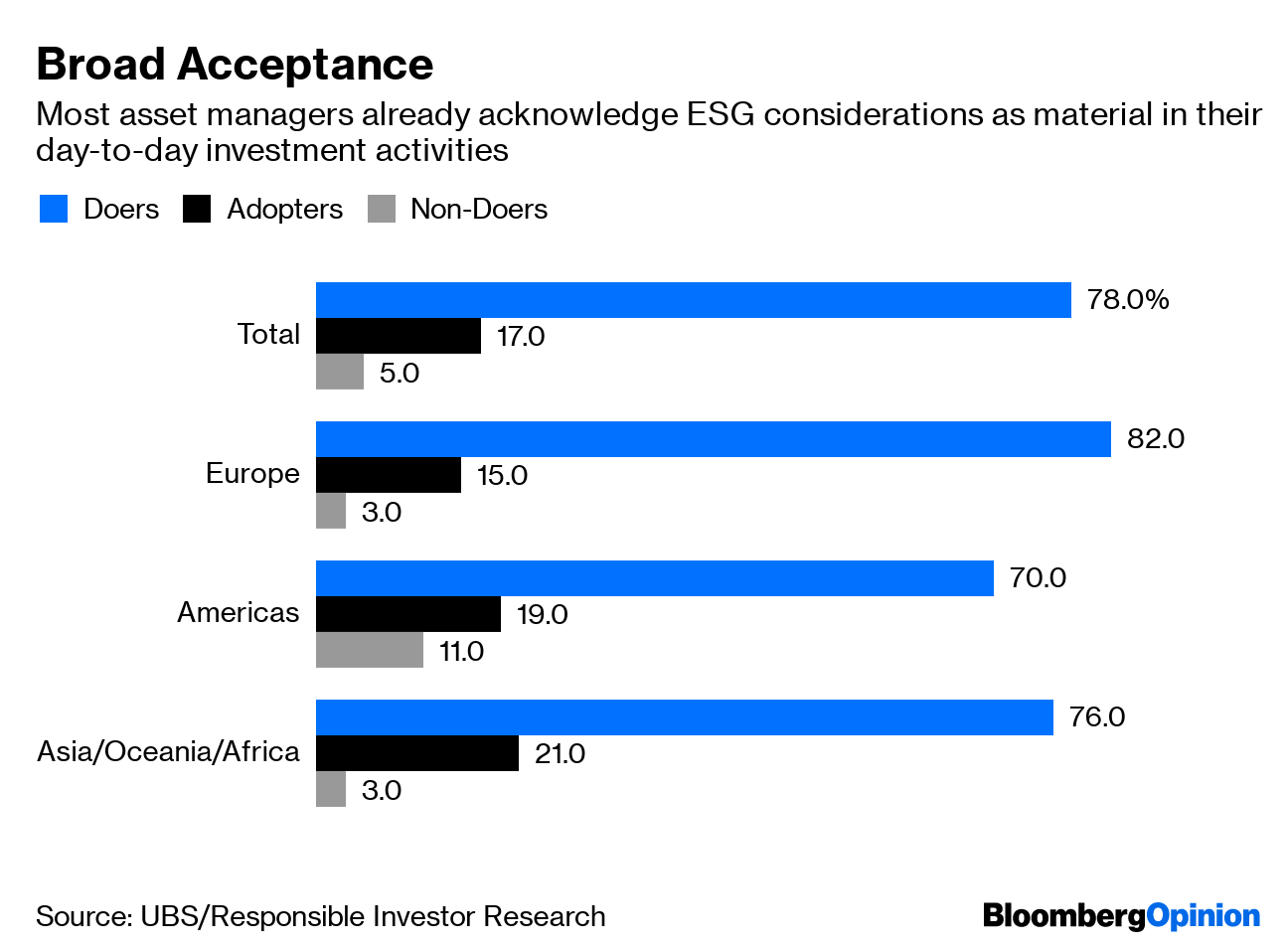 Further Reading At the Paris Air Show, General Electric Co. and Honeywell International Inc. show no sign of responding to the United Technologies Corp.-Raytheon Co. merger with their own monster deals. – Brooke Sutherland Before it's too late, regulators must ensure Facebook Inc.'s new cryptocurrency won't give it too much power or cause financial instability. – Lionel Laurent Pfizer Inc. is paying a high price for cancer drugs, a strategy that hasn't worked great for it. – Max Nisen Increasingly decentralized power grids are increasingly vulnerable to hacking. – David Fickling Cities need access to the scooter data kept by "Big Scooter" — Uber, Lyft, etc. — but they also must protect it. – Janette Sadik-Khan A recession is probably coming. Here's an investment survival guide. – Barry Ritholtz ICYMI Airbus SE scored a win on Boeing Co. Rich people are buying forests. Ex-cop buys Brooklyn real estate, becomes kajillionaire. Kickers Pakistani provincial government accidentally turns on "cat filter" during Facebook Live event; hilarity ensues. Scientists discover plastic-eating mushroom. (h/t Scott Kominers for the first two kickers) Dogs evolved adorable eyes to beguile humans. Winners and losers of the massive Anthony Davis trade. Note: Please send mushrooms and complaints to Mark Gongloff at mgongloff1@bloomberg.net. New to Bloomberg Opinion Today? Sign up here and follow us on Twitter and Facebook. | 


Post a Comment