Today's Agenda 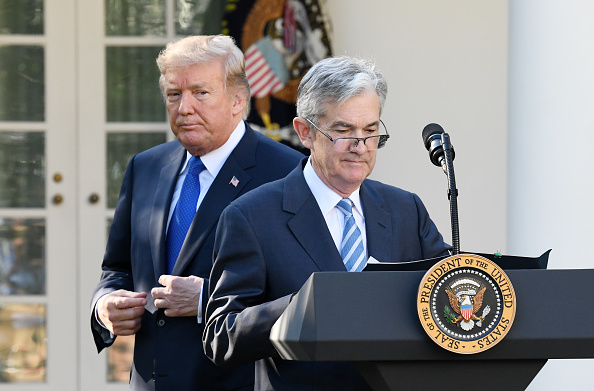 The Fed Waves the White Flag Sometimes temper tantrums pay off. The Fed today came much closer to giving markets and President Donald Trump what they've long been holding their breath and stamping their feet for: an interest-rate cut. It held off on an actual cut, disappointing those betting on immediate action; but a late-July rate cut is almost a done deal. That's what markets expect, after all, and Fed Chairman Jerome Powell has all but surrendered to markets (if not Trump), writes Brian Chappatta. This didn't completely thrill the stock market, which has already run far ahead of the Fed's calendar. Komal Sri-Kumar warns any Fed-fueled market gains are ephemeral, considering the economy's structural problems, the ever-present trade-war risk, slowing global growth and how expensive stocks already are. In fact, all this agitation over central bankers is an unhealthy distraction from the real problems the global economy faces, writes Mohamed El-Erian. Markets and policy makers (and the president) are trapped in a short-term, cyclical mindset seen more often in developing economies than in mature ones. Meanwhile, the prospect of dueling rate cuts has revived the beggar-thy-neighbor Currency Wars of 2010, writes Robert Burgess. The ever-combative Trump is certainly attuned to this, observing a stimulus-promising Mario Draghi is weakening the euro, which helps European exporters, notes Marcus Ashworth. Then again, a stimulus-promising Powell does the same to the dollar. Anybody looking to hurt the currency for such purposes – whether Trump or his unexpected fellow-traveler Elizabeth Warren – is exhibiting more pointless short-term thinking, writes Tyler Cowen. As with rate-cutting, the benefits of currency manipulation are as fleeting as the market's turbulent moods. Trump's Familiar Campaign Pitch Trump wants a Fed rate cut, to the point he's even looked into demoting the (in his mind) slow-moving Powell, partly because a recession would hurt his re-election bid. Though that campaign technically began on inauguration day, he had a for-real-this-time launch last night in Orlando. Tim O'Brien compares his promises last night with those made after that infamous escalator ride in 2015 – and finds little difference. And that wouldn't be a big deal, until you consider just how few of those promises he has actually kept. That could be a worse problem for Trump than the Fed. The rally was also a reminder that Trump keeps playing exclusively to his base in a way no other president has ever done, notes Jonathan Bernstein. The trouble is, Trump is also less popular than any president in the modern polling era, meaning few presidents have ever needed to reach to new voters more. Further Trump Reading: China's Lehman Moment Stop us if you've heard this before: Financial institutions get into trouble, and regulators take weak half-measures in response, leading to more financial institutions in trouble. That's what has happened in China since Beijing took over little Baoshang Bank last month, echoing the Lehman Brothers debacle a decade ago, note Anjani Trivedi and Shuli Ren. The system hasn't gone Full Lehman yet, but interbank lending is seizing up and more banks are struggling. More disturbingly, Beijing is still doing weird stuff – asking brokerages to provide interbank liquidity? Whaaaa? – that will only make the crisis worse. Further China Reading: Let the FDA Regulate Asbestos-Ridden Cosmetics As a parent, I am alarmed to learn there are cosmetics marketed to children in the United States of America in 2019 that have asbestos in them. Asbestos! But you don't have to be a parent to be alarmed by this, or shocked by the fact that the FDA, unbelievably, lacks the power to force recalls of, again, asbestos-laden makeup marketed to children, Bloomberg's editorial board points out. There's a bipartisan law pending in Congress that would give the agency a bit more power to keep asbestos off our children's faces. It doesn't go far enough, but it's better than no regulation at all, which is the situation now. In summary: asbestos. Telltale Charts UniComSoc – a merger of UniCredit, Commerzbank and SocGen – could be the banking champion Europe needs, writes Mark Gilbert. 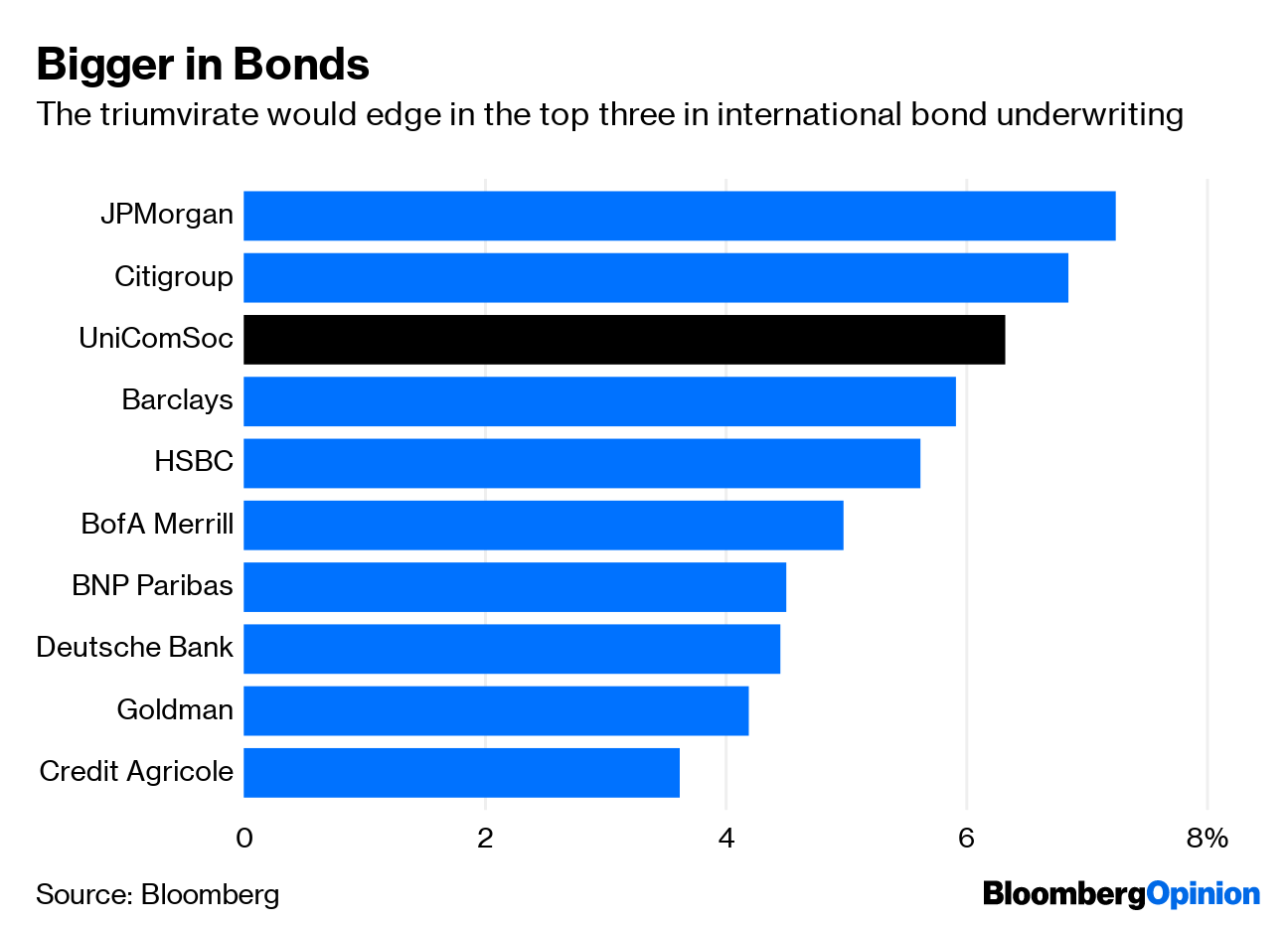 Young software companies are increasingly bubblicious, warns Shira Ovide. 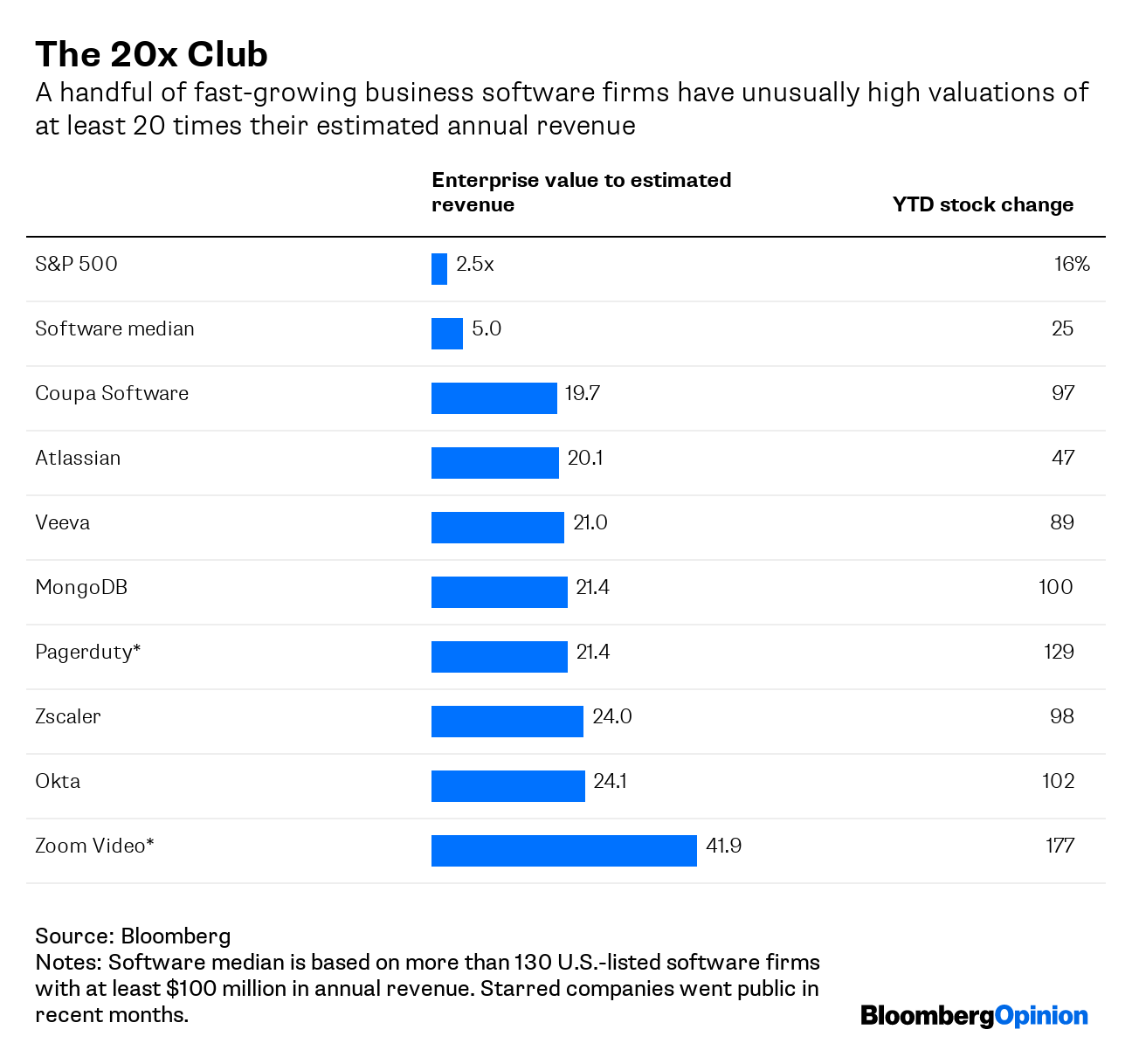 Further Reading Tory leadership candidates put on a sad display in their debate last night, the real winners of which were Nigel Farage and Jeremy Corbyn. – Therese Raphael Both Vladimir Putin and Xi Jinping realize crushing dissent too brutally hurts their regimes. – Leonid Bershidsky There's a risk Oxford University will squander Stephen Schwarzman's $189 million gift. – Chris Hughes T-Mobile US Inc. selling assets to Dish Network Corp. to make a Sprint Corp. merger happen would be a worse outcome for T-Mobile than just walking away from the deal. – Tara Lachapelle Coal miners are showing frackers how to deal with dwindling business prospects. – Liam Denning Alan Kreuger's posthumously published book, "Rockonomics," draws readable economics lessons from the music industry. – Peter Orszag Cancer may come down partly to bad luck, but that's no reason to abandon prevention. – Faye Flam ICYMI The world now has three $100 billionaires. Area man will sue if you doubt he invented Bitcoin. Kickers Norwegian island wants to get rid of time. (h/t Scott Kominers) Work at a Facebook Inc. content-moderation site is grim. A defense of wolves. Every Nirvana song, ranked. Note: Please send time and complaints to Mark Gongloff at mgongloff1@bloomberg.net. New to Bloomberg Opinion Today? Sign up here and follow us on Twitter and Facebook. | 


Post a Comment